Budget pour la Montagne d’Ambre en 2026 : droits d’entrée, guides et coûts détaillés
Divulgation d’affiliation : Cet article contient des liens sponsorisés vers des hôtels, voyagistes, assureurs et autres services de voyage. Nous percevons une petite commission si vous réservez via nos liens, sans coût supplémentaire pour vous.
En bref — ce que coûte un voyage à la Montagne d’Ambre (approximatif, 2026)
Une simple excursion à la journée au parc national de la Montagne d’Ambre depuis Diego Suarez (permis du parc, guide obligatoire et transfert aller-retour pour les ~30 km) revient généralement à environ 25 à 70 € par personne une fois les coûts partagés en petit groupe, une excursion organisée en formule se situant le plus souvent dans le haut de la fourchette. Choisir plutôt de passer la nuit à Joffreville, juste à l’entrée du parc, ajoute environ 10 à 160 € par nuit pour l’hébergement selon que vous optiez pour une simple maison d’hôtes ou un éco-lodge confortable — mais cela vous offre un départ matinal, un air plus frais et un rythme bien plus détendu. Tous les chiffres présentés ici sont des fourchettes approximatives uniquement — les tarifs fluctuent, et vous devriez toujours vérifier les frais en vigueur de Madagascar National Parks (MNP) et les prix locaux avant de partir.
- Comparez les hébergements à Diego Suarez et Joffreville sur Agoda
- Planifiez et chiffrez votre voyage avec contactez Carla
- Organisez une voiture avec chauffeur via Carla fiable
- Parcourez les visites guidées sur GetYourGuide
- Vol retardé ou annulé vers Madagascar ? Vérifiez votre indemnisation avec AirAdvisor
- Assurez votre voyage avec l’assurance SafetyWing Nomad Insurance
💰 Transporter son argent en sécurité
Madagascar fonctionne beaucoup en espèces. Sécurisez votre argent :
- Ceinture porte-billets cachée — garde espèces et passeport à l’abri. Voir sur Amazon →
- Portefeuille anti-RFID — organise les cartes et bloque le skimming. Voir sur Amazon →
- Pochette tour de cou / passeport — porte-documents discret en transit. Voir sur Amazon →
En tant que Partenaire Amazon, nous réalisons un bénéfice sur les achats éligibles.
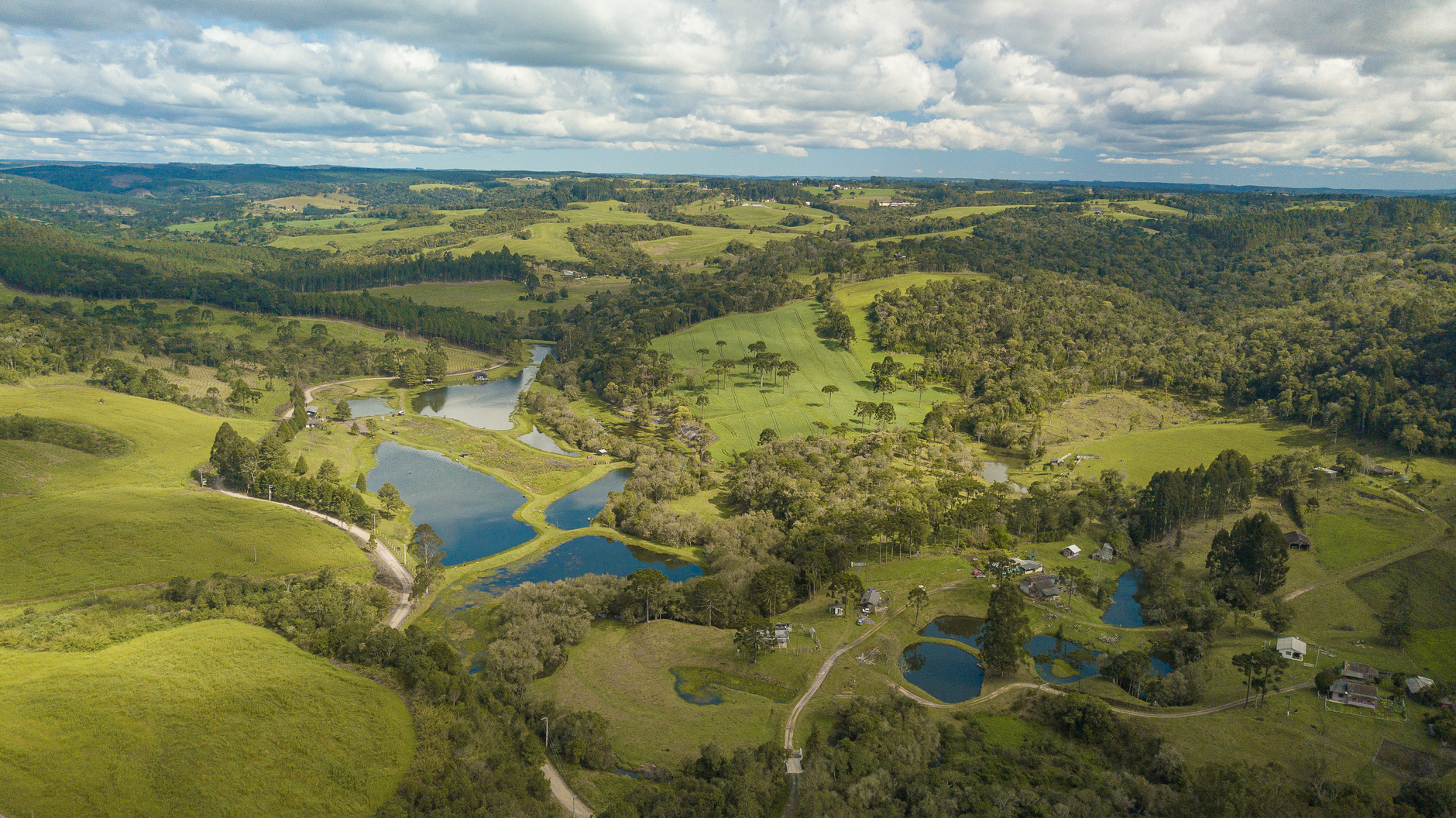
La Montagne d’Ambre est l’un des parcs nationaux les plus faciles d’accès de Madagascar et l’un des plus simples à budgéter — c’est précisément pour cela que tant de voyageurs se trompent légèrement dans leurs calculs. Située à environ 30 km au sud de Diego Suarez (Antsiranana), le parc est assez proche pour se visiter en une journée, tout en se trouvant assez en altitude pour donner l’impression d’un autre pays : frais, vert, ruisselant de forêt tropicale, de cascades et de lacs de cratère, et peuplé de lémuriens, de caméléons et des célèbres minuscules caméléons à queue tronquée du genre Brookesia. Parce qu’il est si accessible, on suppose qu’il doit être bon marché et simple. Il l’est largement — mais le coût se compose tout de même de plusieurs éléments distincts (un permis de parc, un guide obligatoire, le transport depuis Diego et la nourriture), et la décision budgétaire la plus avisée de toutes est de choisir entre une excursion à la journée pressée et une nuit détendue à Joffreville.
Ce guide décompose chaque coût afin que vous puissiez voir exactement où va votre argent et bâtir un budget adapté à votre style — que vous visiez une excursion économique et autonome depuis Diego ou une nuit confortable à l’entrée du parc. Avant de commencer, une mise en garde honnête : les prix bougent à Madagascar. L’ariary fluctue, le MNP révise périodiquement sa grille de permis, le coût du carburant varie, et ce qu’un guide ou un transfert coûtait la saison dernière peut ne pas correspondre à cette saison. Considérez chaque chiffre ci-dessous comme une fourchette approximative pour 2026, et non comme un devis, et confirmez les montants actuels sur place — au bureau du MNP, auprès de votre guide à Joffreville, ou en demandant à un planificateur de confiance — avant de vous engager. Pour un contexte plus large sur les coûts et la logistique des parcs nationaux à travers le pays, notre guide des meilleurs parcs nationaux et réserves de Madagascar est une lecture complémentaire utile, et notre guide complet du parc national de la Montagne d’Ambre traite du parc lui-même en profondeur.
Frais d’entrée du parc (permis Madagascar National Parks / MNP)
Chaque visiteur du parc national de la Montagne d’Ambre a besoin d’un permis délivré par Madagascar National Parks (MNP), l’organisme d’État qui gère les aires protégées du pays. Les permis se vendent par personne et par jour, et — comme dans presque tous les parcs de Madagascar — les visiteurs étrangers paient nettement plus que les ressortissants malgaches. À titre indicatif et approximatif pour 2026, un permis journalier pour un adulte étranger se situe généralement autour de 10 à 18 € par jour (très approximativement 50 000 à 90 000 ariary, en retenant une approximation d’environ 5 000 ariary pour un euro — les taux fluctuent). Les enfants paient habituellement un tarif réduit, et des tarifs réduits ou de plusieurs jours s’appliquent parfois.
Pour la grande majorité des visiteurs, la Montagne d’Ambre est une visite d’une seule journée ; vous paierez donc généralement un jour de permis. Le permis est le socle de votre budget mais rarement le poste le plus important — le guide et le transport depuis Diego coûtent généralement davantage. La bonne habitude consiste à confirmer la grille tarifaire en vigueur du MNP le jour même : elle est révisée périodiquement, les chiffres ci-dessus sont seulement approximatifs, et le tarif officiel est le tarif officiel ; ne vous attendez donc pas à négocier le permis lui-même. Achetez-le au bureau d’entrée du parc ; conservez le reçu.
Frais de guide obligatoires
Un guide local est obligatoire à la Montagne d’Ambre — vous ne pouvez pas légalement parcourir les sentiers seul. C’est une vraie bonne chose plutôt qu’une taxe : les plus beaux sites de la forêt tropicale (les célèbres cascades, les lacs de cratère, les caméléons bien camouflés et les lémuriens nocturnes endormis) sont bien plus faciles à trouver avec quelqu’un qui connaît les sentiers, et un bon guide transforme une jolie marche en une journée d’observation vraiment mémorable. Les guides sont organisés via l’association locale à l’entrée du parc et facturés par groupe et par circuit plutôt que par personne, si bien que le coût diminue fortement lorsqu’on le partage.
À titre de fourchette approximative, comptez des honoraires de guide d’environ 10 à 25 € par groupe pour un circuit standard d’une demi-journée, davantage pour un itinéraire d’une journée complète atteignant les cascades et points de vue les plus éloignés. Comme il s’agit d’un tarif par groupe, deux amis qui partagent un guide paient chacun la moitié de ce que paie un voyageur solo — l’un des plus grands leviers pour réduire votre coût par personne. Si vous souhaitez vous concentrer spécifiquement sur la faune, notre guide de la faune et des lémuriens de la Montagne d’Ambre explique ce que votre guide vous aidera à repérer et pourquoi le bon guide vaut chaque ariary.
S’y rendre depuis Diego Suarez (~30 km)
La Montagne d’Ambre se trouve à environ 30 km au sud de Diego Suarez, l’entrée du parc se situant juste au-dessus du village de Joffreville (Ambohitra). La route grimpe régulièrement de la plaine côtière vers la forêt fraîche d’altitude ; la dernière portion jusqu’à Joffreville et au-delà n’est pas goudronnée et peut être mauvaise, surtout pendant ou après les pluies, si bien qu’un véhicule à garde au sol élevée ou un 4×4 est le choix confortable même si la distance est courte. C’est le transport, et non le parc, qui fait généralement gagner ou perdre le budget d’une excursion à la journée.
Vous avez plusieurs grandes options. Le transport partagé/local (un taxi-brousse vers Joffreville, puis l’organisation de la dernière portion sur place) est la solution la moins chère mais lente, peu flexible et tributaire de ce qui circule. Un taxi affrété ou un transfert en 4×4 depuis Diego — un véhicule qui vous monte, vous attend pendant que vous marchez, puis vous ramène — est le bon compromis pour la plupart des visiteurs : pratique, flexible et facilement partageable en groupe. À titre indicatif et approximatif, un transfert aller-retour de ce type peut aller d’environ 30 à 90 € et plus selon le véhicule, le carburant, la durée d’attente et votre négociation, ce qui se divise agréablement entre deux et quatre personnes. Pour un véhicule confortable et vérifié qui connaît la route et vous attend pendant la randonnée, nous recommandons une voiture avec chauffeur via Carla plutôt que de tenter votre chance avec une location au bord de la route. Pour la région au sens large, notre guide complet de Diego Suarez et du Grand Nord explique comment vous baser et vous déplacer.
Excursion organisée contre faire soi-même
C’est la décision budgétaire centrale pour la plupart des visiteurs ; il vaut donc la peine d’être clair sur le compromis. Une excursion organisée en formule depuis Diego regroupe les trois gros coûts — le transport aller-retour, le guide et (généralement) le permis du parc — plus un chauffeur qui gère la logistique, en un seul prix par personne. À titre indicatif et approximatif, une excursion organisée partagée depuis Diego se situe généralement autour de 40 à 90 € par personne, selon la taille du groupe, le véhicule et ce qui est exactement inclus. La commodité est réelle : on vient vous chercher, on vous conduit sur la route mauvaise, on vous confie un guide à l’entrée, on vous fait parcourir les meilleurs circuits et on vous ramène, sans rien à organiser sur place.
Faire soi-même — la formule autonome — signifie organiser son propre transport, payer le permis et le guide séparément à l’entrée, et prévoir sa propre nourriture et son eau. Bien fait, en petit groupe partageant un véhicule affrété, l’autonomie peut revenir moins cher qu’une excursion en formule, car vous ne payez pas la marge d’un voyagiste. Mal fait — en solo, sans personne avec qui partager le guide par groupe et le transport — cela peut en réalité coûter plus cher qu’une excursion organisée partagée. La règle honnête : si vous avez déjà un groupe et un chauffeur fiable, l’autonomie l’emporte généralement sur le prix ; si vous êtes seul ou en couple et que vous appréciez une journée sans tracas, une excursion organisée est souvent un meilleur rapport qualité-prix qu’il n’y paraît. Comparez les visites guidées sur GetYourGuide, ou demandez à Carla de bâtir un devis transparent pour comparer les vrais chiffres côte à côte. Notre guide des forfaits Montagne d’Ambre détaille ce que les options en formule comprennent généralement.
Hébergement si vous passez la nuit (Joffreville ou Diego)
La plupart des gens visitent la Montagne d’Ambre à la journée et dorment à Diego Suarez, qui offre le plus large éventail d’hôtels et de restaurants. Mais passer la nuit en hauteur à Joffreville, juste à l’entrée du parc, est une option discrètement géniale : vous vous réveillez dans l’air frais de la forêt, vous pouvez être sur les sentiers à la meilleure heure pour la faune avant l’arrivée des excursionnistes de la journée, et vous évitez les allers-retours en voiture. L’endroit où vous dormez est le coût le plus flexible de tout le voyage. En gros, à titre de fourchettes approximatives par nuit pour 2026 :
- Économique — une simple maison d’hôtes ou une chambre basique à Joffreville ou au centre de Diego : environ 10 à 20 € la nuit.
- Milieu de gamme — un hôtel confortable à Diego ou un agréable lodge à Joffreville : environ 30 à 65 € la nuit.
- Haut de gamme — les plus beaux éco-lodges de Joffreville juste à côté du parc, et les meilleurs hôtels de Diego : environ 80 à 160 € la nuit, montant vers le haut de la fourchette pour les établissements remarquables.
Si vous n’avez qu’une seule occasion de visiter le parc, une nuit à Joffreville est le meilleur surclassement que vous puissiez faire pour la faune — les départs matinaux ici sont véritablement payants. Pour un panorama complet de l’endroit où dormir, des compromis entre Joffreville et Diego, et de ce à quoi s’attendre à chaque gamme de prix, lisez notre guide dédié où dormir près de la Montagne d’Ambre, et comparez les tarifs actuels des hébergements à Diego Suarez et Joffreville sur Agoda.
Nourriture et eau
Lors d’une excursion à la journée depuis Diego, la nourriture est un coût faible et facile à maîtriser. La démarche la plus simple consiste à emporter un pique-nique et beaucoup d’eau depuis Diego avant de partir — il y a peu d’options au parc même, et vous voudrez de l’eau sur les sentiers de toute façon. Comptez très peu de cette manière : un déjeuner préparé, des en-cas et de l’eau pour une journée coûtent peu selon les standards européens.
Si vous préférez manger au restaurant, Diego offre un bon choix d’établissements pour le petit-déjeuner avant de partir et le dîner au retour, et Joffreville compte quelques adresses simples ainsi que la restauration des lodges si vous restez sur place. À titre indicatif et approximatif, un repas local décontracté revient à quelques euros modestes, tandis qu’un restaurant plus chic ou un dîner au lodge coûte davantage. Le point pratique essentiel sur la montagne elle-même est l’eau : emportez-en assez pour la marche, car la forêt est humide et les sentiers impliquent une vraie marche. Sur l’ensemble d’une excursion à la journée, la nourriture et l’eau comptent généralement parmi les postes les plus faibles — le permis, le guide et le transport dominent.
Pourboires — d’usage pour les guides et les chauffeurs
Le pourboire est d’usage et réellement apprécié pour les guides et les chauffeurs à Madagascar, et il constitue une part importante du revenu de ces travailleurs. Il est distinct des honoraires de guide convenus et du coût du transport — voyez-le comme une reconnaissance pour un guide qui vous a déniché l’insaisissable caméléon à queue tronquée, ou un chauffeur qui a affronté la route mauvaise et attendu patiemment pendant votre randonnée. À titre indicatif, un pourboire de l’ordre de quelques euros par personne pour le guide, plus quelque chose pour le chauffeur sur une journée complète, constitue une base raisonnable ; donnez davantage pour un excellent guide qui a fait la journée.
Les pourboires se paient en espèces, en ariary ; prévoyez donc cette somme à l’avance dans votre budget liquide. C’est une petite somme mais facile à oublier, et l’oublier est à la fois gênant et injuste envers des personnes dont la subsistance en dépend. Gardez quelques petites coupures à portée de main spécifiquement pour les pourboires à la fin de la visite.
Exemple chiffré — une excursion économique autonome contre une excursion organisée contre une nuit sur place
Les chiffres ci-dessous sont des fourchettes approximatives par personne pour 2026, à titre d’illustration uniquement — ils supposent un petit groupe partageant les coûts par groupe et de transport, et varieront selon la taille du groupe, la saison et les prix en vigueur. Confirmez toujours les montants réels sur place.
Option A — l’excursion économique et autonome à la journée depuis Diego (groupe de 2 à 4 partageant le transport)
- Permis de parc (1 jour) : ≈ 10 à 18 €
- Guide (par groupe, votre part) : ≈ 5 à 12 €
- Transport aller-retour depuis Diego (votre part d’un véhicule affrété) : ≈ 10 à 30 €
- Déjeuner préparé, en-cas et eau : ≈ 3 à 8 €
- Pourboires (votre part pour le guide et le chauffeur) : ≈ 2 à 6 €
Total budgétaire approximatif : ≈ 30 à 70 € par personne. C’est la façon la moins chère et réaliste de bien visiter le parc, et cela diminue encore plus votre groupe est grand, car le guide et le véhicule sont partagés. Cela exige toutefois d’organiser le transport et de vous présenter vous-même à l’entrée — assez facile depuis Diego avec un chauffeur fiable.
Option B — une excursion organisée à la journée depuis Diego (partagée, tout organisé)
- Transport aller-retour, guide et généralement le permis — regroupés en un seul prix
- Un chauffeur qui gère la logistique et la route mauvaise
- Parfois un déjeuner préparé ou pique-nique inclus — à confirmer avant de réserver
- Pourboires généralement suggérés en supplément
Total formule approximatif : ≈ 40 à 90 € par personne, selon la taille du groupe, le véhicule et les prestations incluses. Vous payez un peu plus qu’une journée autonome bien organisée, mais tout est arrangé, le casse-tête logistique disparaît, et pour les voyageurs solo et les couples cela peut en réalité être l’option au meilleur rapport qualité-prix, car vous ne portez pas seul l’intégralité du coût par groupe.
Option C — une nuit à Joffreville (1 nuit, milieu de gamme, puis le parc le lendemain matin)
- Une nuit d’hébergement milieu de gamme à Joffreville : ≈ 30 à 65 €
- Permis de parc (1 jour) : ≈ 10 à 18 €
- Guide (par groupe, votre part) : ≈ 5 à 12 €
- Transport jusqu’à Joffreville et retour (votre part) : ≈ 10 à 30 €
- Dîner, petit-déjeuner, pique-nique et eau : ≈ 8 à 20 €
- Pourboires (votre part) : ≈ 2 à 6 €
Total approximatif avec nuit sur place : ≈ 65 à 150 € par personne. Vous payez davantage, surtout pour la chambre, mais vous gagnez une nuit fraîche en forêt, un départ matinal à la meilleure heure pour la faune, et une journée bien plus détendue et sans précipitation. Pour quiconque tient vraiment à voir la faune — ou souhaite simplement ralentir — c’est la façon la plus gratifiante de découvrir la Montagne d’Ambre. Pour une version sur mesure de l’une de ces options bâtie autour de vos dates et de votre groupe, contactez Carla pour un devis honnête et actuel.
Conseils argent — espèces, ariary et prévoir assez pour le parc
Voici le point pratique le plus important : apportez assez d’espèces, en ariary, pour le parc et votre guide. Diego Suarez dispose de distributeurs et c’est l’endroit où retirer et changer de l’argent avant de monter, mais l’entrée du parc, votre guide et le chauffeur se paient en espèces sur place — le paiement par carte n’est pas une option à l’entrée ni sur la montagne. Retirez à Diego, gardez de petites coupures à portée de main pour le guide et les pourboires, et emportez une réserve raisonnable pour l’imprévu : un circuit plus long, une facture de transport plus salée, un pourboire généreux pour un guide qui vous a déniché quelque chose de spécial.
Sous-estimer ses espèces est l’erreur classique ici — Diego a des distributeurs, mais Joffreville et le parc n’en ont pas ; les espèces que vous montez sur la montagne sont donc celles dont vous disposerez. Pour un guide complet sur l’ariary, où changer de l’argent, la réalité des distributeurs et combien d’espèces emporter dans le pays, lisez notre guide de l’argent et de la monnaie à Madagascar avant de partir.
Comment économiser — et comment le faire avec confort
Pour économiser : visitez à la journée en petit groupe afin de répartir le guide par groupe et le véhicule affrété entre plusieurs personnes ; organisez vous-même le transport depuis Diego avec un chauffeur fiable plutôt que de réserver une excursion en formule ; emportez votre propre pique-nique et votre eau plutôt que d’acheter en route ; choisissez une maison d’hôtes économique si vous restez sur place ; et voyagez en saison sèche, quand la route de montée est plus facile et qu’un véhicule moins cher s’en sort. Partager chaque coût par groupe est le plus grand levier — une excursion à la journée à la Montagne d’Ambre devient nettement moins chère par tête à mesure que votre groupe s’agrandit.
Pour le faire avec confort : passez la nuit dans un éco-lodge de Joffreville afin de vous réveiller à l’entrée du parc et de parcourir les sentiers à l’heure matinale calme et riche en faune ; réservez une voiture privée avec chauffeur pour la route mauvaise afin de voyager à votre rythme sans vous soucier de la montée non goudronnée ; optez pour un circuit d’une journée complète plutôt que d’une demi-journée pour atteindre les cascades et points de vue les plus éloignés ; et donnez un bon pourboire à votre guide — un excellent guide fait toute la différence entre une jolie marche et une journée d’observation inoubliable. Quel que soit votre budget, la décision la plus avisée est de planifier les différents éléments à l’avance plutôt que d’improviser sur place.
S’y rendre et bien voyager
Rejoindre la Montagne d’Ambre suppose d’abord d’arriver en avion à Madagascar, puis de monter jusqu’au Grand Nord autour de Diego Suarez, si bien que votre voyage commence bien avant l’entrée du parc. Si votre vol international ou votre correspondance vers Madagascar est retardé, annulé ou surréservé, vous pourriez avoir droit à une indemnisation — vérifiez votre éligibilité à une indemnisation de vol avec AirAdvisor avant de renoncer face à la perturbation.
Voyager dans une région tropicale reculée — sentiers de forêt tropicale, route de montagne mauvaise et longues distances des grands hôpitaux — est exactement le type de voyage où une bonne assurance voyage prouve son utilité. Avec des randonnées en forêt humide, l’imprévisibilité du voyage en zone reculée et la simple tranquillité d’esprit qu’elle procure, vous voulez une couverture qui vous suit. L’assurance SafetyWing Nomad Insurance est conçue précisément pour ce genre de voyage indépendant et actif — flexible, abordable et facile à souscrire avant le départ. Réglez votre couverture SafetyWing dans le cadre de votre budget de voyage ; c’est un petit poste face à la sérénité qu’il procure dans le Grand Nord de Madagascar.
Laissez Carla planifier votre voyage à la Montagne d’Ambre
Calculer les permis, les guides, le transport depuis Diego et décider entre une excursion à la journée ou une nuit sur place est exactement là où un planificateur local vous fait économiser argent et stress. Carla peut construire un programme à la Montagne d’Ambre autour de vos dates, de la taille de votre groupe et de votre budget — qu’il s’agisse d’une excursion autonome épurée à la journée ou d’une nuit détendue à Joffreville — et organiser une voiture avec chauffeur fiable pour la route de montée mauvaise. Contactez Carla pour un devis sur mesure et des tarifs honnêtes et actuels.
Foire aux questions
Combien coûte l’entrée du parc de la Montagne d’Ambre ?
Un permis pour un adulte étranger est facturé par personne et par jour, et se situe approximativement autour de 10 à 18 € par jour en 2026 (très approximativement 50 000 à 90 000 ariary). La plupart des gens visitent en une seule journée ; vous paierez donc généralement un jour de permis. Ces chiffres sont approximatifs — vérifiez toujours la grille tarifaire en vigueur du MNP à l’entrée, car les taux fluctuent et sont révisés périodiquement.
Dois-je payer pour un guide ?
Oui — un guide local est obligatoire à la Montagne d’Ambre ; vous ne pouvez pas parcourir les sentiers sans lui. Le tarif est facturé par groupe (environ 10 à 25 € pour un circuit standard), et non par personne, de sorte que le partager réduit considérablement votre coût par personne. Un bon guide fait aussi toute la différence entre passer à côté de la faune et la voir réellement ; c’est donc de l’argent bien dépensé. Donnez un pourboire au guide à la fin, en espèces.
Quel est le coût total d’une excursion à la journée depuis Diego ?
À titre indicatif et approximatif par personne, une excursion économique autonome en petit groupe partageant le transport peut revenir à environ 30 à 70 €, tandis qu’une excursion organisée partagée depuis Diego se situe autour de 40 à 90 €. Les principaux paramètres sont la taille du groupe (les coûts par groupe et de transport se partagent), le véhicule, et le choix entre l’autonomie ou une formule. Considérez ces chiffres comme des fourchettes, pas des devis, et confirmez sur place.
Faut-il apporter des espèces ou puis-je payer par carte ?
Apportez des espèces, en ariary. Diego Suarez dispose de distributeurs, mais l’entrée du parc, votre guide, le chauffeur et les pourboires se paient tous en espèces sur place — le paiement par carte n’est pas une option à l’entrée ni à Joffreville. Retirez et changez votre argent à Diego avant de monter, gardez de petites coupures pour le guide et les pourboires, et emportez une réserve. Voir notre guide de l’argent et de la monnaie à Madagascar pour les détails.
Est-il moins cher de le faire soi-même ou en excursion organisée ?
Cela dépend de votre groupe. Si vous avez déjà un groupe et un chauffeur fiable, une excursion autonome à la journée revient généralement moins cher, car vous ne payez pas la marge d’un voyagiste et vous partagez le guide par groupe et le transport. Si vous êtes seul ou en couple, une excursion organisée partagée est souvent un meilleur rapport qualité-prix qu’il n’y paraît, car vous ne portez pas seul l’intégralité du coût par groupe. Dans tous les cas, partager les coûts entre plus de personnes est la plus grande économie.
Prêt à chiffrer votre voyage à la Montagne d’Ambre ?
Laissez Carla transformer ces chiffres en un véritable devis actuel adapté à vos dates, à votre groupe et à votre style — et gérer le permis, le guide, le transport depuis Diego et l’hébergement à votre place. Contactez Carla pour planifier votre voyage à la Montagne d’Ambre, comparez les hébergements à Diego Suarez et Joffreville sur Agoda, parcourez les visites guidées sur GetYourGuide, et commencez par notre guide complet du parc national de la Montagne d’Ambre.
Planifiez Votre Voyage à Madagascar
- Lire le guide de voyage complet Madagascar
- Explorer les itinéraires par style et durée
- Explorer le guide complet de la destination
Où Dormir