Best of Eastern Madagascar 2026: Andasibe, the Indri, the Pangalanes & Masoala
Affiliate disclosure: This article contains sponsored links to hotels, tour operators, insurance providers, and other travel services. We earn a small commission if you book through our links, at no extra cost to you.
Best of Eastern Madagascar 2026 — At a Glance
- The icons: Andasibe-Mantadia and the indri, the Pangalanes Canal, the wild Masoala rainforest, and the lush eastern coast
- Best for: rainforest wildlife — lemurs (especially the indri), chameleons, and the easiest big-wildlife access from the capital
- Wildlife: the indri (the largest lemur, with its haunting call), diademed sifakas, chameleons, and rich birdlife
- Gateways: Antananarivo (Ivato) by air, then overland east on the RN2 to Andasibe; Toamasina, Sainte-Marie, and Masoala beyond
- Best time: the drier windows of September–December and April–May; the east is the wettest region, with a January–March cyclone risk
- Character: the green, rainforest heart of Madagascar — lush, wild, and the most accessible wildlife from the capital
- Flight protection: EU261 €600 per passenger on disrupted European inbound flights
- Travel insurance: SafetyWing Nomad Insurance — essential for rainforest and remote travel
- Where to stay: Madagascar stays on Agoda
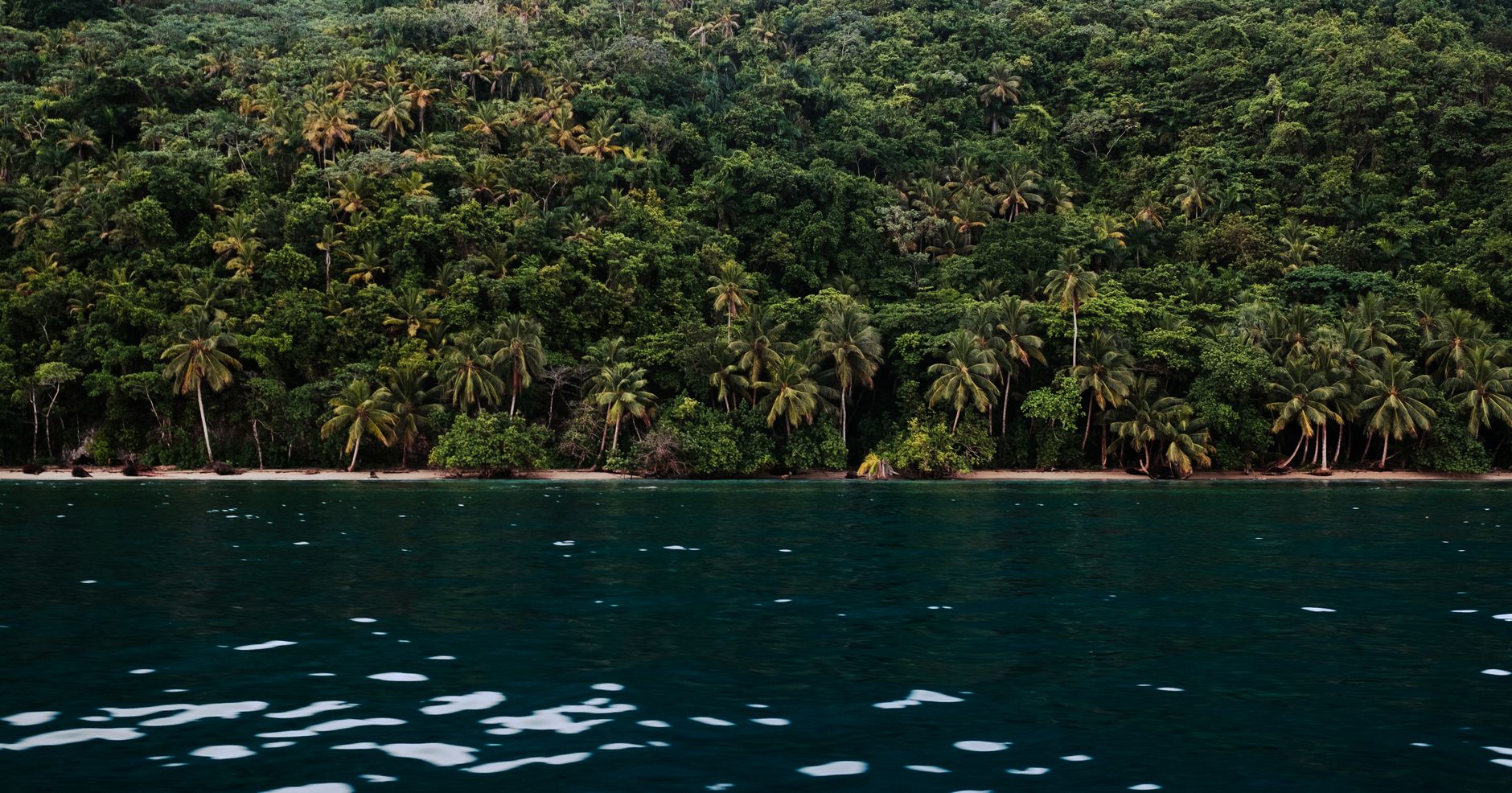
Eastern Madagascar is the island’s rainforest heart — a green, lush, wildlife-rich region defined by the indri, the largest living lemur, whose haunting, whale-like call echoes through the forests of Andasibe-Mantadia, the most accessible wildlife park in the country. Beyond Andasibe lie the lagoons and waterways of the Pangalanes Canal, the wild rainforest peninsula of Masoala, the port city of Toamasina, and a coast of beaches, islands, and endless green. If the west is rugged adventure and the north is beaches, the east is wildlife and rainforest — and it offers the easiest route to Madagascar’s famous lemurs from the capital. This guide is your complete overview of the east — the headline destinations, the wildlife, how to get there, when to go, and how to plan a trip that makes the most of it. For the most accessible park, see our Andasibe-Mantadia National Park guide.
The defining character of the east is rainforest and wildlife within easy reach. Andasibe sits just a few hours’ drive from Antananarivo on a paved road, making it the simplest place in Madagascar to experience genuine rainforest and see lemurs — most famously the indri, found nowhere else. Further afield, the Pangalanes offers a gentle, watery world of lagoons and villages, while remote Masoala rewards the dedicated with one of the last great tracts of lowland rainforest on Earth. With the most accessible wildlife in the country and a lush, green beauty all its own, the east suits travellers who put Madagascar’s extraordinary fauna first. The rest of this guide shows you how to do it.
Why Visit Eastern Madagascar
The east is, quite simply, the easiest place in Madagascar to experience the island’s world-famous wildlife — and that accessibility, combined with genuine rainforest richness, is its great draw. Andasibe-Mantadia, the region’s flagship, lies only three to four hours from Antananarivo by paved road, so you can be standing in primeval rainforest, listening to the indri’s extraordinary call, on the very first day of a Madagascar trip. No other region delivers the country’s headline wildlife so quickly and so reliably, which is why Andasibe is the single most-visited park in Madagascar and the east the natural starting point for wildlife travellers.
But the east is far more than one accessible park. It is the island’s wettest, greenest region, cloaked in rainforest from the highlands down to the Indian Ocean, and that abundance of water and forest sustains an extraordinary density of life. The indri — the largest lemur, the size of a small child, with a song that carries for kilometres — is the region’s emblem, but the forests also hold diademed sifakas, woolly lemurs, dozens of chameleon and frog species, and some of the best birdwatching in the country. For travellers whose priority is Madagascar’s unique fauna, the east is the richest and most reliable hunting ground.
The region also offers a remarkable variety of landscapes and experiences beyond the headline rainforest. The Pangalanes Canal, a chain of natural lagoons and man-made channels running parallel to the coast for hundreds of kilometres, opens a gentle, watery side of the east — boat trips through lily-covered lagoons, lakeside villages, and quiet birdlife. The remote Masoala Peninsula, by contrast, is raw wilderness: a vast national park where rainforest meets the sea, reached only by boat or small plane, and beloved by serious naturalists. And the eastern coast itself — Toamasina, the beaches, and the offshore islands — adds a tropical, maritime dimension to the region’s green interior.
Finally, there is the sheer atmosphere of the eastern rainforest. This is Madagascar at its most primeval and lush — misty mornings alive with the indri’s call, dripping canopies, orchids and ferns, and the constant sense of a forest teeming with hidden life. Walking these forests, by day for sifakas and chameleons and by night for mouse lemurs and sleeping reptiles, is one of the great wildlife experiences anywhere on the planet. For travellers who came to Madagascar above all for its creatures, no region speaks more directly to that desire than the green, wild, wildlife-rich east. And because so much of it is reached without the long flights or rough tracks the other regions demand, it is also the region that asks the least of you in return for so much — a rare combination of richness and ease that makes the east the wildlife traveller’s natural first choice, and often their fondest memory of the whole island.
The Headline Destinations
Andasibe-Mantadia and the indri
Andasibe-Mantadia is the east’s flagship and the most accessible national park in Madagascar — a swathe of montane rainforest just three to four hours from the capital, home to the indri, the largest living lemur, whose haunting, far-carrying call is one of the natural world’s great sounds. The park (actually two protected areas — the smaller, easy Analamazaotra reserve and the wilder Mantadia) also shelters diademed sifakas, woolly lemurs, chameleons, and superb birdlife, all explored on guided day and night walks through lush, dripping forest. For most visitors it is the first and easiest taste of Madagascar’s rainforest wildlife, and an unmissable highlight. Our dedicated Andasibe-Mantadia National Park guide covers it in full, and for the birds specifically, see our Andasibe-Mantadia birding guide.
What makes Andasibe so special is the combination of accessibility and genuine richness. The indri here are habituated to respectful visitors, so sightings are reliable, and hearing a family group call across the forest at dawn is an experience that stays with travellers for life. The nearby village of Andasibe and a cluster of comfortable lodges make an easy base, and the park works beautifully both as a standalone two-day wildlife trip from the capital and as the opening act of a longer eastern or island-wide journey. If you see only one rainforest park in Madagascar, this is the one most people choose — and rightly so. The indri’s call alone justifies the visit: a series of long, rising, almost musical wails, delivered by a whole family group at once, that ripples through the misty forest at dawn and is unlike any other animal sound on Earth. Hearing it for the first time, standing among the dripping trees, is the moment many travellers point to as the start of their love affair with Madagascar’s wildlife.
The Pangalanes Canal
The Pangalanes is one of the east’s most distinctive attractions — a remarkable chain of natural lakes, lagoons, and man-made channels running parallel to the Indian Ocean coast for some 600 kilometres, separated from the sea by a narrow strip of land. Travelling its waters by boat reveals a gentle, watery side of Madagascar: lily-covered lagoons, fishing villages, palm-fringed shores, and quiet birdlife, with small reserves along the way protecting lemurs and endemic plants. It’s a relaxed, scenic counterpoint to the intensity of rainforest trekking, and a window onto a way of life shaped by the water. For everything the canal offers, see our Pangalanes Canal complete guide.
The Pangalanes appeals to travellers who want to experience the east at a slower, gentler pace, gliding through the lagoons rather than hiking the forests. Boat trips range from short excursions to multi-day journeys with stops at lakeside lodges and villages, and the birdlife, the water lilies, and the small wildlife reserves make for a peaceful, atmospheric experience. It pairs naturally with a rainforest visit, balancing the active wildlife trekking of Andasibe with the restful waterborne calm of the canal, and it adds a dimension to an eastern trip that no other region of Madagascar can match — a chance to slow right down and watch the country drift past from the water.
Masoala — the wild rainforest
For the dedicated, the Masoala Peninsula in the northeast is the wildest and most remote of the east’s treasures — a vast national park, the largest protected area in Madagascar, where lowland rainforest tumbles right down to the sea. Reached only by boat or small plane, Masoala is raw wilderness: red ruffed lemurs, rare birds, the bizarre tomato frog, and even marine life offshore, all in a setting of pristine forest and empty beaches. It is not an easy or quick destination, but for serious naturalists and intrepid travellers it is one of the great rainforest experiences on Earth, rewarding the effort to reach it with unparalleled wildness.
Masoala is for travellers who want Madagascar at its wildest and most untouched, and who don’t mind the effort and expense of reaching a genuinely remote place. The combination of rainforest and ocean — where you can watch lemurs in the morning and snorkel a reef in the afternoon — is rare and special, and the sense of being deep in one of the planet’s last great wildernesses is profound. It pairs well with the more accessible eastern highlights for travellers who want both the easy wildlife of Andasibe and the wild remoteness of Masoala, though it demands more time and budget than the rest of the region. Think of Masoala as the east’s reward for the committed: not a place to squeeze into a short trip, but a destination to build several days around, reached deliberately and savoured slowly. For those who do make the journey, it offers a sense of true wilderness — forest, mountain, and reef untouched and barely visited — that almost nowhere else in Madagascar can still match.
Toamasina and the eastern coast
Toamasina (Tamatave), Madagascar’s main port, anchors the eastern coast — a busy, tropical city that serves as a gateway to the coast, the Pangalanes, and the route north. The eastern coast itself is lush and maritime, fringed with beaches and backed by rainforest, with the offshore island of Île Sainte-Marie — famous for its whale-watching and pirate history — lying just off the coast to the northeast. While the coast is less of a polished beach destination than the north’s Nosy Be, it offers an authentic, green, tropical character and serves as the maritime edge of the rainforest region. For the whale island specifically, see our Sainte-Marie whale-watching guide.
The eastern coast rounds out the region with its tropical, oceanic side, complementing the rainforest interior. Toamasina is more a practical hub than a destination in itself, but it connects the canal, the coast road, and the route to the wilder northeast, and the coast’s beaches and the proximity of Sainte-Marie give the east a maritime dimension. For travellers combining rainforest wildlife with a taste of the coast, the eastern shore — and especially a hop to Sainte-Marie for the seasonal whales — makes a natural complement to the green interior.
Wildlife of the East
The east is one of Madagascar’s premier wildlife regions, and for accessible rainforest fauna it has no equal. The undisputed star is the indri — the largest lemur, roughly the size of a small child, instantly recognisable by its black-and-white coat and stubby tail, and unforgettable for its loud, eerie, song-like call that carries for kilometres through the forest. Andasibe is the place to see and hear it, and the experience ranks among the great wildlife encounters anywhere. Alongside the indri, the eastern forests hold diademed sifakas, woolly lemurs, brown lemurs, and, on night walks, mouse lemurs and the tiny, nocturnal creatures that emerge after dark.
Beyond the lemurs, the east teems with smaller endemic life. Its chameleons range from the substantial Parson’s chameleon — one of the world’s largest — to tiny leaf chameleons, and the damp forests are rich in frogs, geckos, and snakes (all harmless to humans). The region is also among the best in Madagascar for birdwatching, with ground-rollers, couas, vangas, and a host of endemics drawing birders from around the world; our Andasibe-Mantadia birding guide covers the avifauna in detail. And in remote Masoala, the rarer red ruffed lemur and an even wilder cast of creatures await those who make the journey. For the full national-park picture across the island, see our best Madagascar national parks guide.
The accessibility of this wildlife is the east’s defining advantage. Where the west’s baobabs and the far north’s reserves require long drives or flights, the east’s flagship wildlife is a half-day from the capital, making it ideal for travellers short on time or wanting Madagascar’s fauna without the logistical effort. You can fly into Antananarivo, drive to Andasibe, and be watching indri the next morning — an immediacy no other region offers. For the wildlife-focused traveller, this combination of richness and reach makes the east the natural heart of any Madagascar wildlife trip. It also means the east suits travellers of every level: a first-timer can see and hear the indri on an easy, well-guided day walk, while a seasoned naturalist can press deeper into Mantadia or on to Masoala for the rarer species. Few regions anywhere reward both the casual visitor and the obsessive lister so generously, and that breadth of appeal is a large part of why the east anchors so many Madagascar itineraries.
Things to Do in the East
Beyond the headline rainforest, the east offers a range of experiences that make it more than a single-park destination. This is the appeal of the region: alongside the lemurs, you have the waterways of the Pangalanes, the wild remoteness of Masoala, the coast, and a lush, green beauty throughout. The options run from easy and gentle to genuinely adventurous, so you can shape the trip to your own pace and interests:
- Day and night walks at Andasibe-Mantadia, for the indri, sifakas, chameleons, and nocturnal creatures — the east’s signature experience.
- Boat trips on the Pangalanes Canal, gliding through lagoons and villages, with birdlife and small wildlife reserves along the way.
- Rainforest-and-reef at Masoala, for the intrepid — wild lemurs, rare birds, and snorkelling, deep in one of Earth’s last great wildernesses.
- Birdwatching across the eastern forests, among the richest in Madagascar — see our birding guide.
- A hop to Île Sainte-Marie for the seasonal humpback whales (July–September) and the island’s relaxed, historic charm.
- Lemur encounters at private reserves like Vakôna near Andasibe, where lemurs roam free on forested islands — a gentle, family-friendly add-on.
This variety is the east’s quiet strength: you can build a trip around easy, accessible wildlife, or push deeper into the wild rainforest and coast, mixing forest treks with waterborne calm and a taste of the ocean. It’s why the region suits such a wide range of travellers, from first-timers wanting Madagascar’s lemurs without the long journeys to serious naturalists chasing the rarest species in the remotest forests.
A particular pleasure of the east is how quickly the wildlife rewards you. Within hours of leaving the capital you can be deep in rainforest among the indri, and the region’s compact, accessible core means you spend less time travelling and more time with the wildlife than almost anywhere else in Madagascar. For travellers who want to feel they’ve experienced the island’s famous fauna without committing to its longest and roughest journeys, the east delivers more immediately than any other region — and the option to go deeper, to the Pangalanes or Masoala, is always there for those who want it.
How to Get to Eastern Madagascar
The east is reached overland from Antananarivo, which is itself reached by international flight. The flagship, Andasibe, lies three to four hours east of the capital on the paved RN2 — the road that continues to the port city of Toamasina — so it’s an easy drive, usually by private vehicle with a driver-guide. Beyond Andasibe, the Pangalanes is accessed by boat from points along the coast near Toamasina; Île Sainte-Marie is reached by short flight or ferry; and remote Masoala requires a flight to Maroantsetra and then a boat. The accessible core of the east — Andasibe and the route to the coast — is among the easiest travel in Madagascar, while the wilder corners ask more effort. For getting around more broadly, see our road trips and overland routes guide.
The ease of reaching Andasibe is the east’s great practical advantage: the paved RN2 means you can leave the capital after breakfast and be on a rainforest trail by afternoon, with no flights or rough tracks involved. This makes the east ideal for short trips and for travellers wary of Madagascar’s tougher journeys. The Pangalanes, the coast, and Sainte-Marie extend the region for those with more time, and the truly remote Masoala awaits the dedicated. However you structure it, the eastern core offers Madagascar’s quickest route from arrival to genuine wildlife, and a well-planned trip handles the connections to the wilder parts smoothly.
When to Visit the East
The east is Madagascar’s wettest region, and timing matters more here than almost anywhere. The best windows are the drier stretches of September to December and April to May, when rainforest conditions are most comfortable and the trails less sodden. The January to March period brings the heaviest rains and a real cyclone risk on the exposed east coast, and is best avoided for the coast and remote areas, though Andasibe’s wildlife remains active year-round. Crucially, the indri and the rainforest creatures can be seen in any season — the forest is always green and alive — so even outside the driest months a visit rewards, provided you come prepared for rain. For the full regional breakdown, see our Madagascar weather by region guide.
Because the east is rainforest, some rain is part of the experience whenever you visit — and indeed it’s the rain that sustains the extraordinary wildlife. The drier shoulder windows offer the best balance of comfortable conditions and active wildlife, and September to December also brings the orchid blooms and the most pleasant rainforest walking. If a hop to Sainte-Marie for the whales is part of your plan, aim for July to September, the whale season, accepting that this is cooler and can be wetter on the mainland. For help choosing your overall window, see our best time to visit Madagascar guide.
Suggested Eastern Itineraries
The Andasibe wildlife trip (2–3 days): Drive from Antananarivo to Andasibe, with day and night walks for the indri, sifakas, and chameleons, perhaps adding the private Vakôna reserve for free-roaming lemurs, before returning to the capital. The easiest, quickest wildlife experience in Madagascar, and a perfect short trip or the opening act of a longer journey. With two or three days you can explore both the easy Analamazaotra reserve and the wilder Mantadia, and fit in the unforgettable night walks.
The eastern rainforest-and-water trip (5–7 days): Combine Andasibe with the Pangalanes Canal — the indri and the rainforest, then boat trips through the lagoons and villages, with the option of the eastern coast or a hop to Sainte-Marie. A richer eastern experience that pairs the active wildlife trekking with the restful waterborne calm of the canal, showcasing the region’s variety.
The combined trip (2+ weeks): Pair the east with another region — most naturally the RN7 south for more rainforest and the canyons of Isalo, or the north for beaches — connected by flights via Antananarivo. This delivers Madagascar’s full range, opening with the easy wildlife of Andasibe. See our national parks guide for combining the great reserves.
The “Andasibe first” structure is especially popular: because the park is so close to the capital and so reliable for wildlife, many trips open here, giving travellers an immediate, confidence-building taste of Madagascar’s lemurs before heading on to other regions. It’s the perfect introduction — easy to reach, rich in wildlife, and unmistakably Madagascar — and it means your trip begins on a high note. For a two-week-plus journey, starting in the east and fanning out to the south or north delivers the best of the island’s wildlife and landscapes.
Practical Tips for an Eastern Trip
Pack for rain. The east is the wettest region; waterproofs, quick-dry clothes, and good footwear with grip are essential in any season, along with a dry bag for cameras.
Do the night walks. Andasibe’s guided night walks reveal mouse lemurs, chameleons, and nocturnal creatures you’d never see by day — an essential, inexpensive add-on to a rainforest visit.
Start early for the indri. The indri call most reliably in the morning, so an early start gives the best chance of hearing their extraordinary song and seeing them active in the canopy.
Allow more time for the wilder corners. Andasibe is quick and easy, but the Pangalanes, Sainte-Marie, and especially Masoala need more days; build in the time rather than rushing.
Mind the cyclone season. Avoid the exposed east coast and remote areas from January to March, when rains and cyclones are at their peak; the wildlife of Andasibe remains visitable, but plan around the weather.
Carry cash. Outside Toamasina and the larger lodges, cards are rarely accepted, so carry enough Malagasy ariary for park fees, guides, tips, and incidentals.
Who Should Visit the East
The east suits travellers who put Madagascar’s wildlife first, especially its lemurs and rainforest fauna, and who value accessibility. If your ideal trip is genuine rainforest wildlife — the indri above all — reached quickly and reliably from the capital, with the option of the Pangalanes’ gentle waterways and the wild remoteness of Masoala, the east is for you. It’s particularly well suited to wildlife enthusiasts, birders, first-time visitors, and travellers short on time who want Madagascar’s famous fauna without the long drives of the west or the flights of the north, and it’s the natural opening to almost any Madagascar wildlife itinerary.
It’s less suited to travellers whose priority is beaches and sun — for those, the north’s Nosy Be delivers far more, though the eastern coast and Sainte-Marie offer a taste — or those seeking the single most iconic landscapes, the baobabs and Tsingy of the west. But for accessible, reliable, rainforest wildlife, no region compares, and the east pairs beautifully with the south or north for travellers who want to combine its wildlife with landscapes or beaches. For anyone who came to Madagascar above all to see lemurs, the east is simply the place to start.
Getting There and Travelling Well in the East
Madagascar is reached by connecting flights via Europe, the Gulf, or Africa, landing at Antananarivo, from which the east is reached overland on the RN2. Book international flights early and protect them on European routes — EU261 entitles you to up to €600 per passenger for long delays, cancellations, and denied boarding. Register your inbound flight for EU261 coverage with AirAdvisor so any eligible claim is handled for you.
Comprehensive travel insurance is essential in the east, covering the rainforest trekking, the boat trips, and the remote travel to places like Masoala. Coverage should include medical emergencies, evacuation, trip cancellation and interruption, and your activities, including hiking on steep, muddy forest trails. SafetyWing Nomad Insurance offers flexible, affordable cover well suited to an eastern wildlife trip. Even the accessible Andasibe is a forest region hours from major hospitals, and the wilder corners far more so, while the wet conditions make slips and trips a real risk — so good insurance is never optional. Confirm your policy covers hiking and remote-area evacuation before you travel; a twisted ankle on a muddy rainforest trail is a minor event with the right cover and a serious one without it.
Carla / Voyagiste Madagascar (plan your eastern trip)
Madagascar-resident specialist who can build an eastern trip around the rainforest, the indri, and the region’s wilder corners. Contact Carla directly to plan a trip timed to the drier windows — a quick Andasibe wildlife trip, a fuller journey with the Pangalanes and the coast, or a combined trip with the south or north — with the vehicle, the driver-guide, the park guides, the lodges, and any flights or boats all handled. Local knowledge ensures you catch the wildlife at its best and reach even the remote corners smoothly.
Frequently Asked Questions
What is eastern Madagascar best for?
Rainforest wildlife, above all the indri — the largest lemur — at Andasibe-Mantadia, the most accessible park in the country. The east also offers the Pangalanes Canal’s waterways, the wild Masoala rainforest, and the eastern coast, making it the natural heart of any Madagascar wildlife trip.
How do I get to eastern Madagascar?
Overland from Antananarivo on the paved RN2 — Andasibe is just three to four hours away, an easy drive usually by private vehicle with a driver-guide. The Pangalanes is reached by boat, Sainte-Marie by flight or ferry, and remote Masoala by flight plus boat.
When is the best time to visit the east?
The drier windows of September–December and April–May are best, as the east is Madagascar’s wettest region. Avoid January–March for the coast and remote areas (cyclone season), though Andasibe’s wildlife is active year-round. See our best time to visit guide.
Where can I see the indri?
At Andasibe-Mantadia, three to four hours east of Antananarivo — the most reliable and accessible place in Madagascar to see and hear the indri, the largest living lemur. See our Andasibe-Mantadia guide.
Is the east good for a first Madagascar trip?
Excellent — Andasibe’s accessibility and reliable wildlife make it the ideal opening to a Madagascar trip, delivering the island’s famous lemurs within hours of the capital, with no flights or rough roads. It pairs naturally with the south or north for a fuller itinerary.
Do I need travel insurance for the east?
Yes — essential, covering rainforest hiking, boat trips, and medical evacuation from forest regions far from major hospitals. Comprehensive coverage is a must; confirm it covers hiking before you go.
🧭 Plan Your Eastern Madagascar Trip With Carla
The indri, the rainforest, the Pangalanes — Madagascar’s most accessible wildlife. Reach out to Carla, our Madagascar-resident specialist, to build an eastern trip with Andasibe, the canal, and the coast all handled, timed to the drier season.
Plan Your Trip to Madagascar
- Read the full Madagascar Travel Guide
- Explore itineraries by style and duration
- Best Tours and Guided Experiences
Where to Stay