Best-Season Madagascar Tour Packages 2026: Timing Your Trip Right
Affiliate disclosure: This article contains sponsored links to hotels, tour operators, insurance providers, and other travel services. We earn a small commission if you book through our links, at no extra cost to you.
Best-Season Madagascar Tour Packages 2026 — At a Glance
- Peak-season package (Jul–Sep): Best weather, whales, wildlife — book 6+ months ahead, premium prices
- Shoulder-season package (Apr–May, Oct–Nov): Excellent conditions, better value, fewer crowds — the best-value choice
- Wet-season package (Dec–Mar): Lowest prices, focus on the drier west — for flexible travellers
- Whale-watching package: Jul–Sep only, built around Île Sainte-Marie — book early
- Wildlife package: Sep–Nov for the lemur births; dry season throughout
- Book ahead: 6+ months for peak, 3–4 for shoulder — the best lodges and guides sell out
- Flight protection: EU261 €600 per passenger on disrupted European inbound flights
- Travel insurance: SafetyWing Nomad Insurance — essential in every season
- Where to stay: Madagascar stays on Agoda
Book your Madagascar tours
Madagascar’s best small-group wildlife, lemur and park tours book out months ahead in peak season (July–October). Browse Madagascar tours & check live availability on GetYourGuide →
🎒 Madagascar Trip Essentials
A few inexpensive items make the biggest difference on the ground in Madagascar:
- Picaridin insect repellent — DEET-free protection against malaria mosquitoes. See on Amazon →
- Permethrin clothing spray — treat clothes; kills mosquitoes on contact for weeks. See on Amazon →
- Pop-up mosquito net — budget lodges rarely provide one; packs down tiny. See on Amazon →
- Water filter bottle — tap water isn’t safe to drink in Madagascar. See on Amazon →
- Universal travel adapter (USB-C) — Madagascar uses European-style plugs. See on Amazon →
- 8×42 binoculars — essential for spotting lemurs and chameleons in the canopy. See on Amazon →
As an Amazon Associate we earn from qualifying purchases.
Timing a Madagascar tour package to the right season is one of the most important decisions you’ll make — it shapes the weather, the wildlife, the crowds, and the price. A package built around the season delivers far more than a trip booked without regard to timing: it puts you in the right region at the right time, captures the seasonal wildlife events, and prices the trip to match demand. This guide explains how Madagascar tour packages vary by season — what each season’s package offers, who it suits, what it costs relative to the others, and how to choose and book the right one — so you get the best possible trip for your dates. We’ll walk through the three seasonal package types, the themed packages built around specific wildlife events, sample season-built itineraries, the common timing mistakes to avoid, and how pricing shifts across the year, so that by the end you can match a package confidently to whatever window you’re travelling in. For the full timing picture, see our best time to visit Madagascar pillar.
The core principle: the best season for your package depends on your priorities, but for most travellers a shoulder-season package (April–May or October–November) delivers the best balance of conditions, wildlife, value, and availability. A peak-season package (July–September) buys the very best weather and the whales at premium prices; a wet-season package (December–March) trades weather for the lowest prices. Whichever you choose, the key is a package designed around that season — and a Madagascar-resident specialist who knows how to build it.
Why does a package handle seasonality better than booking piece by piece yourself? Because the season touches everything at once — which regions are accessible, which wildlife is present, which lodges are open and at what price, how roads and flights are running — and weaving those variables into a coherent trip is exactly what a well-built package does. Book the elements separately and it’s easy to end up in the rainforest during the rains, or to discover the whale lodges sold out, or to pay peak prices for shoulder-season conditions. A season-built package, designed by someone who knows the calendar intimately, removes that risk and quietly optimises the whole trip around the time you’re travelling.
Tour Packages by Season
Peak-season packages (July–September)
Peak-season packages are built around Madagascar’s prime window — the dry, clear weather, the humpback whales off Île Sainte-Marie, and the start of the lemur birth season. They deliver the best conditions and the headline wildlife events of the year, and a well-designed peak package strings together the regions and parks at their absolute best. The trade-offs are price and availability: peak packages cost the most, and the best lodges, guides, and whale-watching operators book out months ahead, so a peak-season package must be secured early — six months or more is wise. For travellers who want the very best of Madagascar and will pay for it, the peak-season package is the premium choice, and worth every effort to book ahead.
A typical peak-season package leans into the headline events: an east-coast leg timed to the whales off Sainte-Marie, the rainforest parks while they’re accessible, and the highlands and south in their crisp, dry winter prime. Because demand is so concentrated in these months, the value of booking through a specialist who has secured lodge and guide allocations well ahead is highest of all in peak season — it can be the difference between the trip you want and a string of compromises. If your heart is set on July, August, or September, treat early booking as the single most important step.
Shoulder-season packages (April–May, October–November)
Shoulder-season packages are, for most travellers, the sweet spot — and the ones we most often recommend. They capture excellent conditions (lush and green in April–May, warm and wildlife-rich in October–November) at prices below the peak, with fewer crowds and easier availability. An October–November package in particular can rival the peak for wildlife, catching the lemur births and excellent birding, while costing less and feeling far less crowded. You sacrifice little — the whales in April–May, some cool weather in November — but gain near-peak quality at better value with more room to breathe. For the best all-round Madagascar package, the shoulder season is hard to beat.
The two shoulder windows suit slightly different trips. An April–May package leans green and lush, ideal for landscapes, photography, and a gentler-priced wildlife trip just after the rains. An October–November package leans warm and wildlife-rich, catching the lemur births, the best birding, and the whale sharks arriving off Nosy Be — arguably the best wildlife value of the entire year. Because availability is easier than the peak, shoulder packages can often be booked three to four months out, and the savings versus August can be redirected into better lodges or a longer trip. For most travellers weighing quality against cost, this is the package we point them towards first.
Wet-season packages (December–March)
Wet-season packages are the budget and specialist choice. With the lowest prices and emptiest parks, they appeal to flexible, experienced travellers willing to work around the rain. A well-designed wet-season package focuses on the drier west and southwest — the baobabs, Tsingy, and Isalo, which stay relatively travellable — and avoids the rain-soaked, cyclone-prone east. It builds in flexibility for weather disruption and sets realistic expectations. For the right traveller, a wet-season package offers green landscapes and low prices with the parks nearly to themselves; for a first visit or a fixed, packed itinerary, the dry or shoulder season is far safer.
The smartest wet-season packages are deliberately loose: fewer fixed bookings, buffer days for weather, and a focus on regions and activities that hold up in the rains. They lean on the west’s baobabs and Tsingy, the comparatively sheltered north, and indoor or flexible experiences that aren’t ruined by a downpour. Priced at the year’s lowest, they can be remarkable value for travellers who genuinely don’t mind the rain and want Madagascar without the crowds. The essential ingredient is honest expectation-setting from the operator — a good specialist will tell you plainly what the wet season can and can’t deliver, rather than selling a dry-season experience at a wet-season date.
Themed Packages Built Around the Seasons
Beyond the broad seasons, the best Madagascar packages are built around the specific seasonal events that make the island special:
Whale-watching packages (July–September): Built around the humpback migration off Île Sainte-Marie, these packages must fall in the narrow whale window and book out early. They combine the whales with the east coast and often the rainforest parks. If whales are your goal, this is the package — and the dates are fixed by nature. Because the whale season coincides with the dry-season peak, these packages are in highest demand and book out earliest of all; the boat operators and Sainte-Marie lodges have limited capacity, so securing a whale package well ahead is essential. August is the most reliable month for sightings. See our whale watching guide for the timing.
Wildlife and lemur packages (September–November): Timed to the lemur birth season and peak wildlife activity, these packages catch the parks at their liveliest, with baby lemurs and excellent birding. The dry season generally is good for wildlife, but spring is the standout. A wildlife package in October or November often delivers the richest sightings of the year at better value than the peak, which is why it’s such a popular choice for serious wildlife travellers and photographers. Our national parks and reserves guide covers where to go.
Beach and diving packages (April–December): Timed to the calm, clear dry-season seas, these packages focus on the north and northwest — Nosy Be and beyond — and hold their window longest of all, well into December. The shoulder edges combine great conditions with better value. A bonus for late-season beach packages is the whale sharks off Nosy Be from around October to December, adding a world-class snorkelling highlight to a sun-and-sea trip. Because the northern coast’s weather window is so long, beach packages offer more date flexibility than wildlife or whale packages — useful if your travel dates are fixed by work or school.
Combination packages: The best Madagascar packages often weave several regions and themes together — highlands, rainforest, west, and coast — sequenced so each is caught at a good time. These are where a specialist’s seasonal knowledge pays off most, building a route that flows with the weather across the whole trip. A two- or three-week combination can pair the whales with the rainforest and the RN7 south, or the baobabs with a beach finish on Nosy Be, with the order chosen so you’re never in the wrong region at the wrong time. The longer and more ambitious the trip, the more the seasonal sequencing matters — and the more a generic, off-the-shelf itinerary risks landing you somewhere at its worst.
Whatever the theme, the principle is the same: the package is built around the calendar of the thing you came to see. That’s why two trips of identical length and budget can deliver wildly different experiences depending on whether they were timed with the season or merely slotted into convenient dates. The seasonal theme is the difference between seeing Madagascar and seeing Madagascar at its best.
Sample Season-Built Itineraries
To show how season shapes a package, here are three illustrative trips, each built around its window:
The peak-season classic (August, ~2 weeks): Begin in the highlands, then east to Andasibe’s rainforest and on to Île Sainte-Marie for the whales at the height of the season, before circling back for the southern RN7 leg through Ranomafana and Isalo. This package captures the single biggest wildlife event of the year alongside prime dry-season conditions — the quintessential Madagascar trip, booked far ahead.
The shoulder-season value trip (October, ~12 days): A dry-season RN7 circuit — highlands, Ranomafana, Isalo, and the southwest — timed to the lemur births and the year’s best wildlife activity, finished with a few days on the coast. Warm, dry, wildlife-rich, and priced below the peak: arguably the best value-to-experience ratio of any Madagascar package.
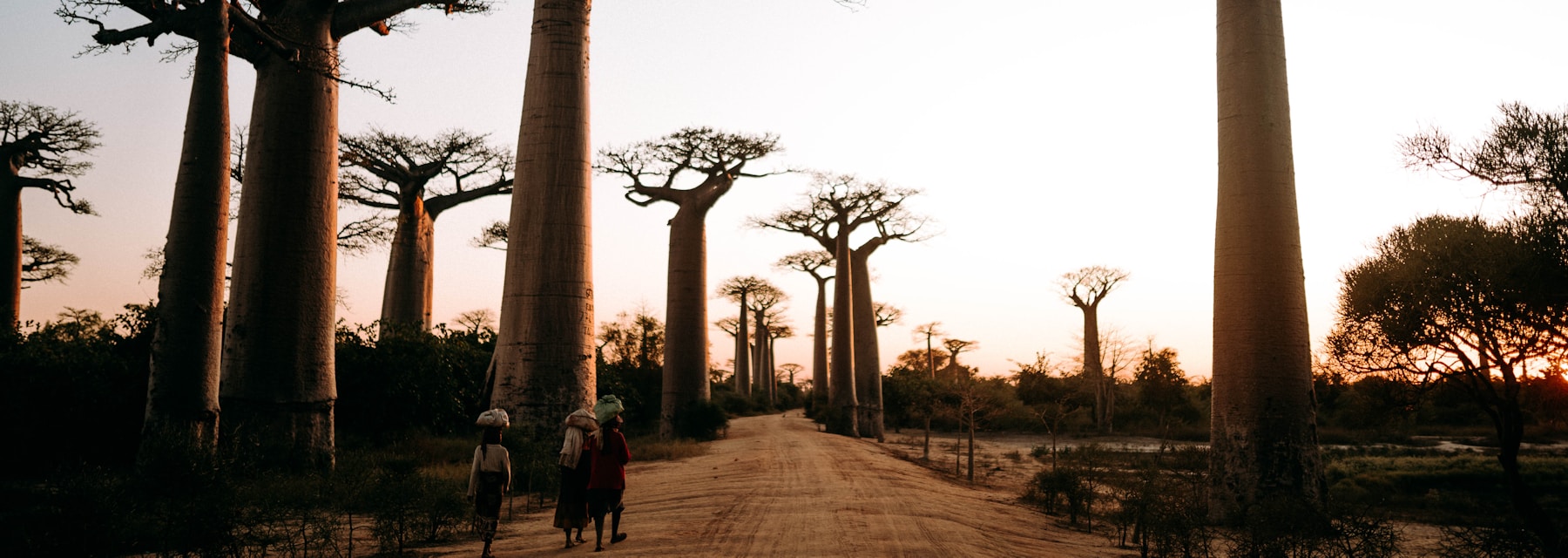
The wet-season western escape (February, flexible ~10 days): A focused western trip — Morondava and the Avenue of the Baobabs, the Tsingy if the tracks allow, and the relatively dry southwest — built loosely with buffer days for weather. Low prices, lush landscapes, near-empty sites, and a deliberate sidestep of the rain-soaked east. For the flexible traveller, a very different but rewarding Madagascar.
Each of these is a starting point, not a fixed product — the art lies in tailoring the route to your exact dates, interests, and the season’s realities, which is precisely what a resident specialist does best.
Common Timing Mistakes When Booking a Package
Booking peak season too late. The single most common and costly mistake. Deciding on August in May usually means the best lodges and guides are gone, leaving a compromised package at premium prices. Peak demands six-plus months of lead time.
Booking a whale package outside the whale window. The humpbacks are only off Sainte-Marie from July to September. A “whale trip” booked for June or October will miss them — confirm the dates before committing.
Ignoring the season when picking regions. A package that sends you to the eastern rainforest in February, or skips the dry west’s accessible window, fights the weather instead of working with it. Region and season must be matched.
Choosing peak by default. Many travellers book July–September simply because it’s the “main” season, paying premium prices when an October or May package would have delivered comparable conditions for less. Weigh the shoulder season seriously.
Under-protecting the trip. A package is a big prepaid sum. Skipping comprehensive insurance, or leaving flights unprotected, exposes that investment to disruption — especially in the wet season. Build protection in from the very start of your planning.
What’s Included in a Season-Built Package
- Transport — vehicle and driver, internal flights where needed, and the transfers between regions, all timed to the season’s conditions
- A guide — wildlife and cultural expertise, plus the local knowledge to make the most of the seasonal events
- Accommodation — pre-booked lodges and hotels, secured ahead (critical in peak season when the best sell out)
- Park and reserve fees for the wildlife stops, timed to when each park is at its best
- Some meals and the logistics handled end to end
- Seasonal highlights — the whales, the lemur births, the calm seas, built into the itinerary at the right moment
The defining value of a season-built package is that it doesn’t just take you to Madagascar — it takes you to the right parts of Madagascar at the right time, capturing the seasonal events and avoiding the seasonal pitfalls. That timing expertise is what separates a great Madagascar trip from a mistimed one. It also means the package adapts to the season rather than forcing a one-size-fits-all itinerary onto every date: a July package and a November package to “see Madagascar’s wildlife” will look quite different in their routing, their stops, and their pacing, each tuned to what that month does best. In peak season the package leans on securing the scarce, in-demand lodges and the whale boats; in the shoulder it can spread a little wider for less; in the wet season it builds in flexibility and weather contingency. The inclusions list may look similar on paper, but how those inclusions are chosen and sequenced is where the seasonal craft lives.
How Package Prices Vary by Season
Madagascar package prices track demand, and demand tracks the seasons. Peak-season packages (July–September) are the most expensive — premium prices for premium conditions and the whales, with the best lodges commanding top rates. Shoulder-season packages cost noticeably less while delivering near-peak conditions, which is exactly why they’re the value sweet spot. Wet-season packages are the cheapest of all, with low-season rates reflecting the weather trade-offs. The price gap between peak and shoulder can be significant across lodges, tours, and flights, so shifting a package from August to October or May can save meaningfully while barely changing the experience. It’s worth understanding what drives the peak premium: it’s not that the trip costs the operator dramatically more in July, but that demand for limited lodge beds and guide availability pushes rates up — which is precisely why moving a few weeks either side of the peak unlocks better value for near-identical conditions. The wet season’s low prices, by contrast, reflect genuinely reduced demand and the weather trade-offs that come with it. For a full breakdown of how cost shifts by season, see our Madagascar trip cost by season guide.
How to Choose and Book the Right Seasonal Package
Start with your priorities. Best weather and whales? Peak. Best value? Shoulder. Lowest price and don’t mind rain? Wet season. The right package follows directly from what you value most, so be honest with yourself about whether conditions, cost, wildlife, or solitude tops your list — that single answer narrows the choice immediately.
Mind the fixed events. If you want the whales (July–September) or the lemur births (September onwards), your package dates are set by nature, not preference. Build the trip around them.
Match region to season. A good package puts you in the right region for your dates — the dry west in a marginal month, the north for its long beach window, the rainforest in the dry season. This is the single most powerful lever for salvaging an awkward travel month: if your dates are fixed and not ideal, the right regional focus can still deliver an excellent trip where a poorly-chosen region would not.
Book early — especially for peak. Peak-season packages need six months or more of lead time; the best lodges and guides sell out. Shoulder packages are usually comfortable three to four months ahead. Beyond securing availability, early booking often locks in better rates and gives a specialist room to negotiate the best lodges and guides on your behalf — late booking narrows the options and raises the price in equal measure.
Protect the trip. Secure international flights early and protect them with EU261 coverage on European routes, and never travel without comprehensive travel insurance — essential in every season and doubly so in the wet months. A package represents a large prepaid commitment, and the few percent that protection costs is trivial against the sum it safeguards; treat it as a non-negotiable line in the budget rather than an optional extra.
Use a specialist. Timing a package well demands local seasonal knowledge. A Madagascar-resident specialist can match your dates to the right regions and events, and build a route that works with the season. They also know the on-the-ground realities that no brochure captures — which lodges are worth the peak premium, which roads the rains close first, which weeks the whales are most reliable — and that accumulated local knowledge is what turns a well-timed package from a good idea into a great trip.
Protecting Your Seasonal Package Investment
A tour package is a significant prepaid investment, and travel insurance protects it in every season. Coverage should include medical emergencies and evacuation (critical given Madagascar’s remoteness), trip cancellation and interruption, and your activities. In the wet season, weather-disruption cover matters all the more. SafetyWing Nomad Insurance offers flexible, affordable cover well suited to a Madagascar trip in any month, and the cost is modest relative to the protection it provides. Booking a package never removes the need for your own insurance — it’s the foundation the whole trip rests on, whatever the season. The operator’s own liability cover is not a substitute for personal travel insurance, and won’t repatriate you or cover a medical bill, so treat your own policy as essential regardless of how comprehensive the package looks.
Carla / Voyagiste Madagascar (build a season-perfect package)
Madagascar-resident specialist who can build a package timed perfectly to your season and priorities. Contact Carla directly — whether you want the whales in August, the baby lemurs in October, the best beach weather, or the best-value shoulder months, she can match your dates to the right regions and events and build the trip around them. It’s exactly the seasonal local knowledge that turns a package into a perfectly-timed trip.
Frequently Asked Questions
What’s the best season for a Madagascar tour package?
For most travellers, a shoulder-season package (April–May or October–November) offers the best balance of conditions, wildlife, value, and availability. The peak (July–September) has the best weather and the whales; the wet season is cheapest but weather-disrupted.
When should I book a peak-season package?
Six months or more ahead. The best lodges, guides, and whale-watching operators for July–September sell out early, so peak packages need plenty of lead time.
Is a shoulder-season package worth it over the peak?
Usually yes — near-peak conditions and wildlife (outstanding in October–November) at lower prices and with fewer crowds, sacrificing only the whales (April–May) or some cool weather (November). For most travellers it’s the smartest package choice of all.
Can I get a good package in the wet season?
Yes, for flexible travellers — a wet-season package focused on the drier west, at low prices and with empty parks. Not ideal for a first visit or a fixed itinerary given the weather risk, but a genuinely rewarding option for the flexible traveller who wants Madagascar green and uncrowded.
How do package prices vary by season?
Highest in the July–September peak, lowest in the wet season, and pleasantly moderate in the shoulder months, where conditions stay strong but prices ease. See our cost by season guide.
Do I need insurance with a package?
Yes — always, in every season. Comprehensive coverage is essential and separate from the package, and matters most in the cyclone-prone wet months.
🧭 Build a Season-Perfect Madagascar Package With Carla
The right timing transforms a package. Reach out to Carla, our Madagascar-resident specialist, to match your dates to the whales, the lemurs, the best weather, or the best value — and build the package around the right season.
Plan Your Trip to Madagascar
- Read the full Madagascar Travel Guide
- Explore itineraries by style and duration
- Explore the full destination guide
Where to Stay