Diving in Madagascar: Best Sites, Season and What to Expect 2026
This post contains affiliate links. We may earn a small commission at no extra cost to you.
At a Glance
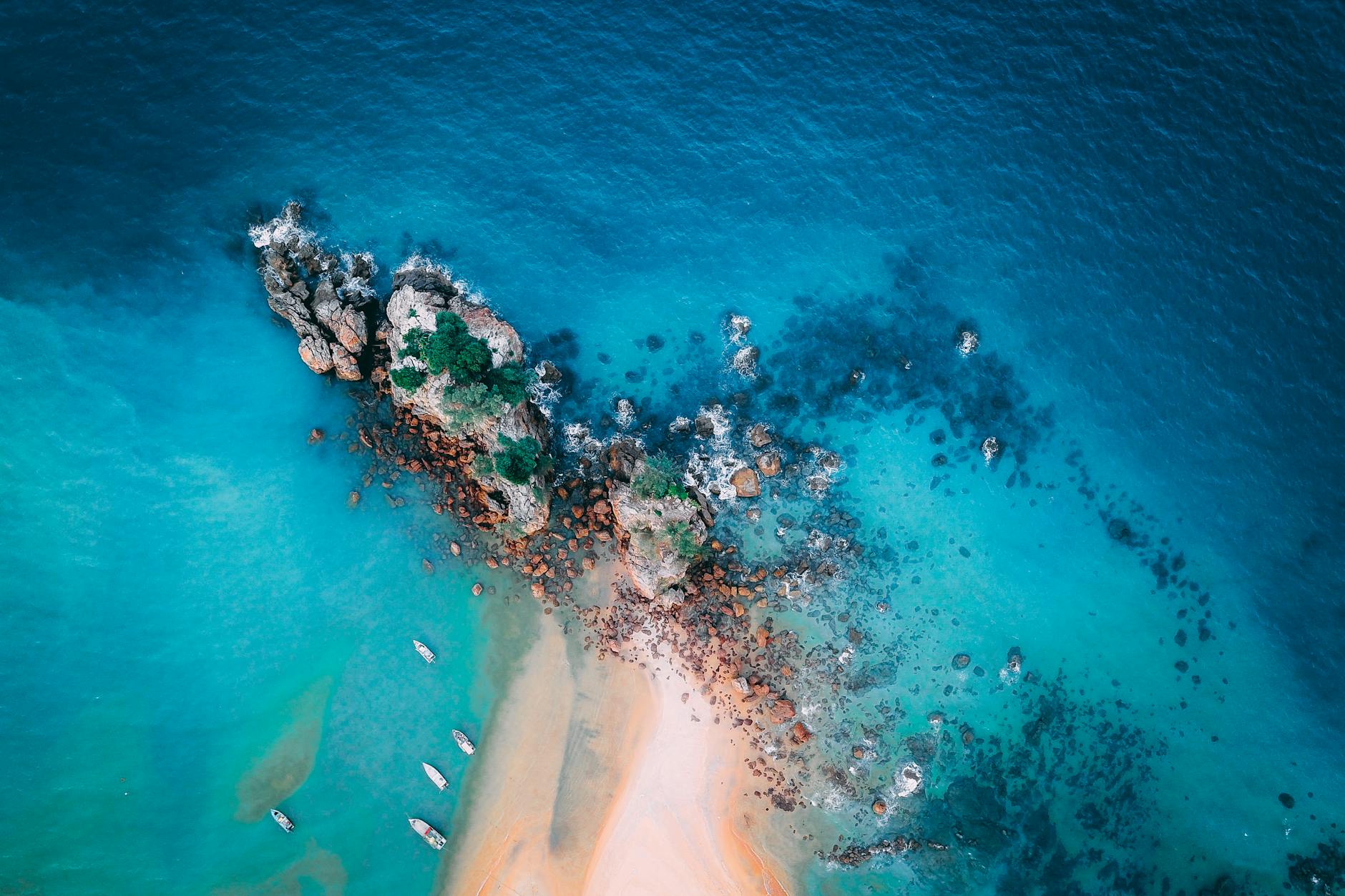
- Best dive destination: Nosy Be (Nosy Tanikely Marine Reserve — protected reef in excellent condition)
- Best season: April–November (dry season, 20–30m visibility)
- Book dive tours: Browse Madagascar diving tours on GetYourGuide
- Book Nosy Be hotels: Check Nosy Be availability on Agoda — peak season books fast
Madagascar’s underwater world is one of the Indian Ocean’s most underrated diving destinations. Protected marine reserves, sparse tourist pressure and exceptional biodiversity — whale sharks, manta rays, reef sharks, humpback whales, sea turtles and more than 500 coral species — make it a serious alternative to the Maldives or Thailand at a fraction of the dive boat crowds. This guide covers where to dive, what you will see, when visibility peaks and how to book the right dive experience for your level.
Essential Gear for Madagascar’s Coastal Activities
Madagascar’s Underwater World Is World-Class — Film It in 5.3K Before It’s Gone
The coral gardens off Nosy Be, the whale sharks of the Mozambique Channel, the humpback whales migrating to Île Sainte-Marie — your phone doesn’t go underwater. The GoPro HERO13 Black shoots 5.3K60 video and is waterproof to 10 metres without any housing. Mount it on your snorkel mask, clip it to your kayak, hand it to your dive guide. Sold directly by Amazon.
Check current price and availability on Amazon →
Madagascar’s UV Index Hits 11+ — Your Skin Needs More Than Sunscreen in the Water
Nosy Be, Île Sainte-Marie, the reefs off Fort Dauphin — spectacular coastal waters under an equatorial sun with UV regularly hitting 11+. Sunscreen washes off within 20 minutes in water. O’Neill’s UPF 50+ long-sleeve rash guard blocks 98% of UV radiation all day, in and out of the water, without reapplication. Stays in place during snorkelling and dives.
Check current price and availability on Amazon →
Snorkelling Madagascar’s Reefs Without UV Protection Is How You Come Home With a Week of Sun Damage
The coral reefs of Nosy Be and Île aux Nattes are some of the most beautiful snorkelling in the Indian Ocean — in direct equatorial sunlight every minute you’re in the water. Hurley’s Women’s UPF 50+ long-sleeve rashguard covers your core, arms, and shoulders with full-spectrum UV protection. Lightweight, fast-drying, designed for real ocean conditions.
Check current price and availability on Amazon →
One Wave, One Pirogue Crossing, One Rain Shower — That’s All It Takes to Lose Your Phone in Madagascar
Madagascar’s water crossings are done in pirogues — narrow dugout canoes with no sides to speak of. One unexpected wave. One overfilled pirogue. One downpour on the RN7 with nowhere to shelter. The JOTO Universal Waterproof Pouch seals your phone in an IPX8-rated case to depths up to 30 metres. Use the touchscreen through the case, take underwater photos. Under $15.
Check current price and availability on Amazon →
Your Camera, Passport, and Valuables Need a Waterproof Shell for Madagascar’s Boat Transfers
Boat transfers to Nosy Komba, dive sites, and the remote beaches of Masoala — waves hit the deck, spray soaks everything unprotected. A wet camera, a soaked passport, or a ruined MacBook is not a one-hour problem in a country where Apple Stores don’t exist. The Earth Pak Dry Bag rolls and clips shut to create a 100% waterproof seal rated to IPX8. NY Times Wirecutter-recommended, 5-year warranty.
Check current price and availability on Amazon →
Plan your Madagascar trip:
Best Dive Sites in Madagascar
Nosy Tanikely Marine Reserve, a 20-minute boat ride from Nosy Be, is the crown jewel of Madagascar diving. This uninhabited island has a fully protected reef that rings its base — coral formations in excellent condition, sea turtles feeding on sea grass, reef sharks patrolling the drop-off and regular whale shark encounters from October through December. Visibility averages 20–30 metres during the dry season. Nosy Be’s surrounding waters offer additional dive sites including the wreck of the Taiyo Maru and the rocky outcrops of Nosy Sakatia, known for seahorses and nudibranchs. Ile Sainte-Marie on the east coast offers shallow dives through coral gardens alongside whale watching opportunities in July–August. Toliara (Tulear) in the south is home to the Grand Recif de Toliara — one of the largest barrier reefs in the world — where advanced divers explore deep walls with significant pelagic action. Read the complete Nosy Be diving guide for site-by-site detail.
Marine Life: What You Will See in Madagascar
Madagascar’s marine biodiversity reflects its position at the convergence of Mozambique Channel and open Indian Ocean currents. Whale sharks appear regularly at Nosy Be and Nosy Tanikely from October to January — typically juveniles of 3–6 metres feeding near the surface on plankton blooms. Manta rays are year-round residents at Nosy Sakatia and the cleaning stations off northern Nosy Be. Green and hawksbill turtles are so habituated to divers at Nosy Tanikely that they feed undisturbed within arm’s reach. Reef sharks — grey and whitetip — are common at all sites. The Grand Recif de Toliara supports large schools of barracuda, Napoleon wrasse and grouper alongside octopus and moray eels in the coral heads. In July–August from a dive boat near Île Sainte-Marie, you may hear humpback whale song through your regulator — an experience unique to this season and location. World Nomads travel insurance covers diving to 40 metres — check your policy specifically covers marine activity before entering the water.
Read also:
Save money on your Madagascar trip:
Dive Season, Visibility and Conditions by Region
Nosy Be has year-round diving but peak conditions from April to November when the dry northwest trade winds produce consistent flat seas and 20–30m visibility. December to March is the cyclone season — dive operators often suspend trips for days at a time. Water temperature is 26–29°C year-round, requiring a 3mm wetsuit at most. Île Sainte-Marie has its best conditions May–November, with south-easterly trade winds keeping the western channel calm. Toliara’s Grand Recif is best dived May–October when the austral winter brings lower wave activity. Currents vary significantly at all sites — beginners should request current briefings from their dive operator before each session. Madagascar’s dive sites remain significantly less crowded than comparable sites in the Maldives or Thailand: most dive boats carry 6–10 divers maximum, and Nosy Tanikely limits daily visitor numbers, protecting the reef quality that makes it worth visiting.
Booking Dive Courses and Day Trips: Costs and Operators
PADI Open Water certification courses are available at dive centres on Nosy Be for $350–450 including all equipment and certification fees. This is one to two days cheaper than equivalent courses in Thailand or the Maldives and the marine environment is comparably spectacular. A single certified dive with equipment rental costs $35–50 at Nosy Be. A 10-dive package drops the per-dive cost to $25–30 for certified divers. Snorkeling-only trips to Nosy Tanikely cost $15–25 per person and are appropriate for non-divers who still want to experience the marine reserve. Liveaboard dive safaris operate around Nosy Be during whale shark season (October–December) and typically run 3–6 days at $150–250 per day all-inclusive. For advance booking and English-language trip confirmation, browse diving and snorkeling tours on GetYourGuide. Getting to Nosy Be requires a flight — domestic connections from Antananarivo often route through other hubs: check your EU flight delay compensation eligibility via AirAdvisor if you experience a connection problem.
Ready to book your Madagascar trip?
Frequently Asked Questions
Is Madagascar good for diving?
Yes — Madagascar is an underrated dive destination with excellent marine biodiversity, minimal tourist pressure and well-preserved reefs. Nosy Tanikely Marine Reserve near Nosy Be is the standout site: protected coral in exceptional condition, sea turtles, reef sharks and seasonal whale sharks. Visibility reaches 20–30 metres in the dry season (April–November).
Do I need to be a certified diver to dive in Madagascar?
Certification is required for independent diving. PADI Open Water courses are available on Nosy Be for $350–450. Non-certified visitors can do an introductory ‘Discover Scuba’ session supervised by a divemaster for $50–70, which allows shallow diving to 12 metres. Snorkeling tours to marine reserves like Nosy Tanikely are available for all levels at $15–25 per person.
When is the best time to dive in Madagascar?
April to November is the best dive season at Nosy Be — dry season flat seas and 20–30m visibility. October to December is specifically the best window for whale shark encounters. Île Sainte-Marie dives best May–November. Toliara’s Grand Recif is optimal May–October. Avoid December–March at any site if possible: cyclone season significantly disrupts sea conditions.
Madagascar diving rewards those willing to travel beyond the obvious Indian Ocean destinations. The reef quality at Nosy Tanikely, the whale shark density in October, the surreal experience of hearing humpback song through a regulator off Île Sainte-Marie — these are experiences that the mainstream dive circuit cannot replicate. Choose Nosy Be as your base, book 3–4 days of diving minimum, and allow flexibility for sea conditions. World Nomads covers diving to 40 metres and is the recommended insurance for any underwater activity in Madagascar — get a quote before you travel.
Plan Your Trip to Madagascar
- Read the full Madagascar Travel Guide
- Explore itineraries by style and duration
- Explore the full destination guide
Where to Stay
Hotels, lodges, and tours fill fast for July–September — compare availability now.