Indri Lemur Trek Andasibe: Morning vs Afternoon Walks Compared
This post contains affiliate links. We may earn a small commission at no extra cost to you.
Essential Trekking Gear for Madagascar
Tsingy, Marojejy, Andringitra — Madagascar’s Hardest Treks Demand Proper Poles
The Tsingy needle-field requires scrambling over razor-sharp limestone. Marojejy’s Camp 3 gains 1,700 metres on muddy, root-tangled trail. Andringitra’s Pic Boby is a 4-hour vertical slog. Cascade Mountain Tech Carbon Fiber Poles are ultralight (under 500g per pair), quick-lock adjustable, sold directly by Amazon at a fraction of the cost of Black Diamond or Leki equivalents.
Check current price and availability on Amazon →
The Lightest Safe Water System on the Market — Built for Madagascar’s Remote Trek Circuits
Carrying a Grayl GeoPress on a 7-day wilderness circuit adds nearly 500 grams to your pack — every gram matters at 1,700 metres of elevation. But streams in Madagascar’s national parks are not safe to drink untreated. The Sawyer SP129 Squeeze weighs just 85 grams and filters 100,000 gallons down to 0.1 microns — removing 99.99999% of bacteria and protozoa. Sold directly by Amazon.
Check current price and availability on Amazon →
The Invisible Barrier That Keeps Malaria Mosquitoes Off Your Clothes
Your repellent only protects exposed skin — but in Madagascar’s humid evenings, mosquitoes bite through thin fabric. Sawyer Permethrin bonds to fabric fibres and kills mosquitoes on contact for up to 6 weeks and 6 washes. Treat your shirts, pants, socks, and tent before you fly — by the time you land in Antananarivo, the protection is already active.
Check current price and availability on Amazon →
Madagascar’s Rainforest Trails Are Infested With Leeches — These Keep Them Out of Your Boots
Andasibe-Mantadia, Ranomafana, Marojejy — Madagascar’s rainforest trails are where leeches thrive. They drop from leaves, emerge from wet soil, and find the gap between your sock and boot in minutes. You don’t feel them until you look down and see blood. Pike Trail Adjustable Leg Gaiters seal that gap physically, blocking leeches, mud, and water. Lightweight, waterproof, 3,600+ Amazon reviews.
Check current price and availability on Amazon →
Madagascar Goes Completely Dark After Sunset — Don’t Navigate It Blind
Outside of Antananarivo’s main streets, Madagascar has virtually no street lighting. Wildlife walks in Ankarana, night lemur spotting in Ranomafana, the path to your bungalow — all navigated in total darkness. The Black Diamond Spot 400-R delivers 400 lumens with a 100-metre beam, USB-C rechargeable, IPX8 waterproof, with red night-vision mode for wildlife observation without disturbing animals.
Check current price and availability on Amazon →
No Grid, No Problem — Charge Your Devices From the Sun in Madagascar’s Remote Parks
Marojejy. Andringitra. Tsingy de Bemaraha. Madagascar’s most spectacular parks are its most isolated — no power outlets, no phone signal. A 3-day wilderness circuit means running on whatever charge you left camp with. The BLAVOR Solar Power Bank pairs 10,000mAh with a fold-out solar panel that recharges itself from sunlight as you trek.
Check current price and availability on Amazon →
You’re Flying 10,000km to See Lemurs, Chameleons, and Fossa — Don’t Document It With a Phone Camera
Indri lemurs calling across the canopy of Andasibe. Panther chameleons in electric blue and orange. The fossa spotted on a night walk in Kirindy. A smartphone sensor in low rainforest light produces grainy, blurred images. The Sony a6400 with Real-Time Eye Autofocus locks onto animal eyes instantly — even through undergrowth and low light. APS-C sensor, 4K video, flip-up touchscreen.
Check current price and availability on Amazon →
Madagascar Has Over 100 Species of Lemur and 280 Species of Bird — You’ll Miss Most of Them Without Binoculars
Sifaka lemurs leap between canopy trees 30 metres up. The Madagascar fish eagle perches on a branch 200 metres across a lake. Without binoculars, you’re looking at distant shapes and taking your guide’s word for it. The Vortex Diamondback HD 10×42 delivers HD optical clarity with edge-to-edge sharpness. Waterproof, fog-proof, backed by Vortex’s unconditional lifetime warranty.
Check current price and availability on Amazon →
At a Glance
- Location: Andasibe-Mantadia NP, 150 km east of Antananarivo on RN2 (2.5–3 hr drive)
- Park entry: 55,000 MGA/day (adult, foreign nationals)
- Morning treks: 07:00–10:00 (peak Indri call frequency, highest sighting probability)
- Afternoon treks: 14:00–17:00 (fewer groups, different species active)
- Car rental for RN2: Book with Carla
- Accommodation near Andasibe: Hotels via Agoda
- Travel insurance: SafetyWing
The indri (Indri indri) — standing up to 70 cm tall, the largest living lemur — is found exclusively in Madagascar’s eastern rainforests. Andasibe-Mantadia National Park remains the most reliable site for guaranteed sightings, and the choice between morning and afternoon circuits changes not only your sighting odds but the entire character of the forest experience.
Morning Treks 07:00–10:00: Indri Calls and Peak Activity
Indri territorial calls typically begin between 06:30 and 09:00, with the strongest chorus in the first two hours after dawn. The call — a haunting, wailing sequence audible up to 3 km through the forest — is the primary tool guides use to locate family groups before first visual contact. Morning circuit groups depart the park entrance at 07:00 sharp; arriving late costs you the calling window that makes guiding possible.
Forest conditions in the morning are optimal: temperatures between 18–22°C, low canopy wind, and residual dew amplifying sound propagation through the trees. Indri are most active during feeding periods immediately after dawn — moving between fruiting trees, which brings them lower in the canopy and into clearer sighting lines. Most published sighting reports placing Indri within 10 metres of a trail occur during the 07:00–09:30 window.
The park entrance gates open at 06:45. Driving from Antananarivo with a Carla rental gives you full schedule control — depart by 04:00 to arrive at the gate before the assigned guide allocation fills with larger groups.
Afternoon Treks 14:00–17:00: Lower Crowds and Different Sightings
After midday, most large tour groups complete their circuits and leave the park. The afternoon window — 14:00 to 17:00 — offers genuine solitude on trails that were crowded four hours earlier. Indri call frequency drops significantly after 10:00, making afternoon guide work more dependent on visual tracking than acoustic positioning. Sighting probability for Indri remains reasonable but is noticeably lower than the morning window.
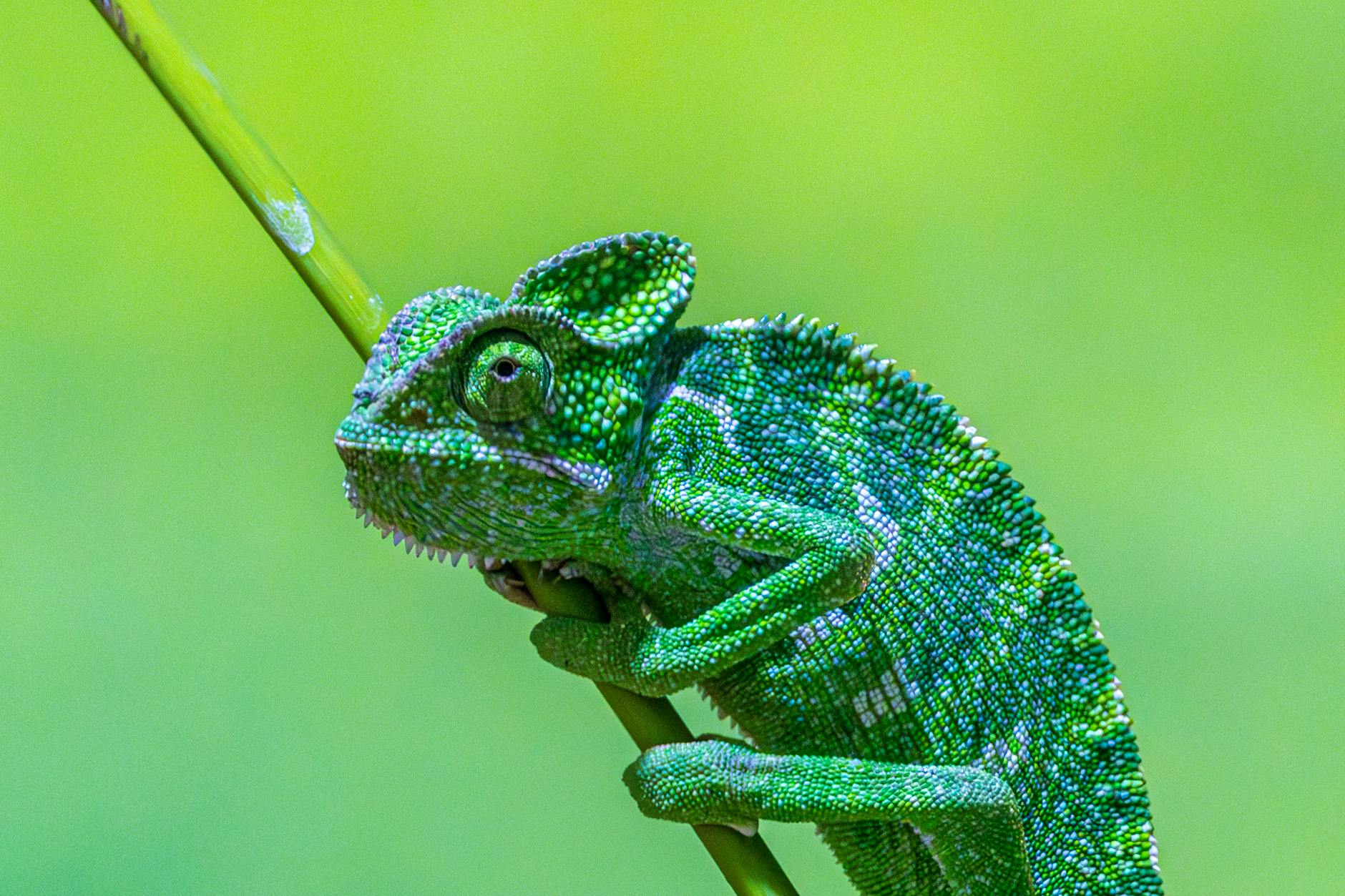
What the afternoon lacks in Indri acoustic encounters it compensates with different species activity. Brown mouse lemurs (Microcebus rufus) emerge from tree holes in the late afternoon; chameleons are more visible when basking on open branches before dusk; Madagascar tree boas and leaf-tailed geckos show up on evening walks beginning at 18:00. Diademed sifaka (Propithecus diadema) tend to feed in mid-to-upper canopy during the afternoon heat, making them easier to spot against backlit foliage.
The afternoon circuit also pairs naturally with a nocturnal walk at 18:00–20:00 (additional 20,000 MGA fee), which is where mouse lemurs, woolly lemurs, and fork-marked lemurs are encountered. Book accommodation through Agoda and stay overnight at Andasibe Hotel or Mikalo to make the nocturnal walk a practical option.
Booking Your Guide and Maximising Sighting Rates
Park entry (55,000 MGA/day) includes an assigned park guide from the ranger station at the entrance to Andasibe village. These park rangers are knowledgeable about trail conditions and have radio contact with other guide groups in the park. For visitors specifically targeting high Indri sighting rates, hiring an additional private specialist guide (30,000–50,000 MGA) alongside the assigned park guide significantly improves outcomes — private guides maintain personal territory knowledge of where specific Indri family groups range.
Trail selection matters: Circuit 1 (2 km, ~2 hours) covers the most consistently productive Indri territory and should be the default choice for morning visits. Circuit 2 (4 km, ~3 hours) extends into higher-elevation forest with denser bamboo lemur habitat. The Mantadia extension (separate entry required, 35 km north by road) adds diademed sifaka and substantially richer bird diversity for visitors who can afford a full day.
Do not attempt self-guided trekking — it is prohibited, and Indri are significantly more likely to descend when accompanied by a guide who knows their acoustic range. Park staff will turn unaccompanied visitors back at the first trail junction.
Getting to Andasibe from Antananarivo
Andasibe sits 150 km east of Antananarivo on RN2 — a fully asphalted national road in generally good condition as of 2026. Drive time varies between 2.5 and 3 hours depending on traffic in Antananarivo’s eastern suburbs, which build significantly after 06:30. For morning circuit access, depart the capital no later than 04:00. Afternoon-only visitors can leave by 10:00 and arrive comfortably before the 14:00 departure window.
Booking a rental car through Carla is the most practical option for independent travellers — private hire drivers charge 150,000–200,000 MGA per day but may push for shorter park time to return before dark. Public taxi-brousse to Andasibe departs from Fasan’ny Karana station in Antananarivo (8,000 MGA, 3–4 hours). The bus option is viable for budget travellers but makes the morning circuit nearly impossible given uncertain departure times.
Staying overnight at Andasibe — Andasibe Hotel, Mikalo Hotel, or Vakona Forest Lodge — is the single best decision for maximising park access. It removes the transport constraint entirely and allows consecutive morning circuits across two days.
Frequently Asked Questions
What time do Indri usually call at Andasibe?
Indri territorial calls typically begin between 06:30 and 09:00, with the strongest multi-family chorus in the first two hours after dawn. This is the primary reason morning treks have higher sighting rates — guides locate family groups by tracking call direction from the trail network before approaching on foot.
Is a guide mandatory at Andasibe-Mantadia?
Yes. Independent trekking inside Andasibe-Mantadia National Park is not permitted. A park-assigned guide is included in the 55,000 MGA entry fee. You may also hire an additional private specialist guide for 30,000–50,000 MGA — this significantly improves sighting rates, particularly for nocturnal species on evening walks.
How long are the typical trails at Andasibe?
Circuit 1 covers approximately 2 km and takes around 2 hours. Circuit 2 covers 4 km and takes approximately 3 hours. Both circuits reliably produce Indri sightings. The full Mantadia sector connection adds a 6-hour option with higher diademed sifaka probability and requires a separate entry fee and transport to the Mantadia entrance 35 km north.
Can Andasibe be done as a day trip from Antananarivo?
Yes, but it is a long day. Allow 2.5–3 hours each way on RN2, plus 3–4 hours in the park. For the morning circuit, depart Antananarivo no later than 04:00. Many visitors prefer staying overnight at Andasibe Hotel or Mikalo Hotel to maximise park time and eliminate the 05:30-plus return drive after a full trekking day.
Andasibe-Mantadia rewards visitors who treat it as an overnight commitment rather than a rushed day trip. Book your accommodation through Agoda and rent your car in advance through Carla to secure the 04:00 departure without stress. Before leaving Antananarivo, activate SafetyWing Nomad Insurance — the forest trails at Andasibe involve uneven terrain in wet conditions, and medical evacuation from the Andasibe area to Antananarivo costs $15,000–$30,000 before any regional transfer. Trekkers combining Andasibe with Mantadia or Ranomafana multi-day circuits should add World Nomads coverage for the extended backcountry access those parks involve. Get SafetyWing before your flight to Madagascar — coverage starts from your home airport.
Flight delayed or cancelled? Flights to Madagascar often connect through Paris or Nairobi. EU regulation EC 261 may entitle you to up to €600 in compensation. Check your claim free on AirAdvisor →
Plan Your Trip to Madagascar
- Read the full Madagascar Travel Guide
- Explore itineraries by style and duration
- Explore the full destination guide
Where to Stay