2-Week Madagascar Itinerary: Best 14-Day First-Timer Route 2026
This post contains affiliate links. We may earn a small commission at no extra cost to you.
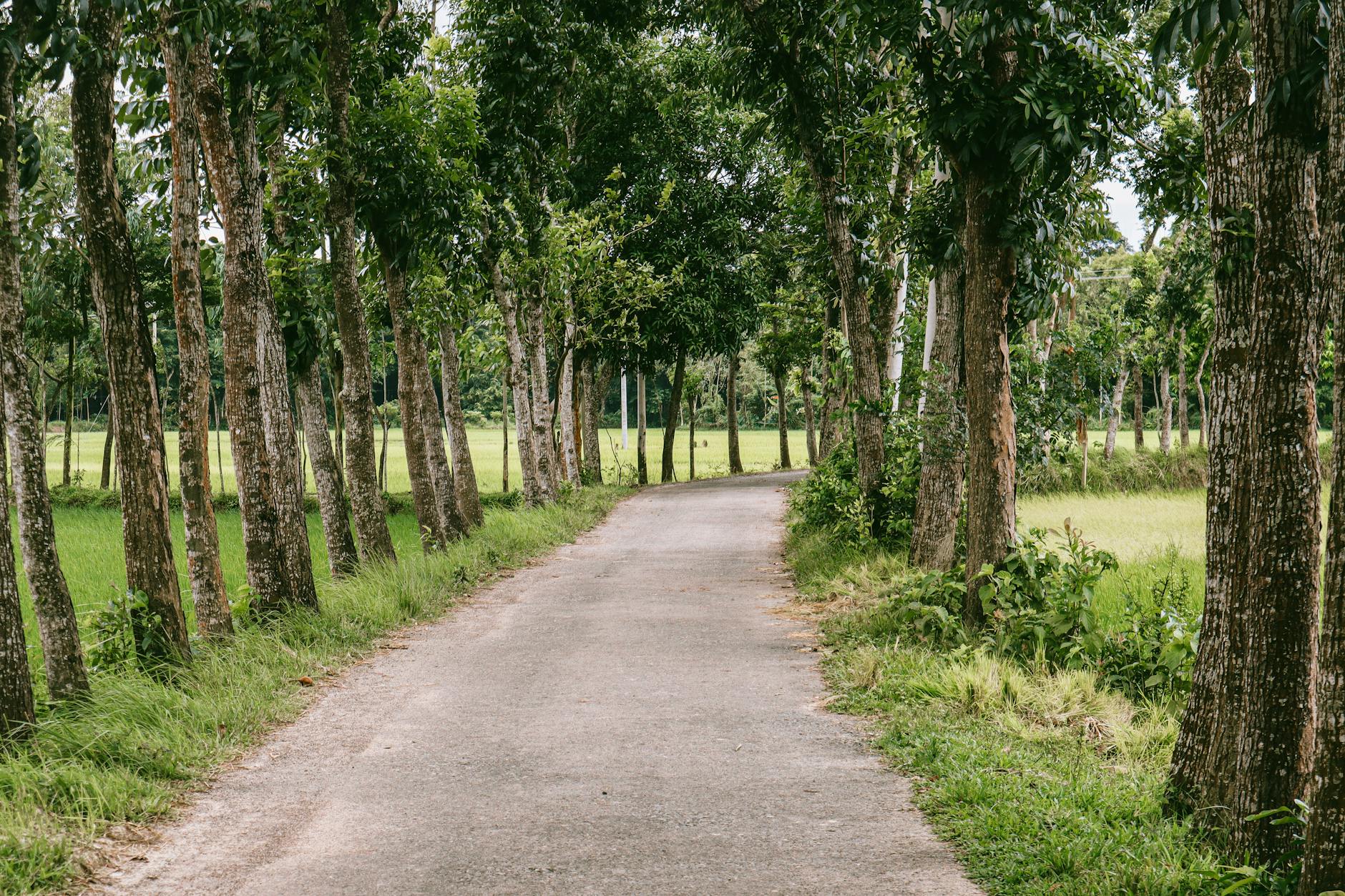
Two weeks is the ideal amount of time for a first trip to Madagascar. It gives you enough days to experience the island’s incredible wildlife, reach a beach destination, and avoid the exhaustion of constant travel. This 14-day itinerary is designed specifically for first-timers — balancing ease of travel with genuine immersion in what makes Madagascar extraordinary. You will see Indri lemurs, snorkel above coral reefs, eat street food in Antananarivo, and watch the sun set over the Indian Ocean. This is not a rushed highlights tour. It is a pace-sensitive route that leaves room for delays, spontaneity, and the unexpected encounters that define travel in Madagascar.
Essential Travel Gear for Your Madagascar Trip
Madagascar’s Power Cuts Will Kill Your Phone — Here’s 4 Full Charges of Insurance
Délestage — Madagascar’s rolling blackouts — can last 8 to 14 hours a day. Your navigation app, offline maps, and boarding pass for tomorrow’s Tsaradia flight will all be dead. The Anker PowerCore 20,000mAh gives 4 full phone charges with fast USB-C delivery. Charge it during the hotel’s morning power window and you’re covered all day.
Check current price and availability on Amazon →
Madagascar Uses European Plugs Only — Your North American Charger Won’t Work Without This
Madagascar runs on Type C and E/F European plugs, 220V. North American plugs don’t fit. The TESSAN European adapter accepts North American plugs and adds 2 USB ports, so you can charge your phone and power bank simultaneously from a single outlet. Compact, grounded — one of those items that’s obvious in hindsight and impossible to find when you need it.
Check current price and availability on Amazon →
One Adapter for Every Country on Your Madagascar Journey — Including Stopovers in Paris or Réunion
Many travellers reach Madagascar via Paris CDG or Réunion — and face a different outlet at each stop. The GaN Universal Adapter covers all outlet types worldwide with USB-C PD fast charging — one device, 4 ports, every country. GaN technology runs cooler and charges faster than standard adapters.
Check current price and availability on Amazon →
Tsaradia Domestic Flights Have a 15kg Bag Limit — And They Enforce It at the Gate
Getting between Madagascar’s national parks requires domestic flights on Tsaradia — and the 15kg checked baggage limit is strictly enforced at even remote airstrips. The Etekcity Digital Luggage Scale gives an accurate reading in 2 seconds, handles up to 50kg, and fits in any pocket. Weigh your bag the night before every domestic flight. Under $15, sold directly by Amazon.
Check current price and availability on Amazon →
Stop Losing Cables and Adapters in Your Bag Across Madagascar’s 10-Stop Itinerary
A multi-park Madagascar itinerary means packing and unpacking 10 to 15 times. USB-C cables, adapters, SD cards, earphones — every one ends up tangled at the bottom of your bag and easy to leave at a remote guesthouse. The BAGSMART Tech Organizer gives every cable and adapter its own slot. Open flat, find what you need in 5 seconds.
Check current price and availability on Amazon →
Plan your Madagascar trip:
- Browse Madagascar tours and experiences (GetYourGuide)
- Get travel insurance for Madagascar (SafetyWing)
- World Nomads — covers adventure activities: trekking, diving, motorbikes. Compare both.
At a Glance: 14-Day Madagascar Overview
At a Glance
- Duration: 14 days / 13 nights
- Best months: April–November (dry season)
- Difficulty: Moderate — some long travel days
- Budget estimate: €1,800–€3,500 per person (excluding flights)
- Highlights: Indri lemurs at Andasibe, Nosy Be beaches, Antananarivo city
- Book tours in advance: Browse Madagascar tours on GetYourGuide
This route covers three distinct zones of Madagascar: the capital Antananarivo, the eastern rainforest around Andasibe, and the northern island paradise of Nosy Be. Each zone offers a radically different experience — urban energy, jungle immersion, and tropical relaxation — making this a genuinely varied two-week journey. Read our full guide to the best time to visit Madagascar before you book.
Your 14-Day Madagascar Itinerary: Day by Day
Days 1–2: Antananarivo — Arrival and City Exploration
Fly into Ivato International Airport (TNR) and transfer to your hotel in the city centre or Haute-Ville. Day 1 is for recovery: explore the Zoma market area, eat a plate of romazava at a local restaurant, and walk the stepped streets of the old town. Day 2: visit the Rova of Antananarivo (Queen’s Palace) for panoramic views, then explore the Analakely covered market. In the afternoon, visit Parc Tsimbazaza to see captive lemurs and baobabs before your flight east the next morning.
Days 3–5: Andasibe — Indri Lemurs and Rainforest
Take an early taxi-brousse or private transfer east (3 hours) to Andasibe-Mantadia National Park. This is the single best first wildlife stop in Madagascar. The Indri — the world’s largest living lemur — sings every morning at dawn. Book a park guide on arrival for a morning trek (1.5–3 hours). Day 4: add a night walk inside the special reserve to see mouse lemurs, chameleons and sleeping birds. Day 5: morning Indri trek, then depart for Tana to catch your evening domestic flight north. Book an Andasibe guided wildlife tour here.
Days 6–9: Nosy Be — Beach, Diving and Island Hopping
Fly from Antananarivo to Fascene Airport (NOS), Nosy Be (about 1.5 hours). Days 6–9 are your beach reset. Base yourself in Ambatoloaka or Hell-Ville. Day 7: take a boat tour to Nosy Komba (village life, black lemurs) and Nosy Tanikely Marine Reserve (snorkelling above pristine coral). Day 8: scuba dive or snorkel at Sakatia Island or Mitsio (advanced divers). Day 9: rest day — spa, local restaurant, sunset cruise. See our guide to things to do in Nosy Be for the full list.
Days 10–12: Nosy Be Extended — Dolphin Watching and Local Life
Days 10–12 give you time to go deeper. Rent a scooter and circle the island (40km, 3–4 hours). Stop at Madirokely Beach for lunch. Visit the Ylang-Ylang distillery in the interior. On Day 11, take a full-day boat trip to the Mitsio Archipelago — dramatic basalt columns, turquoise water, virtually no other tourists. Day 12: morning at leisure, afternoon transfer to the airport for your return flight to Tana.
Days 13–14: Antananarivo — Final Days and Departure
Day 13: return to Tana, check into your hotel and spend the evening at a rooftop restaurant. Buy vanilla, handcrafted jewellery and quality zebu leather at the Marché Artisanal. Day 14: morning at leisure, transfer to Ivato for your international departure. Consider booking the early morning flight to allow connection time in Johannesburg, Paris or Nairobi.
Read also:
Book activities in Madagascar:
Getting There and Getting Around
International flights to Antananarivo (TNR) operate from Paris (Air France, 11h), Johannesburg (Air France, Ethiopian, Kenya Airways), Nairobi, and Dubai with connections from most major hubs. Book well in advance: seat availability on the Tana–Nosy Be route (Tsaradia and Air Madagascar) is limited. Read our full guide to flights to Madagascar for booking strategy and seasonal pricing.
Protect your trip with Carla Car Rental for ground transfers, or arrange a private driver for the Tana–Andasibe leg (around €60–80 return). Domestic flights are cheap if booked early (Tana–Nosy Be from €80 one-way on Tsaradia). If your flight is delayed or cancelled, AirAdvisor can help you claim compensation under applicable EU or international rules.
Where to Stay: Best Hotels for Each Leg
In Antananarivo, stay near the Haute-Ville or the Ivato area for easy airport access. Options range from €30/night guesthouses to €120/night boutique hotels. In Andasibe, stay at one of the park-gate lodges — most include breakfast and guide bookings. In Nosy Be, the main hotel strips are at Ambatoloaka and Madirokely; eco-resorts on the quieter western coast are worth the extra distance. Browse and compare all options for Antananarivo hotels on Agoda — real-time pricing and free cancellation on most properties.
See also our 10-day Madagascar itinerary if you need a shorter version of this route.
Ready to book your Madagascar trip?
Frequently Asked Questions
Is 14 days enough for Madagascar?
Yes — 14 days is the ideal minimum for a first trip. It lets you cover wildlife (Andasibe), a beach (Nosy Be), and the capital without feeling rushed.
What is the best time for a 2-week Madagascar trip?
April–May and September–November are the sweet spots: dry weather, wildlife active, tourist numbers manageable. July–August is peak whale-watching season at Île Sainte-Marie.
How much does a 2-week Madagascar trip cost?
Budget travelers can do it for €1,200–€1,800 (excluding flights). Mid-range budget is €2,500–€4,000. Flights from Europe add €600–€1,200 depending on booking lead time.
Do I need a visa for Madagascar?
Most nationalities receive a free visa on arrival for stays up to 30 days. Bring a passport valid for at least 6 months, a return ticket, and proof of accommodation for your first night.
Is it safe to travel Madagascar alone?
Madagascar is generally safe for travellers who take standard precautions. Avoid night travel by road, use licensed taxis, and keep valuables out of sight in urban areas.
Madagascar in 14 days is not a compromise — it is one of the most rewarding travel experiences you can have anywhere on Earth. The Indri’s call at dawn, the colour of the water around Nosy Tanikely, the chaos and energy of the Antananarivo markets: these are things that stay with you. Plan smart, book domestic flights early, and leave a buffer day in your schedule. Before you go, get travel insurance that covers remote medical evacuation — SafetyWing Nomad Insurance is the best option for independent travellers heading to Madagascar.
Start planning your Madagascar adventure today
Browse Madagascar experiences on GetYourGuide
Affiliate link – commission earned at no extra cost to you.
Plan Your Trip to Madagascar
- Read the full Madagascar Travel Guide
- Explore itineraries by style and duration
- Best Tours and Guided Experiences
Where to Stay