Ankarafantsika National Park: The Best Wildlife Spotting Near Mahajanga
This post contains affiliate links. We may earn a small commission at no extra cost to you if you book through our links.
At a Glance
- Location: Within a few hours’ drive of Mahajanga, Northwest Madagascar
- Best for: Lemur spotting, endemic birdwatching, dry forest ecology
- Recommended time: Full day or overnight stay
- Book park tours: GetYourGuide — Ankarafantsika guided excursions from Mahajanga
- Base hotel: Stay in Mahajanga — book on Agoda before dry-season spots sell out
Flight delayed or cancelled? Domestic flights in Madagascar often connect via Antananarivo. EU regulation EC 261 may entitle you to up to EUR 600 in compensation. Check your claim free on AirAdvisor.
Situated within accessible distance of Mahajanga, Ankarafantsika National Park represents one of the most strategically important wildlife destinations in western Madagascar. For travelers seeking biodiversity without complex logistics, Ankarafantsika offers a rare combination of accessibility, ecological richness, and structured exploration. Unlike the dense rainforests of the east, this park is defined by its dry deciduous ecosystem — a landscape that makes wildlife observation more accessible and often more rewarding.
A Unique Ecosystem in Madagascar’s Landscape
The defining characteristic of Ankarafantsika is its dry forest environment: red earth, scattered trees, open canopy spaces. This is not just an aesthetic difference — it influences every aspect of the ecosystem, from plant adaptation to animal behavior. Species found here are specifically adapted to drier conditions, resulting in a unique composition of flora and fauna found nowhere else on the island.
For travelers who have visited eastern rainforest parks, Ankarafantsika provides essential contrast. It completes the picture of Madagascar’s ecological diversity within a single trip.
Wildlife Encounters: What You Can Expect
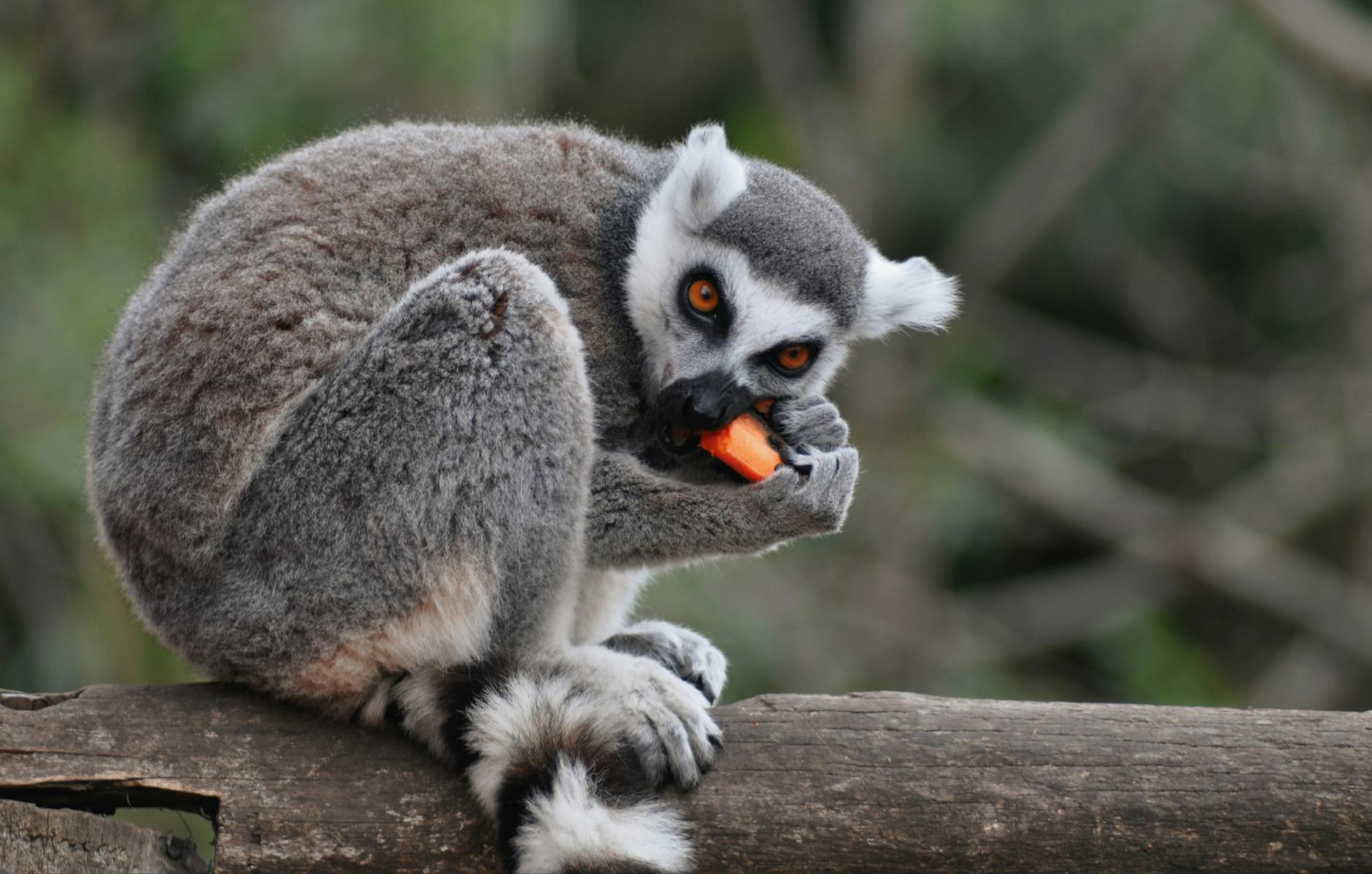
Ankarafantsika is home to several species of lemurs, each occupying different ecological niches within the forest. The park’s relatively open environment increases visibility compared to dense rainforest settings — making encounters more likely and more observable. In addition to lemurs, the park supports a diversity of reptiles and endemic birds. Birdwatchers find Ankarafantsika particularly rewarding due to species variety and how close you can get.
The key to successful wildlife observation here is patience and guidance. Always use a local guide — they spot subtle signs of animal presence that untrained eyes consistently miss. Book a guided park excursion directly through GetYourGuide.
Trails, Routes and Exploration Strategy
The park offers a network of trails for different ability levels. Short, easy routes work well for casual visitors; longer trails extend deeper into the forest for more immersive experiences. Walking through the park is not just about animal spotting — guides explain the relationships between plants, soil, and wildlife, turning a walk into a comprehensive ecological learning experience.
For limited time: a half-day visit provides a solid introduction. A full-day or overnight stay significantly increases your chances of encountering a wider range of species and allows for deeper exploration.
Read also:
Accessibility from Mahajanga
One of Ankarafantsika’s greatest strengths is its accessibility. Located within a few hours’ drive from Mahajanga, it requires no flights and minimal logistics. This makes it one of the most practical national parks to add to a Madagascar itinerary. Travel typically involves a private vehicle or organized tour — early departure is recommended. Compare car rental options on Carla for maximum flexibility, or arrange a day tour through GetYourGuide.
Why Ankarafantsika Elevates a Mahajanga Trip
Without Ankarafantsika, a Mahajanga stay is primarily coastal — enjoyable, but one-dimensional. Adding the park transforms the experience: it introduces a second dimension — wildlife and ecology — that significantly increases depth and value. This coast-plus-conservation combination is precisely what makes Mahajanga unique among Madagascar destinations.
Practical Tips
- Depart early — wildlife is most active in the morning and evening
- Bring water, sun protection, and proper footwear for trail walking
- Always use a guide for navigation and wildlife spotting
- Plan transport in advance — road conditions vary seasonally
Plan your Ankarafantsika visit now:
Travel Insurance — Essential for Madagascar
Recommended Gear for Your Madagascar Wildlife Trip
You’re Flying 10,000km to See Lemurs, Chameleons, and Fossa — Don’t Document It With a Phone Camera
Indri lemurs calling across the canopy of Andasibe. Panther chameleons in electric blue and orange. The fossa spotted on a night walk in Kirindy. A smartphone sensor in low rainforest light produces grainy, blurred images. The Sony a6400 with Real-Time Eye Autofocus locks onto animal eyes instantly — even through undergrowth and low light. APS-C sensor, 4K video, flip-up touchscreen.
Check current price and availability on Amazon →
Madagascar Has Over 100 Species of Lemur and 280 Species of Bird — You’ll Miss Most of Them Without Binoculars
Sifaka lemurs leap between canopy trees 30 metres up. The Madagascar fish eagle perches on a branch 200 metres across a lake. Without binoculars, you’re looking at distant shapes and taking your guide’s word for it. The Vortex Diamondback HD 10×42 delivers HD optical clarity with edge-to-edge sharpness. Waterproof, fog-proof, backed by Vortex’s unconditional lifetime warranty.
Check current price and availability on Amazon →
Madagascar Goes Completely Dark After Sunset — Don’t Navigate It Blind
Outside of Antananarivo’s main streets, Madagascar has virtually no street lighting. Wildlife walks in Ankarana, night lemur spotting in Ranomafana, the path to your bungalow — all navigated in total darkness. The Black Diamond Spot 400-R delivers 400 lumens with a 100-metre beam, USB-C rechargeable, IPX8 waterproof, with red night-vision mode for wildlife observation without disturbing animals.
Check current price and availability on Amazon →
Madagascar Has Some of the Highest Malaria Risk in the World
The rainforests of Andasibe, the wetlands of Morondava, the rice paddies outside every village — mosquitoes are relentless and bite at dusk and dawn. DEET burns skin and destroys gear. Natrapel 20% Picaridin is the CDC-recommended alternative that repels mosquitoes, ticks, and sandflies for up to 12 hours without damaging your equipment.
Check current price and availability on Amazon →
No Grid, No Problem — Charge Your Devices From the Sun in Madagascar’s Remote Parks
Marojejy. Andringitra. Tsingy de Bemaraha. Madagascar’s most spectacular parks are its most isolated — no power outlets, no phone signal. A 3-day wilderness circuit means running on whatever charge you left camp with. The BLAVOR Solar Power Bank pairs 10,000mAh with a fold-out solar panel that recharges itself from sunlight as you trek.
Check current price and availability on Amazon →
Medical evacuation from Madagascar can cost USD 30,000–80,000. Never travel uninsured.
- SafetyWing — monthly-subscription travel medical cover; you can check their plans.
- World Nomads — single-trip travel insurance with adventure-activity options.
FAQ
Is Ankarafantsika worth visiting if I have already been to other Madagascar parks?
Yes, absolutely. The dry deciduous ecosystem is very different from eastern rainforest parks — different species, different landscapes, different ecological dynamics. Essential for understanding the full diversity of the island.
Can I visit Ankarafantsika as a day trip from Mahajanga?
Yes, with an early departure. However, an overnight stay is recommended for those wanting a more relaxed experience and increased wildlife observation opportunities.
Do I need a guide to visit the park?
Yes — guides are strongly recommended and often required for certain trails. They significantly improve your chances of spotting wildlife and provide invaluable ecological context.
What should I bring?
Water, sun protection, comfortable walking shoes, and lightweight clothing for warm conditions. A camera and binoculars are highly recommended.
Is Ankarafantsika family-friendly?
Yes, when visits are planned appropriately. Shorter trails and guided walks make it accessible, and seeing wildlife in a natural setting is engaging for children. Proper pacing and preparation are key.
Plan Your Trip to Madagascar
- Read the full Madagascar Travel Guide
- Explore itineraries by style and duration
- Best Tours and Guided Experiences
Where to Stay
Hotels, lodges, and tours fill fast for July–September — compare availability now.