Babymoon in Madagascar: Safe Resorts, Zika Risk and What to Avoid When Pregnant
This post contains affiliate links. We may earn a small commission at no extra cost to you.
At a Glance
- Main health concern: Malaria — Madagascar is high-risk; most prophylaxis medications have pregnancy limitations
- Zika: Madagascar is not currently classified as a high-risk Zika country — check current CDC/WHO advisories before travel
- Safest timing: Second trimester (14–27 weeks), May–October (dry season, low cyclone risk)
- Best babymoon area: Nosy Be coastal resorts — lower malaria exposure than inland, good medical proximity
- Accommodation: Nosy Be resorts on Agoda — filter for air conditioning (mosquito control) and pool access
- Avoid: First trimester, inland rainforest, long road journeys, December–March cyclone season
- Travel insurance: SafetyWing Nomad Insurance — note that maternity care requires a specialist pregnancy travel policy
🔒 Simple Theft-Proofing for Madagascar
Most trouble is opportunistic. A few cheap items make you a hard target:
- Portable travel door lock — secures any hotel door from inside in seconds. See on Amazon →
- Hidden money belt — keeps cash and passport out of a pickpocket’s reach. See on Amazon →
- RFID-blocking wallet — organises cards and blocks electronic skimming. See on Amazon →
- Anti-theft crossbody bag — slash-proof strap and lockable zips. See on Amazon →
- TSA luggage locks — lock bags on flights and in storage. See on Amazon →
As an Amazon Associate we earn from qualifying purchases.
Madagascar as a babymoon destination is a nuanced conversation. The island’s malaria risk during pregnancy is a real medical consideration that cannot be papered over with romantic imagery. But for couples who consult their doctor, choose the right destination within Madagascar, and travel in the right season, coastal Madagascar can deliver a genuinely special pre-baby trip.
Malaria and Zika: The Honest Health Picture for Pregnant Travelers
Malaria is the primary medical concern for pregnant travelers to Madagascar. The island is classified as high-risk for Plasmodium falciparum malaria, the most dangerous strain, across most of its territory. Most standard malaria prophylaxis options carry pregnancy contraindications or insufficient safety data: doxycycline is contraindicated throughout pregnancy; Malarone (atovaquone-proguanil) is not recommended in the first trimester and has limited safety data in later trimesters; mefloquine has restrictions in the first trimester. Chloroquine is not effective in Madagascar due to resistance. Many travel medicine specialists advise against visiting high-malaria-risk countries during pregnancy if the trip can be deferred.
Zika: Madagascar is not currently classified as a high Zika risk destination by major international health authorities as of recent years. However, Zika risk classifications change and you should verify the current status on the CDC Travelers’ Health website and WHO advisories in the weeks before booking. Our guide to wildlife and health risks in Madagascar provides additional context on the full spectrum of environmental health considerations. Before any travel decision, consult your obstetrician and an infectious disease specialist — not only a general practitioner.
Traveler with diabetes or chronic condition? Madagascar’s medical infrastructure is limited outside Antananarivo. Bring your own glucose monitoring kit — a 14-day-wear CGM eliminates strip/lancet hassle on multi-stop trips. Browse Sinocare CGMs.
Best Babymoon Resorts in Madagascar
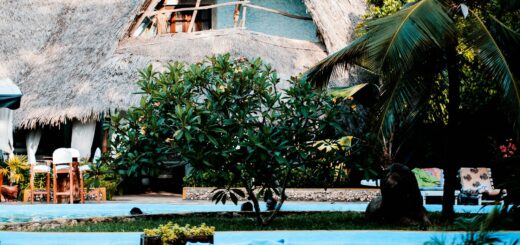
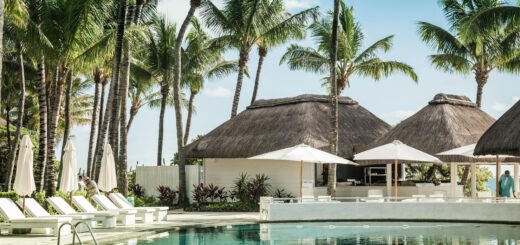
If proceeding with a Madagascar babymoon after medical consultation, Nosy Be is the correct destination. Coastal areas at sea level have lower malaria transmission rates than inland rainforest and highland zones, though risk is not zero. Key criteria for a safe pregnancy-appropriate resort: air conditioning in every room (reduces mosquito contact overnight), a pool (avoids beach sun exposure during peak hours), an on-call clinic or doctor nearby, and no requirement for overland transfers on unpaved roads.
Properties worth considering: Constance Tsarabanjina (a small private island resort with comprehensive in-house services, all-inclusive, and its own speedboat transfer from Nosy Be — the isolation is part of the appeal), the Hôtel Grand Bleu (comfortable sea-facing rooms in Nosy Be, central location close to medical services), and Kaleta Hotel (well-established mid-range property, reliable electricity and air conditioning). Search Nosy Be accommodations on Agoda with filters for air conditioning and pool — these two features are non-negotiable for a pregnancy-safe stay. Île Sainte-Marie is an alternative for July–September, when whale season adds the extraordinary spectacle of humpback whales from the boat.
Safe Activities During Pregnancy in Madagascar
Beach stays, gentle swimming in calm lagoons, and snorkeling in shallow water are all feasible in the second trimester with doctor approval. The key conditions: calm sea state, shade available, and hydration maintained actively. Whale-watching boat trips from Île Sainte-Marie in July–September are appropriate if the sea is calm and the boat is stable — avoid trips in conditions above Beaufort 3 (moderate breeze). Ask operators about sea state before booking and be prepared to cancel without penalty if conditions deteriorate.
Light cultural activities are excellent options: vanilla plantation tours (flat walking, covered shade, meaningful experience), local market visits in Hell-Ville, and village cultural experiences. Boat trips to nearby islands from Nosy Be — Nosy Komba, Nosy Tanikely — are gentle and worthwhile. What to avoid entirely: scuba diving (contraindicated in pregnancy at any stage), trekking in inland forests (malaria exposure + physical exertion + extreme heat), long taxi-brousse journeys (severe vibration, no stops), and any activity requiring prolonged sun exposure in midday heat without shade access.
When Not to Go and What the Timeline Looks Like
First trimester: avoid. The combination of malaria risk, Zika concern, and general medical advice against unnecessary travel to endemic regions makes first-trimester travel to Madagascar genuinely inadvisable. Most travel medicine guidelines recommend deferring high-risk destination travel until at least 14 weeks. December–March is cyclone season — medical emergency evacuation from coastal Madagascar during active cyclone conditions is significantly more difficult and expensive, adding another layer of risk for pregnant travelers in this window.
Best window: second trimester (weeks 14–27), May–October. This combines the lowest medical risk period of pregnancy with the driest and safest weather season. Most airlines restrict travel from 36 weeks gestation; some at 32–34 weeks for international flights — check the specific policy of your carrier before booking. Late third trimester travel is inadvisable regardless of policy, as obstetric care in Madagascar is extremely limited and birth on the island should not be a considered option. Get SafetyWing Nomad Insurance before departure — note that standard travel insurance policies, including SafetyWing’s Nomad Insurance, generally do not cover routine maternity care. For full pregnancy coverage, purchase a specialist pregnancy travel insurance policy and carry SafetyWing as a supplemental medical evacuation layer.
Frequently Asked Questions
Is it safe to visit Madagascar while pregnant?
This is a medical question that requires advice from your obstetrician and a travel medicine specialist, not a travel blog. The primary concerns are malaria (high-risk country, most prophylaxis options have pregnancy limitations) and general access to obstetric care (extremely limited outside Antananarivo). Many travel medicine specialists advise against visiting high-malaria-risk destinations during pregnancy. If you proceed after medical clearance, Nosy Be coastal resorts in the second trimester during the May–October dry season represent the lowest-risk configuration.
Is Zika a risk for pregnant women in Madagascar?
Madagascar is not currently classified as a high Zika risk country by major international health authorities. However, Zika classification can change, and you should check the current CDC Travelers’ Health website and WHO advisories within weeks of your planned travel date rather than relying on any single article’s assessment. Your obstetrician will have access to the most current guidance.
What is the best trimester to visit Madagascar for a babymoon?
The second trimester — weeks 14 to 27 — is the recommended window if you receive medical clearance to travel. First-trimester travel to malaria-endemic countries is generally inadvisable. Third-trimester travel carries airline restrictions and increasing obstetric risk. Within the year, travel in May–October (dry season) aligns the lower-risk pregnancy window with the safer weather season.
Does travel insurance cover pregnancy complications in Madagascar?
Standard travel insurance policies, including SafetyWing Nomad Insurance, typically do not cover routine maternity care or planned obstetric treatment. However, they do cover medical emergencies — including those arising unexpectedly during pregnancy — and medical evacuation. For a babymoon, purchase a specialist pregnancy travel insurance policy for maternity coverage, and carry SafetyWing as a supplemental emergency and evacuation layer.
A Madagascar babymoon is possible — but it requires more pre-trip medical consultation than almost any other destination on earth. Get clearance from your obstetrician and an infectious disease specialist, choose Nosy Be in the second trimester during dry season, book a resort with air conditioning and pool, and carry both a specialist pregnancy policy and SafetyWing Nomad Insurance for evacuation coverage. Do the groundwork, and the Indian Ocean’s most extraordinary island can still be the setting for one of your most memorable trips.
Travel Insurance for Madagascar
Medical evacuation from Madagascar costs $30,000–$80,000. Don’t travel without cover.
- SafetyWing — monthly-subscription travel medical cover; you can check their plans.
- World Nomads — single-trip travel insurance with adventure-activity options.
Plan Your Trip to Madagascar
- Read the full Madagascar Travel Guide
- Explore itineraries by style and duration
- Plan a 10-Day Madagascar Itinerary
Where to Stay