Best Madagascar Beaches & Coastal Escapes 2026: The Complete Guide
Affiliate disclosure: This article contains sponsored links to hotels, tour operators, insurance providers, and other travel services. We earn a small commission if you book through our links, at no extra cost to you.
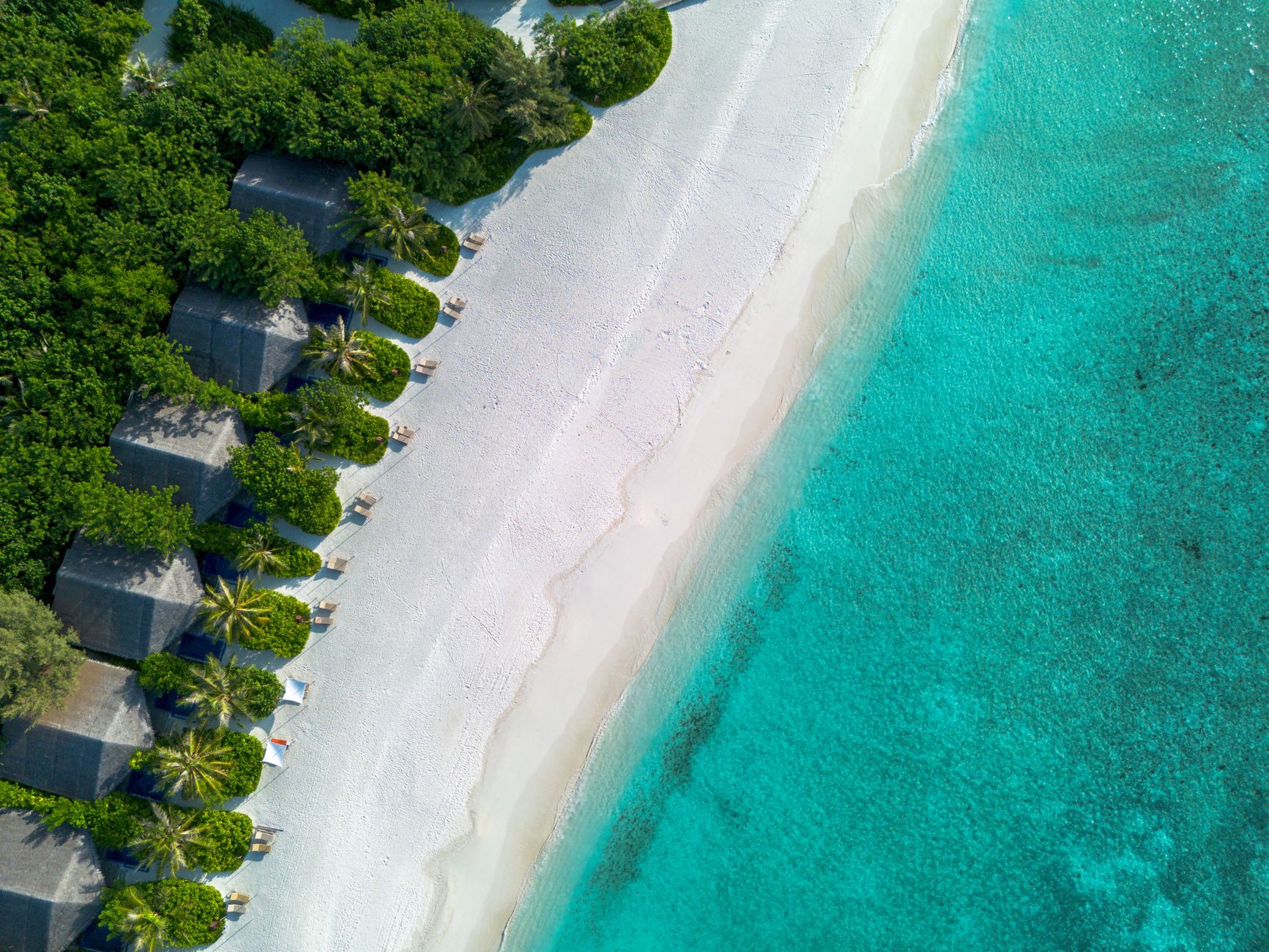
Best Madagascar Beaches & Coastal Escapes 2026 — At a Glance
- Why it’s special: 5,000 km of coastline, warm Indian Ocean, coral reefs, and beaches with a fraction of the crowds of Zanzibar or the Maldives
- Top beach regions: Nosy Be archipelago (northwest), Île Sainte-Marie (east), the southwest reef coast (Ifaty, Anakao), Diego Suarez and the Emerald Sea (far north)
- Best beach season: April–November (dry, calm); avoid the January–March cyclone season on exposed coasts
- Signature experiences: Castaway island days, reef snorkeling, beachfront lodges, seafood, whale watching (seasonal), kitesurfing
- Flight protection: EU261 €600 per passenger for European inbound flight disruptions
- Travel insurance: SafetyWing Nomad Insurance — essential for island and remote coastal travel
- Beach hotels: Nosy Be & coastal stays on Agoda
🏖 Beach & Snorkel Kit
For Madagascar’s islands and reefs, pack these:
- UPF-50 rash guard — all-day sun protection in and out of the water. See on Amazon →
- Waterproof phone pouch — IPX8 case for boats, beaches and snorkelling. See on Amazon →
- Waterproof dry bag — keeps gear dry on boat transfers and paddling. See on Amazon →
- Quick-dry travel towel — packs tiny, dries in the Madagascar heat. See on Amazon →
- Reef-safe sunscreen — protects you and the coral reefs. See on Amazon →
As an Amazon Associate we earn from qualifying purchases.
Madagascar is famous for lemurs and baobabs, but its 5,000 kilometers of coastline hold some of the Indian Ocean’s most beautiful — and least crowded — beaches. While Zanzibar, Mauritius, and the Maldives draw the headlines and the crowds, Madagascar offers turquoise water, powder-soft sand, coral reefs, and castaway islands with a fraction of the visitors and a fraction of the price. For travelers who want a genuine tropical beach escape combined with the world’s most distinctive wildlife and culture, Madagascar’s coast is a revelation — a side of the island that even seasoned visitors are often surprised to discover, and one of the Indian Ocean’s best-kept secrets.
This pillar guide maps the full landscape of Madagascar’s beaches and coastal escapes: the major beach regions and what makes each distinct, the best islands and stretches of sand, when to go, what to do, where to stay, and how to combine a beach holiday with Madagascar’s famous interior. Whether you want barefoot luxury, a castaway island day, world-class snorkeling, or simply a quiet stretch of warm sand, this guide shows you where Madagascar’s coast delivers.
Why Madagascar’s Beaches Are Different
Madagascar’s coastal appeal rests on a simple proposition: Indian Ocean beauty without the Indian Ocean crowds or prices. The same warm, clear water, coral reefs, and tropical sand that define the region’s famous destinations are here in abundance — but spread across a vast, under-visited coastline where you can still find beaches with no one else on them.
The island’s sheer size and varied geography create remarkable diversity. The northwest offers the Nosy Be archipelago, a cluster of islands ringed by reefs and white sand; the east coast holds Île Sainte-Marie with its palm-fringed bays; the southwest has a long barrier reef sheltering beaches at Ifaty and Anakao; and the far north boasts the surreal Emerald Sea near Diego Suarez. Each region has its own character, season, and access, and together they offer a coastal range few single destinations can match.
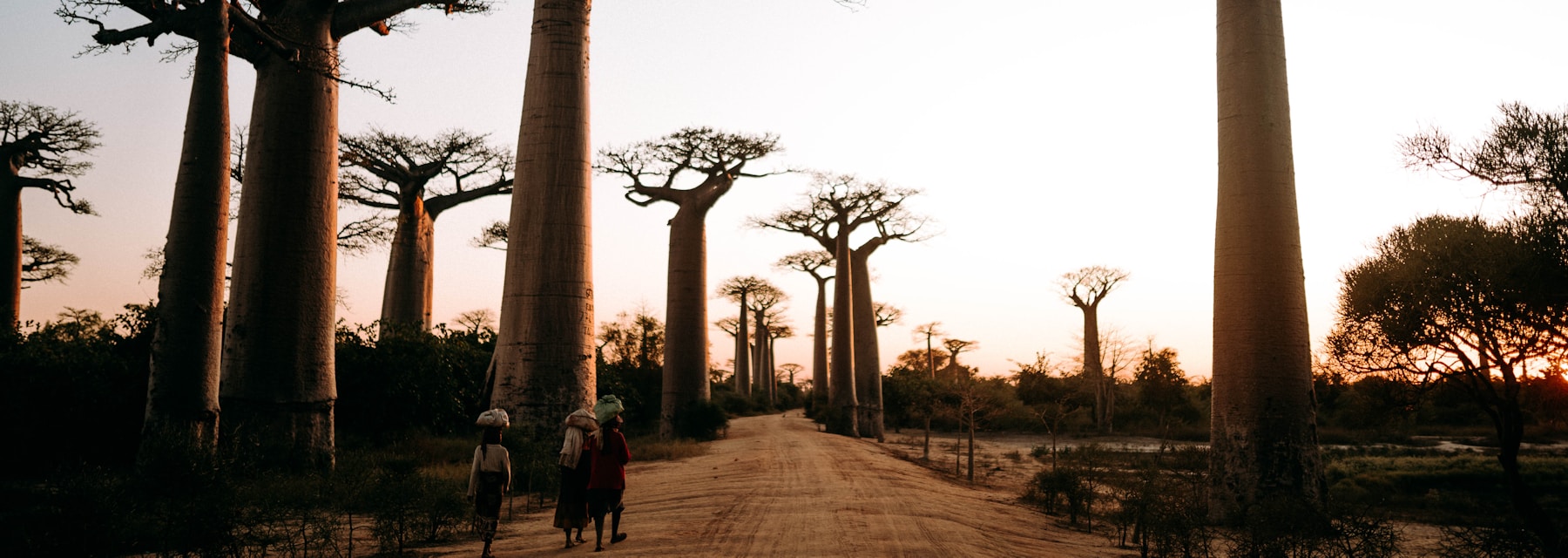
Crucially, Madagascar’s beaches come with something no purpose-built resort island can offer: proximity to extraordinary wildlife and culture. A beach holiday here can be paired with lemur forests, baobab avenues, or highland heritage, turning a simple coastal escape into a richer, more memorable journey.
The Major Beach Regions
Nosy Be and the Northwest Archipelago
Nosy Be is Madagascar’s flagship beach destination — an island off the northwest coast ringed by smaller islands, coral reefs, and a scatter of white-sand beaches. It offers the island’s most developed beach tourism, with a range of accommodation from guesthouses to genuine luxury, easy access via its own airport, and a wealth of day trips to surrounding islands like Nosy Iranja (a sandbar island of legendary beauty), Nosy Komba, and Nosy Tanikely (a marine reserve). Nosy Be combines accessible beach comfort with reef snorkeling, seafood, and the option of whale watching in season. For most travelers wanting a straightforward, beautiful Madagascar beach holiday, Nosy Be is the natural choice.
Île Sainte-Marie and the East Coast
Off the east coast, Île Sainte-Marie is a long, narrow island of palm-fringed bays, historic pirate heritage, and a relaxed, away-from-it-all atmosphere. Its beaches are quieter and more rustic than Nosy Be’s, and the island is famous as a humpback whale watching destination from July to September. Sainte-Marie suits travelers who want a more intimate, less developed beach experience with a strong sense of place — and the chance to combine sand with whales and history.
The Southwest Reef Coast: Ifaty, Anakao, and Tuléar
The southwest coast, near Tuléar (Toliara), is sheltered by one of the world’s great barrier reefs, creating calm, shallow lagoons ideal for snorkeling and relaxed swimming. Ifaty and Mangily to the north, and Anakao to the south, offer beach lodges, reef access, and a dry, sunny climate that makes the southwest a reliable beach destination even when other coasts see rain. The spiny forest and Vezo fishing culture add a distinctive backdrop. This coast suits travelers combining beaches with the dramatic landscapes of the south.
Diego Suarez and the Emerald Sea
The far north, around Diego Suarez (Antsiranana), is one of Madagascar’s most spectacular and underrated coastal areas. The Emerald Sea — a shallow, luminous turquoise lagoon protected by reefs — is a day-trip paradise of sandbars and snorkeling, while the surrounding coast offers dramatic bays, kitesurfing at Sakalava Bay, and access to remarkable national parks. The north combines beach beauty with adventure and is ideal for travelers who want coast plus exploration.
The Best Islands and Beaches
Nosy Iranja: A pair of islands joined by a sandbar that appears at low tide — one of the Indian Ocean’s most photogenic beaches, reached by day trip from Nosy Be.
Nosy Tanikely: A marine reserve with superb snorkeling directly off the beach, teeming with fish and turtles.
Nosy Komba: A lush volcanic island known for lemurs and beaches, an easy hop from Nosy Be.
The Emerald Sea sandbars: Shallow turquoise water and bright sandbars near Diego Suarez, ideal for snorkeling and castaway days.
Sainte-Marie’s bays: Quiet, palm-fringed stretches with a rustic, intimate feel.
Anakao and Ifaty lagoons: Calm, reef-sheltered water on the sunny southwest coast.
Getting to Madagascar’s Beaches
Reaching Madagascar’s coast almost always begins with an international flight to Antananarivo (Ivato), followed by a domestic connection to the beach region. Nosy Be has its own international-capable airport with some direct regional connections, making it the most accessible beach destination; Sainte-Marie, Tuléar (for the southwest), and Diego Suarez (for the north) are reached by domestic flights from the capital. Budget realistic connection times, and consider a buffer night in Antananarivo to protect against domestic flight delays.
If your inbound international flight is delayed, cancelled, or overbooked on an eligible European route, EU261 protection can return up to €600 per passenger — worth knowing before you fly. Coordinating the domestic connections, transfers, and timing to reach a beach region smoothly is exactly where local expertise pays off. Contact Carla to structure beach-region access and transfers around your itinerary, especially if combining the coast with the interior.
Beach Regions Compared: Which Is Right for You
With four distinct beach regions, choosing the right one depends on your priorities, season, and travel style.
Choose Nosy Be if you want the most accessible, developed beach holiday with the widest accommodation range, easy island-hopping, and reliable dry-season weather. It is the natural choice for first-time visitors, couples, and anyone wanting a straightforward beautiful beach base with plenty to do.
Choose Île Sainte-Marie if you want a quieter, more rustic and intimate beach experience with strong character — and especially if you’re traveling July–September and want to combine beaches with humpback whale watching.
Choose the southwest (Ifaty, Anakao) if you want the most weather-reliable beaches, a calm reef-sheltered lagoon, and a pairing with the dramatic landscapes of the south. It’s ideal for travelers who want sun confidence and a less touristy feel.
Choose Diego Suarez and the north if you want spectacular, underrated coastal scenery, the Emerald Sea, kitesurfing, and a combination of beaches with adventure and national parks. It suits active, exploratory travelers.
Many travelers combine two regions — Nosy Be plus the north, for instance, both being in the accessible northern part of the island — for a richer coastal experience.
Marine Life and the Reefs
Madagascar’s coastal waters are part of one of the planet’s most biodiverse marine regions, and the reefs are a central part of the beach experience. Coral gardens, abundant reef fish, sea turtles, rays, and seasonal visitors like whale sharks and humpback whales make the snorkeling and diving genuinely world-class — and far less crowded than comparable sites elsewhere in the Indian Ocean.
Nosy Tanikely, a marine reserve near Nosy Be, offers superb snorkeling directly off the beach, with turtles and dense fish life. The southwest’s barrier reef shelters extensive coral systems. The northern waters around Nosy Be host whale sharks seasonally, and the east coast’s Sainte-Marie is a humpback whale highway from July to September. For travelers who love the underwater world, Madagascar’s reefs are among its greatest coastal assets, and many beach lodges are positioned for direct reef access. Responsible reef etiquette — never touching coral, respecting marine reserves — keeps these ecosystems thriving for future visitors.
Sample Beach Itineraries
Pure beach escape (7 days): Fly to Nosy Be, settle into a beachfront lodge, and spend the week on island-hopping day trips (Nosy Iranja, Nosy Tanikely, Nosy Komba), reef snorkeling, and beach relaxation. A simple, beautiful tropical week.
Beach and wildlife combo (12 days): Begin with lemur forests and baobabs in the interior or west, then fly to Nosy Be for a beach finale — adventure followed by relaxation, the classic Madagascar pairing.
Northern coast and adventure (10 days): Base around Diego Suarez for the Emerald Sea, kitesurfing, and dramatic coastal scenery, combined with the nearby national parks — beaches plus exploration.
Southwest sun and landscapes (10 days): Pair the reliably sunny beaches of Ifaty or Anakao with the spiny forest and the dramatic landscapes of the south — sun confidence plus scenery.
Beach and whales (10 days, July–September): Combine Île Sainte-Marie’s beaches with humpback whale watching for a coastal trip with a spectacular wildlife centerpiece.
When to Visit Madagascar’s Beaches
Timing matters for a beach holiday, and Madagascar’s coasts have distinct seasons. The dry season (April–November) is the prime beach window across most of the coast, with calm seas, sunshine, and comfortable temperatures. The northwest (Nosy Be) and southwest are reliably good through these months.
The January–March period is cyclone season on exposed coasts, particularly the east, and is best avoided for beach travel — the seasonal planning considerations matter here. The southwest, being drier, is the most weather-reliable beach region year-round. For whale watching combined with beaches, target July–September on the east coast; for the calmest, sunniest beach conditions, the April–November dry season across the northwest and southwest is ideal.
Things to Do on Madagascar’s Coast
Madagascar’s beaches offer far more than sunbathing. Snorkeling and diving on the reefs are world-class, with abundant marine life and uncrowded sites — the Nosy Be diving scene is particularly rich. Island-hopping day trips to castaway sandbars and reef islands are a highlight of the northwest. Whale watching off Sainte-Marie (July–September) is among the world’s best. Kitesurfing and watersports thrive in the north’s windy bays and the surf breaks along the coast. And seafood — fresh fish, prawns, lobster, and crab — is a coastal pleasure everywhere. The combination of relaxation and activity makes Madagascar’s coast suit both beach loungers and active travelers.
The Castaway Island Experience
One of the defining pleasures of Madagascar’s coast — especially the northwest and far north — is the castaway island day. The waters around Nosy Be and the Emerald Sea near Diego Suarez are dotted with tiny sandbar islands and reef-fringed islets that you can reach by boat for a day of snorkeling, fresh-grilled seafood, and beach time with no one else around. Nosy Iranja, with its tidal sandbar connecting two islands, is the most celebrated, but countless smaller spots offer the same Robinson Crusoe magic.
These day trips are the heart of a northwest beach holiday. A typical outing involves a morning boat departure, snorkeling over coral, a beach barbecue of just-caught fish, and lazy hours on sand so white it dazzles. For many travelers, these castaway days — not the hotel beach — become the most memorable part of the trip. They are also where Madagascar’s low-crowd advantage shows most clearly: the same experience in busier Indian Ocean destinations would involve sharing the sandbar with dozens of boats; here, you may have it to yourself.
Beach Travel by Traveler Type
Couples and honeymooners: Nosy Be’s beachfront lodges and the private islands of the archipelago offer romance and seclusion; Sainte-Marie adds intimacy and whales. The combination of beach and barefoot luxury makes Madagascar a distinctive romantic destination.
Families: Nosy Be’s calm reef-sheltered beaches, easy island day trips, and range of accommodation suit families well, with snorkeling and wildlife to engage children.
Active travelers: The north (Diego Suarez, the Emerald Sea, Sakalava Bay kitesurfing) and the reef-rich waters everywhere offer snorkeling, diving, kitesurfing, and watersports aplenty.
Luxury travelers: The private islands and upscale lodges of the Nosy Be archipelago deliver world-class barefoot luxury with a fraction of the crowds of comparable destinations.
Budget and independent travelers: Guesthouses on Nosy Be, Sainte-Marie, and the southwest make a beautiful Madagascar beach holiday genuinely affordable, with day trips and seafood adding low-cost richness.
Wildlife-and-beach travelers: Every region pairs with interior wildlife, but Nosy Be (near the western baobabs) and Sainte-Marie (whales) are especially well-suited to combining sand with creatures.
Food and Coastal Culture
Madagascar’s coast has a food culture all its own, built around the day’s catch. Fresh fish, prawns, lobster, crab, and octopus appear on every coastal table, often grilled simply and served with rice and the fiery condiment sakay. The Vezo fishing people of the southwest and the coastal communities of the north and east have lived from the sea for generations, and their fishing culture shapes the rhythm of coastal life. Eating seafood at a beach lodge or village restaurant — often hours from the boat — is one of the simple, defining pleasures of a Madagascar beach holiday. The coastal regions also blend Malagasy, African, Arab, and Indian culinary influences, reflecting the Indian Ocean trade history that shaped the coasts.
Practical Beach Travel Tips
Match the region to your season: The southwest is most weather-reliable; avoid the east coast in cyclone season (January–March). Plan around the dry season (April–November) for most coasts.
Budget for domestic flights and transfers: Reaching the beach regions involves domestic connections; build these into your budget and timing, with a Tana buffer night against delays.
Bring reef-safe sunscreen and snorkel gear: Protect the reefs with reef-safe products, and bringing your own mask ensures a good fit for the abundant snorkeling.
Carry cash: Beach areas and islands often have limited card acceptance; carry sufficient cash for day trips, seafood, and local purchases.
Respect marine reserves and reefs: Never touch or stand on coral, follow reserve rules, and choose responsible operators to keep these ecosystems healthy.
Combine with the interior: Don’t treat the beach as the whole trip — Madagascar’s unique advantage is pairing coast with wildlife and culture, so build in at least a few interior days.
Where to Stay
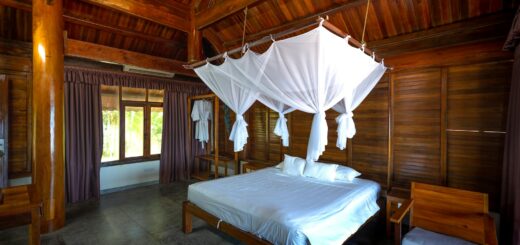
Madagascar’s coast offers accommodation across every tier, from simple beach guesthouses to genuine barefoot luxury. Nosy Be has the widest range, including upscale beachfront lodges and the exclusive private islands of the surrounding archipelago. Sainte-Marie offers characterful, lower-key beach lodges; the southwest has comfortable reef-side hotels; and the north pairs Diego Suarez town accommodation with coastal lodges. Compare current Nosy Be and coastal stays on Agoda to anchor your beach itinerary. For the most exclusive end of the spectrum, the private island resorts guide covers Madagascar’s finest barefoot-luxury escapes.
Combining Beaches with the Rest of Madagascar
The greatest advantage of a Madagascar beach holiday is what surrounds it. Unlike a purpose-built resort island, Madagascar’s coast sits alongside extraordinary wildlife and culture. A classic itinerary pairs a few days of lemur forests and baobabs in the interior with a beach finale on Nosy Be or the southwest coast — relaxation earned after adventure. The northwest’s Nosy Be connects easily to the dry forests and baobabs of the west; the southwest beaches pair with the spiny forest and the dramatic south; and Sainte-Marie combines beach, whales, and pirate history. This pairing of beach and interior is Madagascar’s unique coastal selling point — and the reason a beach holiday here delivers more than sand alone.
How Madagascar’s Beaches Compare to the Indian Ocean Competition
Travelers choosing a tropical beach holiday in the region often weigh Madagascar against Zanzibar, Mauritius, the Seychelles, and the Maldives. Understanding the trade-offs helps you decide.
Versus the Maldives: The Maldives offers unmatched overwater-villa luxury and guaranteed picture-perfect lagoons, but at premium prices and with little beyond the resort. Madagascar offers comparable natural beauty at a fraction of the cost, with the vast addition of wildlife, culture, and genuine destination depth — though with less polished resort infrastructure.
Versus Zanzibar: Zanzibar has historic Stone Town and developed beach tourism but draws large crowds on its popular beaches. Madagascar’s coasts are far less crowded and arguably more pristine, with the bonus of lemurs and baobabs nearby, though Zanzibar is easier to reach and more set up for casual beach tourism.
Versus Mauritius: Mauritius is polished, easy, and family-friendly with excellent infrastructure, but it is also expensive and heavily developed. Madagascar offers wilder, emptier beaches and a far richer natural and cultural hinterland, at lower cost but with more rustic logistics.
Versus the Seychelles: The Seychelles has spectacular granite-boulder beaches and high-end appeal at very high prices. Madagascar can’t match the Seychelles’ iconic beach scenery in every spot, but it offers more variety, far lower prices, and the unique wildlife-and-culture pairing.
The pattern is consistent: Madagascar trades polished infrastructure and effortless access for lower prices, fewer crowds, wilder beauty, and the unmatched ability to combine a beach holiday with the world’s most distinctive wildlife and culture. For travelers who value authenticity and depth over resort perfection, Madagascar wins. Our Nosy Be versus Sainte-Marie comparison helps choose between Madagascar’s two flagship beach destinations.
Kitesurfing and Watersports
Madagascar’s coast is an emerging watersports destination, with conditions that rival far more famous spots. The northern bays around Diego Suarez — especially Sakalava Bay — offer reliable wind and flat-water and wave conditions that make the area a genuine kitesurfing hotspot, drawing enthusiasts who appreciate world-class conditions without the crowds. The trade winds of the dry season power consistent sessions from roughly April to November.
Beyond kitesurfing, the coast offers windsurfing, stand-up paddleboarding in sheltered lagoons, sea kayaking among the islands, and surfing along certain breaks. The reef-sheltered lagoons of the southwest are ideal for beginners and relaxed paddling, while the windy north suits adrenaline seekers. Combined with the world-class snorkeling and diving, Madagascar’s coast offers a full spectrum of water-based activity for every energy level — another dimension that sets it apart from purely sun-and-sand destinations.
Common Beach Travel Mistakes to Avoid
Visiting the wrong coast in the wrong season: The biggest mistake. Booking the east coast in cyclone season (January–March) risks washout. Match your region to the season — the southwest for year-round reliability, the northwest and north for dry-season perfection.
Treating the beach as the whole trip: Travelers who fly in only for sand miss Madagascar’s unique advantage. Even a few days of interior wildlife transforms the trip and is what makes Madagascar’s coast special versus a generic resort island.
Underestimating domestic logistics: Reaching the beach regions requires domestic flights and transfers that take time and occasionally face delays. Build in buffers and realistic timing rather than assuming seamless connections.
Skipping travel insurance: Island and marine activities make comprehensive coverage essential — never economize here.
Damaging the reefs: Touching coral, standing on reefs, or using non-reef-safe sunscreen harms the very ecosystems that make the beaches special. Travel responsibly to keep them thriving.
Conservation and the Future of Madagascar’s Coast
Madagascar’s coastal and marine ecosystems are globally significant and, in places, under pressure from overfishing, climate change, and unmanaged development. Marine reserves like Nosy Tanikely and community-managed coastal areas represent the conservation response, and responsible tourism is part of the solution — channeling income to communities that protect rather than exploit the reefs. Choosing operators committed to marine conservation, respecting reserve rules, and supporting local Vezo and coastal communities helps ensure that Madagascar’s beaches remain pristine. The same low-development character that makes these coasts so appealing also makes them fragile; thoughtful travelers who tread lightly help protect what makes Madagascar’s coast extraordinary, ensuring these uncrowded, pristine beaches endure for future visitors.
Responsible Coastal Travel
Madagascar’s reefs and coastal ecosystems are precious and, in places, fragile. Responsible beach travel means choosing operators who respect marine reserves, never touching or standing on coral, supporting local Vezo and coastal communities, and being mindful of the impact of tourism on small island environments. Marine reserves like Nosy Tanikely exist precisely to protect these ecosystems, and travelers who snorkel and dive responsibly help sustain them. Given the remote nature of much of the coast and the marine activities involved, comprehensive travel insurance is essential.
Beach Accommodation Styles
Understanding the range of coastal accommodation helps set expectations and match a stay to your style. Beachfront guesthouses and small lodges dominate the budget and mid-range, offering simple, characterful rooms steps from the sand, often family-run, with fresh seafood and a relaxed pace — excellent value and the backbone of independent beach travel. Comfortable beach hotels and resorts, concentrated on Nosy Be and the southwest, offer pools, restaurants, dive centers, and organized day trips for travelers wanting more structure and amenities.
At the top end, boutique beachfront lodges and barefoot-luxury retreats deliver design, service, and seclusion without the scale of mega-resorts — Madagascar’s luxury coast favors intimate properties over high-rise developments. And the private islands of the Nosy Be archipelago represent the pinnacle: entire islands or exclusive lodges offering world-class luxury in genuine seclusion. This range means a Madagascar beach holiday works at almost any budget, from a $40-a-night guesthouse to a private-island escape, all sharing the same warm water and uncrowded sand. The key is matching the accommodation style to your priorities — value and authenticity at the lower end, design and seclusion at the top.
Why Madagascar’s Coast Stays Uncrowded
One question travelers often ask: if Madagascar’s beaches are this beautiful, why aren’t they overrun? The answer lies in access and development. Madagascar is genuinely remote — reaching it requires long-haul flights and domestic connections, which filters out casual mass tourism. The island has deliberately not pursued the high-volume resort development model of destinations like Mauritius or the Maldives, and its infrastructure remains modest. The result is a coast that has retained its character: beaches you can have to yourself, sandbars without crowds, and a sense of discovery that more developed destinations lost decades ago.
This uncrowded quality is Madagascar’s great coastal gift, but it comes with trade-offs travelers should understand. Logistics are slower, infrastructure is more basic, and the polish of a purpose-built resort destination is largely absent. For the right traveler, these are features rather than flaws — the very things that keep the beaches pristine and the experience authentic. Those who arrive expecting effortless resort perfection may be frustrated; those who come for genuine, uncrowded tropical beauty find exactly what they hoped for. Understanding this trade-off in advance is the key to a happy Madagascar beach holiday, and it is precisely why thoughtful planning and good local coordination matter so much here.
Carla / Voyagiste Madagascar (bespoke coastal coordination)
Madagascar-resident specialist for beach and coastal trip coordination. Contact Carla directly to design a coastal escape — the right beach region for your season, island-hopping, reef access, and the perfect beachfront accommodation — ideally combined with Madagascar’s famous wildlife and culture for a complete journey.
Planning the Perfect Madagascar Beach Trip
Bringing it all together, a successful Madagascar beach trip rests on a few decisions made well. First, choose your region by season and style — the southwest for year-round sun, Nosy Be for accessible variety, Sainte-Marie for intimacy and whales, the north for adventure and the Emerald Sea. Second, decide whether to combine the coast with the interior; for most travelers, the answer should be yes, because the pairing of beach and wildlife is precisely what makes Madagascar’s coast more than a generic tropical escape.
Third, set expectations correctly: come for uncrowded, authentic, naturally beautiful beaches rather than polished resort perfection, and the experience will delight rather than disappoint. Fourth, build realistic logistics — domestic flights, transfers, and buffer time — into the plan, because Madagascar rewards patience and punishes tight scheduling. Finally, travel responsibly, protecting the reefs and supporting coastal communities so these beaches stay pristine.
Get these right and a Madagascar beach holiday delivers something increasingly rare: genuine tropical beauty, real solitude, world-class snorkeling and marine life, and the unmatched option of combining it all with lemurs, baobabs, and culture. Few destinations on Earth offer this combination, and fewer still at Madagascar’s prices. For travelers willing to trade a little convenience for a lot of authenticity, the island’s coast is one of the Indian Ocean’s last great beach frontiers — and the right planning turns that potential into an unforgettable journey. A resident specialist who knows the regions, seasons, and logistics intimately is the surest way to get every one of these decisions right.
Frequently Asked Questions
Where are Madagascar’s best beaches?
The Nosy Be archipelago (northwest), Île Sainte-Marie (east), the southwest reef coast (Ifaty, Anakao), and the Emerald Sea near Diego Suarez (far north) are the standout regions.
When is the best time for a beach holiday?
April–November (dry season) offers the calmest, sunniest conditions across most coasts. Avoid January–March cyclone season on exposed coasts; the southwest is the most weather-reliable year-round.
How do Madagascar’s beaches compare to Zanzibar or the Maldives?
Comparable natural beauty with far fewer crowds and lower prices, plus the unique option of combining beaches with world-class wildlife and culture.
Which beach region is best for first-timers?
Nosy Be — the most accessible and developed, with the widest range of accommodation, easy island-hopping, and its own airport.
Can I combine beaches with wildlife?
Absolutely — this is Madagascar’s signature advantage. Pair lemur forests and baobabs with a beach finale for the complete experience.
Is travel insurance necessary?
Yes. Island travel, remote coasts, and marine activities make comprehensive coverage essential.
🌴 Plan Your Madagascar Beach Escape With Carla
Madagascar’s coast offers Indian Ocean beauty without the crowds — and pairs beaches with wildlife and culture like nowhere else. Reach out to Carla, our Madagascar-resident specialist, to design a coastal escape matched to your season and style, with the right beach region, islands, and accommodation for an unforgettable tropical journey.
Plan Your Trip to Madagascar
- Read the full Madagascar Travel Guide
- Explore itineraries by style and duration
- Explore the full destination guide
Where to Stay