Marojejy National Park 2026: The Complete Guide to Madagascar’s Silky Sifaka Massif
Affiliate disclosure: This article contains sponsored links to hotels, tour operators, insurance providers, and other travel services. We earn a small commission if you book through our links, at no extra cost to you.
Marojejy National Park 2026 — At a Glance
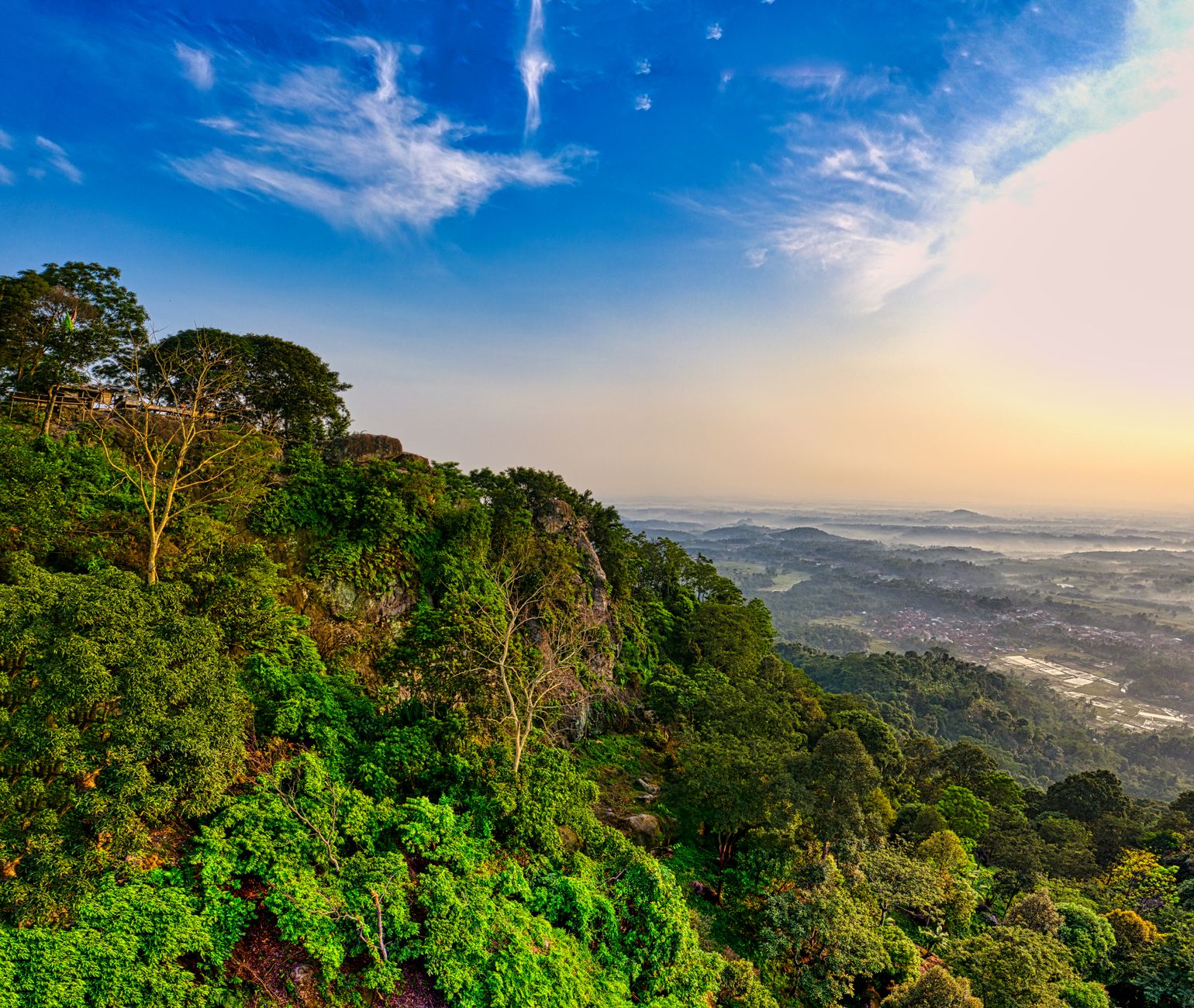
- What & where: A dramatic UNESCO rainforest massif in northeast Madagascar’s SAVA region, near the town of Andapa with the coastal city of Sambava as the wider gateway — rising from steep lowland jungle to the summit of Marojejy at roughly 2,132 m.
- Best time to visit: The drier window of about September to December; the park is a true rainforest and stays wet much of the year, with leeches in the wet season and cool, damp nights at altitude.
- Star highlight: The critically endangered silky sifaka (Propithecus candidus) — a pure-white lemur nicknamed the “angel of the forest” — plus a tough multi-day summit trek through three remote camps.
- Treks & tours: Browse Marojejy & northeast treks on GetYourGuide.
- Plan with a local: contact Carla to build a custom northeast itinerary.
- Getting around: Arrange a car & driver via Carla for the road from Sambava through Andapa.
- Flight delays: If a connection is disrupted, you may be owed compensation — check with AirAdvisor.
- Travel insurance: Cover remote, rugged trekking with SafetyWing Nomad Insurance.
- Where to stay: Base in Andapa or Sambava before the trek — browse Madagascar stays on Agoda.
🐿 Wildlife-Watching Gear for Madagascar
The right kit turns a good wildlife trip into a great one:
- 8×42 binoculars — essential for spotting lemurs and chameleons in the canopy. See on Amazon →
- Rechargeable headlamp — essential for night walks; red mode won’t disturb wildlife. See on Amazon →
- Trekking poles — ultralight support for long park hikes. See on Amazon →
- Hiking daypack — comfortable pack for water, camera and layers. See on Amazon →
- Picaridin insect repellent — DEET-free protection against malaria mosquitoes. See on Amazon →
As an Amazon Associate we earn from qualifying purchases.
There are national parks you visit, and then there are national parks you earn. Marojejy belongs firmly in the second category. Hidden in the far northeast of Madagascar, in the lush, vanilla-scented SAVA region, this towering rainforest massif climbs from steamy lowland jungle near sea level all the way to a wind-scoured granite summit at roughly 2,132 metres. Along the way it passes through one of the most complete and intact altitudinal gradients of rainforest left on Earth — a living staircase of habitats that earned it a place on the UNESCO World Heritage list as part of the “Rainforests of the Atsinanana.” For travellers willing to sweat, sleep in basic camps and put up with rain and leeches, Marojejy delivers something increasingly rare: genuine wilderness, and a real chance to stand a few metres from one of the world’s most beautiful and most threatened primates.
That primate is the silky sifaka, a pure-white lemur so striking that locals and naturalists alike call it the “angel of the forest.” Marojejy is widely regarded as the single best place on the planet to see it. But the park is far more than one animal. It is a place of leaf-tailed geckos that vanish against bark, of tiny jewel-bright frogs, of rare birds like the helmet vanga, and of a flora so rich in palms, ferns and orchids that botanists return year after year. This pillar guide covers everything you need to plan a Marojejy adventure — what and where it is, the wildlife, the classic multi-day trek, when to go, how to get there, where to stay, what it costs, and how it fits into a wider northeast Madagascar trip. It sits at the top of our Marojejy silo; use the linked deep-dive guides as you go for trek logistics, lodging and budgeting.
What and Where Marojejy Is
Marojejy National Park sits in the SAVA region of northeast Madagascar — the name SAVA comes from its four main towns: Sambava, Antalaha, Vohémar and Andapa. The park’s nearest sizeable town is Andapa, set in a fertile inland valley, while the coastal city of Sambava — with its airport — acts as the wider gateway for most visitors flying in. The protected area covers a vast, rugged mountain massif that rises abruptly from the surrounding farmland, climbing from around 75 metres in the lowlands to the summit of Marojejy at roughly 2,132 metres. That dramatic vertical sweep is the whole point of the place.
Because the mountain gains so much altitude over a relatively short horizontal distance, you walk through several distinct forest zones in a single trek. You start in dense, humid lowland rainforest, climb through cooler montane forest, and finally reach the strange, stunted “elfin” or sclerophyllous forest near the summit, where gnarled, moss-draped trees and hardy plants cling to the wind-blasted ridges. Few places on Madagascar — or anywhere — let you experience such a complete cross-section of rainforest in one continuous climb. It is exactly this intactness and biodiversity that put Marojejy on the UNESCO map. To see how it sits among the island’s protected areas, start with our Madagascar national parks and reserves pillar.
Geographically, Marojejy is also remarkably remote, which is a large part of why it has survived so intact. The far northeast is one of the least-developed corners of Madagascar, separated from the central highlands by long, slow roads and reached most practically by air. That isolation has been a blessing for the forest: the massif has never had a road carved through it, and the only way in remains a footpath. For the visitor, it means you trade convenience for genuine wildness — and the sense, increasingly rare in modern travel, of walking somewhere that has changed very little in a very long time. The park sits within a wider mosaic of protected forest in the region, but Marojejy itself is the dramatic centrepiece, its serrated ridgeline visible for miles across the surrounding lowlands.
UNESCO World Heritage Status
Marojejy is one of the protected areas inscribed by UNESCO as part of the “Rainforests of the Atsinanana” — a serial World Heritage property bringing together several of eastern Madagascar’s most important rainforest parks. The listing recognises both the extraordinary biodiversity of these forests and their role as a last refuge for species found nowhere else on Earth. Madagascar has been isolated for tens of millions of years, and its eastern rainforests are evolutionary laboratories where lemurs, reptiles, amphibians and plants have diversified into forms that exist on no other landmass.
That heritage status is more than a badge. It reflects the fact that these forests are under pressure — from deforestation, illegal logging of precious hardwoods, and the slow creep of agriculture up the valleys. Visiting responsibly, with licensed guides and through Madagascar National Parks (MNP), channels income to conservation and to the communities who help protect the massif. When you trek Marojejy, your fees genuinely matter. For the bigger regional picture, our eastern Madagascar pillar sets the scene for the whole rainforest belt.
The Silky Sifaka — Angel of the Forest
If there is one reason most travellers brave the climb, it is the silky sifaka (Propithecus candidus). This is one of the rarest primates on the planet — a critically endangered lemur whose entire range is confined to a small slice of northeast Madagascar, with Marojejy as its stronghold. It is a large sifaka, leaping between trees on powerful legs, and its coat is an almost unbroken pure white, sometimes with a faint silvery sheen — hence the affectionate nickname, the “angel of the forest.” Seeing one, motionless against the green or sailing between trunks, is the kind of moment that justifies the whole trip.
Silky sifakas are usually encountered higher up the mountain, often around the second and third camps where the forest is cooler and less disturbed. Sightings are never guaranteed — this is wild, free-ranging wildlife in dense forest — but Marojejy offers as good a chance as anywhere on Earth, and your MNP guide will know recent movements. Because the species is so threatened, viewing is done carefully and at a respectful distance. For the full story of finding and trekking to them, read our dedicated silky sifaka trek guide, and see how Marojejy compares with other lemur hotspots in our where to see lemurs in Madagascar guide.
It is worth pausing on just how special this animal is. The silky sifaka exists in only a tiny number of individuals, scattered across a handful of forests in the northeast, and its survival is genuinely uncertain — habitat loss and hunting pressure have pushed it to the very edge. Seeing one in the wild is therefore not just a wildlife sighting; it is a privilege and, in a quiet way, an act of support, because the income from responsible visitors gives these forests and the silky sifaka a tangible economic value worth protecting. Many travellers describe the encounter as deeply moving — the animal’s calm gaze, the pure white of its fur against the deep green, the silence of the high forest broken only by its leaps. It is the kind of moment that stays with you long after the mud and the leeches are forgotten.
Other Wildlife and Endemic Flora
The silky sifaka may be the headline act, but Marojejy is a complete rainforest ecosystem brimming with life. The park is home to around eleven lemur species in total — from other diurnal lemurs active by day to secretive nocturnal species you may spot on a night walk near the lower camp. Beyond the lemurs, the reptile and amphibian life is extraordinary: leaf-tailed geckos that disappear entirely against tree bark, chameleons in surprising colours, and a chorus of tiny, brilliantly patterned frogs that sing through the wet forest at dusk.
Birdwatchers come for specialities like the helmet vanga, a striking bird with an outsized blue bill, alongside many other forest birds that are difficult to find elsewhere. And then there is the flora — arguably as much of a draw as the animals. Marojejy is famous among botanists for its palms (including several found only here), its tree ferns, its mosses and its orchids, all changing character as you climb from lowland to summit. Every zone has its own plant community. The richness of this living museum is covered in more depth in our wildlife and trek guide, which pairs species with the camps where you are most likely to find them.
The Classic Multi-Day Trek
There is no road into the heart of Marojejy and no day-trip version of the full experience. The park is explored on foot, on a classic multi-day trek built around three camps, each higher and more basic than the last. Camp Mantella is the first and lowest, set in lowland rainforest and reachable in a few hours of walking from the entrance — many shorter visits go only this far. Camp Marojejia sits higher in cooler montane forest and is the usual base for serious silky sifaka searches. Camp Simpona is the highest and most remote, the springboard for the summit attempt.
Reaching the summit of Marojejy is a tough undertaking — typically a round trip of around three to four days or more, with steep, slippery, root-tangled trails and weather that can turn from humid heat to cold mist in an afternoon. By law, a compulsory MNP guide is required, and porters carry camping gear, food and water to the camps, where facilities are deliberately simple. This is camping in the rainforest, not lodge comfort. The reward is solitude, near-constant wildlife, and that summit ridge with its eerie elfin forest and (cloud permitting) huge views over the SAVA. For a full day-by-day breakdown of the route, camps and what to pack, see our silky sifaka trek guide.
The pace of the trek is dictated by the terrain and the heat as much as by your fitness. Mornings are usually the best time for wildlife, so days often start early, with walking broken up by stops to watch lemurs, photograph chameleons or simply catch your breath. Distances on the map look modest, but the relentless gradient, the humidity and the slippery footing mean progress is slow and rewarding rather than fast. Most trekkers find a rhythm by the second day, their legs adjusting and their eyes tuning in to the forest. Porters and guides set up camp ahead of you, so arriving at each camp usually means a hot meal and a chance to dry out — small comforts that feel enormous after hours on a steep trail in the rain.
When to Visit Marojejy
Marojejy is a rainforest, and that means it can rain at any time of year — managing your expectations about weather is part of preparing for this park. That said, there is a relatively drier and more reliable window from roughly September to December, which is when most trekkers aim to go. During this period the trails are still demanding but generally more passable, and your odds of clear summit views and good wildlife activity improve.
The wettest months bring heavy, persistent rain, swollen rivers and slick trails — and they also bring leeches, which thrive in the damp leaf litter. Long socks, gaiters and a relaxed attitude help; they are harmless but a fact of rainforest life here. At altitude, even in the drier season, nights are cool to cold and damp, so warm layers are essential for the higher camps. To slot Marojejy into a wider seasonal plan across the island, read our best time to visit Madagascar guide.
How to Get to Marojejy
The realistic way to reach Marojejy is to fly. From the capital, Antananarivo (Tana), you take a domestic flight to Sambava on the northeast coast — the long overland route is rough and time-consuming, so flying saves days. From Sambava it is a road journey inland toward Andapa, and on to the park entrance near the village of Manantenina, where the trail into the forest begins. The drive winds through beautiful vanilla and rice country and is part of the experience, though the road can be slow.
Because domestic flight schedules in Madagascar can shift and connections matter, it pays to plan around them. See current routes and tips in our Madagascar domestic flights guide. For the ground leg from Sambava through Andapa to Manantenina, a pre-arranged car and driver via Carla takes the stress out of finding reliable transport in a remote region.
Combining Marojejy with SAVA Vanilla Country
One of the joys of trekking Marojejy is that you are right in the heart of the SAVA region — the vanilla capital of the world. Sambava, Andapa and Antalaha sit at the centre of an industry that produces a huge share of the planet’s natural vanilla, and the green, plantation-draped countryside between them is a sensory experience in its own right. Pairing a few days of vanilla-country touring with your trek turns a single-park visit into a richer northeast adventure.
A vanilla tour gives you a window into how the famous pods are pollinated by hand, cured and graded, and into the rhythms of rural SAVA life — a perfect, gentler counterpoint to the hard climb up Marojejy. It is also a natural rest day before or after the trek, when your legs need it most. Plan this side of the trip with our SAVA vanilla tour guide.
Who Marojejy Suits
Let us be honest: Marojejy is not for everyone, and that is part of its appeal. This is a park for fit, adventurous travellers who are genuinely comfortable with multi-day trekking, basic camping, persistent rain and the possibility of leeches. If your idea of a wildlife holiday involves a lodge, a swimming pool and a short, flat boardwalk, Marojejy will not be the right fit — and there are easier parks on the island for that.
But if you want to feel truly remote, to earn your wildlife sightings with effort, and to walk through one of the last great intact rainforest gradients on Earth, few places anywhere will move you more. Travellers who relish the challenge — and who keep their expectations flexible about weather and comfort — come away describing Marojejy as one of the highlights of their Madagascar trip, sometimes of their travelling lives. Knowing which camp of traveller you are will save you disappointment and steer you to the right park.
It also helps to come with the right mindset rather than the right gear alone. The travellers who thrive at Marojejy are those who treat the discomfort as part of the adventure — who can laugh off a soaking, accept that a summit day might be clouded out, and find as much joy in a tiny frog or a leaf-tailed gecko as in the headline sifaka. Patience pays off here more than at almost any other park in Madagascar. If you can slow down, look closely and let the forest reveal itself on its own terms, Marojejy gives back enormously. If you are counting hours and ticking boxes, you will find it frustrating. It is, in the best sense, a slow park for unhurried travellers.
Where to Stay Around Marojejy
Your accommodation for Marojejy comes in two parts. Before and after the trek, you base yourself in Andapa or Sambava, where there are simple hotels and guesthouses suited to travellers passing through. Andapa is closer to the park entrance, while Sambava offers more services and the airport. Either makes a sensible launchpad — and a comfortable bed and a hot meal feel especially good on the night you come back down off the mountain.
On the trek itself, you stay in the park’s three camps — Mantella, Marojejia and Simpona — which are basic shelters with simple facilities, increasingly rustic as you climb. This is camping, not lodging, so set expectations accordingly. For a detailed comparison of town hotels and camp logistics, see our where to stay near Marojejy guide, and browse current options on Madagascar stays on Agoda for your nights in town.
Fees and Practicalities
Visiting Marojejy involves several costs to budget for. There is the Madagascar National Parks (MNP) entry fee, the compulsory guide fee, and the cost of porters who carry your gear and supplies to the camps — the deeper you go and the more nights you spend, the more porters and provisions you need. On top of that come food, camping equipment (often arranged through your guide or operator), and transport to and from the park. Park fees and guide rates change periodically, so always check current MNP fees and rates when you book rather than relying on older figures.
Booking through a reputable operator or arranging your guide and porters in advance through a local contact simplifies all of this enormously and ensures the people supporting your trek are fairly paid. For a full, itemised breakdown of what a Marojejy trip typically costs — from flights and ground transport to park fees, guides, porters and town nights — see our Marojejy trip cost guide. To compare guided packages that bundle logistics together, browse our Marojejy tour packages guide.
How Marojejy Fits a Northeast Trip
Marojejy rarely makes sense as a standalone trip — the effort of getting to the far northeast deserves a fuller itinerary. The most natural pairing is with Masoala National Park, the vast rainforest-and-marine reserve on the peninsula to the southeast, reachable from Antalaha or by boat from Maroantsetra. Together, Marojejy and Masoala make up an epic, wild northeast circuit for serious nature travellers, combining mountain rainforest with coastal jungle and reef.
Add a few days of SAVA vanilla country, perhaps a coastal interlude on the beaches near Sambava, and you have a two-to-three-week northeast adventure that almost no other travellers attempt. To plan the neighbouring leg, read our Masoala National Park guide, and use the eastern Madagascar pillar to stitch the whole rainforest region together.
Getting There and Travelling Well
Getting to Marojejy means flying domestically to Sambava and then driving inland, so smooth connections matter. Flight disruptions are not uncommon on long itineraries, and if a flight to or from Madagascar is delayed, cancelled or overbooked, you may be entitled to compensation — it is worth checking your eligibility with AirAdvisor rather than leaving money on the table.
Given how remote and physically demanding Marojejy is, good travel insurance is not optional — it is essential. You will be days from the nearest hospital, on steep trails, in a humid forest far from any road. We recommend SafetyWing Nomad Insurance for trips like this: it is built for flexible, long-haul and adventurous travel, covers medical issues abroad, and is straightforward to arrange online before you go. For a multi-day rainforest trek where help is far away, the peace of mind from SafetyWing Nomad Insurance is some of the best money you will spend on the whole trip.
Suggested Marojejy Trek Plan
Every itinerary should be tailored to your fitness and your interests, but here is a practical outline of how a classic Marojejy trek tends to unfold:
- Day 0 — Arrive in Sambava (or Andapa): Fly into Sambava, transfer by road toward Andapa, settle into a town hotel, meet your guide and finalise gear, porters and provisions.
- Day 1 — Entrance to Camp Mantella: Drive to the park entrance near Manantenina village, then trek a few hours through lowland rainforest to Camp Mantella; afternoon and evening wildlife walks, including a night walk for nocturnal species.
- Day 2 — Camp Mantella to Camp Marojejia: Climb higher into cooler montane forest to Camp Marojejia, the prime base for silky sifaka searches; spend the afternoon tracking lemurs and birds.
- Day 3 — Silky sifaka and optional push to Camp Simpona: A full day searching for the silky sifaka around Marojejia; trekkers aiming for the summit continue to the higher, more remote Camp Simpona.
- Day 4 — Optional summit attempt: An early start through stunted elfin forest toward the summit of Marojejy (~2,132 m) for those attempting it, weather permitting, then return to camp.
- Day 5 — Descent and return: Trek back down to the entrance and transfer to your town base for a well-earned hot shower and meal; rest, or continue to SAVA vanilla country or Masoala.
Shorter versions that go only to Camp Mantella or Marojejia, without the summit, are popular for travellers short on time or who simply want the wildlife rather than the peak. Build the version that matches your goals with help from our tour packages guide.
Is Marojejy Worth It?
Honestly? It depends entirely on the kind of traveller you are — but for the right person, Marojejy is one of the most rewarding experiences in all of Madagascar. There is no getting around the difficulty: it is remote, the access is long, the camps are basic, the trails are steep and the weather is unpredictable. This is not a relaxing wildlife holiday, and anyone who pretends otherwise is doing you a disservice.
But for fit, adventurous travellers who dream of real wilderness, of standing in a primeval rainforest watching a pure-white “angel of the forest” leap between ancient trees, Marojejy is a pinnacle. Few places left on Earth offer this combination of intact rainforest, critically endangered wildlife and genuine remoteness. If you have the legs, the time and the spirit for it, the answer is an emphatic yes — Marojejy will likely be the highlight of your Madagascar trip and a memory you carry for life.
Plan Your Marojejy Trek with Carla
Marojejy rewards careful planning, and a remote northeast trek is exactly the kind of trip where a local expert makes all the difference. Carla can help you piece together flights to Sambava, reliable ground transport through Andapa to Manantenina, the right guide and porters, town accommodation and the camp logistics — and weave in SAVA vanilla country or Masoala if you want a fuller circuit. Contact Carla to start building your custom itinerary, and arrange a comfortable, dependable car and driver via Carla for the journey inland.
Frequently Asked Questions
How hard is the Marojejy trek?
It is genuinely demanding. The trails are steep, slippery and root-tangled, the camps are basic, and reaching the summit of Marojejy (~2,132 m) typically takes a round trip of around three to four days or more. You should be fit and comfortable with multi-day trekking and camping. Shorter versions reaching only Camp Mantella or Camp Marojejia are easier and still excellent for wildlife.
Will I definitely see a silky sifaka?
Sightings are never guaranteed — this is wild, free-ranging wildlife in dense rainforest. That said, Marojejy is widely considered the best place on Earth to see the silky sifaka, usually around the higher camps, and an experienced MNP guide greatly improves your chances. Giving yourself enough days at altitude is the single best way to improve your odds.
When is the best time to visit Marojejy?
The drier, more reliable window is roughly September to December. Marojejy is a rainforest, so rain is possible year-round, but during this period trails are more passable and wildlife and summit views are at their best. Expect leeches and heavier rain in the wettest months, and cool, damp nights at altitude in any season.
How do I get to Marojejy?
Fly from Antananarivo to Sambava on the northeast coast, then travel by road inland through Andapa to the park entrance near Manantenina village, where the trail begins. The overland route from Tana is long and rough, so flying is strongly recommended. A pre-arranged car and driver makes the ground leg far easier.
Do I need a guide and porters?
Yes. A licensed Madagascar National Parks (MNP) guide is compulsory, and porters are needed to carry camping gear, food and water to the camps. Budget for the MNP entry fee, guide fee and porter costs, and always check current MNP fees when you book, as rates change periodically.
Ready to trek Marojejy?
Marojejy is a remote, life-list adventure best planned with someone who knows the northeast. Carla can arrange your flights to Sambava, ground transport through Andapa, guides, porters, camps and town stays — and combine it with SAVA vanilla country or Masoala for an epic northeast circuit.
Contact Carla to plan your Marojejy trip →
Need transport sorted first? Book a car & driver via Carla, and don’t forget SafetyWing Nomad Insurance for a remote rainforest trek.
Plan Your Trip to Madagascar
- Read the full Madagascar Travel Guide
- Explore itineraries by style and duration
- Best Tours and Guided Experiences
Where to Stay