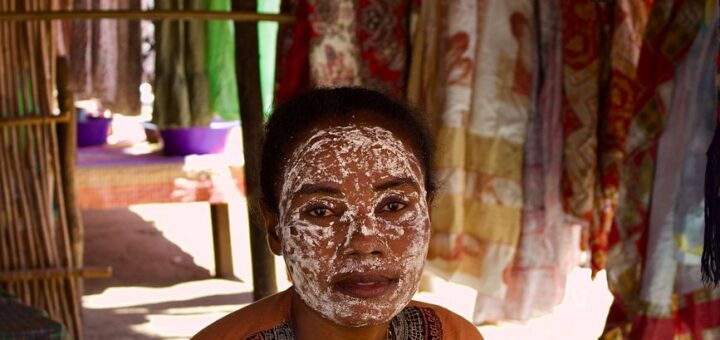
Raffia and the Weavers of the Coast
The raffia around your garden plant or summer hat likely began as the giant leaf of a Malagasy palm — woven by hands that learned the craft in childhood. Meet Madagascar’s raffia.

The raffia around your garden plant or summer hat likely began as the giant leaf of a Malagasy palm — woven by hands that learned the craft in childhood. Meet Madagascar’s raffia.
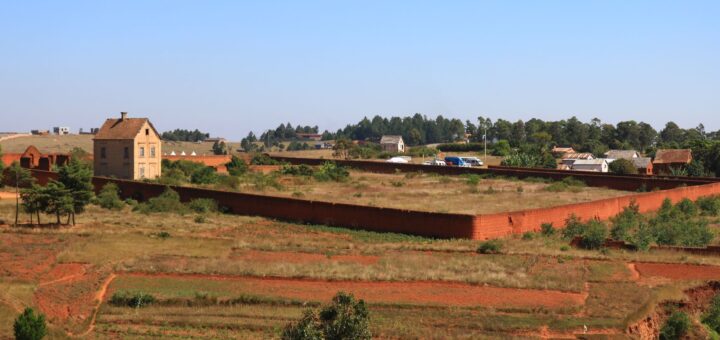
An hour west of Antananarivo, the fortified hill of Antongona hides royal houses from the 16th and 18th centuries and a 360° lookout — Imerina’s past, without the crowds.
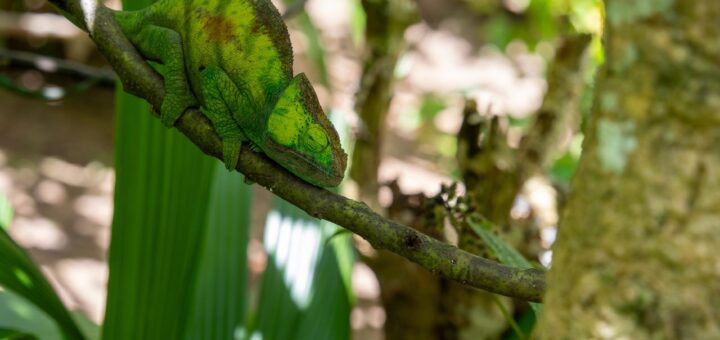
On Madagascar’s humid east coast grows a plant that eats animals — the endemic Nepenthes pitcher plant, a red-and-green ant-trap that was the first of its kind known to science.
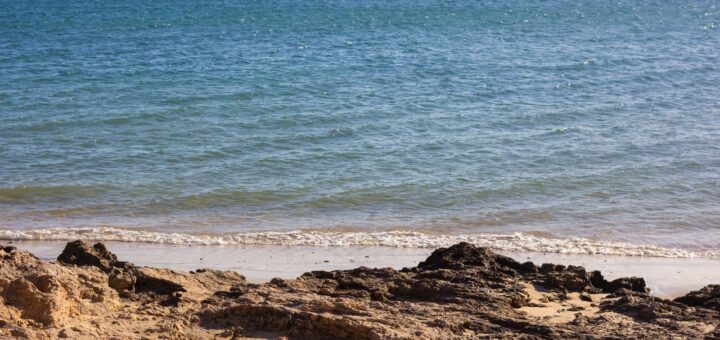
A sacred, uninhabited island off Anakao, Nosy Ve shelters the world’s southernmost red-tailed tropicbird colony — kept tame and unspoiled not by rangers, but by fady.
In highland Madagascar, silk is the cloth of the dead. Meet the endemic landibe moth, the lamba mena burial shroud, and a fading craft tied to a threatened forest.
That flashing blue labradorite in the crystal shop — and the sky-blue celestine geode beside it — very likely came from southern Madagascar, a quiet mineral superpower.

In 1998 a batch of ‘garnets’ turned out to be pink sapphires, and Ilakaka exploded from 40 people to tens of thousands — making Madagascar a world sapphire power.
Madagascar’s flag and anthem tell its whole story: red, white and green reaching from the last monarchy to independence, and an anthem sung to the land of the ancestors.