Madagascar vs South Africa: Safari Costs and Wildlife Variety 2026
This post contains affiliate links. We may earn a small commission at no extra cost to you.
At a Glance
- Madagascar has NO Big Five — no lions, elephants, leopards, rhinos, or buffalo
- South Africa flagship: Kruger NP, Big Five reliably visible, world-class lodges
- Daily mid-range cost (2026): Madagascar $90–$160; South Africa $180–$320
- Madagascar flagship: 100+ lemur species, baobabs, Tsingy, endemic everything
- Best months: Madagascar May–October; South Africa May–September (dry season)
- Madagascar lemur tours: Browse on GetYourGuide
- Hotels in Antananarivo: Compare on Agoda
- Flight delay claim: Check your EC 261 claim free on AirAdvisor
- Trip insurance: SafetyWing
🐿 Wildlife-Watching Gear for Madagascar
The right kit turns a good wildlife trip into a great one:
- 8×42 binoculars — essential for spotting lemurs and chameleons in the canopy. See on Amazon →
- Rechargeable headlamp — essential for night walks; red mode won’t disturb wildlife. See on Amazon →
- Trekking poles — ultralight support for long park hikes. See on Amazon →
- Hiking daypack — comfortable pack for water, camera and layers. See on Amazon →
- Picaridin insect repellent — DEET-free protection against malaria mosquitoes. See on Amazon →
As an Amazon Associate we earn from qualifying purchases.
Important upfront: Madagascar is not a traditional safari destination. There are no lions, no elephants, no giraffes — none of the Big Five. South Africa is. This 2026 guide explains who each destination actually serves, because confusing them is the single biggest mistake first-time Africa travellers make.
Wildlife Variety: Two Completely Different Trips
South Africa’s Kruger ecosystem (Kruger NP plus surrounding private reserves like Sabi Sands, Timbavati, Klaserie) is the classic Big Five safari: lions, leopards, elephants, buffalo, rhinos — all reliably encountered on a 3 to 4 night stay. Add cheetah, giraffe, hippo, zebra, wildebeest, hundreds of bird species. Game drives are vehicle-based, twice daily, with armed ranger and tracker. The experience is polished, predictable in the best sense, and visually spectacular.
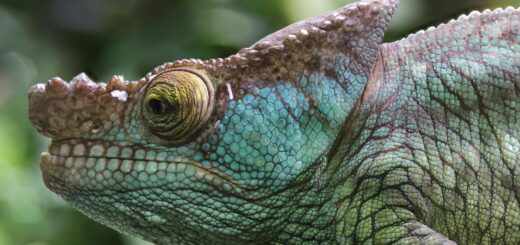
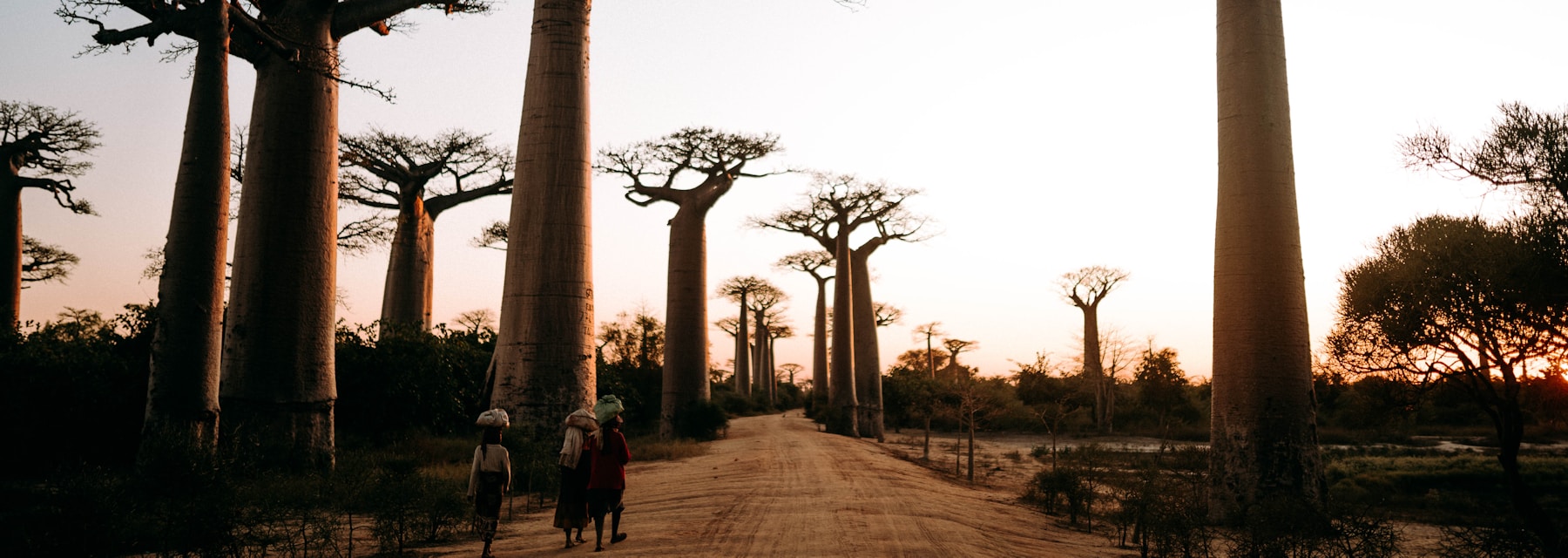
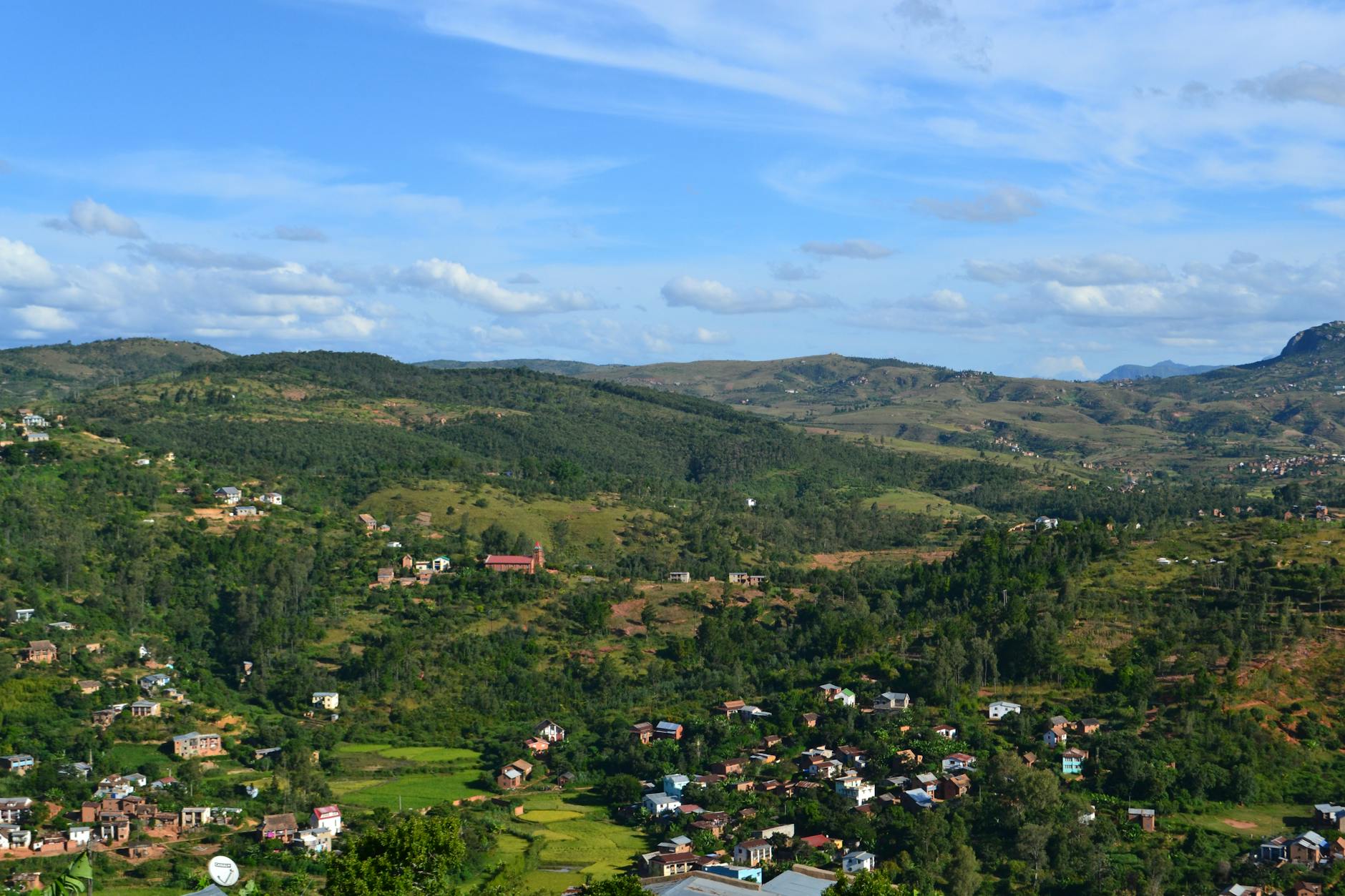
Madagascar is a different category entirely. There is no megafauna safari. What you see instead: lemurs (indri, sifaka, ring-tail, mouse lemur, brown lemur and many more across different parks), 50% of the world’s chameleon species, six baobab species, the limestone Tsingy karst, the sandstone canyons of Isalo, endemic birds (vanga, asity, ground-roller), and the fossa. This is biological wonder, not vehicle-based predator viewing. Build the route around our 10-day Madagascar itinerary to sequence the major endemic-rich parks. Browse lemur-focused tours on GetYourGuide.
Cost Per Day in 2026
South Africa mid-range (2026): self-drive Kruger possible at $180 to $250 per day per person (rental car $45 to $70 daily, SANParks chalet bookings $80 to $150 per night, park fee 480 ZAR daily). Lodge-based safari at SabiSabi, MalaMala, Singita or Lion Sands runs $600 to $1,800 per person per night all-inclusive (game drives, meals, drinks included). Cape Town add-on $150 to $280 per day. A 10-day Big Five plus Cape Town trip lands at $4,500 to $14,000 per person.
Madagascar mid-range: $90 to $160 per day per person all-in including 4WD with driver-guide (shared), lodges and meals. Park entry 65,000 MGA (~$14) plus 25,000–80,000 MGA guide fee per group. A 12 to 14 day trip covering Andasibe, Antsirabe, Ranomafana, Isalo, and Avenue of the Baobabs runs $1,800 to $3,500 per person — roughly half to a third of a comparable South Africa Kruger trip. International flights to Madagascar are typically more expensive, however, often offsetting some of the ground saving. Compare Antananarivo hotels on Agoda to anchor first-night logistics. Detailed numbers in our Madagascar budget guide.
Park Infrastructure and Self-Drive vs Driver-Guide
South Africa is the most self-drive-friendly safari destination on the continent. Tar roads inside Kruger, fuel stations, signposted rest camps, restaurant facilities, and a thriving rental car market mean a first-time traveller can confidently fly into Johannesburg or Nelspruit, drive in, and run their own safari. Private reserves bundle driver-rangers and lodges into one package — pricier but easier still.
Madagascar is the opposite. RN7 (Tana–Toliara) and RN4 (Tana–Majunga) are paved but slow. Most other routes are graded gravel or rough. Self-drive is possible for confident off-road drivers but unusual; the standard approach is a 4WD with driver-guide arranged through a Madagascar agency or pre-booked operator. Pickup is at Tana airport, drop-off back at Tana 12 to 14 days later. Distances feel double their map length because of the road surface. If you want to self-drive any segment, compare 4WD rentals on Carla — book at least a week ahead in peak season.
Verdict: Which Trip You Actually Want
Choose South Africa if: you want the classic safari with Big Five sightings, you have 8 to 12 days, you want to self-drive or use lodge-based packages, you want world-class wine, food, and Cape Town as bonus, and your wildlife expectations are set by Out of Africa or BBC Earth. South Africa delivers exactly that, very reliably.
Choose Madagascar if: you have already done a classic East/Southern African safari, you want endemism over megafauna, you are curious about the lemur lineage and unique island evolution, you have 12 to 18 days, and you can absorb long road days and modest lodging. Madagascar is the answer to “what’s left after the obvious safari destinations”. Browse Madagascar wildlife tour packages on GetYourGuide. Plan the season with our best time to visit Madagascar guide. Whichever destination, medical evacuation is $30,000 to $80,000 — Get SafetyWing before you fly.
Frequently Asked Questions
Can I see lions in Madagascar?
No. Madagascar has no lions, no elephants, no leopards, no buffalo, no rhinos — none of the Big Five. The island broke off Africa 88 million years ago before those species evolved. The flagship Madagascar predator is the fossa, a small cat-like carnivore unique to the island.
Can I do both South Africa and Madagascar on one trip?
Yes — Johannesburg to Antananarivo is direct on Airlink, around 4 hours flight time. A 21-day combo (Cape Town/Kruger plus 10 days Madagascar) is common with experienced Africa travellers. Plan international flights through Johannesburg to save a connection.
Which is safer?
Both are generally safe with standard urban precautions. South Africa has higher big-city crime statistics (Johannesburg, parts of Cape Town); Madagascar has lower violent crime but higher petty theft and road accident risk.
These are not two versions of the same trip — they are different categories. South Africa delivers the Big Five safari almost everyone imagines when they think “Africa”. Madagascar delivers an evolutionary wonderland of lemurs, baobabs, and chameleons that exists nowhere else. Pick the right one for your wildlife wish list and your travel experience level. Whichever you choose, lock insurance before booking: Get SafetyWing — medical evacuation can cost $30,000 to $80,000.
Travel Insurance for Madagascar
Medical evacuation from Madagascar costs $30,000–$80,000. Don’t travel without cover.
- SafetyWing — monthly-subscription travel medical cover; you can check their plans.
- World Nomads — single-trip travel insurance with adventure-activity options.
Plan Your Trip to Madagascar
- Read the full Madagascar Travel Guide
- Explore itineraries by style and duration
- Explore the full destination guide
Where to Stay