Madagascar vs Zanzibar vs Cape Town Kitesurfing 2026: Which Is Best for You?
Affiliate disclosure: This article contains sponsored links to hotels, tour operators, insurance providers, and other travel services. We earn a small commission if you book through our links, at no extra cost to you.
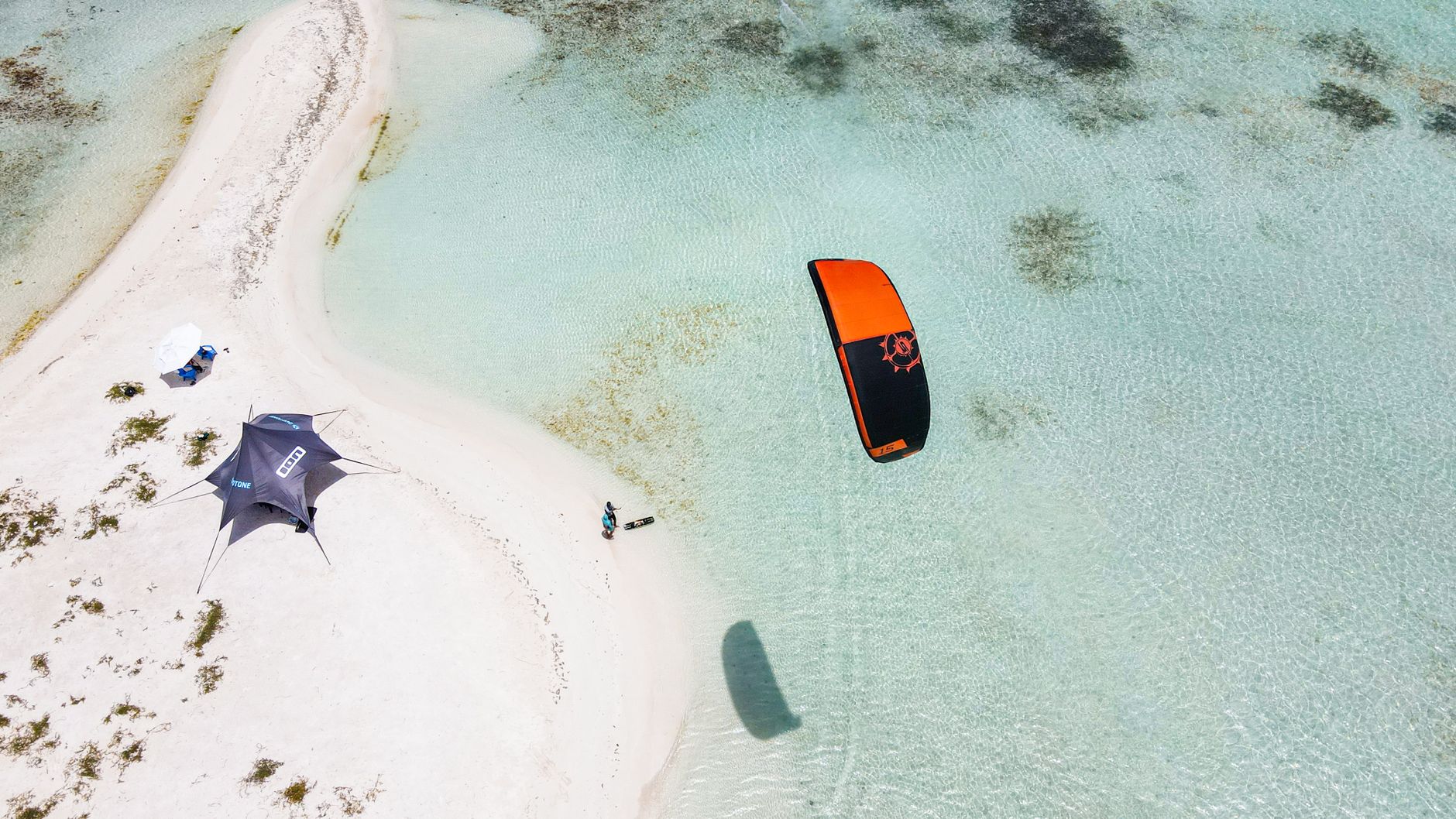
Madagascar vs Zanzibar vs Cape Town Kitesurfing 2026 — At a Glance
- Madagascar (Sakalava Bay): World-class side-shore wind, flat-water + waves, warm water, and gloriously uncrowded — the emerging frontier
- Zanzibar (Paje): Warm-water freestyle paradise, fun scene, but increasingly crowded and tide-dependent
- Cape Town: The global mecca — huge wind and a world-class scene, but cold water, big crowds, and gusty conditions
- For uncrowded warm-water riding: Madagascar
- For a buzzy warm-water scene: Zanzibar
- For big wind and a vibrant scene: Cape Town
- Flight protection: EU261 €600 per passenger on disrupted European inbound flights
- Travel insurance: SafetyWing Nomad Insurance — confirm it covers kitesurfing
- Madagascar northern stays: Nosy Be & northern hotels on Agoda
🏖 Beach & Snorkel Kit
For Madagascar’s islands and reefs, pack these:
- UPF-50 rash guard — all-day sun protection in and out of the water. See on Amazon →
- Waterproof phone pouch — IPX8 case for boats, beaches and snorkelling. See on Amazon →
- Waterproof dry bag — keeps gear dry on boat transfers and paddling. See on Amazon →
- Quick-dry travel towel — packs tiny, dries in the Madagascar heat. See on Amazon →
- Reef-safe sunscreen — protects you and the coral reefs. See on Amazon →
As an Amazon Associate we earn from qualifying purchases.
Madagascar, Zanzibar, and Cape Town are three of the most talked-about kitesurfing destinations in this part of the world — but they offer profoundly different experiences. Cape Town is the global mecca of big wind and big scene; Zanzibar’s Paje is the warm-water freestyle party; and Madagascar’s Sakalava Bay is the emerging frontier, offering world-class wind over warm, uncrowded water. This honest comparison weighs all three across the factors that matter to kiters — wind quality and reliability, water temperature, conditions, crowds, scene, access, and cost — so you can choose the right one for your trip.
The short version: if you want big wind, a vibrant scene, and don’t mind cold water and crowds, Cape Town is the benchmark. If you want a warm-water freestyle holiday with a fun social scene, Zanzibar delivers. But if you want world-class, reliable wind over warm water you barely have to share — the dream conditions without the crowds — Madagascar increasingly wins. For kiters who value uncrowded water and a wild setting, Sakalava Bay is the choice. The full picture is in our Madagascar kitesurfing pillar.
Why This Comparison Matters
For a travelling kiter, choosing a destination is a meaningful decision — these are trips planned around wind seasons, with real money and limited holiday time at stake, and there is genuine disappointment in choosing a spot that doesn’t match what you actually want. A rider craving warm, mellow, uncrowded sessions will be overwhelmed by Cape Town’s cold, gusty intensity and crowds; a rider wanting a buzzing social scene might find Sakalava Bay’s quiet too quiet. These three are often weighed against each other because they sit in the same broad region and all promise world-class wind, yet they deliver it so differently that the right choice depends heavily on your level, your priorities, and the kind of trip you want.
The most useful lens is to ask what matters most to you on the water and around it. Big, powerful wind and a vibrant scene, cold water accepted? Cape Town. Warm-water freestyle and a fun social atmosphere, crowds accepted? Zanzibar. Or world-class, reliable wind over warm, empty water in a wild setting, extra travel accepted? Madagascar. All three are genuinely world-class at what they do; the point of comparing honestly is to help you recognise which one is yours, so your hard-won kite holiday delivers exactly the riding — and the vibe — you came for.
The Kite Experience: What Each Is Really Like
Cape Town kiting is the global benchmark for big-wind riding. The famous spots like Bloubergstrand deliver powerful, reliable wind in summer, with a vast, vibrant scene of riders, schools, and a buzzing city behind it. But the water is cold (wetsuit territory), the wind can be gusty and strong (not ideal for beginners or those wanting mellow sessions), and the famous beaches are crowded. For experienced riders who want big air, strong wind, and a world-class scene — and don’t mind a wetsuit and crowds — Cape Town is unmatched.
Zanzibar kiting, centred on Paje on the east coast, is the warm-water freestyle paradise, with steady wind in season, flat water at low tide, warm water, and a famously fun, social scene of kite camps and beach bars. It is excellent for freestyle and learning, and the party atmosphere appeals to many. The trade-offs are growing crowds (Paje can be packed), a strong tidal influence (the water comes and goes), and a scene that, while fun, is no longer the uncrowded secret it once was.
Madagascar kiting, at Sakalava Bay in the far north, combines much of what the other two offer — world-class wind, warm water, flat-water and wave riding — with the distinctive advantage of being gloriously uncrowded. The side-shore trade winds are reliable through the windy season, the water is warm, and the bay offers flat water, chop, and waves in one place — yet you ride with a fraction of the people. It is earlier in its development, so the scene and infrastructure are smaller, but that is precisely the appeal: world-class conditions over empty water.
Why Crowds Matter More Than Kiters Admit
It is worth dwelling on crowds, because they affect the riding experience more than most kiters acknowledge when choosing a destination. On packed water, you spend mental energy avoiding collisions, watching for crossing lines, and queuing for launch space — all of which detracts from the flow that makes kitesurfing so addictive. Beginners especially suffer, as crowded water is intimidating and dangerous to learn in. And for everyone, the simple pleasure of riding open water, carving where you like without dodging others, is increasingly rare at the famous spots. Both Cape Town and Zanzibar, for all their strengths, have become busy, and at peak times the crowds are a genuine factor.
This is where Madagascar’s Sakalava Bay quietly wins. Riding world-class wind over largely empty water is not just more pleasant — it is safer, better for progression, and closer to why people fall in love with the sport in the first place. You can boost a jump without checking for traffic, practise a trick repeatedly in clear space, or simply cruise the bay in solitude. For riders who have experienced the crowds of the famous spots, this freedom is often the single most striking thing about Madagascar, and the reason many return. Crowds are easy to dismiss when comparing destinations on paper, but on the water they shape the whole experience — and uncrowded water is precisely what Madagascar offers and the others increasingly cannot.
Wind Quality and Reliability
All three offer good wind in season, but with different characters. Cape Town has the strongest, most powerful wind — superb for big air, but gusty and intense. Zanzibar has steady, manageable trade winds ideal for freestyle and learning, though strength varies. Madagascar‘s Sakalava Bay offers reliable, side-shore trade winds — steady, predictable, and in the safest direction — well-suited to all levels, from learning to advanced. For consistent, manageable, all-level wind over warm water, Madagascar and Zanzibar lead; for raw power, Cape Town. Crucially, Madagascar delivers its reliable wind without the crowds, so you actually get to use it without queuing for space.
Water Temperature and Conditions
This is a major differentiator. Cape Town is cold-water kiting — a wetsuit is essential, and the cold is a real factor for many riders. Zanzibar and Madagascar are both warm-water, boardshorts kiting, far more comfortable for most. On conditions: Cape Town offers wind and waves; Zanzibar offers flat water (tide-dependent) ideal for freestyle; Madagascar’s Sakalava Bay offers flat water, chop, and a wave section in one bay — the most varied of the three from a single spot, and without Zanzibar’s strong tidal constraint. For warm-water variety in one location, Madagascar stands out.
Crowds and Scene
Here the destinations diverge sharply. Cape Town has a huge, vibrant scene — exciting and social, but the famous beaches are crowded. Zanzibar‘s Paje has a fun, party scene with many kite camps and bars, but it too has become busy, with packed water at peak times. Madagascar‘s Sakalava Bay is the opposite — a small scene and gloriously uncrowded water, where you ride with space and few other riders. For kiters who want a buzzing social scene, Cape Town or Zanzibar; for those who want uncrowded water and a wild, quiet setting, Madagascar wins decisively. This is Madagascar’s single biggest advantage, and the reason riders tired of crowds are increasingly drawn to it.
Access and Getting There
Cape Town is the easiest, a major international hub with direct flights from many cities. Zanzibar is well-connected, with direct and one-stop flights from Europe and beyond. Madagascar‘s Sakalava Bay requires the most effort — international flights via Paris, Addis Ababa, Nairobi, or Mauritius, then a domestic flight to Diego Suarez. This is the main trade-off for Madagascar’s uncrowded water: it takes more to get there. For kiters short on time or wanting minimal travel, Cape Town or Zanzibar are easier; for those willing to travel further for empty, world-class water, Madagascar repays the effort. Whichever you choose, protect your flights — if a European inbound flight is disrupted, EU261 protection can return up to €600 per passenger.
Cost Comparison
Costs vary by what you value. Zanzibar offers good value, with a range of kite camps at sensible prices. Cape Town can be excellent value on the ground (a favourable destination for many currencies), though the long-haul flights add up, and it’s a city-holiday cost structure. Madagascar sits in a reasonable middle: the on-the-ground costs (kite camp, accommodation) are sensible, but the airfare to reach the remote north is the main cost. For pure on-the-ground value, Zanzibar and Cape Town may edge it; for value measured in uncrowded, world-class riding per dollar, Madagascar is compelling. For a full breakdown of Madagascar’s costs, see our kite trip cost guide, linked from the pillar.
A Closer Look: Madagascar Kitesurfing
Madagascar’s case rests on world-class wind over warm, empty water. Sakalava Bay delivers reliable side-shore trade winds through the windy season, with flat water for freestyle and learning, chop for big air, and a wave section on the reef — the full spectrum in one bay. The water is warm (boardshorts kiting), the setting is wild and beautiful, and crucially, you ride with a fraction of the people of the famous spots. For a rider who has grown tired of dodging others on packed water, the freedom to ride uninterrupted is a revelation. The honest caveats: it takes effort to reach (the remote far north), the scene and infrastructure are smaller, and there’s less of a party atmosphere. But for the rider focused on the riding itself, those are easily accepted — and the uncrowded, world-class water is exactly the point. Watersports travellers exploring the wider coast may also enjoy our best beaches and coastal escapes guide.
A Closer Look: Zanzibar Kitesurfing
Zanzibar’s Paje is the warm-water freestyle favourite, and for good reason: steady trade winds in season, flat water at low tide ideal for tricks, warm water, and a famously fun, social scene of kite camps and beach bars. For riders who want to combine progression with a lively atmosphere — sundowners, a buzzing beach, plenty of fellow kiters — Paje is hard to beat, and it’s well-set-up and accessible. The trade-offs are real, though: Paje has become busy, with packed water at peak times and lines crossing; the strong tidal influence means the water comes and goes, constraining when you can ride; and the secret-spot feel of years past is gone. Zanzibar remains a superb warm-water freestyle destination, especially for the social rider, but it is no longer the uncrowded escape it once was.
A Closer Look: Cape Town Kitesurfing
Cape Town is the global mecca, and for big-wind riding in a world-class scene, nothing matches it. The summer wind at spots like Bloubergstrand is powerful and reliable, the scene is vast and exciting, and the city behind it offers everything for a non-riding holiday too. For experienced riders who want big air, strong wind, and a vibrant kite culture, Cape Town is a bucket-list destination. But it is a fundamentally different experience from the warm-water spots: the water is cold (a wetsuit is essential), the wind can be gusty and intense (challenging for beginners or those wanting mellow sessions), and the famous beaches are crowded. Cape Town rewards the strong, experienced rider who relishes power and a big scene; it is less suited to those seeking warm, mellow, uncrowded riding — which is precisely where Madagascar comes in.
The Verdict by Rider Type
The experienced big-air rider: Cape Town. Powerful wind and a world-class scene, if you accept cold water and crowds.
The freestyle rider who wants a social scene: Zanzibar. Warm water, flat at low tide, and a fun atmosphere, if you accept the crowds and tides.
The rider who wants uncrowded warm-water riding: Madagascar. World-class wind over empty, warm water with varied conditions — the standout for solitude.
The beginner: Madagascar or Zanzibar, both warm-water with learning conditions; Madagascar’s Sakalava Bay and Emerald Sea are ideal and uncrowded. Cape Town’s strong, gusty wind is harder for beginners.
The rider short on time: Cape Town or Zanzibar, easier to reach. Madagascar rewards those who can travel further.
The rider who wants to ride where others haven’t: Madagascar, decisively — the uncrowded frontier is its whole appeal.
Can You Combine Them?
Some dedicated kiters ride more than one of these across different trips, building a personal wind résumé — Cape Town for the big-wind season, Zanzibar and Madagascar for warm-water riding. Combining two in a single trip is geographically possible (Madagascar and Zanzibar are relatively close) but logistically demanding, and most riders are better served doing one destination well per trip. If you’re new to the region and want warm-water riding with the best balance of wind, conditions, and solitude, Madagascar is an excellent choice; if you want the social scene, start with Zanzibar; if you want big wind and don’t mind cold, Cape Town. Many riders who do the busy spots first later seek out Madagascar precisely for the uncrowded, wilder experience.
The Case for Each in One Line
Distilled: Cape Town is where you go for big, powerful wind and a world-class scene, accept cold water and crowds, and come away having ridden a global mecca. Zanzibar is where you go for warm-water freestyle and a fun social atmosphere, accept the crowds and tides, and get good value. Madagascar is where you go for world-class, reliable wind over warm, empty water in a wild setting, accept the extra travel and smaller scene, and come away having ridden somewhere that still feels like a frontier.
Those one-liners capture the trade-offs, and they point to why so many experienced kiters now add Madagascar to their list. Having ridden the famous, organised spots, they find in Sakalava Bay something those places have largely lost — world-class wind over water you barely share. It is not the easiest to reach or the liveliest scene, but for the rider whose priority is the riding itself, over warm, uncrowded water in a beautiful setting, Madagascar offers a combination that is increasingly rare and increasingly sought-after. The other two are superb at what they do; Madagascar offers something a little different, and for a growing number of riders, that difference is exactly the point. It is the kind of spot that, once ridden, recalibrates what you expect a great kite destination to feel like — and makes the crowds elsewhere noticeably harder to accept the next time you find yourself riding among them at a busy spot.
Which Kite Destination Is Right for You?
Choose Cape Town if: you’re an experienced rider who wants big, powerful wind, a vibrant scene, and easy access, and you don’t mind cold water and crowds.
Choose Zanzibar if: you want a warm-water freestyle holiday with a fun, social scene and good value, and you accept growing crowds and tidal conditions.
Choose Madagascar if: you want world-class, reliable wind over warm, uncrowded water, with flat-water and wave riding in a wild setting — the dream conditions without the crowds. The choice for kiters who want to ride where others haven’t yet.
For many kiters, the deciding question is whether you want the established scene (Cape Town or Zanzibar) or the uncrowded frontier (Madagascar). All three offer world-class wind; the difference is water temperature, crowds, scene, and setting. Madagascar’s growing reputation rests on offering comparable wind to the famous spots over warm, empty water — an increasingly attractive proposition for riders who have done the busy destinations and want something wilder and quieter. Compare Madagascar’s premier spot in detail in our Sakalava Bay kitesurfing guide.
Season Comparison
The three destinations have different (and sometimes opposite) seasons, which can actually make them complementary across a year. Cape Town‘s prime kite season is the southern-hemisphere summer, roughly November–March, when the strong “Cape Doctor” wind blows. Zanzibar has two main wind seasons — the Kaskazi (roughly December–February) and the stronger, more popular Kusi (roughly June–September). Madagascar‘s Sakalava Bay windy season runs roughly April–November (the dry season), overlapping Zanzibar’s Kusi. This means a kiter can, in principle, chase wind year-round across the three — Cape Town in the southern summer, Madagascar and Zanzibar’s Kusi in the middle of the year. For planning a single trip, the key is simply to match your travel dates to each destination’s wind season; arriving off-season at any of them means light or unreliable wind. A specialist who knows the local patterns — especially for Madagascar — can pinpoint the windiest weeks.
The Bottom Line for the Travelling Kiter
None of these three is objectively “best” — each is the best choice for a particular rider and priority. Cape Town is the big-wind, big-scene benchmark, unmatched for power and culture if you accept cold water and crowds. Zanzibar is the warm-water freestyle party, great fun and good value if you accept the crowds and tides. And Madagascar is the warm-water frontier, offering world-class, reliable wind over empty water in a wild setting — increasingly the choice for riders who have done the busy spots and want something quieter, or who simply want the best uncrowded warm-water riding available.
What tips a growing number of travelling kiters toward Madagascar is the combination no other destination quite matches: reliable, all-level wind; warm water; varied conditions in one bay; a wild, beautiful setting; and — above all — space to ride. It asks more in travel and offers less in nightlife, but it repays both with riding that feels like genuine discovery rather than a crowded circuit. For the kiter whose priority is the riding itself, over warm, empty water, Madagascar is increasingly the answer — and Sakalava Bay is only becoming better known. Riding it now, before the wider kite world catches on, is itself part of the appeal.
Protecting Your Kite Trip, Wherever You Go
Whichever destination you choose, kitesurfing is an adventure sport and comprehensive travel insurance is essential — and you must confirm it covers kitesurfing, as many standard policies exclude it. Coverage should include medical emergencies and evacuation, the activity of kitesurfing, and trip disruption. This matters most for Madagascar, where remoteness raises the stakes, but applies everywhere. SafetyWing Nomad Insurance offers flexible coverage suited to active travel — verify the kitesurfing inclusion. Never skip it.
Carla / Voyagiste Madagascar (bespoke kite-trip planning)
If Madagascar is your choice, contact Carla directly — our Madagascar-resident specialist plans kite trips matched to your level, dates, and budget, with the right spot, season, and camp, so Madagascar delivers the uncrowded, world-class wind the famous destinations can no longer match for solitude.
Frequently Asked Questions
Is Madagascar better than Zanzibar for kitesurfing?
For uncrowded water and varied conditions in one bay, increasingly yes — Sakalava Bay is far less busy than Paje. For a fun, social warm-water scene with easier access, Zanzibar leads. It depends on what you value.
Is Madagascar or Cape Town better for kitesurfing?
Cape Town has bigger wind and a huge scene but cold water and crowds; Madagascar has reliable wind over warm, uncrowded water. For warm-water solitude, Madagascar; for big-wind intensity and a vibrant scene, Cape Town.
Which has the warmest water?
Madagascar and Zanzibar are both warm-water (boardshorts) kiting. Cape Town is cold-water (wetsuit) kiting.
Which is least crowded?
Madagascar’s Sakalava Bay, decisively — you ride with a fraction of the people of Paje or Cape Town’s beaches.
Which is easiest to reach?
Cape Town and Zanzibar. Madagascar’s far north requires connecting flights — the trade-off for its uncrowded water.
Do I need special insurance?
Yes — confirm your policy covers kitesurfing, as many exclude it. See SafetyWing.
🪁 Plan an Uncrowded, World-Class Madagascar Kite Trip With Carla
If you want dream wind without the crowds, Madagascar is the answer. Reach out to Carla, our Madagascar-resident specialist, to match the right spot, season, and camp to your level — world-class riding over empty water.
Plan Your Trip to Madagascar
- Read the full Madagascar Travel Guide
- Explore itineraries by style and duration
- Explore the full destination guide
Where to Stay