Masoala Tours & Packages 2026: Rainforest, Marine & Whale Trips, How to Book
Affiliate disclosure: This article contains sponsored links to hotels, tour operators, insurance providers, and other travel services. We earn a small commission if you book through our links, at no extra cost to you.
Masoala Tours & Packages 2026 — At a Glance
- The short version: Masoala is Madagascar’s largest national park — a vast, roadless rainforest-meets-sea wilderness on the northeast peninsula — and almost everyone visits on a guided multi-day package out of Maroantsetra, combining boat transfers, rainforest treks, a Nosy Mangabe island day, snorkeling on the marine parks, and (July–September) humpback whale-watching in the Bay of Antongil.
- 🌿 Book your trip: browse Masoala & northeast Madagascar tours on GetYourGuide — the easiest way to compare bookable rainforest, island and whale-watching experiences.
- Want it tailored? Plan a custom trip with a local — contact Carla to build a fully bespoke Masoala + northeast itinerary.
- Getting around: arrange a car & driver via Carla for the road legs and transfers around the wider region.
- Flight delayed or cancelled? You may be owed compensation — check your claim with AirAdvisor.
- Travel insurance: remote rainforest and boat travel make cover essential — SafetyWing Nomad Insurance.
- Stays elsewhere in Madagascar: book Madagascar stays on Agoda for your city nights before and after the park.
🐿 Wildlife-Watching Gear for Madagascar
The right kit turns a good wildlife trip into a great one:
- 8×42 binoculars — essential for spotting lemurs and chameleons in the canopy. See on Amazon →
- Rechargeable headlamp — essential for night walks; red mode won’t disturb wildlife. See on Amazon →
- Trekking poles — ultralight support for long park hikes. See on Amazon →
- Hiking daypack — comfortable pack for water, camera and layers. See on Amazon →
- Picaridin insect repellent — DEET-free protection against malaria mosquitoes. See on Amazon →
As an Amazon Associate we earn from qualifying purchases.
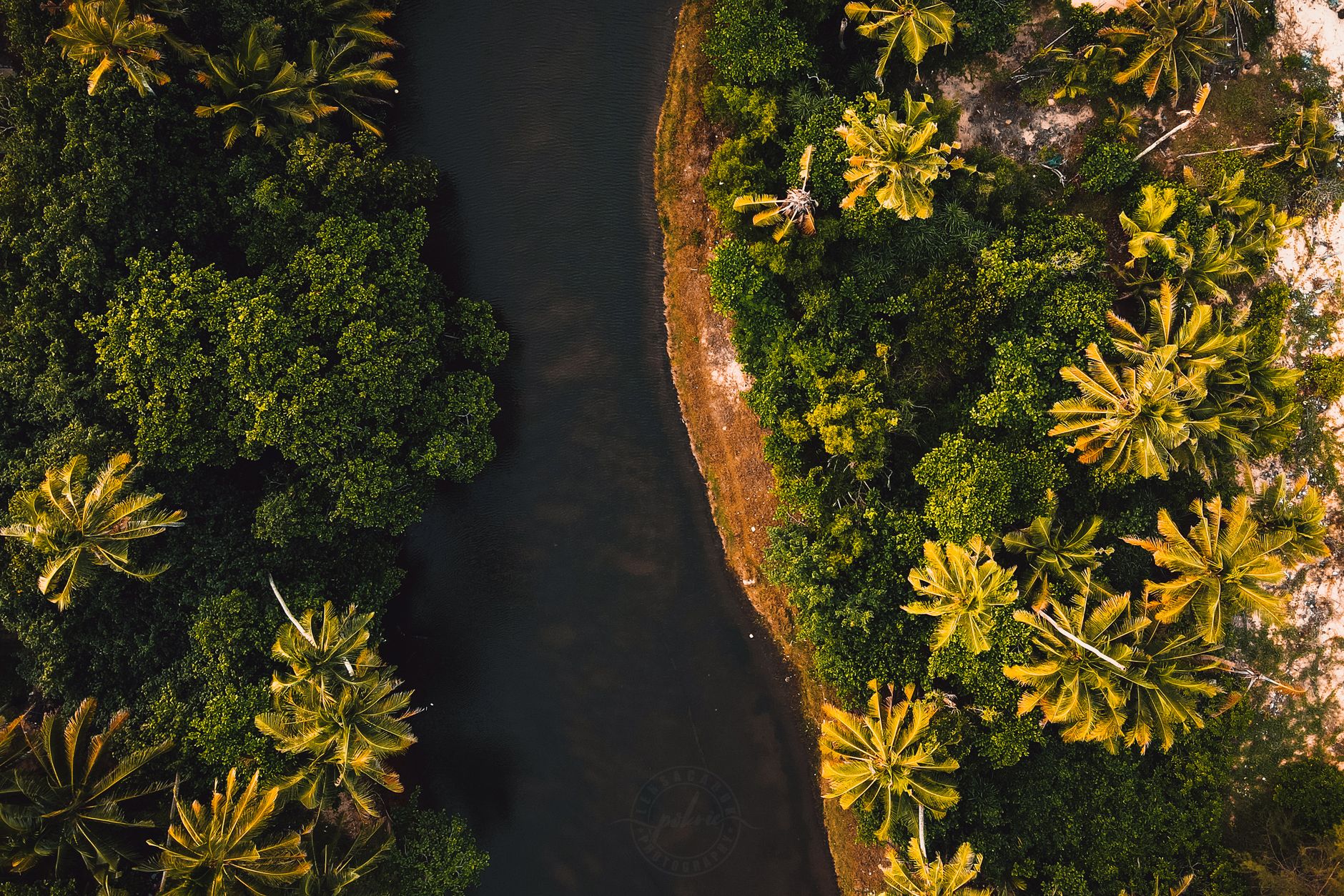
Masoala National Park is the kind of place that resists casual travel. It is the largest protected area in Madagascar, a roadless tangle of lowland rainforest spilling straight into three marine parks on the Bay of Antongil, reachable only by boat and best explored on foot with a local guide. There are no resort strips, no string of self-drive options, no public transport into the heart of it. What there is, instead, is one of the richest and least-disturbed pieces of wilderness left in the Indian Ocean — and the practical reality that almost everyone who experiences it does so on a guided, organised package.
This guide explains how Masoala trips actually work: why a tour is essentially required rather than optional, what a typical multi-day package from Maroantsetra looks like, how the July–September whale season slots in, what your money usually does and does not cover, and how to choose between booking a ready-made experience on GetYourGuide or having a local specialist like Carla build a fully tailored northeast trip around your dates. If you are still deciding whether the park is for you, start with our complete Masoala National Park guide and the Masoala wildlife and lemurs overview — then come back here to sort out the logistics.
It also helps to set expectations before you read on. Masoala is not a place you “fit in” between two beach resorts — it is a deliberate journey to one of the last large tracts of intact coastal rainforest on the planet, and the trip is built differently from anywhere else in Madagascar. The pace is dictated by tides, weather and daylight rather than a tight schedule; the comfort is rustic rather than luxurious; and the rewards come to travellers who arrive with realistic expectations, decent fitness for humid forest walking, and a willingness to be flexible. A well-run package smooths all of that out, which is exactly why understanding how packages are structured is the most useful thing you can do before you book.
Why a guided, organised trip is essentially required
Plenty of Madagascar destinations reward independent travellers. Masoala is not one of them. The peninsula has effectively no road network reaching the park, and the standard way in is a sea crossing from Maroantsetra — itself usually reached by a short flight or a long, rough overland journey. Once you are there, the rainforest is genuinely trackless in places, the trails are unsigned, and the wildlife you have come for is camouflaged, nocturnal or both. Trying to do this alone is not adventurous so much as impractical.
There is also a regulatory layer. As with all national parks managed by Madagascar National Parks (MNP), you cannot simply wander into Masoala on your own — a registered MNP guide is compulsory, both for your safety and to protect the ecosystem. Boat transfers across the bay need a competent skipper who knows the conditions, and marine-park snorkeling is done with operators who understand the reefs and the rules. Add the camp or lodge logistics, meals carried in, and park fees, and the case for an organised package becomes overwhelming. A good operator turns a logistically forbidding region into a smooth, memorable trip.
Consider what an operator quietly absorbs on your behalf. They book and re-book the small domestic flights that connect to Maroantsetra, which are prone to schedule changes; they keep the boat fuel, life jackets and a reliable skipper lined up for your crossing window; they pre-arrange your MNP guide and the entry permits so you are not negotiating at a park office; they carry in food, water and cooking gas to a camp with no shops; and they hold a plan B for the days the sea is too rough to cross or snorkel. None of that is visible in a glossy itinerary, but all of it is the difference between a trip that happens and one that unravels. For most travellers, paying a competent operator to handle this chain is far cheaper — in money, time and stress — than trying to assemble it piecemeal from abroad.
The simplest way to see what is bookable is to browse Masoala and northeast Madagascar tours on GetYourGuide. If you would rather hand the whole thing to someone on the ground, Carla can plan a custom trip and handle the flights, boats and guiding as one package.
The typical Masoala package from Maroantsetra
Almost every Masoala itinerary is built around Maroantsetra, the small town at the head of the Bay of Antongil that serves as the gateway. From there a typical package runs roughly three to six days, though longer expeditions exist for keen naturalists. The shape of it is remarkably consistent because the geography dictates it.
Boat transfers. Your trip usually opens and closes with a boat crossing — a motorised transfer from Maroantsetra over the bay to the peninsula. The crossing can take anywhere from around one to several hours depending on your destination beach and the state of the sea, and it is often the leg that defines the day’s plan. Sea conditions vary, so flexibility on timing is normal, and a good operator will plan around the weather rather than against it, sometimes leaving early to beat afternoon wind or holding a crossing if the swell is up. Expect spray, so pack a dry bag for cameras and documents, and treat the boat day as part of the adventure rather than a transfer to be rushed.
A forest-and-beach base. Most packages put you up at a rainforest-edge lodge or a simple beach camp where the trees meet the sand — one of the defining images of Masoala. Accommodation here ranges from a handful of comfortable eco-lodges to genuinely basic tented or bungalow camps, and the standard is generally rustic rather than luxurious: think mosquito nets, cold or solar-heated water, limited or no electricity, and meals cooked on site. From this base you head out on foot each day and return to the same camp, which keeps the logistics manageable and means you are not packing up and crossing water every morning. It is worth confirming exactly what your base offers before you book, because “lodge” can mean very different things out here.
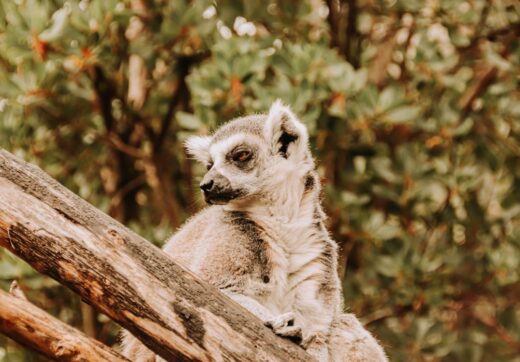
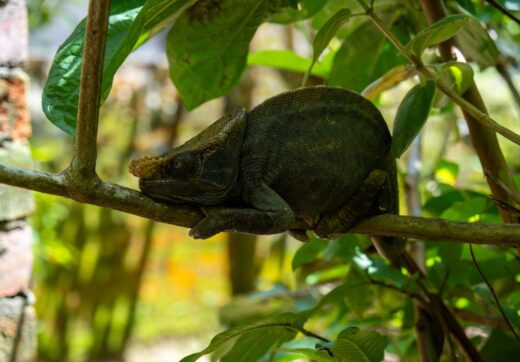
Guided rainforest treks. The core of the experience is walking the forest with your MNP guide in search of the park’s headline residents: the red ruffed lemur (found nowhere else on Earth), other lemur species, chameleons, frogs, and an extraordinary diversity of birds and insects. Treks are typically a few hours each, on humid, root-laced trails that can be steep, slippery and muddy after rain, so reasonable fitness and good grippy footwear matter. Day and night walks reveal very different casts of characters — the nocturnal walk is when many of the park’s frogs, chameleons, mouse lemurs and hunting predators come out — and a patient guide who can spot a thumbnail-sized gecko or read a distant rustle is worth far more than the cheapest quote.
A Nosy Mangabe day. Almost every package includes a day on Nosy Mangabe, the small forested island in the bay famous for the elusive aye-aye and for its leaf-tailed geckos — masters of camouflage that are a highlight of any trip. The island is a short boat hop from Maroantsetra and a near-guaranteed inclusion. A typical visit means landing on the beach, walking the island’s forest trails with a guide to look for geckos, lemurs and birds, and sometimes a night component for the best chance at the nocturnal aye-aye, though sightings of that particular animal are never guaranteed anywhere. The combination of easy access and dense wildlife makes Nosy Mangabe one of the most rewarding single days of the whole trip.
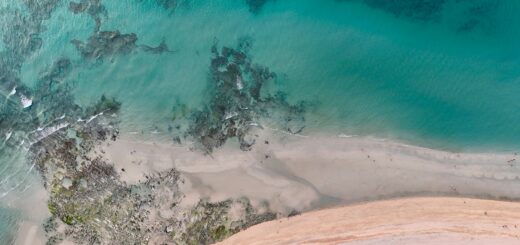
Snorkeling the marine parks. Masoala uniquely pairs rainforest with protected reef. Most itineraries build in snorkeling on one of the three marine parks, weather and water clarity permitting, where you swim straight off the same beaches you have been hiking from. You are usually provided with basic mask, snorkel and fins, though serious snorkellers often prefer to bring their own well-fitting gear. The reefs here are part of why the park exists, so snorkeling is done responsibly — no touching coral, no standing on the reef — and the best visibility tends to follow calm, settled spells rather than windy days. It is the kind of detail an operator schedules around, slotting the marine days into whatever weather window the week offers.
For the natural-history detail behind all of this, our Masoala wildlife and lemurs guide goes deep on what you will actually see, and the national parks and reserves overview shows how Masoala fits into the wider system. To see real, bookable versions of the package above, compare options on GetYourGuide.
The whale-season option (July–September)
If you can time your visit for the southern winter, Masoala offers one of Madagascar’s great wildlife spectacles. Each year from roughly July to September, humpback whales migrate into the warm, sheltered waters of the Bay of Antongil to calve and breed — and the bay you cross to reach the park becomes a whale-watching arena. Many operators add a dedicated whale-watching boat session onto the standard package during these months, so you can combine rainforest, reef and breaching humpbacks in a single trip.
In practice the whale outing is usually a dedicated half-day or full-day boat trip onto the bay, separate from your forest and snorkeling days, and it is often priced as an add-on rather than baked into the base package — so check whether it is included or extra when you compare quotes. Responsible operators keep a respectful distance from the animals and follow the guidance that protects calving mothers, which also tends to make for better, calmer viewing. Because the whales are present from roughly July to September, this option only exists for part of the year, and demand for the best dates is high — booking ahead matters more than usual, and the prime mid-season weeks fill first. If marine mammals are your priority, read our dedicated Madagascar whale-watching and marine mammals guide for the full picture on timing, the bay, and what to expect, then look for a package that bundles a whale outing. You can browse whale-season tours on GetYourGuide, or ask Carla to slot whale-watching into a custom Masoala itinerary built around the season.
A typical 4–6 day Masoala itinerary
No two operators run identical trips, and the sea has the final say, so treat the outline below as an illustrative shape rather than a fixed schedule. It shows how a common four-to-six-day package out of Maroantsetra tends to flow, and it is the kind of structure you can use as a yardstick when you compare what different operators offer.
- Day 1 — Arrive in Maroantsetra. You typically fly in (or finish a long overland leg), meet your operator and guide, and overnight in town. This is the day to confirm the plan, sort gear and rest before the early start, since onward boats usually leave in the morning.
- Day 2 — Cross to the peninsula. A morning boat transfer takes you across the bay to your forest-edge lodge or beach camp. After settling in, many trips fit in a first short walk or an introductory afternoon hike to start spotting wildlife close to base.
- Day 3 — Full day in the rainforest. A longer guided trek deeper into the park in search of red ruffed lemurs, other lemurs, chameleons and birds, usually with a separate night walk after dinner for the nocturnal species. This is often the wildlife highlight of the whole trip.
- Day 4 — Nosy Mangabe. A boat day to the island reserve, walking its trails for leaf-tailed geckos and lemurs, with the possibility of a night element for the elusive aye-aye on longer trips. On shorter packages this and a marine day are sometimes combined.
- Day 5 — Snorkeling and beaches (and whales in season). A more relaxed day built around snorkeling one of the marine parks off your home beach, weather permitting, or — between July and September — a dedicated whale-watching boat outing on the bay.
- Day 6 — Return crossing and depart. A morning boat back to Maroantsetra in time for an onward flight, or a final town night before leaving the region the next day.
Shorter three-to-four-day trips compress this by combining the island and marine days, while longer expeditions add more trekking, remote camps and time for serious photography or birding. Whatever the length, always budget a buffer day at each end: domestic flights to Maroantsetra can shift, and you do not want a delayed plane to cost you the whole crossing window. For real, bookable versions you can compare side by side, browse Masoala tours on GetYourGuide, or have Carla build the itinerary around your exact dates and interests.
What a package typically includes
Masoala packages are usually quoted as all-in figures, and it helps to understand what that number is generally buying. Inclusions vary by operator and trip length, so always confirm the specifics before you book — but the typical components look like this:
- Transfers and boats. The boat crossings to and from the peninsula are almost always included, and some packages also bundle the regional flight or transfer to reach Maroantsetra in the first place. Check whether your domestic flight is inside the price or arranged separately.
- Accommodation. Your nights at the forest-edge lodge or beach camp are normally part of the package, along with city nights at the start and end if needed.
- Guiding. The compulsory MNP guide, and often an accompanying naturalist or trip leader, is typically included — this is non-negotiable in the park anyway.
- Park and marine fees. Entry fees for the national park and marine parks are commonly built in, but it is worth confirming, as fees can be quoted separately.
- Meals. Full-board is the norm at remote camps, since there is nowhere else to eat — expect most meals to be included while you are out at the base.
What is usually not included: international flights, travel insurance, drinks, tips, and any add-ons like a private whale-watching charter. We deliberately avoid quoting exact prices here because they shift with the season, group size, fuel costs and operator — always check current prices when you enquire. For a structured look at the typical spend, our Masoala trip cost guide breaks down the major line items, and our where to stay in Masoala guide covers the lodge and camp options behind those package nights.
Private and custom trips versus set departures
Broadly, you have two ways to book Masoala. Set departures and standardised packages run to a fixed itinerary and dates, often shared with a small group, and they are the most straightforward to book — you pick a date, you pay, you turn up. Private and custom trips are designed around you: your dates, your pace, the balance of trekking versus beach versus whales, and whether you want to bolt Masoala onto a longer northeast adventure.
For many travellers a set package is perfect — efficient, sociable and easy. But because Masoala is remote and the logistics are intricate, a custom trip can be worth the extra coordination, especially if you are travelling as a family, have specific wildlife targets, or want to combine the park with other regions. The bookable experiences on GetYourGuide are ideal for the first approach; for a fully tailored version, Carla builds private northeast itineraries from scratch.
Combining Masoala with the wider northeast and east coast
Because getting to Masoala already involves a significant journey, many travellers fold it into a longer loop through eastern Madagascar rather than treating it as a standalone trip. Maroantsetra and the surrounding northeast pair naturally with other rainforest destinations down the east coast, and a well-planned route can string together several of the country’s signature wildlife sites in one go.
A classic combination links Masoala’s coastal rainforest with the more accessible eastern parks — see our guide to eastern Madagascar and Andasibe for the lemur-watching gateway most travellers add on. If you are planning the bigger picture, our Madagascar itinerary guide shows how the northeast slots into a full-country route, and the national parks and reserves overview helps you decide which parks to prioritise. Stitching these legs together is exactly the kind of thing a local planner handles well — Carla can map the whole route and arrange the connecting flights, boats and ground transport.
How to choose a Masoala operator
Because so much of a Masoala trip happens on boats and in remote forest, the operator you choose matters more than it would for an easy day-tour elsewhere. This is not a place where a weak operator simply gives you a so-so day — out here, the wrong choice can mean an unsafe crossing, a guide who cannot find the wildlife, or a camp that falls short of what you were promised, with no easy way to fix it once you have left town. A little diligence up front pays off enormously.
Start with boat safety, because the crossings are the highest-risk part of the trip. Look for well-maintained vessels, enough life jackets for everyone on board, and — most importantly — skippers and operators with the judgement to delay or cancel a crossing in bad conditions rather than push out to keep a schedule. An operator who talks openly about weather contingencies is reassuring; one who promises the sea will always cooperate is not.
Next, weigh the guiding. Inside the park your experience lives or dies on the quality of your guide. Properly registered MNP guides who genuinely know the wildlife, speak a language you share, and are paid fairly will transform the forest from a wall of green into a procession of sightings. Ask how guides are selected, whether a specialist naturalist accompanies wildlife-focused trips, and what the day-and-night walk structure looks like.
Then look at responsible practices and the things only experience reveals. A good operator runs small groups, respects the park’s fragile ecosystem and reef, employs and benefits the local communities you pass through, and is transparent about exactly what is and is not included. Before you commit, it is worth asking a few pointed questions: How big is the group? Who exactly is my guide, and are they MNP-registered? What happens if the sea is too rough to cross or snorkel on a given day? Is the whale outing included or extra? What are the accommodation and toilet facilities really like at the camp? And what is genuinely covered in the price versus paid locally? Clear, specific answers are a good sign; vague ones are a warning.
Finally, read recent reviews from travellers who did a comparable trip, and be wary of a quote that is dramatically cheaper than the rest — in a region with fixed costs for fuel, permits and fair guide pay, a rock-bottom price usually means a corner has been cut somewhere that matters. Booking through GetYourGuide gives you the reassurance of verified reviews, clear inclusions and a straightforward booking process for bookable experiences. If you want a human on the ground vetting every operator and building the trip around you, that is where a local specialist earns their keep — Carla works with trusted partners and arranges the whole northeast trip end to end.
Getting There & Travelling Well
Reaching Masoala means at least one domestic flight or a long overland leg to Maroantsetra, plus the boat crossing — and on long, multi-leg journeys to remote regions, disruptions happen. If a flight on your trip is delayed or cancelled, you may be entitled to compensation: it is worth checking your claim with AirAdvisor before you write off a ruined connection.
Travel insurance is not optional for a trip like this. You will be far from major hospitals, spending time on boats and on rainforest trails, in a region where medical evacuation could be a real consideration. SafetyWing Nomad Insurance is built for exactly this kind of independent, adventurous travel, with flexible cover that suits multi-week trips. Sort your policy before you leave home — taking out SafetyWing cover is a small step that protects a big trip.
Let Carla build your Masoala trip
Masoala is one of those destinations where local knowledge is worth its weight in gold. Carla, our Madagascar-based trip planner, can put together your entire Masoala adventure — arranging the flights to Maroantsetra, the boat transfers across the Bay of Antongil, the lodge or camp, the compulsory MNP guide, and the whale-watching add-on if you travel in season — then connect it to the rest of your northeast or east-coast route. You tell her your dates, your interests and your budget; she handles the logistics that make this remote region work. Contact Carla to start planning your custom Masoala trip, and arrange a car & driver via Carla for the connecting road legs.
Frequently Asked Questions
Do I really need a tour to visit Masoala?
In practical terms, yes. The park is roadless and reached by boat, the trails are unsigned, and a registered MNP guide is compulsory inside the park anyway. Almost everyone visits on an organised multi-day package out of Maroantsetra — independent visits are extremely difficult to arrange and not recommended. Browsing bookable Masoala tours on GetYourGuide or asking Carla for a custom plan is the realistic way in.
How many days do I need for Masoala?
Most packages run roughly three to six days, which is enough to combine rainforest treks, a Nosy Mangabe day and some snorkeling. Keen naturalists or photographers sometimes go longer. Remember to budget extra days for the travel to and from Maroantsetra, as the journey is part of the trip.
What’s included in a Masoala package?
Typically the boat transfers, accommodation at a forest-edge lodge or beach camp, the compulsory guide, park and marine fees, and most meals on a full-board basis. International flights, insurance, drinks and tips are usually extra, and some packages include the regional flight to Maroantsetra while others arrange it separately. Inclusions vary, so always confirm and check current prices — our trip cost guide has more detail.
When should I go for the whales?
Humpback whales migrate into the Bay of Antongil to breed roughly from July to September, so that southern-winter window is the time to add a whale-watching session to your trip. Demand for prime dates is high, so book ahead. See our whale-watching guide for full timing details.
Group tour or private trip — which is better?
A set-departure group package is the easiest and most economical way to go, and great if you are happy with a fixed itinerary. A private or custom trip costs more to coordinate but lets you control the dates, pace and focus, and is ideal for families or for combining Masoala with the wider northeast. For tailored trips, Carla designs private itineraries from the ground up.
How fit do I need to be, and what should I pack?
You do not need to be an athlete, but you should be comfortable walking for a few hours on humid, uneven, sometimes steep and muddy rainforest trails, and getting in and out of small boats. Bring sturdy grippy footwear, quick-drying clothes, a light rain layer, a dry bag for electronics, insect repellent, sun protection and any personal medication, plus your own snorkel gear if you are particular about fit. Camps are basic, so pack light but practical. If you have mobility limitations or specific needs, raise them when you book so the operator — or Carla — can advise honestly on whether the trip suits you.
Ready to plan your Masoala adventure?
Masoala rewards travellers who plan well. The fastest way to see what is bookable is to browse Masoala & northeast Madagascar tours on GetYourGuide. For a fully tailored trip — flights, boats, lodge, guide and whale season handled end to end — contact Carla to build your custom Masoala itinerary. And before you travel, protect the whole adventure with SafetyWing Nomad Insurance.
Plan Your Trip to Madagascar
- Read the full Madagascar Travel Guide
- Explore itineraries by style and duration
- Explore the full destination guide
Where to Stay