La faune de Masoala en 2026 : varis roux, aye-ayes et Nosy Mangabe
Divulgation d’affiliation : Cet article contient des liens sponsorisés vers des hôtels, voyagistes, assureurs et autres services de voyage. Nous percevons une petite commission si vous réservez via nos liens, sans coût supplémentaire pour vous.
Faune de Masoala 2026 — En un coup d’œil
- Espèces vedettes : le vari rouge (Varecia rubra), d’un roux flamboyant, que l’on ne trouve nulle part ailleurs sur Terre que sur la presqu’île de Masoala, ainsi que l’étrange aye-aye nocturne, les geckos à queue plate et la vie marine de la baie d’Antongil, là où la forêt tropicale rencontre le récif.
- Meilleure période pour la faune : la fenêtre plus sèche, d’environ septembre à décembre, offre les marches en forêt les plus fiables ; les baleines à bosse passent dans la baie d’Antongil entre juillet et septembre environ.
- Excursions faune guidées : parcourez les excursions faune guidées sur GetYourGuide — transferts en bateau, guides MNP et visites de Nosy Mangabe à la journée.
- Préparez avec une locale : contactez Carla pour bâtir un itinéraire faune à Masoala calé sur la saison sèche et la saison des baleines.
- Rejoindre la porte d’entrée : réservez une voiture avec chauffeur via Carla pour le trajet jusqu’à Maroantsetra, point de départ vers la presqu’île.
- Retards de vol : si un vol de correspondance vers Maroantsetra est retardé ou annulé, vous avez peut-être droit à une indemnisation — vérifiez votre dossier avec AirAdvisor.
- Assurance voyage : la forêt isolée et les trajets en bateau rendent la couverture indispensable — SafetyWing Nomad Insurance est conçue pour les longs voyages hors réseau.
- Où loger : comparez les hébergements à Madagascar sur Agoda pour vos nuits à Maroantsetra, avant et après le parc.
- Guide pilier : lisez le guide complet du parc national de Masoala pour tout le reste.
🐿 Matériel d’observation de la faune
Le bon matériel transforme une sortie nature :
- Jumelles 8×42 — indispensables pour repérer lémuriens et caméléons. Voir sur Amazon →
- Lampe frontale rechargeable — indispensable pour les marches de nuit. Voir sur Amazon →
- Bâtons de randonnée — ultralégers pour les longues randonnées. Voir sur Amazon →
- Sac à dos de randonnée — confortable pour eau, appareil et vêtements. Voir sur Amazon →
- Répulsif à la picaridine — sans DEET, contre les moustiques du paludisme. Voir sur Amazon →
En tant que Partenaire Amazon, nous réalisons un bénéfice sur les achats éligibles.
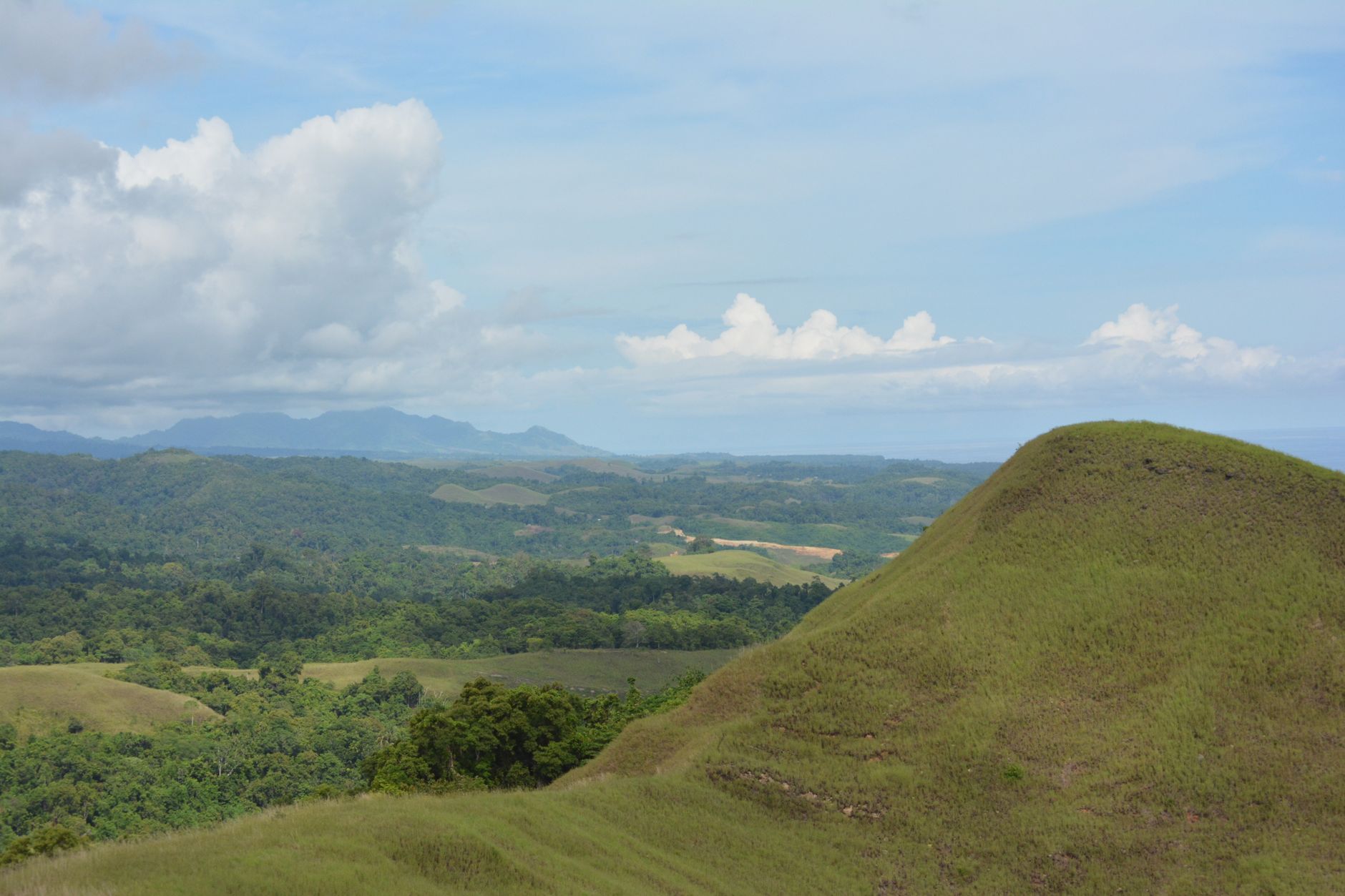
Le parc national de Masoala est le cœur sauvage de Madagascar — la plus vaste aire protégée du pays, un immense enchevêtrement de forêt tropicale de basse altitude qui dévale jusqu’à la mer sur la presqu’île isolée du nord-est qui porte son nom. Pour les naturalistes, c’est l’un des endroits les plus gratifiants et les plus exigeants de l’île. La forêt est dense, la pluie fréquente et les animaux farouches, mais la récompense est une liste de créatures qui n’existent nulle part ailleurs : le vari rouge couleur de feu bondissant dans la canopée, le bizarre aye-aye tapotant le bois mort dans l’obscurité, les geckos à queue plate qui disparaissent contre l’écorce et la musique étrange d’oiseaux de forêt rares. Ajoutez à cela ce littoral où la forêt rencontre le récif, où les baleines à bosse se rassemblent dans la baie d’Antongil, et Masoala devient l’un des rares endroits sur Terre où l’on peut observer un lémurien le matin et nager au-dessus du corail l’après-midi.
Ce guide est une plongée en profondeur dans la faune de Masoala et de sa réserve insulaire compagne, Nosy Mangabe, dans la baie d’Antongil. Il détaille ce que vous pouvez raisonnablement espérer voir, comment et quand l’observer, et comment vous comporter de manière responsable pour que la faune — et les communautés qui vous guident — bénéficient de votre visite. Voir les rares habitants de Masoala demande de la patience, un bon guide et un peu de chance, mais peu de voyages d’observation paraissent aussi authentiquement sauvages. Pour une vue d’ensemble de l’endroit où vit la faune du pays, associez ce guide à notre article sur où voir des lémuriens à Madagascar et au panorama des parcs nationaux et réserves de Madagascar.
Le vari rouge — l’emblème de Masoala
Si Masoala possède un seul emblème, c’est bien le vari rouge (Varecia rubra). Ce grand lémurien saisissant porte une épaisse fourrure d’un roux profond sur la majeure partie de son corps, rehaussée par une face, des mains, des pieds et un ventre noirs, avec une tache blanche caractéristique sur la nuque. Il est endémique non seulement de Madagascar mais de la presqu’île de Masoala elle-même — on ne le trouve nulle part ailleurs sur Terre — ce qui fait d’une observation ici une expérience véritablement impossible ailleurs. Les varis rouges vivent haut dans la canopée de la forêt tropicale de basse altitude, où ils se nourrissent principalement de fruits, complétés de nectar, de fleurs et de feuilles, jouant un rôle important comme pollinisateurs et disséminateurs de graines dans la forêt dont ils dépendent.
Ce sont des animaux bruyants et sociaux, et l’une des grandes expériences de Masoala est d’entendre le chœur tapageur et porteur d’une troupe rouler à travers la forêt à l’aube — un son qui aide les guides à les localiser. Les observations ne sont jamais garanties ; la canopée est haute et la forêt épaisse, donc un bon guide MNP, un départ matinal et la patience comptent tous. Lorsque vous trouvez enfin une troupe, vous pouvez les observer se nourrir, se toiletter et bondir de branche en branche au-dessus de vous, la fourrure rousse flamboyant sur le vert. Comme l’espèce est restreinte à cette unique presqu’île et menacée par la perte d’habitat, chaque visite responsable qui soutient le parc et ses guides contribue à les protéger. Le vari rouge est la raison pour laquelle de nombreux voyageurs entreprennent le long voyage jusqu’ici, et il déçoit rarement ceux qui laissent du temps à la forêt.
Les autres lémuriens de Masoala
Le vari rouge est peut-être la tête d’affiche, mais Masoala abrite une dizaine d’espèces de lémuriens, dont plusieurs ne sont actives qu’après la tombée de la nuit. Le jour, le lémurien diurne le plus fréquemment rencontré aux côtés du vari est le lémur brun à front blanc, un lémurien de taille moyenne souvent vu en petits groupes se déplaçant dans la canopée moyenne, les mâles ayant la face plus pâle que les femelles. Observer les lémurs bruns est généralement plus facile que de repérer les varis perchés en hauteur, et ils constituent une belle consolation — et une belle observation en soi — lors d’une matinée lente.
Après le crépuscule, la forêt cède la place aux lémuriens nocturnes. De minuscules microcèbes — parmi les plus petits primates au monde — sortent se nourrir, leurs yeux captant la lampe du guide comme des points brillants dans l’obscurité. Les lépilémurs, plus grands et plus lents, s’agrippent verticalement aux troncs et observent les marcheurs de nuit, tandis que le phaner à fourche, nommé d’après la marque sombre en forme de fourche sur sa tête, est une trouvaille plus rare et prisée pour ceux qui acceptent de marcher après la nuit. Ces petites espèces nocturnes expliquent en grande partie pourquoi les marches de nuit (là où elles sont autorisées) valent tant la peine à Masoala : la distribution des personnages change totalement une fois le soleil couché. Pour comprendre comment la faune de Masoala se compare aux autres hauts lieux de lémuriens de l’île, voyez où voir des lémuriens à Madagascar.
L’aye-aye et Nosy Mangabe
Aucun animal à Madagascar n’est plus étrange que l’aye-aye. Ce lémurien nocturne semble assemblé à partir de pièces détachées : de grandes oreilles coriaces, des dents à croissance continue semblables à celles d’un rongeur, une queue touffue et un extraordinaire majeur squelettique qu’il utilise pour tapoter le bois mort, écoutant le son creux des larves avant d’y creuser et de les extraire au crochet. Pendant des siècles, il fut si mal compris que le folklore local le considérait comme un présage, et même aujourd’hui en voir un à l’état sauvage relève de la vraie chance. Le meilleur endroit pour chercher l’aye-aye dans la région de Masoala est la petite réserve insulaire de Nosy Mangabe, dans la baie d’Antongil, où l’espèce a été historiquement introduite et où les guides connaissent bien la forêt — même là, cependant, une observation n’est jamais promise, et la patience lors d’une marche de nuit est essentielle.
Une visite à Nosy Mangabe est un point fort en soi, avec ou sans l’aye-aye. L’île est un dôme escarpé tapissé de forêt s’élevant droit hors de la baie, atteint en bateau depuis Maroantsetra, et une visite d’une journée ou avec nuitée y est l’une des expériences les plus envoûtantes de cette côte. Le jour, vous parcourez des sentiers ombragés animés de geckos à queue plate plaqués invisiblement contre l’écorce, de caméléons et de petits lémuriens ; vous pouvez aussi voir les inscriptions gravées historiques laissées par les premiers navigateurs sur les rochers près de l’ancien mouillage, un rappel de la longue histoire humaine de l’île. La nuit, la forêt s’anime de reflets dans les yeux, de chants de grenouilles et de la chance — mince mais réelle — du plus insaisissable des lémuriens. Beaucoup de voyageurs associent Nosy Mangabe au parc continental pour maximiser leurs journées d’observation ; vous pouvez intégrer les deux dans un seul itinéraire grâce à notre guide des circuits et forfaits de Masoala.
Reptiles et amphibiens
Les reptiles et amphibiens de Masoala sont, pour beaucoup de visiteurs, les vedettes surprises du voyage — et le moyen le plus sûr d’être véritablement émerveillé par le camouflage. Les geckos à queue plate (Uroplatus) en sont les maîtres : aplatis, frangés et marbrés, ils se plaquent contre les troncs et les feuilles mortes si parfaitement que, même lorsqu’un guide en désigne un à quelques pas, vous pouvez fixer le tronc une minute entière avant que votre œil ne distingue enfin l’animal de l’écorce. Les trouver est l’un des grands plaisirs d’une marche de nuit à Masoala, et l’œil exercé d’un bon guide fait toute la différence. Les caméléons de la presqu’île sont un autre attrait, des grandes espèces se balançant le long des branches le jour aux minuscules trouvées à la lampe la nuit, chacune changeant de couleur et roulant des yeux indépendants.
Le sol forestier et la litière humide appartiennent aux grenouilles. La plus célèbre est la grenouille tomate, un amphibien dodu d’un orange-rouge vif dont la couleur avertit les prédateurs qu’elle est immangeable — une éclaboussure de couleur saisissante sur le sol brun de la forêt et un sujet photographique de prédilection. De nombreuses autres espèces de grenouilles appellent depuis les sous-bois humides, surtout après la pluie, et le chœur d’une nuit moite fait partie de la bande-son de Masoala. Quant aux serpents, la bonne nouvelle est rassurante : Madagascar n’a aucun serpent dangereux pour l’homme, donc les divers boas arboricoles et serpents terrestres que vous pourriez rencontrer sont inoffensifs et à simplement admirer. Ensemble, les reptiles et amphibiens font de Masoala l’une des destinations herpétologiques les plus riches du pays.
Les oiseaux de Masoala
Pour les ornithologues, Masoala est une destination sérieuse, abritant une liste de spécialistes de la forêt tropicale difficiles à voir ailleurs. Le plus recherché est l’eurycère de Prévost (vanga casqué), un oiseau extraordinaire doté d’un énorme bec bleu profond en forme de hache, une espèce étroitement associée à cette région et tout en haut de la liste de souhaits des ornithologues de passage. Tout aussi prisé — et bien plus difficile à trouver — est le hibou rouge (effraie de Soumagne), un rapace nocturne rare, et l’aigle serpentaire de Madagascar, l’un des oiseaux de proie les plus rares et les plus insaisissables de l’île, autrefois cru peut-être éteint et que l’on sait désormais subsister dans des forêts tropicales reculées comme celle de Masoala.
Au-delà de ces espèces phares, la forêt abrite une riche distribution de vangas, de couas, de brachyptérolles et d’autres endémiques qui occupent les ornithologues passionnés pendant des jours. L’observation des oiseaux ici est un travail patient guidé par l’oreille : une grande partie de l’action est entendue avant d’être vue, et un guide expérimenté qui connaît les chants est précieux. Les petits matins sont les plus productifs, et la même fenêtre plus sèche qui convient à l’observation des lémuriens offre aussi de meilleures conditions d’observation des oiseaux. Si les oiseaux sont une priorité pour votre voyage, il vaut la peine de prévoir des journées de forêt supplémentaires et de le préciser lors de la planification — vous pouvez le signaler à une experte locale via contactez Carla afin que votre guide et votre itinéraire soient choisis en pensant à l’ornithologie.
La vie marine — là où la forêt rencontre le récif
Masoala est inhabituel parmi les parcs de Madagascar car il protège non seulement la forêt tropicale mais aussi une portion de côte et de mer, ce qui lui confère un rare caractère « forêt-récif ». Le long du rivage de la presqu’île, de petites parcelles marines protègent le corail et la vie qui en dépend, et par temps calme vous pouvez faire du snorkeling au-dessus de jardins de corail grouillant de poissons de récif, puis repartir directement dans la forêt primaire. Des tortues marines sont observées dans ces eaux, et le contraste entre canopée et corail en une seule journée est l’une des expériences signatures de Masoala.
Le clou marin, cependant, est saisonnier et spectaculaire. Chaque année, à peu près entre juillet et septembre, les baleines à bosse migrent dans la baie d’Antongil abritée — l’une des plus importantes zones de reproduction et de mise bas pour les baleines à bosse de l’ouest de l’océan Indien — pour s’accoupler et élever leurs baleineaux. Les sorties en bateau depuis Maroantsetra durant ces mois peuvent vous rapprocher d’adultes faisant des sauts et de minuscules baleineaux, et les eaux calmes et protégées de la baie offrent certaines des meilleures observations de baleines du pays. C’est le complément parfait à un voyage en forêt : des lémuriens le jour dans la canopée, des baleines le jour sur la baie. Pour bien choisir la période et comprendre pleinement la saison, lisez notre guide dédié sur l’observation des baleines et des mammifères marins à Madagascar, et vérifiez le panorama saisonnier plus large dans la meilleure période pour visiter Madagascar.
Insectes et petites créatures
Il est facile de fixer son regard sur la canopée et de manquer le monde extraordinaire à hauteur d’œil et sous nos pieds. La forêt tropicale de Masoala fourmille de vie invertébrée : des mille-pattes géants enroulés sur le sentier, des phasmes et des sauterelles aux vives couleurs imitant les feuilles, de grandes araignées néphiles dorées tendues à travers les trouées de la forêt, et des papillons et des phalènes dérivant dans les rais de lumière. Après la pluie, la litière s’anime de coléoptères, de grillons et des petites créatures qui nourrissent les grenouilles, reptiles et oiseaux plus haut dans la chaîne. Un guide patient retournera une bûche ou pointera un insecte parfaitement camouflé devant lequel vous seriez passé sans le voir, et ces petites découvertes deviennent souvent les favorites surprises d’un voyage. Ralentir pour remarquer les petites choses — les colonnes de fourmis, les geckos de la taille d’un caméléon, les coléoptères iridescents — fait partie de l’apprentissage de la lecture d’une forêt tropicale, et Masoala le récompense aussi richement que n’importe où sur l’île.
Les marches de nuit à Masoala
Une partie de la plus belle faune de Masoala n’apparaît qu’après la nuit, c’est pourquoi les marches de nuit, là où elles sont autorisées dans le cadre des règles du parc et des réserves, sont si gratifiantes. Tandis que les lémuriens diurnes s’installent, la distribution nocturne prend le relais : microcèbes et lépilémurs sortent se nourrir, le phaner à fourche peut se montrer, les geckos à queue plate se déplacent sur les troncs, les caméléons dorment, pâles et exposés, sur de frêles brindilles, les grenouilles appellent depuis les sous-bois et — surtout à Nosy Mangabe — il y a la mince et palpitante chance d’un aye-aye. Une marche de nuit transforme la forêt même que vous avez parcourue le jour en quelque chose de tout à fait différent.
Les marches de nuit se font en compagnie d’un guide formé muni d’une lampe, en avançant lentement et en silence, et en respectant les règles du parc sur où et comment l’activité nocturne est permise. Le rythme est doux mais l’attention requise est élevée — une grande partie de ce que vous voyez se trouve par le reflet dans les yeux, un éclat momentané capté dans le faisceau. Apportez une lampe frontale, des manches et un pantalon longs contre les insectes, et des vêtements imperméables, car la pluie peut survenir à tout moment. Surtout, suivez les consignes de votre guide sur l’éclairage et la distance : les animaux sont sensibles, et une marche de nuit responsable consiste en une observation brève et à faible impact plutôt qu’en une attention vive et prolongée.
Quand et comment tout voir
Masoala récompense la planification. L’accès se fait en bateau : la ville porte d’entrée est Maroantsetra, généralement atteinte par un court vol, et de là des bateaux vous emmènent à travers la baie d’Antongil jusqu’aux stations forestières de la presqu’île ou jusqu’à Nosy Mangabe. Un guide obligatoire de Madagascar National Parks (MNP) est requis, et c’est le meilleur investissement que vous puissiez faire — les guides locaux connaissent les troupes, les arbres à geckos, les chants d’oiseaux et les sentiers, et vos frais soutiennent directement le parc et les communautés environnantes. Prévoyez plusieurs jours ; ce n’est pas une destination à parcourir à la hâte, et plus vous avez de matinées en forêt, meilleures sont vos chances.
Le calendrier compte de deux manières. Pour la faune forestière, la fenêtre plus sèche d’environ septembre à décembre offre généralement la marche la plus fiable et les meilleures conditions, bien que Masoala soit véritablement humide et que vous deviez prévoir de la pluie à tout moment de l’année. Pour les baleines, vous devez venir dans la fenêtre juillet-septembre pour la baie d’Antongil. Certains voyageurs trouvent le juste milieu en visitant pendant le chevauchement, acceptant une forêt plus humide en échange des baleines. Quelle que soit votre priorité, prévoyez des jours tampons pour la météo et les conditions de navigation, et lisez les conseils saisonniers plus larges dans la meilleure période pour visiter Madagascar. Pour l’hébergement de part et d’autre du parc, comparez où loger à Masoala, et pour comprendre le budget global, consultez le guide du coût d’un voyage à Masoala.
Photographie et éthique
Photographier la faune de Masoala est un privilège, et quelques règles simples la maintiennent éthique et durable. La plus importante : n’utilisez jamais de flash sur les lémuriens, l’aye-aye ou les autres animaux nocturnes — leurs yeux sont très sensibles et un éclair soudain peut les perturber et même leur nuire. Lors des marches de nuit, fiez-vous à la lampe mesurée de votre guide et à un objectif lumineux ou à une sensibilité ISO plus élevée plutôt qu’au flash. Gardez toujours vos distances, ne nourrissez jamais les animaux et n’essayez pas de les attirer, restez sur les sentiers et suivez les instructions de votre guide sur la distance acceptable. L’objectif est de laisser l’animal tranquille et la forêt exactement telle que vous l’avez trouvée.
Au-delà de l’appareil photo, la chose la plus significative que vous puissiez faire est de soutenir les guides et la communauté : employez des locaux, donnez un pourboire juste, achetez auprès des coopératives villageoises et choisissez des opérateurs qui travaillent de manière transparente avec le parc. Le tourisme qui revient aux populations vivant autour de Masoala est la plus solide protection à long terme dont disposent la forêt et ses animaux endémiques. Voyagez patiemment, marchez avec légèreté et laissez la forêt tropicale se révéler à ses propres conditions — c’est ainsi que Masoala est censé être vécu.
S’y rendre et bien voyager
Atteindre Masoala signifie prendre l’avion ou la route jusqu’à Maroantsetra, puis un bateau à travers la baie d’Antongil, si bien que les correspondances peuvent être longues et dépendantes de la météo. Si un vol en chemin est retardé ou annulé, vous pourriez avoir droit à une indemnisation — il vaut la peine de vérifier votre dossier avec AirAdvisor avant de renoncer. Pour les étapes terrestres et les transferts, organiser une voiture avec chauffeur via Carla retire tout le stress d’un voyage isolé.
Masoala est sauvage, humide et loin de l’hôpital le plus proche, ce qui rend une bonne assurance voyage non négociable. Les trajets en bateau, le trekking en forêt tropicale et les marches de nuit isolées comportent tous des risques, et vous voulez une couverture qui gère les longs voyages hors réseau et l’évacuation d’urgence. SafetyWing Nomad Insurance est conçue exactement pour ce type de voyage prolongé et aventureux, avec une couverture mensuelle flexible adaptée à un séjour de plusieurs semaines à Madagascar. Réglez votre police SafetyWing avant de partir afin qu’une cheville foulée sur un sentier boueux ou un bateau manqué ne se transforme jamais en véritable problème, et que vous puissiez accorder toute votre attention à la faune.
Préparez votre voyage faune à Masoala avec Carla
Masoala est l’une des destinations les plus exigeantes sur le plan logistique de Madagascar — vols, bateaux, permis MNP, guides et météo doivent tous s’aligner — et c’est précisément là qu’une experte locale fait toute la différence. Contactez Carla pour concevoir un itinéraire axé sur la faune qui cale vos journées de forêt sur la fenêtre plus sèche, ajoute une marche de nuit à Nosy Mangabe pour l’aye-aye et inclut la saison des baleines de la baie d’Antongil si vous voyagez entre juillet et septembre. Carla peut aussi organiser votre voiture avec chauffeur, trouver des guides fiables et relier les points avec le reste de votre voyage afin que vous passiez votre temps à observer lémuriens et baleines, et non à démêler la logistique.
Foire aux questions
Quels lémuriens verrai-je à Masoala ?
L’emblème est le vari rouge (Varecia rubra) endémique, que l’on ne trouve qu’à la presqu’île de Masoala, généralement vu haut dans la canopée. Le jour, vous rencontrerez aussi probablement le lémur brun à front blanc. Après la nuit, les marches nocturnes peuvent révéler des microcèbes, des lépilémurs et le plus rare phaner à fourche. Une dizaine d’espèces de lémuriens vivent dans le parc au sens large, même si aucune observation n’est jamais garantie dans une forêt tropicale aussi dense — un bon guide MNP améliore grandement vos chances.
Puis-je voir un aye-aye à Masoala ?
Possiblement, avec de la chance. L’aye-aye est nocturne, rare et insaisissable partout où il vit, mais la meilleure chance dans cette région se trouve sur la réserve insulaire de Nosy Mangabe dans la baie d’Antongil, où les guides connaissent la forêt et où des marches de nuit sont organisées. Même là, une observation n’est jamais promise ; armez-vous de patience et considérez toute rencontre comme un véritable bonus plutôt qu’une certitude.
Où aller pour observer les baleines ?
Les baleines à bosse se rassemblent dans la baie d’Antongil, atteinte en bateau depuis Maroantsetra, à peu près entre juillet et septembre, lorsqu’elles viennent se reproduire et mettre bas dans les eaux abritées. Les sorties en bateau durant ces mois offrent d’excellentes observations. Pour le tableau complet de la saison et ce à quoi s’attendre, lisez notre guide sur l’observation des baleines et des mammifères marins à Madagascar.
Quelle est la meilleure période pour la faune ?
Pour la faune forestière, la fenêtre plus sèche d’environ septembre à décembre offre les conditions de marche les plus fiables, même si Masoala est humide toute l’année et que la pluie est toujours possible. Pour les baleines, vous devez venir dans la fenêtre juillet-septembre. Certains voyageurs font un compromis dans le chevauchement pour profiter des deux. Voyez la meilleure période pour visiter Madagascar pour le contexte saisonnier plus large.
Ai-je besoin d’un guide ?
Oui. Un guide de Madagascar National Parks (MNP) est obligatoire dans le parc et à Nosy Mangabe, et c’est aussi le meilleur investissement que vous puissiez faire : les guides locaux trouvent la faune, connaissent les sentiers et les chants, et vos frais soutiennent le parc et la communauté. Réserver via un opérateur réputé ou l’organiser localement via Carla rend tout le voyage plus fluide.
Prêt à découvrir la faune de Masoala ?
Du vari rouge dans la canopée aux baleines à bosse dans la baie d’Antongil, Masoala est un voyage faune unique dans une vie — mais seulement si les vols, les bateaux, les guides et les saisons s’alignent. Laissez une locale s’en charger. Contactez Carla pour préparer votre aventure faune à Masoala, parcourez les excursions faune guidées sur GetYourGuide, protégez votre voyage avec SafetyWing Nomad Insurance et comparez les hébergements à Madagascar sur Agoda pour vos nuits à Maroantsetra.
Planifiez Votre Voyage à Madagascar
- Lire le guide de voyage complet Madagascar
- Explorer les itinéraires par style et durée
- Meilleures excursions guidées
Où Dormir