Nosy Be Fishing Complete Guide 2026: GT, Billfish, Charters, Lodges & Costs
Affiliate disclosure: This article contains sponsored links to hotels, tour operators, insurance providers, and other travel services. We earn a small commission if you book through our links, at no extra cost to you.
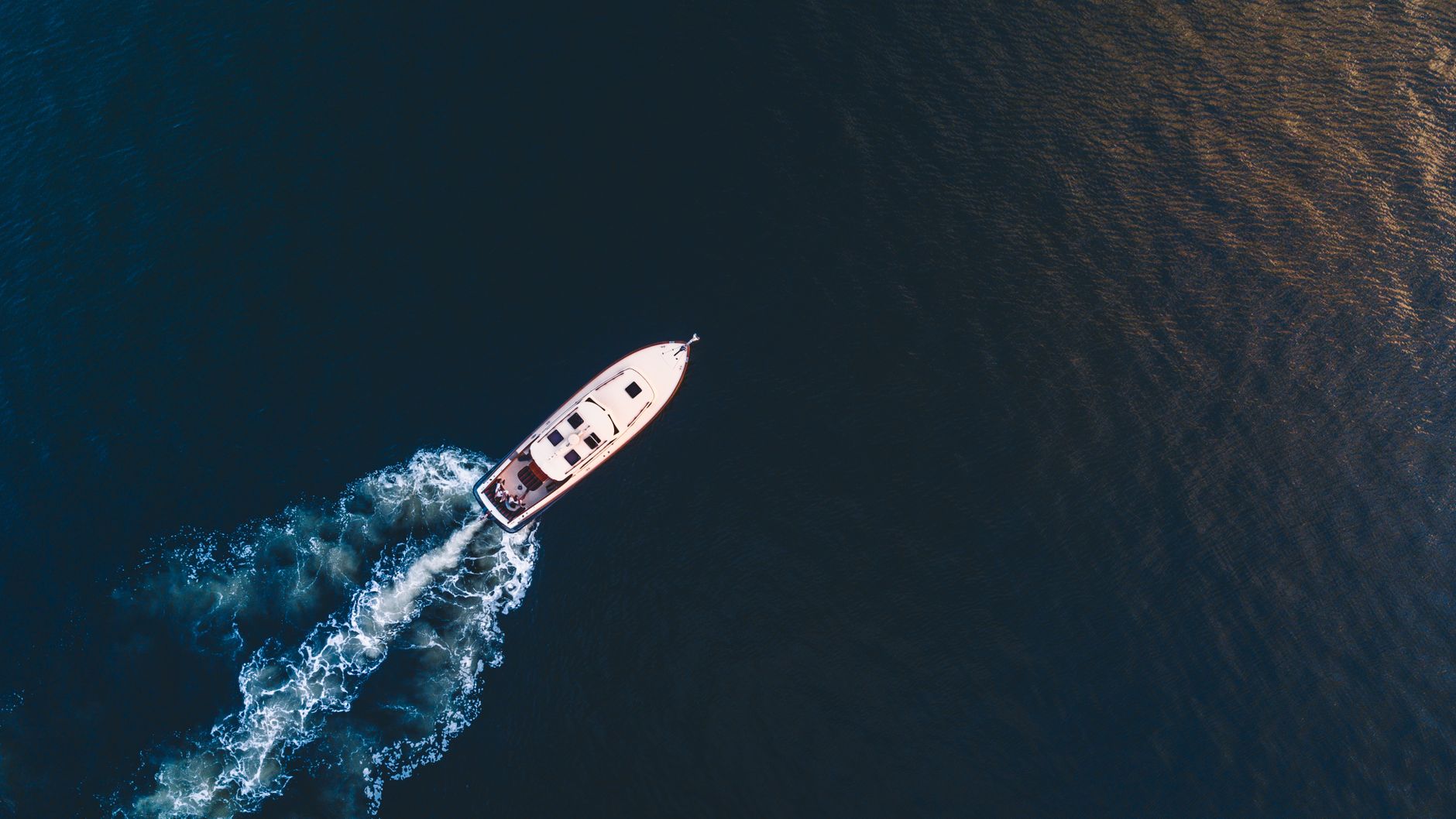
Nosy Be Fishing Complete Guide 2026 — At a Glance
- Why Nosy Be: Madagascar’s most accessible and productive sport-fishing hub — GT, billfish, tuna, and dogtooth all within reach of one base
- Best for: Anglers wanting world-class fishing with easy access, good lodges, and the option to combine with beaches
- Signature fishing: Giant trevally (GT) on poppers over the outer-island reefs
- Best season: Dry season (April–November); species-specific peaks layered on top
- Trip length: 5–8 fishing days, often combined with a beach or family stay
- Getting there: Direct seasonal international flights, or a short domestic hop from Antananarivo
- Flight protection: EU261 €600 per passenger on disrupted European inbound flights
- Travel insurance: SafetyWing Nomad Insurance — essential for offshore fishing
- Fishing-base hotels: Nosy Be stays on Agoda
🎒 Madagascar Trip Essentials
A few inexpensive items make the biggest difference on the ground in Madagascar:
- Picaridin insect repellent — DEET-free protection against malaria mosquitoes. See on Amazon →
- Permethrin clothing spray — treat clothes; kills mosquitoes on contact for weeks. See on Amazon →
- Pop-up mosquito net — budget lodges rarely provide one; packs down tiny. See on Amazon →
- Water filter bottle — tap water isn’t safe to drink in Madagascar. See on Amazon →
- Universal travel adapter (USB-C) — Madagascar uses European-style plugs. See on Amazon →
- 8×42 binoculars — essential for spotting lemurs and chameleons in the canopy. See on Amazon →
As an Amazon Associate we earn from qualifying purchases.
Nosy Be is the heart of Madagascar sport fishing — the island where world-class fishing, good access, and comfortable lodges come together most completely. Warm, productive waters; a cluster of charter operators and fishing-friendly lodges; direct international flights in season; and a remarkable range of fishing all within reach of one base — giant trevally on the outer-island reefs, billfish and tuna offshore, dogtooth on the deep banks — make it the natural choice for anglers who want serious fishing without the logistics of the truly remote regions. This complete guide covers the fishing on offer, where to stay, the operators, the seasons, how to get there, and exactly how to plan a Nosy Be fishing trip that delivers.
What sets Nosy Be apart from Madagascar’s other fishing regions is balance. The northwest banks and the remote south offer wilder, bigger-fish water but demand liveaboards or hard-to-reach lodges; Île Sainte-Marie is excellent but quieter on infrastructure. Nosy Be sits in the sweet spot: genuinely world-class fishing, yet accessible, well-served, and easy to combine with a beach or family stay. For most anglers — especially first-time visitors to Madagascar — it is the region we recommend first, as detailed in our Madagascar fishing pillar.
Why Nosy Be Is Madagascar’s Top Fishing Hub
Nosy Be, off Madagascar’s northwest coast, has been the country’s leading water-based destination for decades, and its fishing appeal rests on several strengths. The waters are warm and productive, holding an exceptional range of sport fish. The fishing is remarkably varied for one base: inshore GT reefs, offshore billfish and tuna grounds, and deep banks for dogtooth are all reachable on day charters. The access is the easiest of any Madagascar fishing region, with direct seasonal international flights and short domestic connections. And the infrastructure is the best-developed, with established charter operators, fishing-friendly lodges, and the reliability that makes planning a trip straightforward.
Crucially, Nosy Be delivers all this while remaining genuinely wild where it counts — the outer-island reefs and offshore grounds see relatively few boats, so the fishing retains the lightly-pressured quality that makes Madagascar special. It is the rare fishing destination that combines accessibility and comfort with genuinely world-class, uncrowded fishing. For anglers who want serious fishing without sacrificing convenience — or who are travelling with non-fishing companions — Nosy Be is hard to beat.
It is also a reassuringly easy place to plan a first Madagascar fishing trip. The established operators, reliable lodges, and short transfers mean you spend your time fishing rather than wrestling with logistics, and the breadth of fishing means you are not betting the whole trip on a single species or technique. For anglers stepping into Madagascar’s waters for the first time, that combination of quality and reliability makes Nosy Be the natural and confident choice — somewhere you can focus entirely on the fishing, knowing the practicalities are handled and a wide range of species is within reach from a single comfortable base — which is precisely why so many anglers who try Nosy Be return to fish it again, often bringing friends and family along the next time around to share the experience.
The Fishing on Offer Around Nosy Be
Giant trevally (GT) on the reefs
The signature Nosy Be fishing experience: casting poppers and stickbaits over the reefs and drop-offs around the outer islands for explosive giant trevally strikes. The GT fishing here is genuinely world-class, with good numbers and trophy potential, and the visual drama of a big GT engulfing a surface lure is the highlight of many anglers’ trips. This is demanding, exhilarating fishing on heavy gear.
Offshore billfish and tuna
The offshore grounds within reach of Nosy Be hold marlin, sailfish, yellowfin tuna, wahoo, and dorado, targeted by trolling lures and baits. A day offshore can produce a mixed bag of pelagics, with the chance of a billfish the highlight.
Deep jigging for dogtooth
The deep banks and drop-offs are worked with jigs for the prized dogtooth tuna and other powerful deep-water fish — demanding fishing that tests tackle and angler, and a sought-after Madagascar trophy.
Reef and inshore fishing
Lighter fishing over the reefs produces grouper, snapper, smaller trevally, and a variety of species — accessible, productive fishing ideal for mixed-ability groups or a more relaxed day. The diversity means there is rarely a slow day on the water.
Where to Stay: Fishing-Friendly Lodges on Nosy Be
Nosy Be offers the fullest range of accommodation of any Madagascar fishing region, from comfortable beach lodges to genuine luxury. For a fishing trip, the priorities are proximity to the harbour or charter base, a kitchen that can handle early starts and your catch, and a comfortable place to rest between demanding fishing days. Many beach lodges are well-suited to anglers and happy to arrange charters, and some properties cater specifically to fishing groups. For anglers travelling with non-fishing companions, Nosy Be’s lodges offer beaches, pools, and spa facilities so everyone is looked after. Browse the current range of Nosy Be fishing-base hotels on Agoda to gauge tiers and availability, and book early in peak season. The wider beach options across the region are mapped in our best beaches and coastal escapes guide.
Charter Operators on Nosy Be
Nosy Be has the best-developed sport-fishing charter scene in Madagascar, with operators ranging from day-charter boats to dedicated fishing outfits with quality boats and tackle. For serious fishing, the operator matters enormously — the right captain knows the reefs, the banks, the seasons, and the techniques, and has the boat and gear to fish them properly. Look for operators with well-maintained boats, quality tackle (or who welcome your own), experienced local crew, and a genuine focus on sport fishing rather than general tourism. For trophy GT and offshore work especially, a specialist operator is the single biggest factor in success. A Madagascar-resident specialist can match you to the right Nosy Be operator for your target species and style, avoiding the disappointment of a general tour boat.
When to Fish Nosy Be
The dry season (April–November) offers the most reliable fishing conditions around Nosy Be, with calmer seas and good offshore access. Within this, GT and popper fishing is often strongest in the warmer months when the fish are active over the reefs, while offshore billfish have their own seasonal windows. Because the ideal timing depends on your target species, planning with a specialist who knows the local seasons is the single best step — fishing the wrong window for your target is the most common avoidable mistake. As a general rule, the dry season is the safe window, with species-specific peaks layered on top. The fishing is productive much of the year, but matching your dates to your target species transforms the trip.
Getting to Nosy Be for a Fishing Trip
Nosy Be has its own international airport (Fascene), receiving direct seasonal flights from Europe and connections via regional hubs — the easiest international access of any Madagascar fishing region. Alternatively, anglers flying into Antananarivo take a short domestic flight to Nosy Be. Because fishing trips are time-sensitive and often involve heavy tackle, plan carefully: confirm baggage allowances for rod tubes, build a buffer night against flight delays, and protect your inbound flights. If a European inbound flight is delayed or cancelled, EU261 protection can return up to €600 per passenger — worth having when a delay could cost you fishing days. On the island, lodges and operators handle transfers, and getting around is easy.
How Many Days to Fish
Five to eight fishing days is the sweet spot for a Nosy Be trip. A 5-day trip covers the essentials: a couple of days targeting GT on the reefs, an offshore day for billfish and tuna, a deep day for dogtooth, and a flexible day to chase whatever is biting. A 7–8 day trip allows a more relaxed pace, more shots at trophy fish, and the flexibility to make the most of the best conditions. Many anglers combine fishing with beach or family days, in which case a few dedicated fishing days slot into a wider Nosy Be stay. For a dedicated fishing trip, a focused week delivers an excellent range of species and techniques.
Combining Fishing With a Nosy Be Holiday
One of Nosy Be’s great advantages is how easily fishing combines with a wider holiday. While you fish, non-fishing companions can enjoy the island’s beaches, islet day trips, reef snorkelling, spa, and gentle wildlife at Lokobe Reserve. Couples and families can build a trip where serious fishing for one and beaches for the rest happen from the same comfortable base — no compromise required. Even dedicated anglers often enjoy a rest day exploring the islets or snorkelling between demanding fishing days. This flexibility is part of why Nosy Be is the ideal Madagascar fishing base for anyone not on a hardcore-only trip, and it makes the island an easy sell to a fishing-sceptical partner.
What a Day’s Fishing Feels Like
To picture it: you leave the lodge at first light, the sea glassy and the air still cool, and run out across turquoise channels toward the outer reefs as the sun climbs. The captain reads the water — a colour change, a current line, birds working bait — and positions the boat on a reef edge. You begin casting a popper, working it across the surface in long sweeps, and then it happens: a giant trevally erupts from the blue, engulfs the lure in a boil of white water, and the fight is on — a brutal, dogged battle as the fish tries to reach the reef and you lean back into the rod. Land it, photograph it, release it, and reset. By midday you might switch to trolling the offshore grounds, or pull into a deserted islet for lunch on the sand before an afternoon session. By the time you run home with the light softening, you’ve fished several kinds of water and, on a good day, tangled with the fish of the trip.
That rhythm — varied, active, set against spectacular surroundings, and punctuated by moments of genuine drama — is what a Nosy Be fishing day delivers. It is demanding and exhilarating in equal measure, and the combination of world-class fishing and beautiful, lightly-pressured water is exactly what brings anglers back. Few fishing destinations offer this much variety and quality from such a comfortable, accessible base.
The Outer Islands and Reefs in Detail
Much of Nosy Be’s best fishing happens not off Nosy Be itself but around the constellation of outer islands and reefs a boat ride away. The reefs and drop-offs around these islands are prime GT territory, where poppers and stickbaits draw explosive surface strikes. The deeper water beyond holds the offshore pelagics, and the banks further out are where dogtooth lurk. A good captain works this geography across a trip — inshore reefs on the calmer days, the offshore grounds when conditions allow, and the deep banks for the jigging sessions. The variety of structure within reach of Nosy Be is exactly what makes it such a productive base: rather than fishing the same water every day, you move between reef, open water, and deep bank as conditions and target species dictate, keeping the fishing fresh and the chances high across a week.
This island-studded geography also means that fishing days double as a tour of some of Madagascar’s most beautiful water — turquoise channels, deserted beaches, and reefs visible through clear water. Even on a dedicated fishing trip, the setting is part of the reward, and a beach lunch on a deserted islet between sessions is a Nosy Be fishing staple. It is fishing in genuinely spectacular surroundings, not just productive water.
A Sample 6-Day Nosy Be Fishing Trip
To show how a trip comes together, here is a representative six-day shape:
Day 1: Arrive, settle into your lodge, tackle check and a briefing with the captain on the week’s targets and the conditions.
Day 2: Inshore reef day — GT on poppers over the outer-island reefs, easing into the fishing, plus reef species and a beach lunch on a deserted islet.
Day 3: Offshore day — trolling the grounds for billfish, tuna, wahoo, and dorado.
Day 4: Deep day — jigging the banks for dogtooth and amberjack, the most demanding fishing of the trip.
Day 5: A run to a more remote reef for trophy GT, the highlight, with the chance of the biggest fish of the week.
Day 6: A flexible final day — chase whatever has been firing, or fish a relaxed half-day before departure.
This mixes techniques and species across the week to maximise both variety and trophy chances, with the captain adjusting daily to tide, moon, and weather. A non-fishing companion can join the scenic days or stay ashore for the beaches — the flexibility is part of Nosy Be’s appeal.
Tackle and What to Bring
Serious anglers often bring their own GT popping and jigging gear, where personal, trusted tackle matters most. Quality Nosy Be operators can also supply tackle — confirm in advance, especially for trophy GT and dogtooth where the gear must be robust. Beyond rods and reels, pack high-factor sunscreen, a buff and polarised sunglasses, a long-sleeved sun shirt, gloves for heavy popping, motion-sickness remedies if you’re prone, and soft luggage that travels well on small aircraft. Confirm baggage allowances for rod tubes on the domestic flight to Nosy Be, as these can be restrictive. A specialist will advise exactly what to bring for your target species and chosen operator — arriving properly equipped, rather than improvising, makes a real difference to the fishing.
Fishing for Different Levels
Nosy Be suits a range of anglers. Experienced big-game anglers will relish the heavy GT popping, the deep jigging, and the offshore trolling — demanding fishing that rewards skill and fitness. Intermediate anglers can enjoy guided trolling and reef fishing while building toward the tougher techniques. Newcomers and mixed groups can fish the reefs and inshore waters for trevally, grouper, and snapper — productive, accessible action without the brutal demands of trophy GT work. Good operators tailor the day to the group, so a hardcore angler and a first-timer can fish the same boat happily. Be honest about experience and fitness when planning — heavy GT popping is physically demanding, and matching the fishing to ability makes for a far better trip. Nosy Be’s range of fishing means there is rewarding water for every level.
Beyond Fishing: Rest Days on Nosy Be
Even dedicated anglers benefit from the occasional rest day, and Nosy Be offers plenty. Between fishing sessions you can snorkel the reefs at Nosy Tanikely, visit the deserted twin-island sandbar of Nosy Iranja, explore Lokobe Reserve for lemurs by traditional pirogue, or simply relax on the beach and recover for the next demanding day on the water. For anglers travelling with family or a partner, these are the activities that keep everyone happy while the fishing happens. The combination of world-class fishing and a genuine tropical-island holiday on the same base is rare, and it is a large part of why Nosy Be works so well for anglers who don’t want a fishing-only trip — or whose companions don’t fish at all. The island lets you dial the balance between hardcore fishing and relaxed holiday exactly to your group.
Common Questions Anglers Ask Before Booking
Can I fish if I’ve never done big-game fishing before? Yes — good operators tailor the day to your experience, and the reef and inshore fishing is accessible to newcomers while you build toward the more demanding GT and offshore work. Be honest about your level when planning.
Do I need to bring my own tackle? Not necessarily — quality operators supply gear, though serious GT and jigging anglers often prefer their own. Confirm with the operator in advance.
What if my partner doesn’t fish? Nosy Be is ideal for this — beaches, islets, snorkelling, spa, and gentle wildlife keep non-anglers happy while you fish, all from the same base.
Is the fishing guaranteed? No fishing is ever guaranteed, but Nosy Be’s variety means there is almost always something biting, and a good captain reading the conditions maximises your chances across a multi-day trip. Fishing several techniques and species spreads the odds.
How fit do I need to be? Heavy GT popping is physically demanding and rewards reasonable fitness; trolling, reef, and deep jigging are less strenuous. Match the fishing to your fitness, and a good operator will pace the trip accordingly.
These are exactly the questions a Madagascar-resident specialist answers honestly before you book, matching the trip to your experience, fitness, and companions so there are no surprises on the water.
Protecting Your Nosy Be Fishing Trip
Offshore fishing, remote reefs, and Madagascar’s island setting make comprehensive travel insurance essential. Coverage should include medical emergencies and evacuation (help is far away on the water), trip cancellation and interruption, and any water-based activities. SafetyWing Nomad Insurance offers flexible, affordable coverage well suited to a fishing trip. For a trip this far from home and this much on the water, insurance is the smartest line in the budget — never skip it.
The Cost of a Nosy Be Fishing Trip
Nosy Be fishing-trip costs vary by charter quality, trip length, and whether you fish day charters or charter a boat exclusively. A shared day-charter (split across several anglers) is the most economical way to fish, with the per-person boat cost divided among the group. A private charter gives you the boat to yourselves — more flexibility and better for serious target fishing, at a higher cost. As a rough guide, a week of lodge-based fishing on Nosy Be — comfortable lodge, several charter days, all-in including international flights — typically runs in the region of $3,000–$7,000 per angler, depending on charter tier and how the boat cost is shared. Bringing your own group to share a charter is the single biggest cost saver, as the boat is the largest daily expense and splits neatly across anglers.
The biggest cost variables are the charter (private vs shared, and boat quality), the number of fishing days, the lodge tier, and international airfare. Accommodation on Nosy Be is reasonably priced across tiers, and the fishing itself is good value compared to the better-known destinations. For a full breakdown of fishing-trip costs by tier and structure, see our fishing trip cost guide, linked from the Madagascar fishing pillar. A specialist can build a Nosy Be fishing trip to almost any budget and advise where the spend genuinely improves the fishing.
Combining Nosy Be With Other Fishing Regions
While Nosy Be fills a complete fishing trip on its own, dedicated anglers sometimes combine it with a liveaboard leg to the remote northwest banks for the wildest, biggest-fish water, or with Île Sainte-Marie for a contrast of east-coast fishing and whale season. Nosy Be makes the ideal base and starting point — accessible, comfortable, and productive — with the option to venture further for those chasing trophy fish in truly remote water. For most anglers, though, Nosy Be alone delivers an outstanding range of species and techniques, and the convenience of a single, well-served base is worth a great deal. The remote regions are there for the dedicated, but they are an addition to a Nosy Be trip rather than a replacement for it — and a specialist can structure a combined itinerary so the logistics work smoothly across regions.
Planning Your Nosy Be Fishing Trip
A great Nosy Be fishing trip comes down to a few decisions: your target species (GT, billfish, dogtooth, or a mix), the season to match, a specialist operator (the single biggest factor in success), the right lodge (book early), and the trip length. Get those right and the fishing does the rest. A Madagascar-resident specialist can secure the best operator, arrange the lodge and transfers, and handle the logistics so you can focus on the fishing. See the full picture in our Madagascar fishing pillar, and the wider water options in our fishing trips in Madagascar guide.
Carla / Voyagiste Madagascar (bespoke Nosy Be fishing planning)
Madagascar-resident specialist for Nosy Be fishing trips. Contact Carla directly to plan a Nosy Be fishing trip matched to your target species, dates, and budget — the right operator, lodge, and season, with seamless logistics, so the island delivers the fishing you came for.
Frequently Asked Questions
Is Nosy Be good for fishing?
Exceptionally — it’s Madagascar’s most accessible and productive sport-fishing hub, with GT, billfish, tuna, and dogtooth all within reach of one base, plus good lodges and easy access.
What can you catch fishing in Nosy Be?
Giant trevally (GT) on the reefs, marlin, sailfish, yellowfin and dogtooth tuna, wahoo, dorado, and various reef species — an exceptional range from one base.
When is the best time to fish Nosy Be?
The dry season (April–November) offers the most reliable conditions. GT and popper fishing is often strongest in the warmer months; offshore billfish have their own windows. Plan around your target species.
How many days should I fish?
Five to eight fishing days. Five covers the essentials; seven or eight allows a relaxed pace and more trophy chances. Fishing combines easily with beach or family days.
How do I get to Nosy Be?
Direct seasonal international flights to Nosy Be’s airport, or a short domestic flight from Antananarivo. It’s the easiest-access fishing region in Madagascar.
Do I need travel insurance?
Yes — essential. Offshore fishing makes comprehensive coverage non-negotiable.
🎣 Plan Your Nosy Be Fishing Trip With Carla
Nosy Be is Madagascar’s fishing heartland — let us match you to the right operator and season. Reach out to Carla, our Madagascar-resident specialist, for the right boat, lodge, and timing for your target species.
Plan Your Trip to Madagascar
- Read the full Madagascar Travel Guide
- Explore itineraries by style and duration
- Best Tours and Guided Experiences
Where to Stay