November in Madagascar 2026: Start of High Season Travel Guide
This post contains affiliate links. We may earn a small commission at no extra cost to you.
At a Glance
- Season: Shoulder transitioning into early high season — best value-per-experience month
- Temperatures: Highlands 14 to 25°C; coast 24 to 30°C
- Wildlife highlight: Whale sharks at Nosy Be peak, sea turtle nesting begins, orchids in bloom at Ranomafana
- Crowds: Moderate — peak summer crowds have departed, US Thanksgiving travelers arrive late month
- Smart booking month: Lock November Nosy Be on Agoda
- Insurance: SafetyWing flexible monthly
- November flight delays: Claim up to 600 EUR via AirAdvisor
🎒 Madagascar Trip Essentials
A few inexpensive items make the biggest difference on the ground in Madagascar:
- Picaridin insect repellent — DEET-free protection against malaria mosquitoes. See on Amazon →
- Permethrin clothing spray — treat clothes; kills mosquitoes on contact for weeks. See on Amazon →
- Pop-up mosquito net — budget lodges rarely provide one; packs down tiny. See on Amazon →
- Water filter bottle — tap water isn’t safe to drink in Madagascar. See on Amazon →
- Universal travel adapter (USB-C) — Madagascar uses European-style plugs. See on Amazon →
- 8×42 binoculars — essential for spotting lemurs and chameleons in the canopy. See on Amazon →
As an Amazon Associate we earn from qualifying purchases.
November is the smart traveler’s window for Madagascar. The peak July-August crowds have departed, the December-January high season has not yet begun, and the wildlife calendar opens significant windows — whale sharks at Nosy Be, sea turtle nesting on the west coast, and orchid blooms at Ranomafana. Pricing is 20 to 35% below July-August rates with most operators still running full programs. This guide lays out exactly what November delivers and how to capture it.
November Weather Across Madagascar
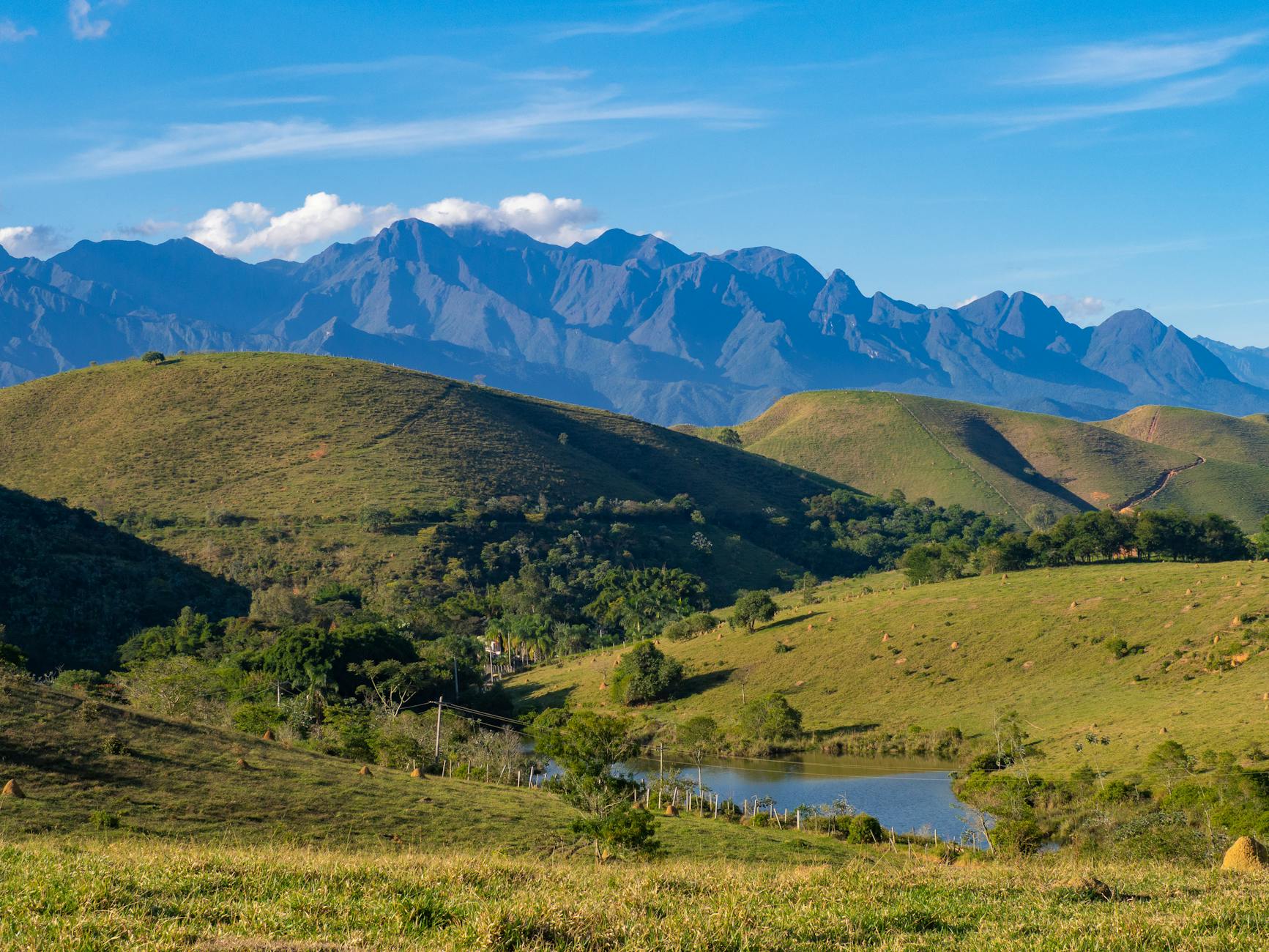
November sits in the transition from late dry season to early rainy season. The first scattered afternoon showers begin appearing in early November, especially on the east coast and central highlands. By late November, the rainy season is fully arrived in eastern regions but the west and north remain reliably dry. The highlands (Tana, Antsirabe, Fianarantsoa) run 14 to 25°C, the most temperate range of the year — cool nights without the August cold, warm days without the December heat. Coastal Nosy Be runs 24 to 30°C with afternoon humidity rising late month.
The Tsingy de Bemaraha access window closes by late November — the Morondava-Bekopaka road becomes impassable as the first rains soften the surface. Plan any Tsingy itinerary for the first 2 weeks of November or wait until April. The RN7 corridor remains fully open through November. East coast (Sainte-Marie, Toamasina) is more affected — November showers reduce visibility for boat outings and afternoon hiking can be cut short. For November visits, target the west, north and central highlands; reserve east coast for a 2 to 4 day visit at most. Compare November Antananarivo hotels on Agoda — highland weather is at its most pleasant.
November Wildlife — The Hidden Calendar
November opens the whale shark window at Nosy Be. These gentle giants (Rhincodon typus) congregate around the Mitsio archipelago and Nosy Sakatia area from late October through December, peaking in November-December. Operators run dedicated 4 to 6 hour snorkeling trips — entry into the water with whale sharks is permitted under strict guidelines (no flash, no touching, parallel approach). Sighting success rates run 75 to 90% in November on dedicated operator boats. Pre-book 4 to 6 weeks ahead through reputable operators (Madagascar Whale Shark Project, Cetamada partners).
Sea turtle nesting begins on the west coast and Nosy Be beaches — green and hawksbill turtles haul out at night to lay eggs from November through March. Anjajavy peninsula, Iharana Bay area, and Nosy Iranja all see regular November nesting. Orchid bloom peaks at Ranomafana mid-November — over 60 endemic orchid species in flower across the park. The trekking conditions are excellent with cooler humid forest weather. Lemur activity remains high — Andasibe indris are vocal, Ranomafana bamboo lemurs are visible, and Kirindy fossa sightings continue with about 50% success rate. Book whale shark and turtle nesting tours on GetYourGuide 4 to 8 weeks ahead.
Pricing Advantage and Booking Strategy
November is genuinely the best month-for-cost ratio in the Madagascar calendar. International flights run 25 to 35% below July-August peaks — Air France Paris-Tana lands at 850 to 1,100 EUR roundtrip in November versus 1,200 to 1,400 in July. Hotels at the heritage tier and beachfront strip see similar reductions. Mid-range nights run 50 to 80 USD versus 70 to 100 in peak; ultra-luxe varies less (Miavana 1,800 to 2,400 versus 2,200 to 2,800 in peak). Madagascar Airlines domestic fares ease — 60 to 80 USD per leg in November versus 80 to 110 in July.
Booking discipline relaxes accordingly. Ultra-luxe still books 4 to 6 months ahead, but premium boutique works at 2 to 3 months and mid-range at 4 to 8 weeks. The exception is the last week of November (Thanksgiving period for US visitors) which sees a 10 to 15% premium for the 23 to 30 November window. Park entry queues are minimal, driver-guides have full availability, and day-tour operators run with smaller groups. Compare November 4WD options on Carla 4 to 6 weeks ahead for RN7 self-drive itineraries.
What to Watch For in November
November has two specific traveler-friction points worth planning for. First, the Tsingy de Bemaraha access closes mid-November as the road softens — confirm with Morondava operators the week before departure whether Bekopaka is still reachable. The cutoff date varies year-to-year and 2026 forecasts suggest a typical mid-November closure. Second, east coast humidity rises sharply — Sainte-Marie’s last clear weather window is roughly the first 10 days of November before afternoon showers become routine. Whale watching at Sainte-Marie has ended (humpbacks departed late September) so the trip purpose for east coast shifts to beach and culture rather than wildlife.
Health-wise, malaria prophylaxis applies more strictly across all coastal and lowland zones as mosquito activity rises with humidity. DEET 30% should be used dawn to dusk on east coast and Nosy Be. Cyclone season officially begins December 15 but November is firmly outside that window — travel insurance with cyclone coverage is not yet a priority. Hot water and dry-clothing equipment matter more in November as highland weather can deliver cool damp evenings; pack a quick-dry travel towel. SafetyWing remains the simplest reliable cover for November travel.
Frequently Asked Questions
Is November or October the better shoulder month?
Both are excellent. October is fully dry across all regions but humpback whales are gone. November has the wildlife calendar advantages (whale sharks, turtle nesting, orchids) plus the slightly cooler highland temperatures. October is better for Tsingy access; November is better for east coast and Nosy Be wildlife.
Can I see whale sharks reliably in early November?
Yes — sighting rates from late October are already 70 to 85% on dedicated Nosy Be operator boats, rising to 80 to 95% by mid-to-late November. Whale sharks remain through December but visibility can be reduced by November-December afternoon showers.
What is the Tsingy access cutoff date in November?
Varies by year. Typical cutoff is between 10 and 22 November as the first significant rains soften the Morondava-Bekopaka road. Confirm with local operators 5 to 7 days before departure. If the road is closed, Tsingy access reopens in April.
Should I avoid the last week of November because of Thanksgiving travelers?
Only if budget is the priority. Thanksgiving period adds 10 to 15% to Nosy Be and ultra-luxe pricing. The crowd impact is minimal compared to July-August. If your dates are flexible, target the first 3 weeks of November for the best value-to-experience ratio.
November is the smart traveler’s Madagascar month — comparable wildlife to peak season at 25 to 35% lower cost, comfortable highland temperatures, and the unique whale shark plus turtle nesting calendar that no other month delivers in the same package. Tsingy access closes mid-month but everything else opens. Plan an early-November RN7 + Nosy Be combination and you have one of the best-value 14-day Madagascar arcs available. Before booking, Check SafetyWing’s plans at the 250,000 USD medical evacuation tier — November weather is benign but logistics in west Madagascar still need the cover.
Travel Insurance for Madagascar
Medical evacuation from Madagascar costs $30,000–$80,000. Don’t travel without cover.
- SafetyWing — monthly-subscription travel medical cover; you can check their plans.
- World Nomads — single-trip travel insurance with adventure-activity options.
Plan Your Trip to Madagascar
- Read the full Madagascar Travel Guide
- Explore itineraries by style and duration
- Where to See Lemurs in Madagascar
Where to Stay