Parc Ivoloina Lemur Guide: How to See Rare Species Near Tamatave (2026 Complete Wildlife Experience)
This post contains affiliate links. We may earn a small commission at no extra cost to you if you book through our links.
At a Glance
- Location: Near Toamasina, eastern Madagascar
- Best for: Families, eco-tourists, first-time Madagascar visitors
- Visit type: Half-day or full-day from Toamasina
- Book wildlife tours: GetYourGuide — guided lemur experiences
- Hotels near Toamasina: Check availability on Agoda
Flight delayed or cancelled? Flights to eastern Madagascar often connect through Antananarivo or Paris. EU regulation EC 261 may entitle you to up to EUR 600. Check your claim free on AirAdvisor.
Located just a short distance from Toamasina, Parc Ivoloina is one of the most important conservation and wildlife education sites in eastern Madagascar. Unlike large national parks that require long travel times and multi-day expeditions, this reserve offers an accessible rainforest experience focused on lemurs, biodiversity conservation, and educational tourism.
For travelers searching “lemur park near Tamatave” or “wildlife near Toamasina,” Parc Ivoloina is often the most practical and rewarding option available.
What Is Parc Ivoloina?
Parc Ivoloina is a conservation and environmental education center in the eastern rainforest zone near Toamasina. It functions as a wildlife rehabilitation center, a lemur conservation site, a public eco-tourism park, and an environmental education hub. Unlike purely natural reserves, Ivoloina combines managed wildlife habitats with educational experiences, making it ideal for families, students, and first-time visitors to Madagascar’s biodiversity.
Why It Matters for Conservation
Madagascar is one of the most biodiverse countries in the world, but also one of the most threatened in terms of habitat loss. Parc Ivoloina plays a critical role in protecting endangered lemur species, rehabilitating injured wildlife, educating local communities and visitors, and supporting reforestation programs. This makes it more than a tourist attraction — it is an active conservation site.
Lemur Species You Can See
Brown Lemurs
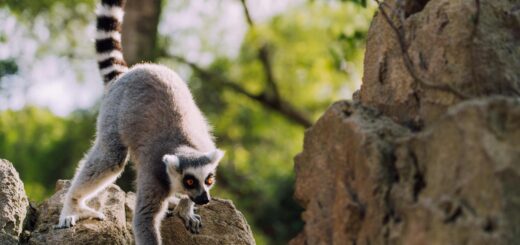
Among the most commonly seen lemurs in the park, relatively active during the day and reliably visible for visitors.
Bamboo Lemurs
More sensitive species that are often part of active conservation efforts within the park’s rehabilitation zones.
Other Rehabilitated Species
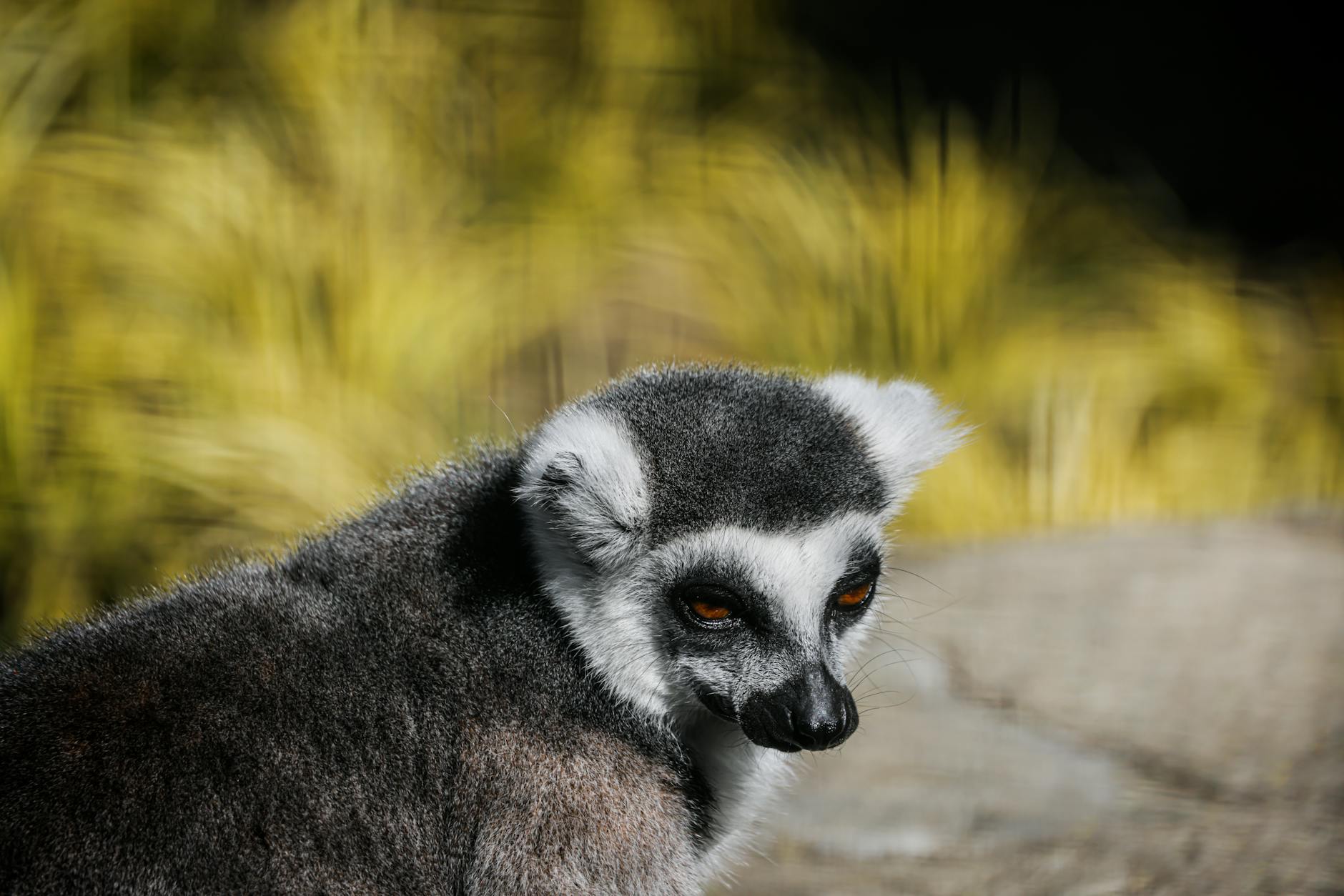
Some individuals are part of rescue or rehabilitation programs and may be visible in semi-natural enclosures. The lemur experience at Ivoloina is more structured than in wild national parks, but it offers a much higher probability of sightings — important for short-term visitors staying in Toamasina.
Browse lemur and wildlife tours near Toamasina on GetYourGuide — guided visits include transportation and expert naturalist guides.
Activities Inside the Park
- Lemur observation walks — guided paths through forest zones where lemurs are regularly visible
- Educational exhibits — learning stations about Malagasy ecosystems and conservation challenges
- Botanical exploration — diverse plant species native to eastern rainforests
- Conservation demonstrations — programs explaining wildlife rescue, rehabilitation, and reforestation
Read also:
Accessibility From Toamasina
One of the biggest advantages of Parc Ivoloina is its proximity to Toamasina — close enough for a half-day or full-day visit without complex logistics. Most visitors combine it with other activities in the Toamasina area, making it an easy addition to any eastern Madagascar itinerary.
For accommodation during your Toamasina stay, Agoda lists hotels at various price points — book ahead in peak season (July-September).
Best Time to Visit
Morning visits provide more active wildlife, cooler temperatures, and better lighting for photography. The dry season (May-October) offers easier trail conditions and more predictable wildlife movement. Rainy season visits are still possible but may involve muddy paths.
Plan your Parc Ivoloina visit:
Travel Insurance — Essential for Madagascar
Recommended Gear for Your Madagascar Wildlife Trip
You’re Flying 10,000km to See Lemurs, Chameleons, and Fossa — Don’t Document It With a Phone Camera
Indri lemurs calling across the canopy of Andasibe. Panther chameleons in electric blue and orange. The fossa spotted on a night walk in Kirindy. A smartphone sensor in low rainforest light produces grainy, blurred images. The Sony a6400 with Real-Time Eye Autofocus locks onto animal eyes instantly — even through undergrowth and low light. APS-C sensor, 4K video, flip-up touchscreen.
Check current price and availability on Amazon →
Madagascar Has Over 100 Species of Lemur and 280 Species of Bird — You’ll Miss Most of Them Without Binoculars
Sifaka lemurs leap between canopy trees 30 metres up. The Madagascar fish eagle perches on a branch 200 metres across a lake. Without binoculars, you’re looking at distant shapes and taking your guide’s word for it. The Vortex Diamondback HD 10×42 delivers HD optical clarity with edge-to-edge sharpness. Waterproof, fog-proof, backed by Vortex’s unconditional lifetime warranty.
Check current price and availability on Amazon →
Madagascar Goes Completely Dark After Sunset — Don’t Navigate It Blind
Outside of Antananarivo’s main streets, Madagascar has virtually no street lighting. Wildlife walks in Ankarana, night lemur spotting in Ranomafana, the path to your bungalow — all navigated in total darkness. The Black Diamond Spot 400-R delivers 400 lumens with a 100-metre beam, USB-C rechargeable, IPX8 waterproof, with red night-vision mode for wildlife observation without disturbing animals.
Check current price and availability on Amazon →
Madagascar Has Some of the Highest Malaria Risk in the World
The rainforests of Andasibe, the wetlands of Morondava, the rice paddies outside every village — mosquitoes are relentless and bite at dusk and dawn. DEET burns skin and destroys gear. Natrapel 20% Picaridin is the CDC-recommended alternative that repels mosquitoes, ticks, and sandflies for up to 12 hours without damaging your equipment.
Check current price and availability on Amazon →
No Grid, No Problem — Charge Your Devices From the Sun in Madagascar’s Remote Parks
Marojejy. Andringitra. Tsingy de Bemaraha. Madagascar’s most spectacular parks are its most isolated — no power outlets, no phone signal. A 3-day wilderness circuit means running on whatever charge you left camp with. The BLAVOR Solar Power Bank pairs 10,000mAh with a fold-out solar panel that recharges itself from sunlight as you trek.
Check current price and availability on Amazon →
Medical evacuation from Madagascar can cost USD 30,000–80,000. Never travel uninsured.
- SafetyWing — monthly-subscription travel medical cover; you can check their plans.
- World Nomads — single-trip travel insurance with adventure-activity options.
FAQ
Is Parc Ivoloina worth visiting?
Yes. It is one of the most accessible places to see lemurs near Toamasina and offers strong educational value, particularly for families and first-time visitors to Madagascar.
Is it good for kids?
Yes. Parc Ivoloina is one of the most family-friendly wildlife experiences in eastern Madagascar, with structured guided walks and educational content suitable for all ages.
Do you need a guide?
Yes. Guided visits are part of the structured conservation experience and significantly enhance wildlife sightings and ecological understanding.
How far is it from Tamatave?
Close enough for a comfortable half-day or full-day trip from the city center — no overnight stay required.
Getting Around: Madagascar has no reliable public transit — independent travel requires a 4WD. Compare 4WD rentals in Antananarivo on Carla →
Plan Your Trip to Madagascar
- Read the full Madagascar Travel Guide
- Explore itineraries by style and duration
- Best Tours and Guided Experiences
Where to Stay
Hotels, lodges, and tours fill fast for July–September — compare availability now.