Ranomafana Day Trip from Fianarantsoa: Complete Transport Guide
This post contains affiliate links. We may earn a small commission at no extra cost to you.
At a Glance
- Distance from Fianarantsoa: 65 km west on RN25 (1.5 hours)
- Key draw: Golden bamboo lemur, 13 lemur species total, cloud forest
- Best time: October–November and March–May (wildlife most active)
- Book a tour: Browse Ranomafana wildlife tours on GetYourGuide
- Base: Find Madagascar hotels on Agoda
Ranomafana National Park lies 65 kilometres west of Fianarantsoa on RN25 — close enough for a full day trip yet deep enough into cloud forest to feel genuinely remote. The park protects the golden bamboo lemur, discovered here in 1986, along with twelve other lemur species and hundreds of reptile and frog species. For a comparison with Madagascar’s other premier rainforest park, see our Andasibe-Mantadia national park guide.
Recommended Gear for Your Madagascar Wildlife Trip
You’re Flying 10,000km to See Lemurs, Chameleons, and Fossa — Don’t Document It With a Phone Camera
Indri lemurs calling across the canopy of Andasibe. Panther chameleons in electric blue and orange. The fossa spotted on a night walk in Kirindy. A smartphone sensor in low rainforest light produces grainy, blurred images. The Sony a6400 with Real-Time Eye Autofocus locks onto animal eyes instantly — even through undergrowth and low light. APS-C sensor, 4K video, flip-up touchscreen.
Check current price and availability on Amazon →
Madagascar Has Over 100 Species of Lemur and 280 Species of Bird — You’ll Miss Most of Them Without Binoculars
Sifaka lemurs leap between canopy trees 30 metres up. The Madagascar fish eagle perches on a branch 200 metres across a lake. Without binoculars, you’re looking at distant shapes and taking your guide’s word for it. The Vortex Diamondback HD 10×42 delivers HD optical clarity with edge-to-edge sharpness. Waterproof, fog-proof, backed by Vortex’s unconditional lifetime warranty.
Check current price and availability on Amazon →
Madagascar Goes Completely Dark After Sunset — Don’t Navigate It Blind
Outside of Antananarivo’s main streets, Madagascar has virtually no street lighting. Wildlife walks in Ankarana, night lemur spotting in Ranomafana, the path to your bungalow — all navigated in total darkness. The Black Diamond Spot 400-R delivers 400 lumens with a 100-metre beam, USB-C rechargeable, IPX8 waterproof, with red night-vision mode for wildlife observation without disturbing animals.
Check current price and availability on Amazon →
Madagascar Has Some of the Highest Malaria Risk in the World
The rainforests of Andasibe, the wetlands of Morondava, the rice paddies outside every village — mosquitoes are relentless and bite at dusk and dawn. DEET burns skin and destroys gear. Natrapel 20% Picaridin is the CDC-recommended alternative that repels mosquitoes, ticks, and sandflies for up to 12 hours without damaging your equipment.
Check current price and availability on Amazon →
No Grid, No Problem — Charge Your Devices From the Sun in Madagascar’s Remote Parks
Marojejy. Andringitra. Tsingy de Bemaraha. Madagascar’s most spectacular parks are its most isolated — no power outlets, no phone signal. A 3-day wilderness circuit means running on whatever charge you left camp with. The BLAVOR Solar Power Bank pairs 10,000mAh with a fold-out solar panel that recharges itself from sunlight as you trek.
Check current price and availability on Amazon →
Plan your Madagascar trip:
- Browse Madagascar tours and experiences (GetYourGuide)
- Get travel insurance for Madagascar (SafetyWing)
- World Nomads — covers adventure activities: trekking, diving, motorbikes. Compare both.
Getting There from Fianarantsoa
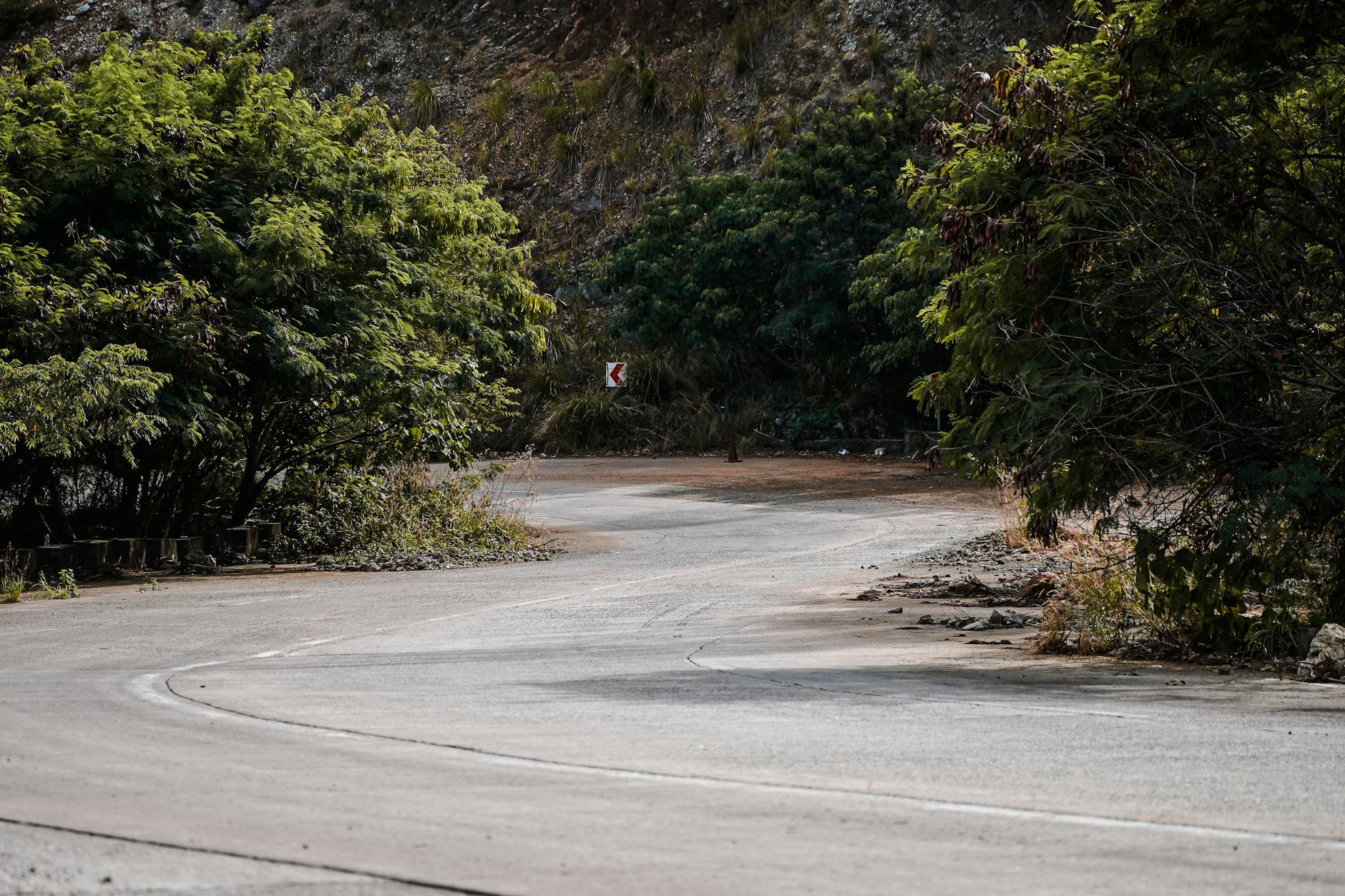
The 65-kilometre RN25 from Fianarantsoa to Ranomafana is sealed but winding through the southern highlands — allow 1.5 hours each way. Transport options: taxi-brousse (shared minibus) departures from Fianarantsoa’s taxi-brousse station run from 07:00 onwards and take 1.5–2 hours (Ar 5,000–8,000 per person). Drop off at the village of Ranomafana, from which the park entrance is a 10-minute walk uphill.
Private transfers cost Ar 150,000–200,000 for the round trip and allow flexible timing — essential if you want to start the trail at park opening (07:00). Return taxi-brousse from Ranomafana to Fianarantsoa run until around 17:00; missing the last departure means staying overnight in the village.
Getting to Fianarantsoa: The Madarail train from Manakara on the east coast is one of Madagascar’s most scenic journeys. Alternatively, fly or take a long-haul taxi-brousse from Antananarivo (8 hours). Before any travel in Madagascar, get Carla travel insurance, and keep AirAdvisor on hand for any flight disruption claims.
The Golden Bamboo Lemur and Rainforest Wildlife
The golden bamboo lemur (Hapalemur aureus) was unknown to science until its discovery at Ranomafana in 1986. It survives almost entirely on giant bamboo shoots that contain lethal levels of cyanide — levels that would kill any other mammal. Its daily cyanide intake is 12 times the lethal dose for a creature of its size. Finding it in the bamboo groves on the lower trails is one of the most rewarding moments in Madagascar wildlife viewing.
Ranomafana also shelters the greater bamboo lemur (critically endangered), milne-edwards sifaka (endemic to this park), red-bellied lemur, rufous mouse lemur and eight other species. The amphibian diversity is staggering — over 100 species of frogs, including dozens found nowhere else on Earth. Reptiles include Parson’s chameleon (the world’s heaviest chameleon), and numerous day geckos. For a complete map of Madagascar’s lemur-watching locations, read our where to see lemurs in Madagascar guide.
Read also:
Book activities in Madagascar:
Thermal Baths and Village Life
Ranomafana means ‘hot water’ in Malagasy — the town takes its name from the thermal springs that were a resort destination during the French colonial period. The public baths (Ar 2,000 entry) are located beside the river at the base of the park and make an excellent end to a long day on the trails. The water is naturally warm, the setting is forested, and it draws a local crowd on weekends.
The village of Ranomafana itself is small but lively with basic guesthouses, restaurants serving Malagasy staples, and a craft market near the park entrance selling silk products woven by local artisans. The Centre ValBio research station near the park entrance works with international universities and occasionally runs public educational sessions — worth enquiring about on arrival.
Trail Options, Entry Fees and What to Book
Ranomafana’s trail network divides into three circuits: the Vatoharanana circuit (2–3 hours, best for golden bamboo lemur), the Sahamalaotra circuit (4–5 hours, greater biodiversity), and night walks from 20:00 (require overnight accommodation in the park zone). Park entry is approximately Ar 55,000 per person; a mandatory guide adds Ar 20,000–30,000 per circuit.
Search current Ranomafana tour packages on GetYourGuide for operator options including private guides and transport. For planning the broader southern highlands circuit including Ranomafana, see our best time to visit Madagascar guide for seasonal advice.
Ready to book your Madagascar trip?
Frequently Asked Questions
How long does it take to get from Fianarantsoa to Ranomafana?
The 65-kilometre drive on RN25 takes approximately 1.5 hours each way in a private vehicle, or up to 2 hours in a shared taxi-brousse. Depart Fianarantsoa by 07:00 to reach the park at opening.
Is it easy to see the golden bamboo lemur at Ranomafana?
The Vatoharanana circuit, specifically the bamboo grove sections in the first 2 kilometres of the trail, is the most reliable location. Sightings are frequent but not guaranteed — a knowledgeable guide dramatically improves your chances.
Can I do Ranomafana as a day trip from Antananarivo?
Technically yes but impractical — Fianarantsoa is 7–8 hours from Tana by road. A day trip makes sense from Fianarantsoa as a base, or as part of a multi-day southern highlands loop combining Ranomafana, Isalo and Fianarantsoa.
Are the thermal baths at Ranomafana worth visiting?
Yes, they make an ideal end to a day in the park. Entry is Ar 2,000, the water is naturally heated, and the forest setting is atmospheric. Most visitors combine the baths with a late afternoon in the village before the return journey.
What is Ranomafana National Park known for besides lemurs?
The park is globally significant for frog biodiversity — over 100 species, many found only here. Parson’s chameleon (world’s heaviest) is common, along with numerous day gecko species, and the park’s cloud forest harbours exceptional plant diversity.
Ranomafana is the southern highlands’ crown jewel — a park that consistently over-delivers on wildlife density relative to visitor numbers. The golden bamboo lemur alone justifies the journey from Fianarantsoa; the cloud forest, hot springs and local craft market make the full day genuinely complete. Cover your highland travels with SafetyWing travel insurance, which handles medical incidents and trip disruption across Madagascar’s remote regions.
Start planning your Madagascar adventure today
Browse Madagascar experiences on GetYourGuide
Affiliate link – commission earned at no extra cost to you.
Plan Your Trip to Madagascar
- Read the full Madagascar Travel Guide
- Explore itineraries by style and duration
- Best Tours and Guided Experiences
Where to Stay