Splurge vs Save Madagascar: 20 Things Worth Paying More For 2026
This post contains affiliate links. We may earn a small commission at no extra cost to you.
At a Glance
- Worth every extra Ariary: Domestic flights on long routes, specialist guides, lodge nights inside parks
- Save without regret: Hotely meals, SIM card, souvenirs at local markets, basic guesthouses inland
- Domestic flight premium: $80–130 one way vs 2–3 day taxi-brousse — worth it on Tana–Nosy Be
- Guide premium: Specialist ANGAP guide adds 20,000–40,000 MGA but triples wildlife encounter rate
- Best value splurge: Private pirogue day trip at $30–50 per person
- Travel insurance: SafetyWing Nomad Insurance — pay before travel, protect the splurge
Flight delayed or cancelled? Flights to Madagascar usually connect through Paris, Nairobi or Istanbul. If your connection was delayed 3+ hours, cancelled, or overbooked, EU Regulation EC 261 may entitle you to up to €600 per passenger — this is separate from travel insurance and you don’t need a policy to claim. Check your claim free on AirAdvisor →
🎒 Madagascar Trip Essentials
A few inexpensive items make the biggest difference on the ground in Madagascar:
- Picaridin insect repellent — DEET-free protection against malaria mosquitoes. See on Amazon →
- Permethrin clothing spray — treat clothes; kills mosquitoes on contact for weeks. See on Amazon →
- Pop-up mosquito net — budget lodges rarely provide one; packs down tiny. See on Amazon →
- Water filter bottle — tap water isn’t safe to drink in Madagascar. See on Amazon →
- Universal travel adapter (USB-C) — Madagascar uses European-style plugs. See on Amazon →
- 8×42 binoculars — essential for spotting lemurs and chameleons in the canopy. See on Amazon →
As an Amazon Associate we earn from qualifying purchases.
Madagascar rewards travelers who know where to spend and where to hold back. The worst outcomes happen at both extremes: the ultra-budget traveler who skips the night walk at Ranomafana, and the over-spender who blows the budget on tourist-trap excursions that a guesthouse would arrange for half the price. This guide identifies where the premium genuinely delivers.
Transport: When the Premium Pays Off
Domestic flights are the single most impactful splurge in Madagascar. The Tana–Nosy Be route takes 1.5 hours by air versus a two-to-three-day ordeal by taxi-brousse and ferry. Air Madagascar and Tsaradia operate these routes at $80–130 one way — book at least three weeks ahead as seats fill quickly. Similarly, Tana–Fort Dauphin by air saves two days and one treacherous overnight bus. For routes under six hours by road, the taxi-brousse remains excellent value.
Within the Tsingy de Bemaraha and Morondava circuit, a private 4WD with driver costs $80–150 per day but is the only practical option — public transport does not reach Tsingy’s interior. Speedboat transfers between Nosy Be’s satellite islands cost more than local pirogue crossings but are meaningfully safer in rough seas. For a full breakdown of what these transport costs mean to your trip budget, our Madagascar trip cost guide shows the numbers side by side.
Accommodation: Splurge Nights That Change the Trip
Not every night needs to be a splurge — but certain locations reward the upgrade significantly. A night inside or directly adjacent to Andasibe-Mantadia National Park means access to dawn lemur walks before day-trippers arrive, when sightings of Indri are most frequent. Standard park-boundary lodges run $60–120 per night. In Nosy Be, the jump from a $15 beach bungalow to a $45 one typically resolves the three most common complaints: reliable electricity, running water, and proper mosquito screens.
Beach properties on Île Sainte-Marie and along the Masoala Peninsula deliver genuine wilderness access that budget accommodation simply does not. One well-chosen upgrade night — at the start or end of a trip — pays dividends in comfort and memory. Search how Madagascar accommodation prices compare to other Indian Ocean destinations for context on where your money goes furthest on this island.
Guides and Experiences Worth Every Ariary
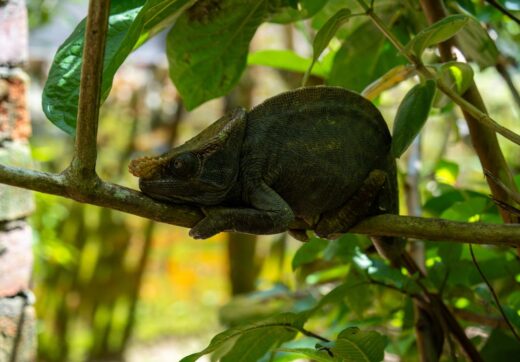
Licensed ANGAP guides are mandatory in Madagascar’s national parks — but choosing a specialist rather than the cheapest option at the entrance gate makes a measurable difference. Specialist guides for nocturnal wildlife walks at Ranomafana or Andasibe typically charge 20,000–40,000 MGA more per session. The return: chameleons found by trained eye at night, leaf-tail geckos located by call, Indri sighted at dawn before the crowds. These are not luck — they are skill.
Other experiences worth the premium: whale-watching boat from Île Sainte-Marie (July–September humpback season, $40–60 pp for a reputable operator), private pirogue on the Tsiribihina River ($30–50 per day, negotiable), and cooking classes with local families in Tana ($25–35 for an afternoon). The city budget guide outlines what the activity landscape looks like per destination.
Food and Markets: Where Madagascar Rewards Saving
Hotely canteens are one of Madagascar’s great budget pleasures. These local eateries serve rice-based meals with zebu stew, vegetables, and broth for 3,000–8,000 MGA — authentic, filling, and safe when visibly busy. Tourist-facing restaurants in Nosy Be and Tana mark up the same dishes by three to four times. Save the tourist restaurant for one celebratory dinner and eat local the rest of the time.
At Analakely market in Tana and produce markets near any town, fresh fruit and vegetables cost a fraction of supermarket prices. Vanilla bought direct from producers in the Sambava region runs 10–20× cheaper than the same grade at Ivato Airport gift shops — if you are traveling north, stock up there. Local rum (toaka gasy) costs around 2,000–4,000 MGA per bottle from licensed vendors; the same imported spirit at a tourist bar runs $8–15. The insider money-saving tips cover more specific market strategies worth bookmarking before departure.
Frequently Asked Questions
Is it worth paying for a private guide in Madagascar’s national parks?
Yes, particularly for nocturnal wildlife walks and specialist birding routes. Licensed ANGAP guides are mandatory in most reserves anyway, but specialist guides with deeper ecological knowledge typically charge 20,000–40,000 MGA more than standard rates. The difference in wildlife encounters — chameleons, leaf-tail geckos, and nocturnal lemurs — consistently justifies the premium for travelers with a genuine interest in wildlife.
Are domestic flights in Madagascar worth the extra cost?
On routes where the alternative is a two-to-three-day taxi-brousse journey, yes — Tana to Nosy Be and Tana to Fort Dauphin are the clearest cases. Flights typically cost $80–130 one way and save two to three days of difficult overland travel. On shorter routes under six hours by road, the taxi-brousse is excellent value and lets you see the countryside.
When should I absolutely not splurge in Madagascar?
On accommodation in inland transit towns, on bottled water (filter or use purification tablets), on tours booked through hotel-lobby operators who add 40–60% markup over guesthouse rates, and on souvenirs near major tourist sites. The same crafts found at souvenir stalls near parks are available for half the price at local markets in town.
Is there a meaningful quality gap between budget and mid-range accommodation in Madagascar?
In coastal destinations, yes — significantly. A $15/night beach bungalow often lacks reliable electricity, running water, and mosquito screens. Jumping to $40–45/night typically resolves all three. In inland cities and towns, the gap between budget and mid-range accommodation is less pronounced. Upgrade selectively where the improvement directly affects the experience.
The best Madagascar trip is not the cheapest or the most expensive — it is the one built with the right priorities. Spend on the experiences that only exist here: the night walk that reveals a sleeping chameleon, the lodge night that earns you dawn access to lemurs, the flight that gives you four extra days of beach instead of roads. Save on everything else. Before any of it, secure your SafetyWing Nomad Insurance — the one cost that protects every other investment you make in this trip.
Travel Insurance for Madagascar
Medical evacuation from Madagascar costs $30,000–$80,000. Don’t travel without cover.
- SafetyWing — monthly-subscription travel medical cover; you can check their plans.
- World Nomads — single-trip travel insurance with adventure-activity options.
Plan Your Trip to Madagascar
- Read the full Madagascar Travel Guide
- Explore itineraries by style and duration
- Explore the full destination guide
Where to Stay