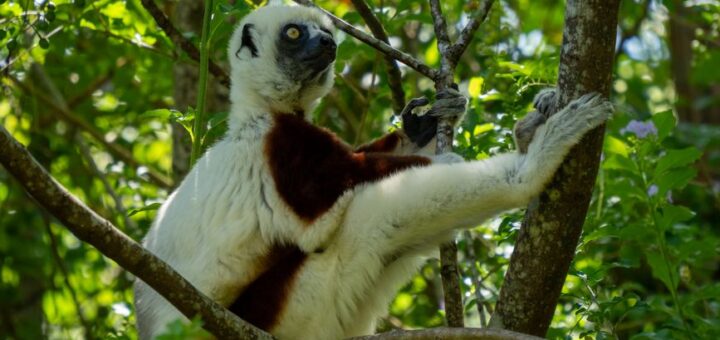
Why Madagascar’s Wildlife Exists Nowhere Else
88 million years of isolation made Madagascar the planet’s strangest nature destination — fossas, lemurs, half the world’s chameleons, pitcher plants and vanished giants.
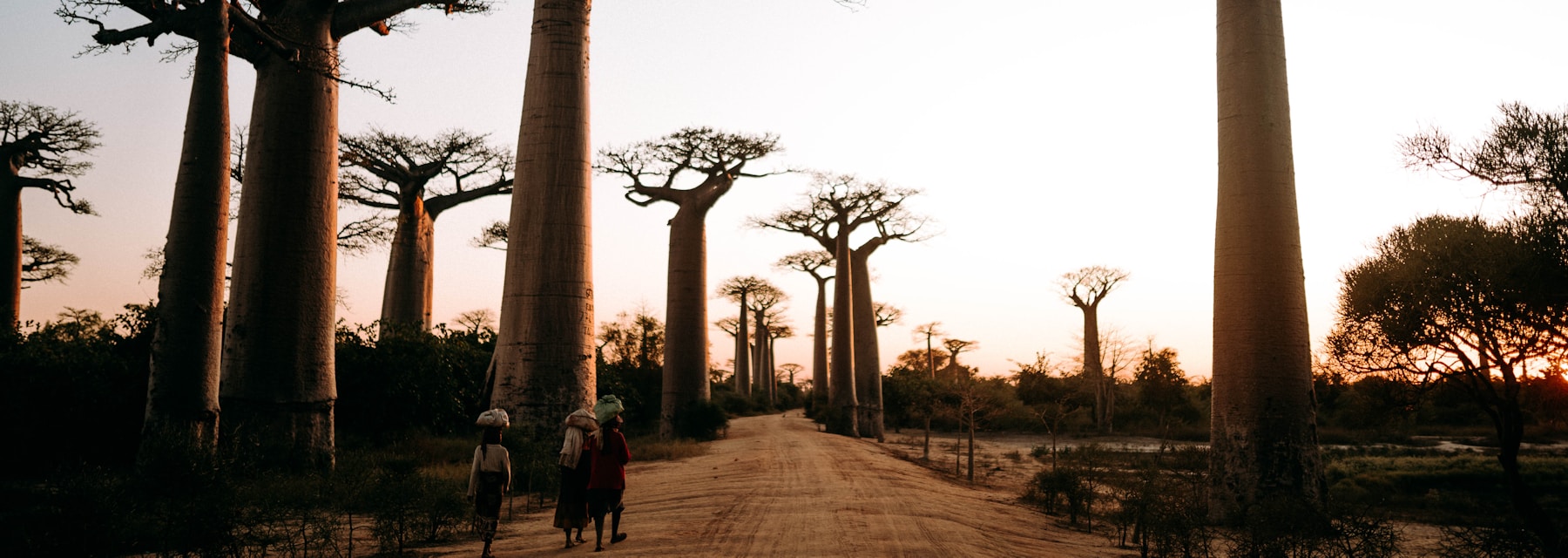
88 million years of isolation made Madagascar the planet’s strangest nature destination — fossas, lemurs, half the world’s chameleons, pitcher plants and vanished giants.
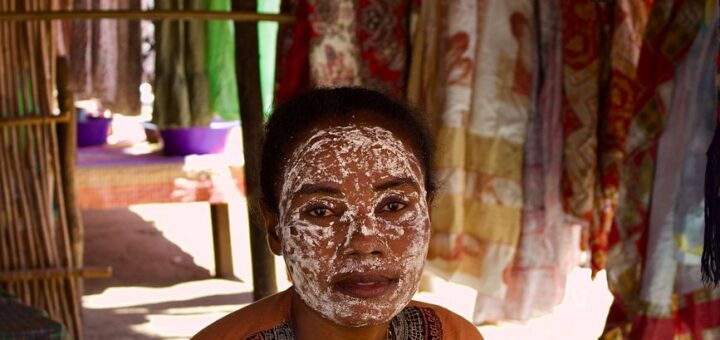
Antemoro paper, wild silk shrouds, Mahafaly carving, raffia, Richelieu embroidery, ironwork and gems — a guide to Madagascar’s living crafts and where to buy them.
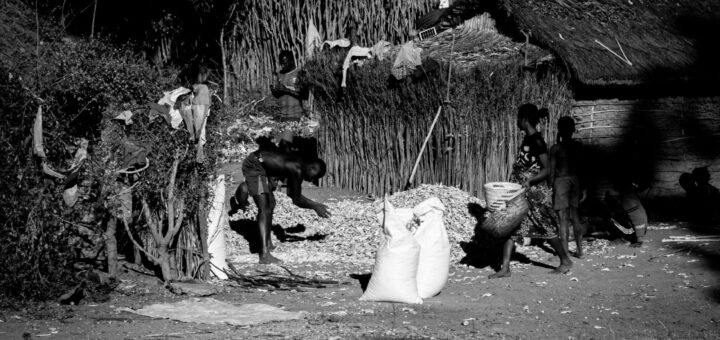
Fady — the web of ancestral taboos — quietly governs Malagasy life, deciding which animals, forests, days and places are sacred. A guide to the belief beneath everything.
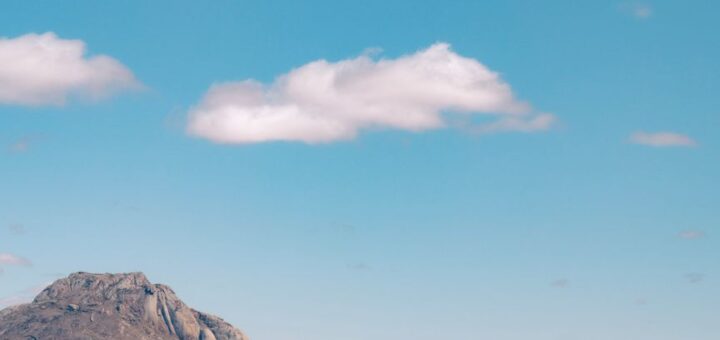
Beyond the famous sights lies the real magic of Madagascar — sacred lakes, hidden caves, a frost-capped massif, a lost fortress and a taboo-protected bird island.
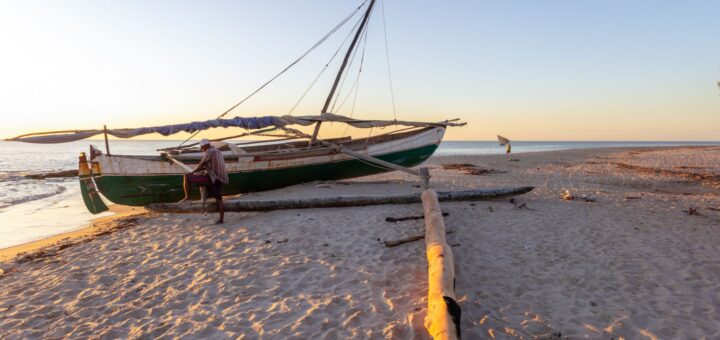
For the Vezo of southwest Madagascar, the outrigger pirogue carved from a single tree is tool, transport and tent. Meet the sea people whose whole life sails in a lakana.
High in the granite massif of Andringitra, tropical Madagascar freezes — frost, bitter wind and rare snow around Pic Boby (2,658 m), the island’s highest climbable peak.
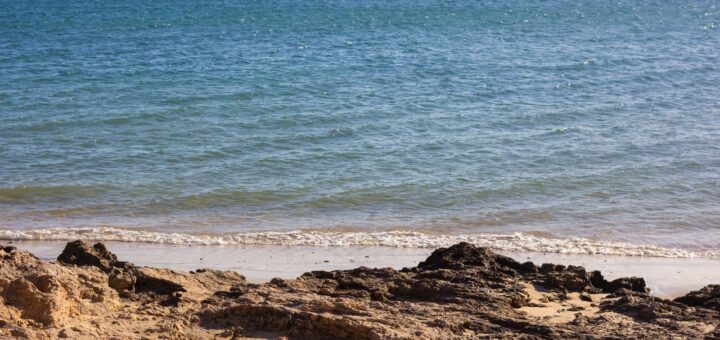
In 1643 France built Fort-Dauphin, its first colony in Madagascar — doomed by disease and isolation, ended by massacre in 1674, but immortalised by Flacourt’s famous history.
Legend tells of Libertalia, a free pirate republic on Madagascar with its own constitution. Historians call it a hoax — but the real pirate havens behind the myth were no fiction.