Where to Stay for Masoala 2026: Maroantsetra, Peninsula Lodges & Eco-Camps
Affiliate disclosure: This article contains sponsored links to hotels, tour operators, insurance providers, and other travel services. We earn a small commission if you book through our links, at no extra cost to you.
At a Glance — Where to Stay for Masoala National Park
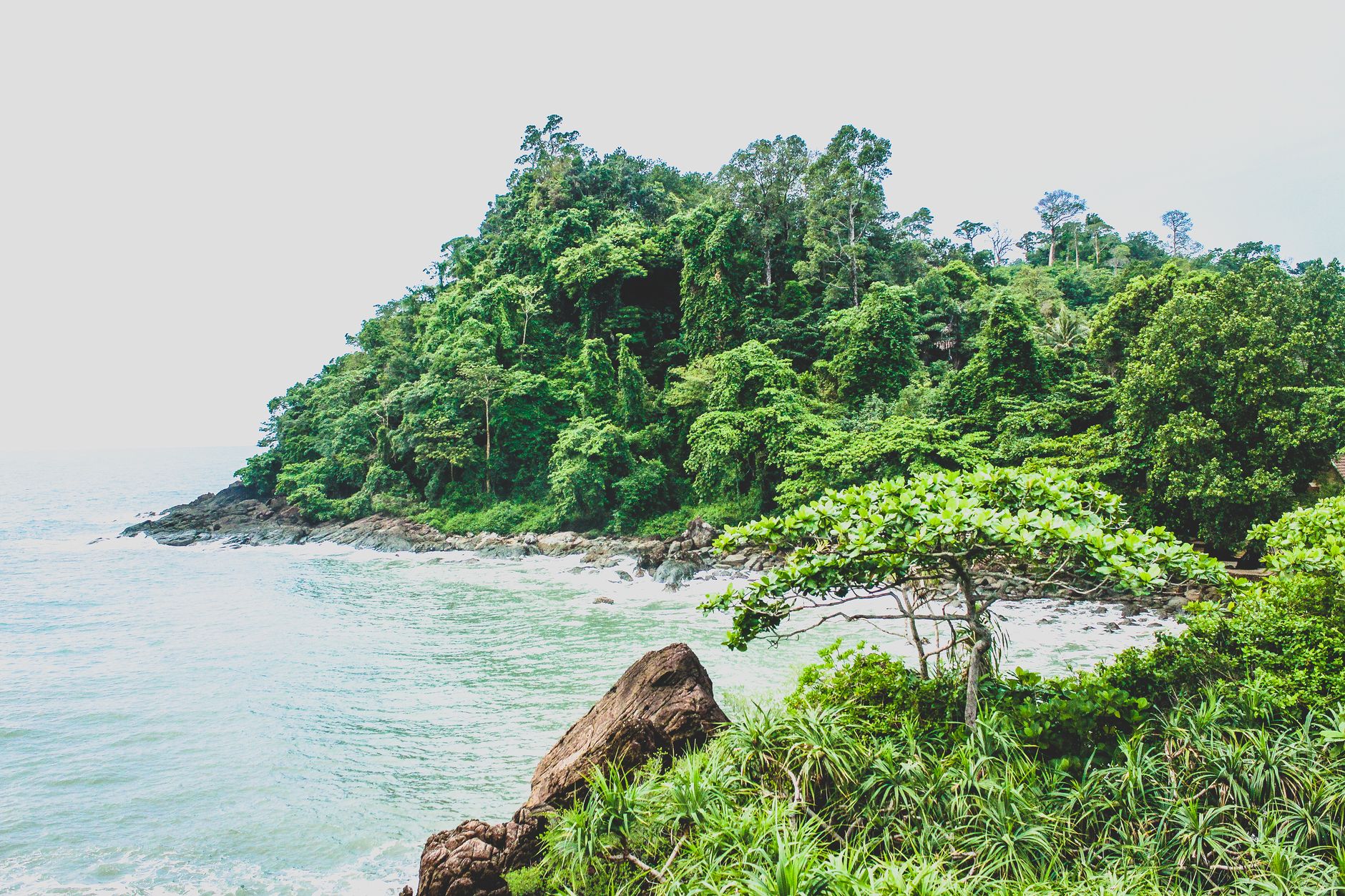
Masoala is Madagascar’s wildest rainforest-meets-the-sea reserve, and where you sleep shapes the whole trip: stay in Maroantsetra, the small gateway town where you fly in and arrange boats, or push out to the remote eco-lodges and forest-and-beach camps on the Masoala Peninsula for full immersion. Accommodation is limited, often booked as part of a package, and almost always paid in cash — plan well ahead.
- Stays: browse Madagascar stays on Agoda to compare gateway-town hotels and check live prices.
- Plan it for you: contact Carla — she matches you to the right lodge and stitches the logistics together.
- Car & driver: car & driver via Carla for any road legs before or after Masoala.
- Guided park trips: guided park trips on GetYourGuide.
- Flight delays: if a flight to Maroantsetra is delayed or cancelled, check your compensation with AirAdvisor.
- Insurance: SafetyWing Nomad Insurance — essential for remote, hard-to-reach travel.
🐿 Wildlife-Watching Gear for Madagascar
The right kit turns a good wildlife trip into a great one:
- 8×42 binoculars — essential for spotting lemurs and chameleons in the canopy. See on Amazon →
- Rechargeable headlamp — essential for night walks; red mode won’t disturb wildlife. See on Amazon →
- Trekking poles — ultralight support for long park hikes. See on Amazon →
- Hiking daypack — comfortable pack for water, camera and layers. See on Amazon →
- Picaridin insect repellent — DEET-free protection against malaria mosquitoes. See on Amazon →
As an Amazon Associate we earn from qualifying purchases.
Few places in Madagascar reward a little planning the way Masoala National Park does. This is the country’s largest protected area, a vast green peninsula where lowland rainforest tumbles right down to white-sand coves on the Bay of Antongil. It is gloriously remote, which is exactly the point — but remoteness also means that deciding where to stay is not a casual afterthought. It is the single decision that most shapes your time here. Get it right and you will fall asleep to the sound of rain on a canvas roof and wake to lemurs in the canopy a few steps from your veranda. Get it wrong and you will burn precious days in transit, or arrive to find that the handful of beds on the peninsula were spoken for months ago.
This guide walks you through the two worlds of Masoala accommodation: the practical hotels of Maroantsetra, the gateway town where almost every trip begins, and the immersive eco-lodges and camps scattered along the peninsula and on the island reserve of Nosy Mangabe. We will cover what each option feels like, realistic 2026 price tiers, how to book without getting caught out, and how to weave it all together. Because supply is so thin and the logistics so weather-dependent, this is one corner of Madagascar where booking smart — and booking early — genuinely matters.
| Where | What to expect | Rough price tier | Best for |
|---|---|---|---|
| Maroantsetra town (the gateway) | Simple, practical hotels and guesthouses where you fly in and arrange boat transfers; basic comforts, restaurants nearby, mains power most of the time. | ~€15–40 / night (rates vary — check live prices) | Arrival/departure nights, budget travellers, anyone organising their own boat. |
| Masoala peninsula eco-lodges | Remote rainforest-by-the-sea bungalows reached by boat; often near all-inclusive with meals, guides and activities; immersive and atmospheric. | ~€50–110 mid / €120–250+ upmarket (often incl. meals) | The signature Masoala experience; wildlife lovers wanting to wake in the forest. |
| Forest-and-beach camps (in the park) | Basic tented or hut camps inside the protected area, used for multi-day treks; minimal facilities, deep immersion. | ~€8–20 / night (rates vary — check live prices) | Multi-day hikers and serious naturalists on a budget. |
| Nosy Mangabe camping | Basic campsite on the island special reserve; tents/shelters, very limited facilities, magical setting. | ~€8–20 / night (rates vary — check live prices) | Adventurous travellers chasing aye-ayes and leaf-tailed geckos. |
| Budget vs mid vs upmarket | From a simple town room or camp cot, to a comfortable mid eco-lodge, to a polished upmarket lodge bundling meals and guided activities. | Budget ~€8–40 / mid ~€50–110 / upmarket ~€120–250+ | Matching comfort to budget — Carla can help you choose. |
Where to stay: the lay of the land
Almost everyone who visits Masoala stays in one of two very different ways, and understanding the trade-off up front saves a lot of confusion. The first option is Maroantsetra, the friendly little harbour town at the northern head of the Bay of Antongil. This is where the airstrip is, where boats are organised, and where you will find the area’s only cluster of conventional hotels and guesthouses. Maroantsetra is convenient, comparatively cheap, and connected — you can buy supplies, eat at a restaurant, charge your devices, and sort out logistics. What it is not is “inside” Masoala. The national park itself lies across the bay, reached only by boat, so a Maroantsetra base means day trips or transfers out to the forest each time.
The second option is to stay on the peninsula itself, at one of the remote eco-lodges or camps tucked where the rainforest meets the sea. These are reached by boat — typically a couple of hours across or around the bay, weather permitting — and they place you right in the heart of the experience. You trade convenience for immersion: there is no town, no shops, often no mains power and certainly no quick way back if you forget something. In return you get rainforest on your doorstep, beaches with almost no one on them, and the rare feeling of being genuinely off-grid in one of the planet’s great wildernesses. Many travellers do both — a night or two in Maroantsetra to bookend the trip, and the core of their stay out on the peninsula. That hybrid is, for most people, the sweet spot.
Maroantsetra hotels
Maroantsetra’s accommodation is modest and practical rather than glamorous, and that is fine — most travellers use the town as a launchpad rather than a destination. Expect simple hotels and family-run guesthouses: clean rooms, a fan or sometimes air-conditioning, a mosquito net, a private or shared bathroom, and a small restaurant or one nearby. Wi-Fi exists but can be slow or intermittent, and the town’s power supply, while generally available, can flicker. As a rough 2026 guide, expect roughly €15–40 per night for a town room, with the lower end covering very basic guesthouses and the upper end the more comfortable mid-range hotels. Rates vary by season and demand, so always check live prices on Agoda before you commit.
The single most useful thing about staying in town is that this is where boat transfers are arranged. Your hotel, a local operator, or your wider tour package will sort the pirogue or motorboat across to the peninsula and to Nosy Mangabe. It is also where you will spend your arrival and departure nights, since flights and weather rarely line up perfectly with boat schedules. Treat a Maroantsetra hotel as your reliable, well-connected anchor: a place to regroup, dry out, restock and recharge — literally — before and after the wilder part of your trip. For a sense of how the wider eastern rainforest belt fits together, our guide to eastern Madagascar and Andasibe is a useful companion read.
Masoala peninsula eco-lodges
This is the magical option, and for many travellers it is the whole reason to come. The eco-lodges scattered along the Masoala Peninsula sit in clearings where primary rainforest meets a quiet beach, with bungalows often built from local timber and thatch and designed to leave the smallest possible footprint. Picture waking to birdsong and the rustle of lemurs overhead, stepping straight from your veranda onto a trail or a deserted strand, and snorkelling over coral that hardly anyone else ever sees. Because these lodges are so isolated, they typically operate in a near all-inclusive style: your nightly rate frequently covers meals, sometimes guided walks, and the boat logistics, simply because there is nowhere else to eat or buy anything for miles.
As a generic 2026 guide, a mid-range peninsula eco-lodge tends to run roughly €50–110 per night, while a more polished upmarket eco-lodge can sit anywhere from about €120 to €250 or more — and at that level the price almost always bundles in meals and activities, which makes the headline figure look steeper than the day-to-day cost really is once you account for the remoteness. Standards range from comfortable-rustic to genuinely lovely, but even the smartest peninsula lodge is an eco-lodge first: expect solar or generator power, limited hours of electricity, bucket-warmed or solar-heated water in places, and an emphasis on nature over polish. Rates and availability shift constantly and beds are scarce, so confirm current pricing directly and use Agoda to check live prices for your gateway nights while you firm up the peninsula leg. To match the right lodge to your wildlife wish-list, see our Masoala wildlife and lemurs guide.
Camping in the park & on Nosy Mangabe
For the most adventurous — and the most budget-conscious — Masoala also offers genuine camping, both at forest-and-beach camps inside the park and on the island special reserve of Nosy Mangabe. The in-park camps are basic by design: simple tented or hut platforms used as bases for multi-day treks deep into the rainforest, with minimal facilities and a campfire-and-headtorch atmosphere. They put you closest of all to the wildlife and the trails, and they are the natural choice if you are doing a serious multi-day hike with a guide and porters. Expect very rough costs in the region of €8–20 per night for camping, though this is highly variable and almost always arranged as part of a guided trek rather than booked à la carte — rates vary, so always check current pricing.
Nosy Mangabe, a forested granite island in the Bay of Antongil, has its own basic campsite and is one of the most rewarding overnight spots in the region — famous for night walks in search of the elusive aye-aye, plus leaf-tailed geckos and chameleons. Facilities are minimal: bring or rent a tent, expect no power and very limited water, and plan to be fully self-sufficient with a guide. The reward is a magical, low-impact night on a tiny island reserve. Whichever camp you choose, this is firmly the realm of organised, guided trips — you do not simply turn up. Our Masoala tour packages guide explains how camping, lodges and transfers are usually bundled together.
Budget vs mid-range vs upmarket
Because Masoala is so remote, the usual budget-to-luxury ladder works a little differently here — comfort climbs steeply with price, but even the top end stays grounded in eco-lodge reality. Here is how the tiers shake out as approximate 2026 estimates:
- Budget (~€8–40): camping in the park or on Nosy Mangabe (~€8–20), or a simple room in a Maroantsetra guesthouse or hotel (~€15–40). Basic, honest, and the way to keep costs down — best for hardy travellers and multi-day trekkers.
- Mid-range (~€50–110): a comfortable peninsula eco-lodge, frequently with meals included given there is nowhere else to eat. This is the most popular tier — immersive without the top-end price.
- Upmarket (~€120–250+): a polished eco-lodge bundling meals, guides and activities. Pricier on paper, but remember much of your daily spend is already wrapped in, which softens the real cost.
Whatever tier you pick, treat every figure above as a ballpark, not a quote — Masoala’s tiny supply, seasonal swings and package-based pricing mean real rates move around. Always confirm current pricing and check live prices on Agoda for your town nights, and let Carla pin down the peninsula leg. For help keeping a handle on cash and costs, our Madagascar money and currency guide is worth a read before you go.
How to book & what to watch for
Masoala rewards careful planning more than almost anywhere else in Madagascar, and a handful of practical realities are worth internalising before you book:
- Supply is tiny — book well ahead. There are only a handful of beds on the peninsula, and the season is short. In practice the best lodges and camps fill months in advance, especially in the dry-ish window. Do not leave it late.
- It is usually a package. Most peninsula stays are sold bundled with boat transfers, meals, a park guide and sometimes flights. Booking the pieces separately is possible but fiddly; a package is almost always smoother and often cheaper overall.
- Cash is king. Card payment is rare to non-existent out here. Bring enough cash (Malagasy ariary, plus euros for some lodges) to cover your whole stay, fees and tips — there is no ATM on the peninsula.
- Power is limited. Expect solar or generator electricity for set hours, not 24/7. Bring a power bank, a head-torch and spare batteries, and charge everything when you can.
- It is very wet. Masoala is one of the rainiest places in Madagascar. Pack proper rain gear and dry-bags whatever the forecast, and aim for the drier window — broadly the cooler, less-soaked months — for the best chance of good weather. See our best time to visit Madagascar guide for the seasonal detail.
- Boat transfers are weather-dependent. Crossings on the Bay of Antongil can be delayed or rescheduled when the sea is rough. Build slack into your itinerary and a buffer night in Maroantsetra so a choppy day does not derail your flight home.
For the bigger picture of how Masoala sits among the country’s protected areas, our Madagascar national parks and reserves guide and the main Masoala National Park guide are the natural next reads.
Booking the smart way
Given how thin and weather-dependent everything is at Masoala, the smart move is to lock in your reliable, bookable elements early and let an expert handle the rest. For your Maroantsetra gateway nights — the bookends of the trip — start with Agoda to compare town hotels and check live prices; it is the easiest way to secure a comfortable, well-connected base for arrival and departure.
For the genuinely tricky part — matching you to the right peninsula lodge or camp, lining up the boats, the park guide and the internal flights so they actually connect — talk to Carla. She knows which lodges suit which kind of traveller, which packages are worth it, and how to build in the weather buffers that make or break a Masoala trip. It is the difference between a smooth, magical week in one of Earth’s last great rainforests and a stressful scramble against logistics you could not see coming. To dig into the numbers first, our Masoala trip cost guide breaks down what a realistic Masoala budget looks like.
Getting There & Travelling Well
Reaching Masoala almost always means a domestic flight to the Maroantsetra airstrip, followed by boats from there. Internal connections in Madagascar can shift at short notice — if your flight to Maroantsetra is delayed or cancelled, you may be owed compensation, so it is worth a quick check: check your eligibility for flight compensation with AirAdvisor.
Because Masoala is so isolated, with no nearby hospitals and limited communications, good travel insurance is not optional here — it is part of the kit. SafetyWing Nomad Insurance is a practical, flexible choice for this kind of off-grid, weather-exposed travel, covering medical care and the disruptions that come with remote, transfer-heavy trips. Sort your cover before you leave the gateway town — once you are on the peninsula there is no easy way to fix it, and SafetyWing is the kind of policy built for exactly this sort of adventure.
Let Carla Plan Your Masoala Stay
Masoala is the one Madagascar trip where having a person on the ground genuinely changes the outcome. Carla matches you to the right lodge for your budget and wildlife wish-list, then arranges the flights, the boat transfers and the park guide so the whole jigsaw actually fits together — with the weather buffers built in. Add a car & driver via Carla for any road legs before or after, and prefer a guided park day with GetYourGuide. For Masoala, that local expertise is not a luxury — it is essential.
Frequently Asked Questions
Should I stay in Maroantsetra or out at a peninsula lodge?
Most travellers do both. Maroantsetra (~€15–40/night) is your convenient, connected base for arrival and departure and where boats are arranged; a peninsula eco-lodge (~€50–110 mid, €120–250+ upmarket) is the immersive heart of the trip, rainforest right on the sea. If you only have time for one, the peninsula delivers the signature Masoala experience — but you will still likely overnight in town around your flights. Rates vary, so check live prices on Agoda for your town nights.
How do I actually get to the lodges?
By boat. There is no road into the park, so peninsula lodges and camps are reached by pirogue or motorboat across or around the Bay of Antongil — typically a couple of hours, weather permitting. Transfers are arranged in Maroantsetra, almost always as part of your lodge booking or tour package. Carla can line up the flights and boats so they connect.
Do I really need to book ahead?
Yes — emphatically. Beds on the peninsula are very few and the visiting season is short, so the good lodges and camps fill months in advance, especially in the drier window. Masoala is not a place to wing on arrival. Book well ahead, lock in your gateway hotel early via Agoda, and let Carla secure the peninsula leg.
What are the budget options?
Camping inside the park or on Nosy Mangabe (~€8–20/night) is the cheapest, usually arranged as part of a guided trek, followed by a simple room in a Maroantsetra guesthouse (~€15–40). These are basic but honest. Bring cash — there are no ATMs on the peninsula — and remember all figures are approximate; check current pricing before you commit.
What is the climate like, and when should I go?
Masoala is one of the wettest corners of Madagascar, so rain is always possible and you should pack proper waterproofs and dry-bags. Aim for the drier, cooler window for the best chance of good weather and reliable boat crossings, since transfers are weather-dependent. See our best time to visit Madagascar guide for the seasonal detail, and build a buffer night into your plan.
Ready to plan your Masoala stay?
Masoala is wild, remote and utterly worth it — and it goes far more smoothly with an expert on your side. Contact Carla to be matched with the right lodge and to have the flights, boats and park guide arranged for you. Browse gateway-town hotels and check live prices on Agoda, add a car & driver via Carla for the road legs, and travel covered with SafetyWing Nomad Insurance.
Plan Your Trip to Madagascar
- Read the full Madagascar Travel Guide
- Explore itineraries by style and duration
- Plan a 10-Day Madagascar Itinerary
Where to Stay