Fort Dauphin (Tolagnaro): The Ultimate 2026 Guide to Madagascar’s South
This post contains affiliate links. We may earn a small commission at no extra cost to you if you book through our links.
At a Glance
- Location: Fort Dauphin (Tolagnaro), Anosy region, southern Madagascar
- Best for: Eco-tourism, wildlife, multi-ecosystem exploration, off-the-beaten-path travel
- How to get there: Fly from Antananarivo (recommended) or overland
- Stay: Browse eco-lodges and hotels in Fort Dauphin on Agoda
- Book tours: Guided wildlife and nature experiences on GetYourGuide
🎒 Madagascar Trip Essentials
A few inexpensive items make the biggest difference on the ground in Madagascar:
- Picaridin insect repellent — DEET-free protection against malaria mosquitoes. See on Amazon →
- Permethrin clothing spray — treat clothes; kills mosquitoes on contact for weeks. See on Amazon →
- Pop-up mosquito net — budget lodges rarely provide one; packs down tiny. See on Amazon →
- Water filter bottle — tap water isn’t safe to drink in Madagascar. See on Amazon →
- Universal travel adapter (USB-C) — Madagascar uses European-style plugs. See on Amazon →
- 8×42 binoculars — essential for spotting lemurs and chameleons in the canopy. See on Amazon →
As an Amazon Associate we earn from qualifying purchases.
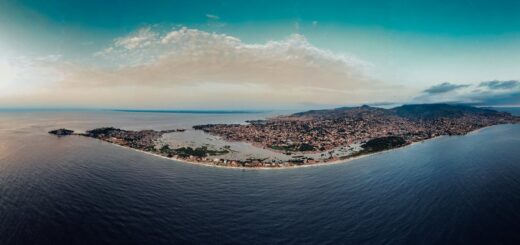
Fort Dauphin — known locally as Tolagnaro — is not a destination you stumble across. It sits at the southeastern tip of Madagascar, geographically isolated, logistically deliberate to reach, and entirely unlike any other major destination on the island. That intentionality is its defining characteristic.
While Nosy Be draws beach tourists and Andasibe concentrates wildlife visitors in a single forest corridor, Fort Dauphin offers something rarer: the convergence of multiple ecosystems — rainforest, spiny desert, Indian Ocean coastline, and mountain landscapes — within a compact region that can be explored in 3 to 5 days.
This guide is the complete planning resource for Fort Dauphin in 2026: ecosystems, wildlife, accommodation, logistics, and realistic expectations.
Flight delayed or cancelled? Flights to Fort Dauphin often connect via Antananarivo or Paris. EU regulation EC 261 may entitle you to up to EUR 600. Check your claim free on AirAdvisor.
The Geographic Identity of Fort Dauphin
To understand why Fort Dauphin is valuable, start with geography. The region sits at the intersection of several major ecological zones:
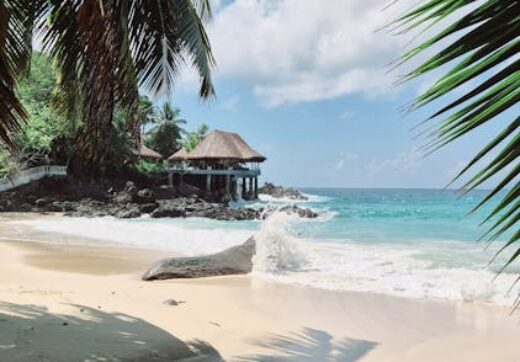
- The Indian Ocean coastline — dramatic, wind-exposed, largely undeveloped
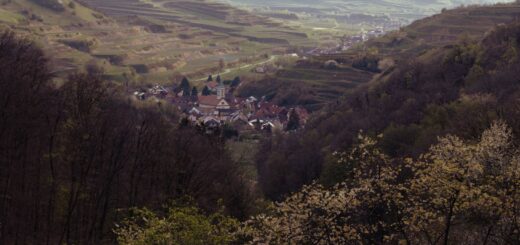
- Dense humid rainforest pockets in the Anosy mountains
- Spiny desert ecosystems extending westward
- Wetland and freshwater river systems
Few places on Earth compress this much ecological variety into this small a footprint. A traveler can stand at the ocean in the morning, walk into dense rainforest by midday, and observe spiny desert flora in the afternoon. That sensory contrast is the essence of what Fort Dauphin offers.
Wildlife: What You Will Actually See
Wildlife in Fort Dauphin is distributed across habitats rather than concentrated in a single reserve. The highlights:
Lemurs: Berenty Reserve is the region’s flagship — ring-tailed lemurs and sifakas in predictably high density. Nahampoana offers a botanical forest alternative. Both are accessible as day trips.
Coastal marine life: Seasonal whale watching, sea turtles, reef fish, and diverse coastal birds.
Nocturnal species: Night walks in forest zones reveal chameleons, nocturnal lemurs, amphibians, and insects that are genuinely invisible during daylight hours.
Birds: Multiple habitat zones create exceptional diversity — rainforest, wetland, and spiny forest each host distinct bird communities.
Read also:
How Fort Dauphin Compares to Other Madagascar Destinations
Fort Dauphin is not a competitor to Nosy Be or Andasibe — it is a complement. Where those destinations specialize, Fort Dauphin generalizes across ecosystems:
- vs Nosy Be: More ecological diversity, less beach resort infrastructure. Better for active travelers than sun-and-sand visitors.
- vs Andasibe: Less concentrated wildlife density, but broader habitat range and genuinely coastal access.
- vs Isalo: More humid and coastal variety; Isalo’s arid canyon is more dramatic as a single landscape, but Fort Dauphin offers more total experience variety.
Practical Planning
How to get there: Fly from Antananarivo. Domestic routes to Tolagnaro Airport (FTU) take approximately 1.5-2 hours. Road travel is possible but requires multiple days and advance planning.
How long to stay: 3 days minimum, 5 days ideal. Day 1-2 for forest and wildlife reserves. Day 3 for coastal exploration. Day 4-5 for spiny forest and deeper nature immersion.
When to go: Dry season (April-October) offers the most stable weather and easiest trail access. July-August is peak season — book accommodation well ahead.
Where to stay: Eco-lodges are the dominant and most appropriate accommodation type. Browse current options on Agoda — capacity is limited and premium properties fill months in advance.
Plan your Fort Dauphin trip now:
Travel Insurance for Fort Dauphin
Medical evacuation from southern Madagascar can cost USD 30,000-80,000. The region’s remoteness makes insurance essential.
- SafetyWing — monthly-subscription travel medical cover; you can check their plans.
- World Nomads — single-trip travel insurance with adventure-activity options.
Who Should Visit Fort Dauphin?
Best fit: Eco-tourism travelers, wildlife enthusiasts, photographers, adventure itinerary builders, travelers seeking genuinely low-density destinations.
Not the right fit: Travelers seeking pure beach holidays, resort-only vacations, or very short (1-2 day) itineraries without flexibility.
FAQ
Is Fort Dauphin worth visiting in 2026?
Strongly yes — for the right traveler. It offers a combination of ecosystems, wildlife, and low commercialization that is increasingly rare in global eco-tourism. The logistics require more planning than most Madagascar destinations, but the payoff in experience quality is exceptional.
How many days should you spend in Fort Dauphin?
3-5 days is the optimal range. Less than 3 days means rushing between ecosystems; more than 5 is best for deep wildlife research or photography.
Is Fort Dauphin suitable for first-time Madagascar visitors?
It depends on travel style. First-time visitors seeking comfort and easy logistics may prefer more developed regions. Those interested in genuine eco-tourism will find it deeply rewarding.
Plan Your Trip to Madagascar
- Read the full Madagascar Travel Guide
- Explore itineraries by style and duration
- Explore the full destination guide
Where to Stay
Hotels, lodges, and tours fill fast for July–September — compare availability now.