Adding Madagascar to an Indian Ocean Multi-Stop Trip: Réunion and Mauritius 2026
This post contains affiliate links. We may earn a small commission at no extra cost to you.
At a Glance
- Best combos: Madagascar + Réunion (8–10 days each) or Madagascar + Mauritius (7 days each)
- Key airline: Air Austral connects Paris, Réunion and Madagascar on one ticket
- Flight times: Réunion–Tana: ~2h; Mauritius–Tana: ~2.5h — these are short hops
- Cheapest routing: Ethiopian Airlines via Addis Ababa, open-jaw in/out different islands
- Add-on flight cost: Réunion adds €150–250; Mauritius adds $200–350 over a direct Madagascar return
- Flight protection: AirAdvisor handles EU261 delay claims on European-departing legs
- Travel insurance: SafetyWing Nomad Insurance covers all three islands under one policy
🎒 Madagascar Trip Essentials
A few inexpensive items make the biggest difference on the ground in Madagascar:
- Picaridin insect repellent — DEET-free protection against malaria mosquitoes. See on Amazon →
- Permethrin clothing spray — treat clothes; kills mosquitoes on contact for weeks. See on Amazon →
- Pop-up mosquito net — budget lodges rarely provide one; packs down tiny. See on Amazon →
- Water filter bottle — tap water isn’t safe to drink in Madagascar. See on Amazon →
- Universal travel adapter (USB-C) — Madagascar uses European-style plugs. See on Amazon →
- 8×42 binoculars — essential for spotting lemurs and chameleons in the canopy. See on Amazon →
As an Amazon Associate we earn from qualifying purchases.
Madagascar, Réunion, and Mauritius sit within 800 km of each other in the southwest Indian Ocean — close enough that combining two or three on a single European trip costs surprisingly little extra in flight time. The payoff is three completely different experiences: raw adventure, volcanic hiking, and luxury beach, all within one itinerary.
Why the Indian Ocean Triangle Works as One Trip
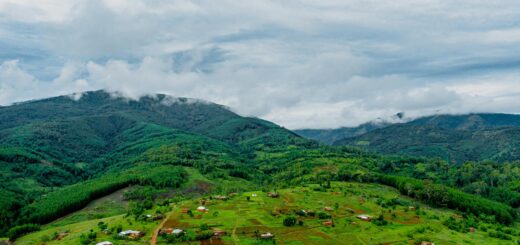
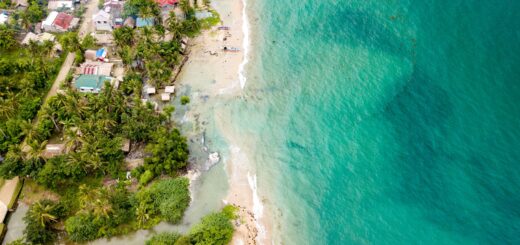
The three islands form a natural circuit. Réunion is a French overseas territory — dramatically volcanic, heavily forested, with the active Piton de la Fournaise volcano and a network of cirques (high mountain valleys) that rival anything in the Alps. Mauritius offers manicured luxury beach resorts and a cosmopolitan food scene at competitive price points. Madagascar is the adventure: raw wildlife, uneven roads, and an experience so different from the others that it resets your expectations entirely.
All three are served from Paris, making the hub easy. Réunion and Mauritius require no visa for most passport holders (Réunion is French territory and falls under Schengen rules; Mauritius is visa-on-arrival or visa-free for most nationalities). Madagascar requires a visa on arrival. Combining them is a matter of sequencing and open-jaw ticketing rather than complex logistics. Our Madagascar planning guide from France covers the Paris hub routing in detail, which forms the backbone of any multi-stop Indian Ocean trip.
Best Route Sequences and Flight Connections
The most logical sequence from Europe: fly into Tana (Madagascar) first — do the adventure while you are freshest — then continue to Réunion or Mauritius to decompress on beaches and better infrastructure before flying home. Air Austral operates a hub through Roland Garros Airport in Réunion connecting Paris CDG and Paris Orly to both Réunion and Tana. This makes a Paris → Tana → Réunion → Paris route bookable as a single ticket or two separate segments at a competitive combined price.
The Mauritius connection works differently. Air Mauritius operates Mauritius–Tana, and some seasonally via Nosy Be. The cleanest routing: Paris → Tana (Air France or Ethiopian) then Tana → Mauritius (Air Mauritius) → Paris or London (Air Mauritius). Open-jaw ticketing — fly into Tana, fly home from Réunion — is frequently the cheapest option and worth checking on Google Flights’ multi-city function. For the UK planning perspective, our UK routing guide covers the best connection points.
How Long to Spend on Each Island
Madagascar demands the most time investment of the three. Ten days is the practical minimum to reach one wildlife site beyond Tana and see any coastal destination; fourteen to twenty-one days is optimal. Arriving in Madagascar exhausted from a rushed Réunion itinerary defeats the purpose — build in recovery time. If the full circuit is three weeks, allocate twelve to fourteen days for Madagascar and five to seven for the second island.
Réunion rewards a focused five-to-seven-day visit: one day on the Piton de la Fournaise lava fields, two days in the Cirque de Cilaos or Cirque de Mafate, one coastal day in Saint-Gilles. Mauritius at five to seven days covers the south coast beaches (Le Morne), the north (Grand-Baie), and the Black River Gorges interior. If time is genuinely short and only one island can be added, Réunion is logistically easier to bolt onto a Madagascar trip via the Air Austral combined routing. See our short-stay Madagascar guide for condensed itinerary options when time is the constraint.
Budget and Booking Strategy for Multi-Stop Trips
Open-jaw tickets — flying into one island and out from another — are frequently within 10–15% of the price of a standard return to one destination, and sometimes cheaper. Use Google Flights’ multi-city function or contact Air Austral directly to price Paris → Tana + Réunion → Paris as a package. Air Austral occasionally bundles these routes with accommodation deals during promotional windows.
Ethiopian Airlines offers the cheapest base fare to Madagascar from most European cities, but does not naturally connect to Réunion or Mauritius — you would add a separate Air Austral or Air Mauritius leg. This works well if price is the priority over convenience. Book multi-stop international flights 3–4 months ahead; last-minute availability on Indian Ocean routes is limited. For long-haul connecting flights where delays are a real risk, activate AirAdvisor to claim EU261 compensation automatically if your European-departing flight causes a missed connection.
Frequently Asked Questions
Is it cheaper to book Madagascar and Réunion together or separately?
Usually together, particularly if using Air Austral for both legs. The airline offers combined Paris–Réunion–Tana routings at prices competitive with two separate bookings. Alternatively, an open-jaw ticket (fly into Tana, fly home from Réunion) is frequently the cheapest structure. Check both options on Google Flights multi-city mode before deciding.
Do I need separate visas for all three islands?
Madagascar requires a visa on arrival (free, issued at Ivato Airport — bring a passport photo and the €35 fee in cash or card). Réunion is a French overseas territory and falls under Schengen rules — EU passport holders enter freely, others use their France/Schengen visa. Mauritius offers visa-free entry for most Western passport holders for up to 90 days. Verify current requirements with each country’s embassy before travel.
Which island should I visit first — Madagascar, Réunion, or Mauritius?
Madagascar first is the recommended sequence. It requires the most energy, tolerance for logistics, and adaptability — qualities that fresh travelers have in abundance. Réunion and Mauritius both have better infrastructure and serve well as decompression islands after Madagascar’s more demanding environment. Ending on a luxury beach in Mauritius or a comfortable French gîte in Réunion is a satisfying close to the circuit.
What is the minimum budget for a two-island Indian Ocean trip?
A Madagascar + Réunion combination from Paris can work on €2,500–3,500 per person for three weeks including flights, accommodation, meals and activities at a mid-range budget level. Madagascar accounts for the larger share — roughly €1,500–2,000 — while Réunion adds €800–1,200 depending on accommodation choice. Mauritius substituted for Réunion pushes the budget up by €300–500 due to higher accommodation prices.
The Indian Ocean multi-stop is one of the most rewarding long-haul trip structures available from Europe — raw adventure in Madagascar, natural spectacle in Réunion, and beach recovery in Mauritius, all within a single month’s leave. Plan the sequencing carefully, book open-jaw flights early, and get SafetyWing Nomad Insurance in place before the first departure — one policy, three islands, zero gaps in coverage.
Travel Insurance for Madagascar
Medical evacuation from Madagascar costs $30,000–$80,000. Don’t travel without cover.
- SafetyWing — monthly-subscription travel medical cover; you can check their plans.
- World Nomads — single-trip travel insurance with adventure-activity options.
Plan Your Trip to Madagascar
- Read the full Madagascar Travel Guide
- Explore itineraries by style and duration
- Explore the full destination guide
Where to Stay