Credit Cards vs Cash in Madagascar: Where Each Works and Where It Doesn’t
This post contains affiliate links. We may earn a small commission at no extra cost to you.
At a Glance
- Cards accepted: Upscale hotels, Air Madagascar counters, major tour operators in Tana and Nosy Be
- Cash only: Taxi-brousse, hotely canteens, markets, local guesthouses, all rural areas
- Best ATMs: BOA (Bank of Africa) — most widespread; BNI Madagascar second most reliable
- Mastercard warning: Very limited ATM acceptance — Visa strongly preferred
- Daily ATM limit: 200,000–400,000 MGA per transaction at most banks
- ATM fees: 3,000–8,000 MGA per withdrawal charged by the local bank
- Travel insurance: SafetyWing Nomad Insurance — pay before travel, avoid currency stress abroad
💰 Carry Your Cash Safely in Madagascar
Madagascar runs largely on cash. Keep your money secure:
- Hidden money belt — keeps cash and passport out of a pickpocket’s reach. See on Amazon →
- RFID-blocking wallet — organises cards and blocks electronic skimming. See on Amazon →
- Neck wallet / passport pouch — discreet document holder for transit days. See on Amazon →
As an Amazon Associate we earn from qualifying purchases.
Madagascar is not a cashless destination, and it is not becoming one quickly. Cards work in specific, predictable contexts — and nowhere else. Understanding the precise boundary between card-friendly and cash-only environments before you arrive saves real anxiety on the ground.
Madagascar’s ATM Landscape
BOA (Bank of Africa) operates the most widespread ATM network in Madagascar and is the most reliable for foreign Visa cards. Major BOA branches in Tana (especially near Avenue de l’Indépendance), Nosy Be (Hell-Ville main branch), and Toamasina are the most consistent performers. BNI Madagascar is the second-best option, with solid coverage in major tourist destinations. Société Générale Madagascar operates primarily in Tana. Third-party ATMs installed at supermarkets and hotels charge higher fees and fail more frequently — use them only as a last resort.
Daily withdrawal limits at most ATMs run 200,000–400,000 MGA per transaction. Local bank fees are 3,000–8,000 MGA per withdrawal on top of whatever your home bank charges. Mastercard has very limited acceptance at Malagasy ATMs — most machines are Visa-affiliated. If you hold a Mastercard only, verify options with your bank before travel or request a Visa debit alternative. Always notify your home bank of your travel dates to prevent automatic fraud blocks on ATM withdrawals. Our money-saving insider guide covers strategies for minimizing ATM fee accumulation over a multi-week trip.
Where Cards Are Accepted (and Where They’re Not)
Card acceptance in Madagascar follows a clear pattern: the more tourist-facing and upscale the establishment, the higher the probability of Visa acceptance. Three-star-and-above hotels in Tana and Nosy Be typically accept Visa for room payments. Air Madagascar and Tsaradia ticket counters at Ivato Airport accept Visa. Major licensed tour operators with offices in major cities usually have card terminals. Some larger supermarkets in Tana (Score, Shoprite) accept Visa.
The line stops there. Local guesthouses, hotely canteens, taxi-brousse terminals, market vendors, pirogue operators, park entry gates, and virtually all services in rural areas are cash-only without exception. Even petrol stations outside Tana, while increasingly card-equipped, may have connectivity failures that make cash the backup plan. Never leave a city ATM without sufficient cash for the entire upcoming leg of your journey. Our daily budget guide by city flags which destinations have reliable ATM access and which require withdrawing in advance.
Why Cash Still Rules in Madagascar
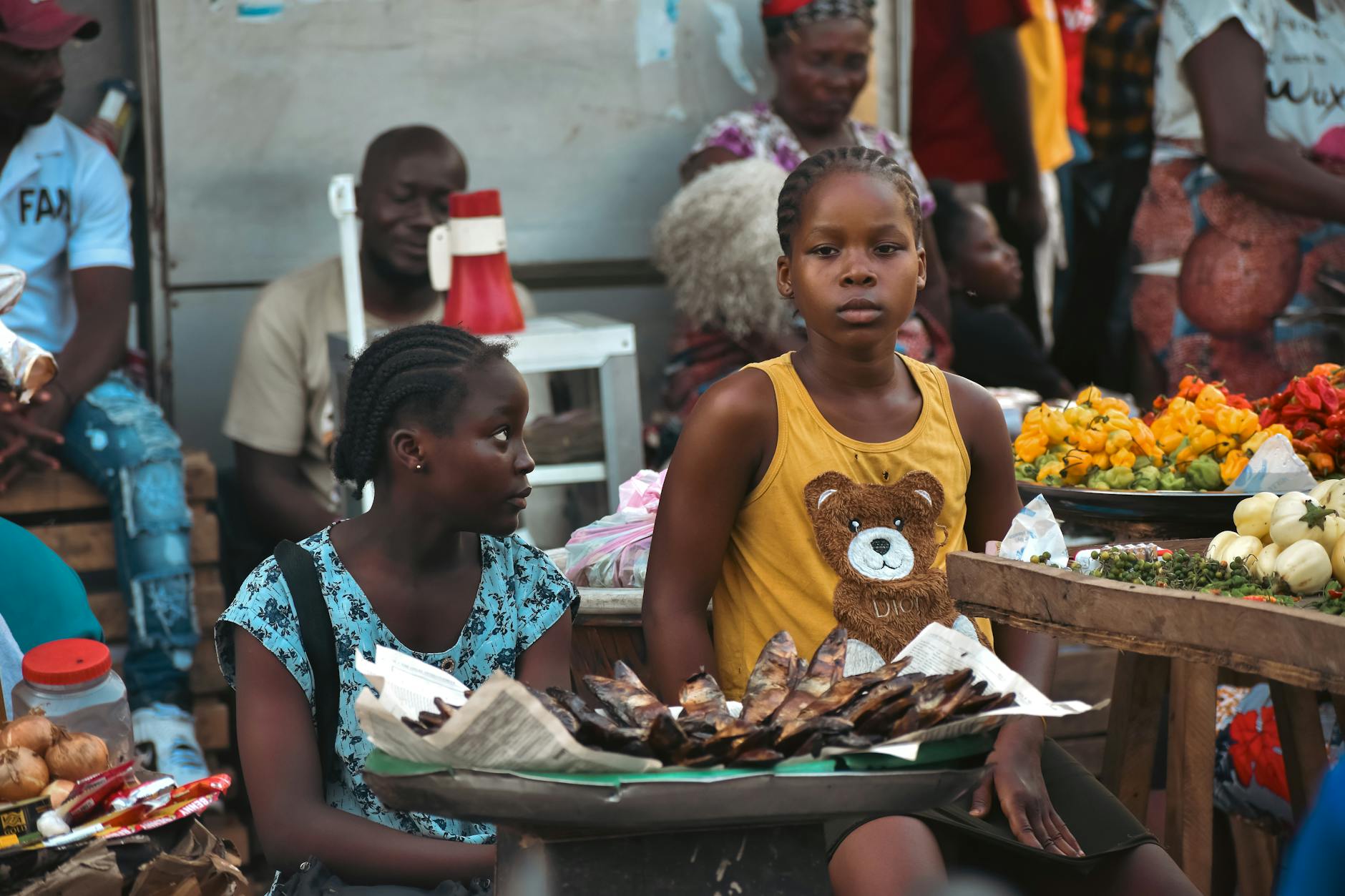
Beyond the practical reality that most vendors do not have card terminals, cash carries cultural weight in Madagascar. Tipping — for guides, drivers, hotel staff, boat crew — is always cash. Market transactions, whether for food, crafts, or local services, operate exclusively on cash. Rural transport including taxi-brousse, shared minivans, and local boats are structurally cash-only businesses. In communities more than 50 km from a major town, the concept of card payment is essentially nonexistent.
Small denomination notes matter more here than in most countries. The 1,000 MGA note ($0.23) is the most versatile denomination for daily spending. Keep a supply of 500 MGA, 1,000 MGA, and 2,000 MGA notes separate from your larger bills. Change shortages are genuine — taxi-brousse drivers and market vendors cannot always make change for a 10,000 or 20,000 MGA note. Break large bills at supermarkets or petrol stations in cities before heading into smaller towns. For the full picture of what a multi-city trip actually costs in cash, our two-person budget breakdown provides detailed cash flow planning by route.
Practical Strategy: How to Combine Both Effectively
The working strategy for most Madagascar travelers: withdraw a large sum in Ariary at a BOA or BNI ATM in Tana before departing for any remote circuit, use cards at hotels and the occasional tour operator to preserve cash reserves, and keep a Visa card as an emergency backup rather than a primary payment tool. For a two-week trip spending at budget level, a single large withdrawal of 800,000–1,200,000 MGA covers most cash needs if planned carefully.
For card security, use ATMs inside bank lobbies during business hours rather than standalone street machines after hours. Card skimming, while not widespread, has been reported at standalone ATMs in tourist areas. Always collect your card before leaving the machine, take your receipt for reconciliation, and check your bank statement within 48 hours of any withdrawal. If you plan multi-week travel in remote areas, consider carrying a small emergency USD or EUR reserve — several lodges and rescue-scenario situations accept hard currency when local ATMs are unavailable.
Frequently Asked Questions
Can I rely on credit cards as my primary payment method in Madagascar?
No. Madagascar remains a cash-dominant economy outside major hotels and a handful of tour operators. Even card-accepting properties sometimes have connectivity issues that prevent transactions. Always carry sufficient Ariary cash for at least several days of expenses and treat cards as a supplement or emergency backup, not a primary method.
Which banks in Madagascar have the most reliable ATMs?
BOA (Bank of Africa) has the most widespread network and is generally the most reliable for foreign Visa cards. BNI Madagascar is dependable in major tourist destinations. Société Générale is concentrated in Antananarivo. Avoid third-party ATMs at hotels or supermarkets — they typically have higher fees and more frequent connection failures.
Does Mastercard work in Madagascar?
Mastercard has very limited acceptance at ATMs in Madagascar. Most ATMs are Visa-affiliated. If you hold only a Mastercard, verify withdrawal options before travel or ask your bank about a Visa debit alternative. Some upscale hotels accept Mastercard for room payments, but ATM access remains primarily Visa-only.
How much cash should I carry when traveling to remote areas in Madagascar?
Budget for at least five to seven days of projected spending before leaving any city with a reliable ATM. For Fort Dauphin, the far south, or the Tsingy region, carry even more — local ATM options are limited or unreliable. Standard formula: (daily budget × days in remote area) + 30% buffer for unexpected costs and guide tips.
Cash is not optional in Madagascar — it is the system. Cards are a useful supplement for hotel check-ins and the occasional tour operator, but the entire local economy runs on Ariary in hand. Plan your withdrawals strategically, carry more than you think you will need, and use ATMs inside bank lobbies during business hours. Before any of this, lock in your SafetyWing Nomad Insurance — the one financial exposure that cash and cards both fail to cover is emergency medical evacuation.
Travel Insurance for Madagascar
Medical evacuation from Madagascar costs $30,000–$80,000. Don’t travel without cover.
- SafetyWing — monthly-subscription travel medical cover; you can check their plans.
- World Nomads — single-trip travel insurance with adventure-activity options.
Plan Your Trip to Madagascar
- Read the full Madagascar Travel Guide
- Explore itineraries by style and duration
- Explore the full destination guide
Where to Stay