Fort Dauphin (Tolagnaro) Madagascar: The Ultimate 2026 Travel Guide
Disclosure: This article contains affiliate links. Booking via our links earns us a small commission at no extra cost to you — it keeps our guides free.
At a Glance: Fort Dauphin (Tolagnaro)
- Best time: May-October (dry season)
- Best for: wildlife enthusiasts, eco-travelers, photographers, adventure travelers
- Getting there: Domestic flight from Antananarivo (~2 hrs) — flights guide
- Hotels: Browse on Agoda — book now for best rates
- Tours: GetYourGuide guided excursions
- Car rental: Compare 4x4s on Carla
- Insurance: SafetyWing from $40/month
At the southern tip of Madagascar, where mountains collide with the Indian Ocean and rare ecosystems stretch toward the horizon, lies Fort Dauphin — also known as Tolagnaro. This is not a destination you stumble into casually. It requires intention, planning, and a willingness to embrace contrasts. Within a single day, you can move from humid rainforest to arid spiny forest, from quiet lagoons to powerful surf beaches, from luxury eco-lodges to remote villages largely untouched by modern tourism.
Flight delayed or cancelled? You could be owed up to $700. AirAdvisor files your claim automatically — no win, no fee.
Looking for eco-lodges or boutique accommodation in Fort Dauphin? Browse options on Agoda now.
Why Fort Dauphin Is One of Madagascar’s Most Unique Regions
What sets Fort Dauphin apart is the collision of ecosystems. Few places in the world allow you to experience such stark environmental transition over short distances. To the north and inland, you encounter lush vegetation and protected reserves. Moving west, the landscape transforms into the surreal dryness of the spiny forest — one of the most biologically unique ecosystems on Earth. Along the coast, beaches like Libanona Beach offer a dramatic interface between land and ocean.
Key Experiences
1. The Spiny Forest Ecosystem
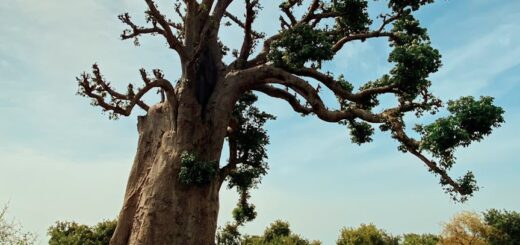
The region surrounding Fort Dauphin contains one of Madagascar’s most distinctive environments: drought-resistant plants, unusual tree formations (including the famous octopus tree), and endemic wildlife found nowhere else on Earth. Guided visits through this ecosystem are a genuinely unique global experience.
2. Lemur Reserves
Nearby reserves provide accessible opportunities to observe lemurs in relatively controlled conditions. Berenty Reserve (structured conservation environment) and Nahampoana Reserve (more natural habitat) each offer a different type of encounter. Both are manageable as day trips from Fort Dauphin.
Book a guided lemur reserve tour from Fort Dauphin on GetYourGuide — instant confirmation available.
3. Libanona Beach and Coastal Landscapes
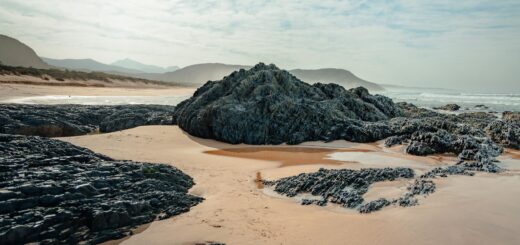
Libanona Beach combines rugged beauty with a laid-back atmosphere. While currents make swimming variable, it excels in scenic value and provides a strong sense of place — the dramatic interface between mountains and the Indian Ocean.
4. Peak St. Louis and Mountain Views
Rising above the town, Peak St. Louis offers panoramic views highlighting the region’s geographical contrasts. Accessible hike, highly rewarding for photographers and anyone wanting to understand the landscape.
The Experience Spectrum
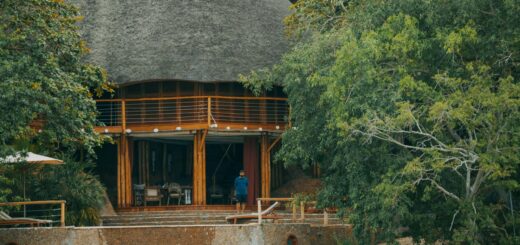
Fort Dauphin operates across a wide range of travel styles. At the high end, remote eco-lodges provide curated experiences, private guides, and access to protected reserves — often integrated into active conservation efforts. At the other end, independent travelers can explore local markets, hike surrounding hills, and engage with the region spontaneously. This duality is rare: a destination supporting both premium, high-margin travel and authentic, low-cost exploration.
Browse eco-lodges and hotels in Fort Dauphin on Agoda — both luxury and budget options available.
Getting to Fort Dauphin
Fort Dauphin is reached via domestic flight from Antananarivo to Tolagnaro Airport. Overland travel is time-consuming and complex — flying is strongly recommended. See our domestic flights guide for booking tips.
Flight delayed or cancelled? You could be owed up to $700. AirAdvisor files your claim automatically — no win, no fee.
Who Should Visit Fort Dauphin
- Ideal for: Wildlife enthusiasts, eco-travelers, photographers, adventure seekers, luxury eco-travelers
- Less ideal for: Travelers expecting resort-style convenience or highly developed tourism infrastructure
How Many Days?
4 to 6 days is ideal to experience the spiny forest, at least one lemur reserve, coastal landscapes, and mountain viewpoints without rushing.
FAQ
Is Fort Dauphin worth the effort? Absolutely — its diversity and uniqueness justify the logistics.
Is it a luxury destination? It can be, especially through eco-lodges. But it also works on a budget.
Travel Insurance for Madagascar
Madagascar is remote — medical facilities are limited. Don’t travel without coverage.
- SafetyWing Nomad Insurance — from $40/month, covers medical emergencies and evacuation.
- World Nomads — ideal for adventure activities: hiking, diving, kite surfing.
Fort Dauphin is not just worth visiting — it is one of Madagascar’s most distinctive and strategically valuable destinations. For travelers willing to invest in planning and embrace its contrasts, it delivers an experience that is both rare and deeply memorable.
Ready to Book Your Madagascar Trip?
Prices and availability change fast. Don’t wait.
Plan Your Trip to Madagascar
- Read the full Madagascar Travel Guide
- Explore itineraries by style and duration
- Best Tours and Guided Experiences
Where to Stay