Is Toamasina Worth Visiting in 2026? An Honest Review & Essential Travel Guide
Affiliate disclosure: This article contains sponsored links to hotels, tour operators, insurance providers, and other travel services. We earn a small commission if you book through our links, at no extra cost to you.
At a Glance — Is Toamasina Worth It?
- The quick verdict: Yes — but as a gateway and a slice of authentic port-city life, not as a beach-resort destination. Manage your expectations and Toamasina rewards you.
- Who it suits: Travellers heading to the Pangalanes Canal or Île Sainte-Marie, culture-first explorers, and anyone routing overland from Antananarivo via the RN2 and Andasibe.
- Who should skip it: Anyone chasing turquoise swimming beaches or a resort holiday — the in-town seafront is not safe for swimming.
- How long: 1–2 nights is usually the sweet spot; add a day if you’re doing a Pangalanes trip.
- Things to do that make it worth it: Browse Toamasina & eastern Madagascar tours on GetYourGuide
- Where to stay: Compare Toamasina hotels on Agoda
- Insurance: Get a SafetyWing quote for Madagascar
- Getting there / east-coast route: Compare car hire on Carla
The eastern coast of Madagascar rarely makes the highlight reels. Nosy Be, Isalo and the RN7 lemur trail soak up the attention, and Toamasina — the country’s largest seaport, once and still widely known as Tamatave — sits quietly in the background as a place people pass through rather than plan for. That reputation is only half fair. Toamasina is not a postcard town, and pretending otherwise would be dishonest. But it is a real, functioning Malagasy city with a genuine coastal character, and for the right traveller it earns its place on an itinerary.
This is a balanced review, not a sales pitch. Below you’ll find honest reasons to go, honest reasons to skip, who Toamasina actually suits, how long to stay, and how to slot it into a wider east-coast route. Read it and you’ll know within a couple of minutes whether Toamasina belongs on your map.
A quick word on the name, because it trips people up. Toamasina and Tamatave are the same place — Tamatave is the older colonial-era name still used in casual speech, on some signage, and by airlines, while Toamasina is the official Malagasy name you’ll see on maps and government material. Both refer to the same city on the same stretch of the east coast, so don’t overthink it when you’re booking flights, buses or hotels; if a listing says one and your ticket says the other, you’re in the right place.
The Short Answer: Is Toamasina Worth Visiting?
Yes — conditionally. Toamasina is worth visiting if you treat it as a gateway and a cultural stopover rather than a destination in its own right. If your mental picture is a resort beach with calm turquoise water, you will be disappointed, because the in-town seafront has dangerous currents and is not for swimming. If instead you want a lively port city with markets, a long palm-lined boulevard, easy day trips to lemurs, and the launch point for two of eastern Madagascar’s best experiences — the Pangalanes Canal and Île Sainte-Marie — then it more than justifies a night or two.
The travellers who leave disappointed are almost always the ones who expected the wrong thing. Set your expectations correctly and Toamasina delivers exactly what it promises.
Understanding Toamasina: A Working Port, Not a Resort
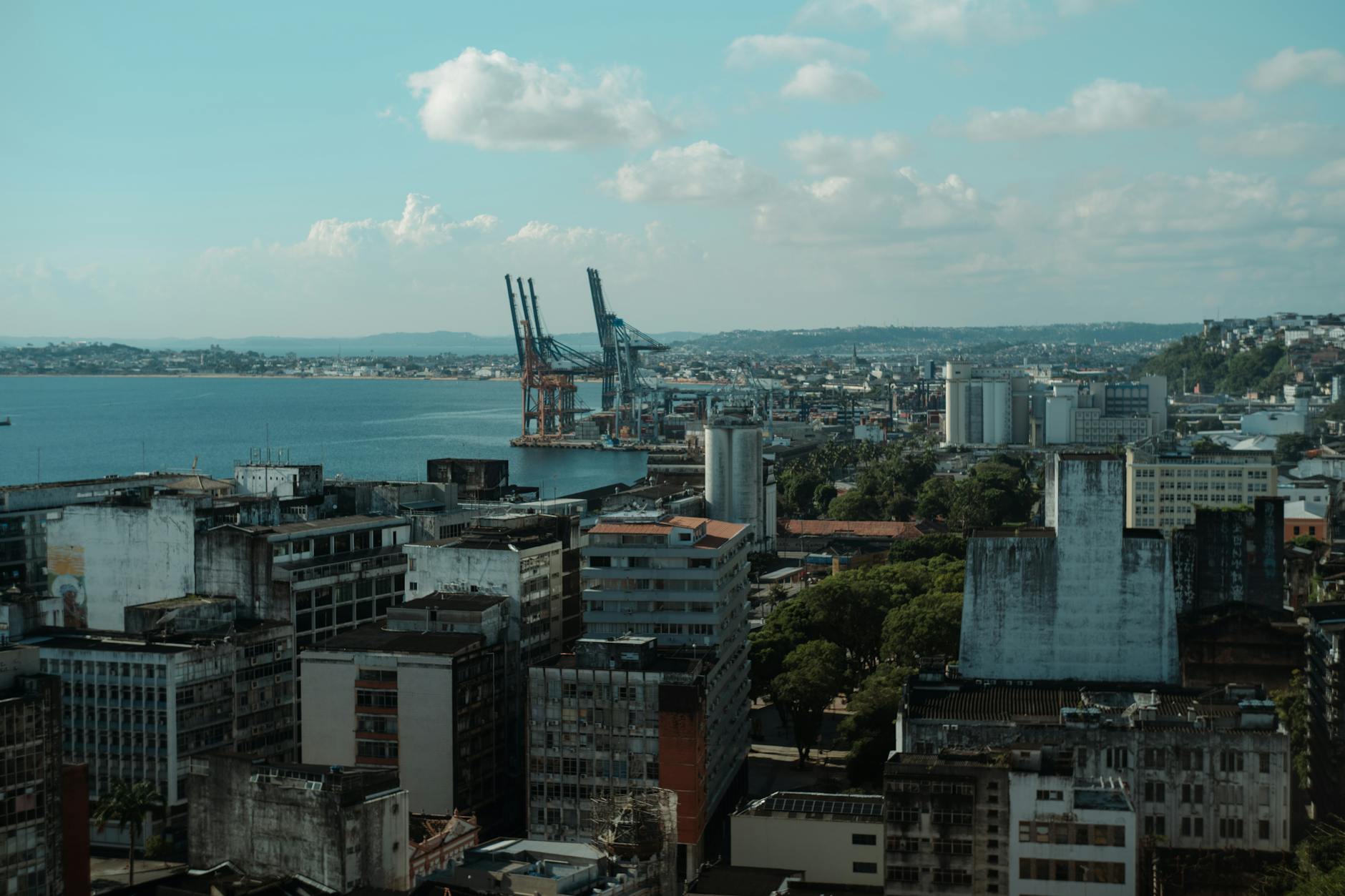
Toamasina is Madagascar’s principal seaport and one of its largest cities. Everything flows through here — cargo, imports, fuel, and a good share of the national economy. That industrial reality shapes the whole visitor experience. You will see freight, port traffic and busy commercial districts before you see anything curated for tourists, because almost nothing here is curated for tourists.
That’s the key mental adjustment. Toamasina is a city that happens to sit on the coast, not a coastal resort that happens to have a city attached. Get that framing right and the “flaws” other reviews complain about become part of the appeal: this is authentic, un-staged Malagasy urban life on the Indian Ocean.
It helps to know a little of the backstory too. Toamasina grew up around trade — its natural harbour made it the country’s main door to the outside world, and waves of merchants and migrants across the Indian Ocean left their mark on the food, the faces and the rhythm of the place. That trading heritage is why the city feels more cosmopolitan and less “traditional-Malagasy-village” than travellers sometimes expect, and it’s a big part of what gives the markets and streets their particular energy. Come with curiosity rather than a checklist and the city opens up.
Reasons to Visit vs Reasons to Skip
Here’s the honest ledger. Weigh these against the kind of trip you actually want.
| Reasons to visit | Reasons to skip |
|---|---|
| Mainland gateway to the Pangalanes Canal — a genuinely unique eco-experience | In-town beaches have hazardous currents — not safe for swimming |
| Springboard to Île Sainte-Marie via Soanierana-Ivongo | Hot, humid and sticky most of the year |
| Real city amenities: banks, hospitals, hotels, restaurants, transport | Cyclone risk December–March can disrupt travel |
| Authentic port-city life: Bazary Be market, Boulevard Ratsimilaho | It’s a working port, not a scenic beach town |
| Parc Ivoloina nearby for easy, reliable lemur viewing | Few “must-see” headline sights inside the city itself |
| Sits on the RN2 with Andasibe en route from Antananarivo | Not suited to honeymoon or luxury-resort travellers |
If the left column outweighs the right for your trip, keep reading — Toamasina is for you. If the right column feels like a dealbreaker, you may be happier flying straight to Nosy Be or Île Sainte-Marie and skipping the mainland stop.
Reason to Go: Gateway to the Pangalanes Canal
The single strongest argument for Toamasina is the Pangalanes Canal — a chain of natural lakes and man-made channels running for hundreds of kilometres down the east coast. Boat trips glide past fishing villages, lakeside lodges and pockets of coastal forest, and it is one of the most distinctive slow-travel experiences in the country. Toamasina is the practical mainland base for organising a trip.
What makes the Pangalanes special is the pace. Instead of ticking off landmarks, you spend hours watching daily life unfold along the waterway — pirogues loaded with produce, children waving from riverbanks, herons stalking the shallows, and lodges that feel genuinely off-grid. Some trips run as a half-day taster; others stretch to multi-day journeys with overnight stops at lakeside lodges. Toamasina is where you sort out the logistics, whichever length you choose.
Because operators, boats and lodge availability vary a lot, it pays to look at options before you arrive rather than winging it on the day. Check available Pangalanes and eastern Madagascar tours on GetYourGuide to compare what’s running for your dates, then confirm details locally. For a deeper breakdown, see our guide to Pangalanes Canal boat tours from Toamasina.
Reason to Go: Springboard to Île Sainte-Marie
Toamasina is also the mainland link to Île Sainte-Marie, the whale-watching island off the northeast coast. Most overland travellers head north to Soanierana-Ivongo and cross from there by boat. If you’re building an east-coast trip that ends on Sainte-Marie, passing through Toamasina isn’t a detour — it’s the logical hinge point of the whole route. Spending a night here to break the journey and stock up on city amenities is a sensible, low-stress plan.
Practically, this is where Toamasina earns its keep even for travellers who aren’t especially interested in the city itself. The road north is long and the boat crossing depends on weather and sea conditions, so having a full-service city at the base of the journey — with pharmacies, ATMs, decent food and a proper night’s sleep — takes real pressure off. Think of it as the last comfortable staging post before you commit to the more remote stretch ahead.
Reason to Go: Authentic Port-City Life
Toamasina’s charm is unglamorous and honest. Wander the Bazary Be market for produce, spices, seafood and imported goods; stroll the seafront Boulevard Ratsimilaho in the cooler evening hours when locals come out to walk; and soak up a cultural mix shaped by generations of Indian Ocean trade. Nothing here is manicured for visitors, which is precisely why it feels real.
For a structured hit list rather than aimless wandering, our companion piece on the top things to do in Toamasina lays out the best of the city in one place.
Reason to Go: Parc Ivoloina and Easy Wildlife
A short trip from the city, Parc Ivoloina is a zoological park and reserve where you can reliably see several lemur species along with other Malagasy wildlife, all on an easy half-day outing. It’s an accessible option if you can’t fit a full rainforest trek into your plans, and a genuine reason Toamasina works well for families and shorter stays. Guided day trips to Ivoloina and other eastern sites are worth comparing — you’ll find current options on GetYourGuide’s Madagascar excursions page.
The Honest Downsides
The In-Town Beaches Are Not for Swimming
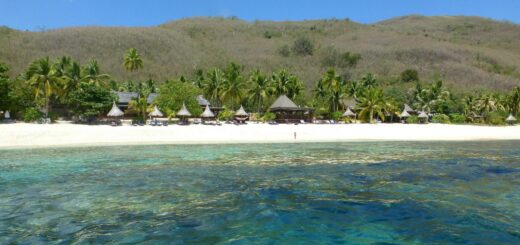
This matters, so it goes first. The seafront along the city has hazardous currents and is not considered safe for swimming. Treat the beach as a place to walk and watch the sea, not to bathe. If swimming and snorkelling are the point of your trip, you want an island — Sainte-Marie or Nosy Be — not the Toamasina mainland shore.
Humidity and Cyclone Season
Eastern Madagascar is far more humid than the dry west. The air is heavy and rain is frequent, especially outside the drier May–October window. More importantly, the cyclone season runs roughly December to March, when storms can disrupt flights, roads and boat crossings. If you travel in that window, keep your plans flexible and your dates padded.
It’s Functional, Not Scenic
Toamasina isn’t designed to be photogenic. Infrastructure varies between districts, and there is no single blockbuster sight in the city core. If you need a place to look beautiful for you rather than reveal itself slowly, this isn’t it — and that’s a fair reason for some travellers to skip it.
Who Should Visit — and Who Should Skip
Visit if you’re a culture-first traveller, you’re routing to the Pangalanes or Sainte-Marie, you want reliable city amenities on a longer Madagascar trip, or you’re travelling overland from Antananarivo and want to break the journey. Skip if your priority is swimming beaches, a resort or honeymoon atmosphere, or a tightly packed short trip with no room for a “gateway” stop. There’s no shame in skipping — matching the place to your travel style is exactly the point of an honest review.
Families sit somewhere in the middle and often do surprisingly well here. The easy lemur viewing at Parc Ivoloina, the walkable boulevard, and the presence of real hospitals and shops make Toamasina less stressful with children than more remote spots, provided you keep everyone out of the surf. Independent and budget travellers also tend to appreciate it, precisely because it hasn’t been polished into a resort bubble and prices reflect a working city rather than a tourist enclave.
How Long to Stay in Toamasina
For most travellers, 1 to 2 nights is right. One night is enough to sample the market and boulevard and break an overland journey; two nights lets you add a day trip to Parc Ivoloina or the start of a Pangalanes excursion without feeling rushed. Stretch to three only if you’re using it as a genuine base for a longer canal trip. Booking ahead matters in the July–September high season and around holidays. Compare Toamasina hotels on Agoda to lock in a room before the good-value places fill up. For beachfront-leaning options specifically, our roundup of the best beach hotels in Toamasina is a useful starting point.
How to Combine Toamasina Into an East-Coast Route
The classic approach is to drive the RN2 from Antananarivo to Toamasina, stopping at Andasibe on the way for its famous indri and rainforest — that single stop transforms Toamasina from “just a port” into the natural coastal end of a superb wildlife-and-coast loop. From Toamasina you then branch out to the Pangalanes, or push north toward Sainte-Marie.
Driving the RN2 with a stop at Andasibe gives you far more control over timing than public transport. Compare car-hire options for the RN2 route on Carla if you’d rather self-drive or arrange a driver. To see how this fits a full trip, read our regional pillar on the best of eastern Madagascar and Andasibe, and our broader 10-day Madagascar itinerary for pacing ideas.
Flying into Toamasina and hit a delay or cancellation? Toamasina is reachable by domestic flight from Antananarivo, and connections can slip. If a flight is delayed 3+ hours or cancelled, you may be owed compensation. Check your flight compensation claim free on AirAdvisor — it takes two minutes and costs nothing to find out.
Safety and Travel Insurance for Toamasina
Toamasina is a normal working city, so the usual urban common sense applies — watch your belongings in markets and crowds, and take the beach current warnings seriously. The bigger practical risk on any Madagascar trip is medical: healthcare on the east coast is limited, and a serious problem often means evacuation. That’s not scaremongering, it’s planning.
Medical evacuation from Madagascar can run to $30,000–$80,000, which is exactly why travel insurance isn’t optional here. Get a SafetyWing quote before you book anything else — its flexible monthly cover suits both short visits and longer island-hopping trips, and it’s easy to extend if your plans grow.
One more reason insurance matters on an east-coast trip specifically: your route probably involves a domestic flight, a long road transfer, and a boat crossing to Sainte-Marie, each of which carries its own small risks and its own chances of a costly disruption. A single policy that travels with you across all of those legs is far simpler than trying to patch cover together as you go. If you’re weighing options, a quick SafetyWing quote for your travel dates takes a minute and gives you a concrete number to plan around.
FAQ
Is Toamasina worth visiting in 2026?
Yes, if you go for the right reasons. It’s worth it as a gateway to the Pangalanes Canal and Île Sainte-Marie and for authentic port-city culture, but not as a beach-resort destination. Match it to your travel style and it delivers.
Can you swim at the beaches in Toamasina?
No — the in-town seafront has dangerous currents and is not safe for swimming. Enjoy the boulevard and the sea view, but head to Île Sainte-Marie or Nosy Be if swimming and snorkelling are your priority.
How many days should you spend in Toamasina?
One to two nights suits most travellers. One night is enough to break a journey and see the market and boulevard; two nights lets you add a day trip to Parc Ivoloina or the start of a Pangalanes tour.
How do you get to Toamasina?
You can drive the RN2 from Antananarivo (stopping at Andasibe on the way) or take a domestic flight. Self-driving or arranging a car gives you the most flexibility for a wider east-coast route.
When is the best time to visit Toamasina?
The drier May–October window is more comfortable and lower-risk. Avoid the December–March cyclone season if you can; if you travel then, keep your itinerary flexible and buffer your dates.
Do I need travel insurance for Toamasina?
Yes. East-coast healthcare is limited and medical evacuation from Madagascar can cost $30,000–$80,000. A policy such as SafetyWing is a small cost against a potentially enormous one.
Ready to Plan Your East-Coast Trip?
Toamasina works best as part of a bigger plan. Line these up now so nothing sells out:
- Compare and book Toamasina hotels on Agoda
- Book Pangalanes and eastern Madagascar tours on GetYourGuide
- Compare car hire for the RN2 route on Carla
- Get covered with SafetyWing — evacuation from Madagascar can cost $30,000–$80,000
Still deciding on your route? Get in touch and we’ll help you plan it.