Living in Madagascar as a Digital Nomad: Costs, Visas and Reality
This post contains affiliate links. We may earn a small commission at no extra cost to you.
Essential Travel Gear for Your Madagascar Trip
Madagascar’s Power Cuts Will Kill Your Phone — Here’s 4 Full Charges of Insurance
Délestage — Madagascar’s rolling blackouts — can last 8 to 14 hours a day. Your navigation app, offline maps, and boarding pass for tomorrow’s Tsaradia flight will all be dead. The Anker PowerCore 20,000mAh gives 4 full phone charges with fast USB-C delivery. Charge it during the hotel’s morning power window and you’re covered all day.
Check current price and availability on Amazon →
Madagascar Uses European Plugs Only — Your North American Charger Won’t Work Without This
Madagascar runs on Type C and E/F European plugs, 220V. North American plugs don’t fit. The TESSAN European adapter accepts North American plugs and adds 2 USB ports, so you can charge your phone and power bank simultaneously from a single outlet. Compact, grounded — one of those items that’s obvious in hindsight and impossible to find when you need it.
Check current price and availability on Amazon →
One Adapter for Every Country on Your Madagascar Journey — Including Stopovers in Paris or Réunion
Many travellers reach Madagascar via Paris CDG or Réunion — and face a different outlet at each stop. The GaN Universal Adapter covers all outlet types worldwide with USB-C PD fast charging — one device, 4 ports, every country. GaN technology runs cooler and charges faster than standard adapters.
Check current price and availability on Amazon →
Tsaradia Domestic Flights Have a 15kg Bag Limit — And They Enforce It at the Gate
Getting between Madagascar’s national parks requires domestic flights on Tsaradia — and the 15kg checked baggage limit is strictly enforced at even remote airstrips. The Etekcity Digital Luggage Scale gives an accurate reading in 2 seconds, handles up to 50kg, and fits in any pocket. Weigh your bag the night before every domestic flight. Under $15, sold directly by Amazon.
Check current price and availability on Amazon →
Stop Losing Cables and Adapters in Your Bag Across Madagascar’s 10-Stop Itinerary
A multi-park Madagascar itinerary means packing and unpacking 10 to 15 times. USB-C cables, adapters, SD cards, earphones — every one ends up tangled at the bottom of your bag and easy to leave at a remote guesthouse. The BAGSMART Tech Organizer gives every cable and adapter its own slot. Open flat, find what you need in 5 seconds.
Check current price and availability on Amazon →
At a Glance
- Visa type: Tourist visa on arrival ($35, 30 days, one extension available)
- Monthly all-in budget: $700–$1,100 for a comfortable nomad lifestyle
- Book first accommodation: Check hotels and serviced apartments in Antananarivo on Agoda
- Insurance — mandatory: SafetyWing — medical evacuation from Madagascar costs $30,000–$80,000
Madagascar is one of the few places left where you can live on $800 a month and feel genuinely immersed in something unlike anything else on Earth. It is also one of the most demanding remote work environments in the Indian Ocean — power cuts, bureaucratic visa renewals, limited English and an absence of nomad infrastructure mean it is not a destination for first-time remote workers. This guide is the unvarnished truth about what digital nomad life in Madagascar actually involves in 2026.
Plan your Madagascar trip:
The Real Monthly Cost of Living in Antananarivo as a Digital Nomad
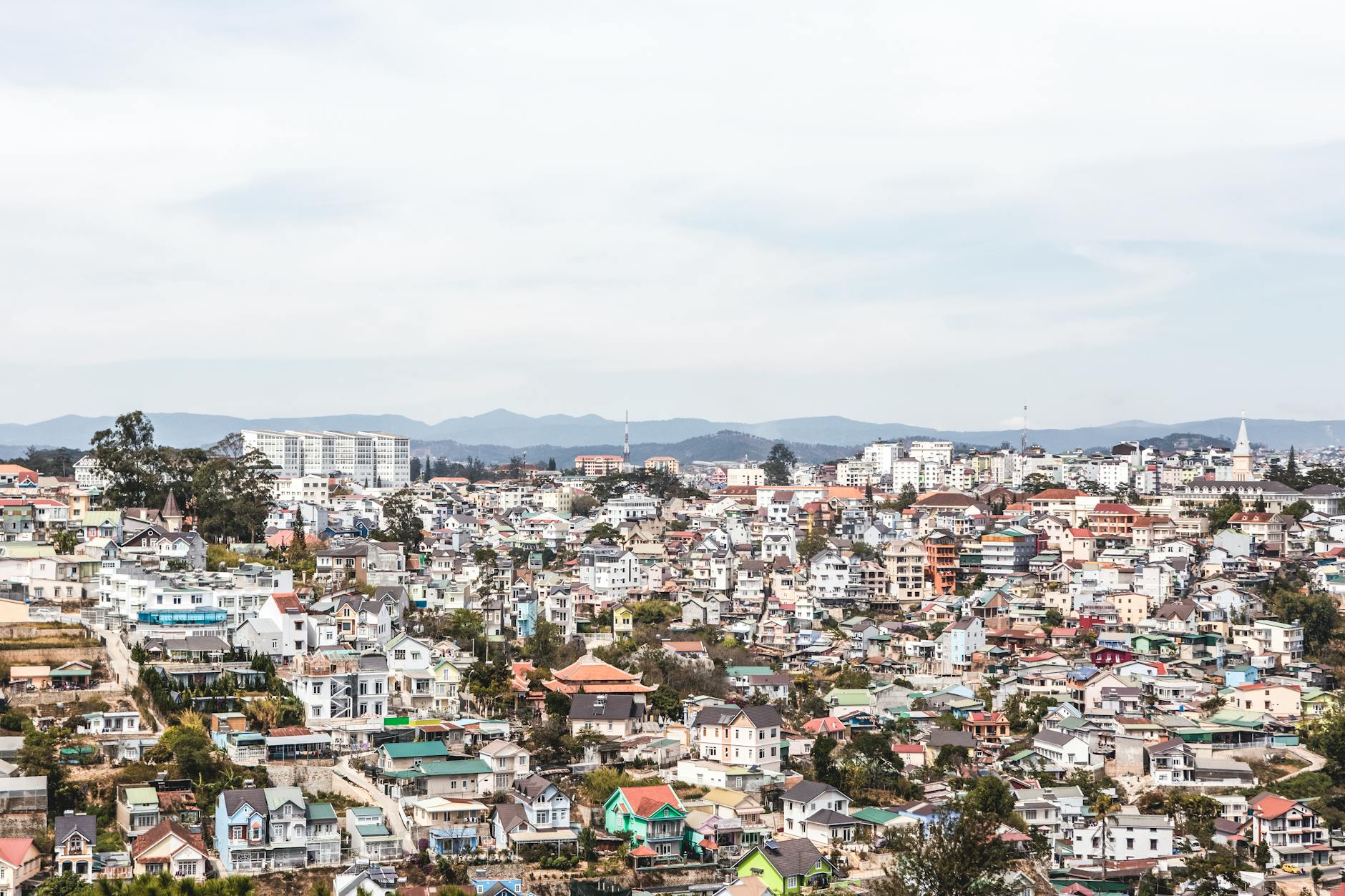
Accommodation is the largest variable in the Antananarivo nomad budget. A furnished apartment with WiFi, generator backup and a gated compound runs $300–600 per month depending on neighborhood — Ivandry (upscale) at the higher end, Analamahitsy or Ambohijatovo in the $300–450 range. Food is where Antananarivo genuinely impresses: eating at local hotely restaurants — rice with zebu or chicken — costs $1–3 per meal. A day of eating local totals $3–6. Adding one expat cafe or restaurant meal daily brings the monthly food budget to $200–400. Mobile data via Orange (20–30GB) costs $5–8 per month. Local transport by metered taxi in central Tana runs $50–120 monthly. Electricity (JIRAMA, billed separately): $20–40/month depending on AC usage. Social spending — meals out, weekend trips to Andasibe or Ampefy, occasional tours: $50–150. Total realistic range: $625–$1,318 per month. The lower end is achievable with local eating and apartment-based work; the upper end reflects a more comfort-oriented lifestyle with regular expat dining and weekend escapes.
Visa Rules for Long-Stay Digital Nomads: The Honest Picture
Madagascar has no digital nomad visa in 2026 — all remote workers use the standard tourist visa available on arrival at Ivato International Airport. The fee is $35 for 30 days. A single extension of 30 days is available from the Direction de l’Immigration in Antananarivo, located off Boulevard Joffre. The extension costs approximately 20,000 MGA ($4.50) and requires your passport, a hotel receipt or rental agreement and one passport photo — processing takes 1–3 working days. The practical maximum stay for most nomads is 60–90 days before a border exit is needed. Visa run options: Air Madagascar reaches Reunion (1.5h, fares from $90 each way) and Mauritius (2h, fares from $120). A 2-day Reunion visa run fully resets your Madagascar entry. Working remotely for a foreign employer on a tourist visa is technically a grey area but is uniformly practiced — Madagascar’s immigration authority has no mechanism for identifying or penalizing foreign remote workers.
Read also:
Save money on your Madagascar trip:
Quality of Life in Antananarivo: The Good, the Frustrating and the Unexpected
The good: Antananarivo’s altitude of 1,200 metres delivers comfortable year-round temperatures — rarely above 28C and rarely below 15C — with no stifling tropical heat. The local coffee (Malagasy arabica from the Fianarantsoa highlands) is outstanding by any standard. Street food and local restaurant cooking are genuinely excellent and astonishingly inexpensive. The small French expat community centered around the Alliance Francaise is welcoming and well-networked. Weekend escapes to Andasibe (2.5h drive, Indri lemur treks) and Ampefy (2h, crater lakes and waterfalls) are extraordinary value at $30–60 for a full weekend. The frustrating: power cuts of 1–3 hours daily in residential zones. Antananarivo traffic congestion during morning and evening peaks. Administrative processes that are slow by any standard. Very limited English outside business hotels and expat venues — functional French is a genuine advantage. The unexpected: Malagasy people are among the most genuinely warm and curious toward foreigners of any nationality in the Indian Ocean region. The cultural experience of Antananarivo is irreplaceable. Protect your stay — SafetyWing covers emergency medical costs including evacuation.
First Two Weeks: Setting Up for Remote Work in Antananarivo
Day 1–2: Arrive at Ivato Airport, collect your visa on arrival ($35 cash — carry USD or euros), take a metered hotel taxi from the official airport rank (never from touts outside the terminal). Rest at your pre-booked hotel. Day 3: Walk to the nearest Orange retail store with your passport and buy a SIM. Get a 20GB data bundle ($4.50). This is your primary internet from this moment. Day 4–7: Use your hotel as a base to explore neighborhoods. Spend half a day in Ivandry, half in Ambohijatovo and half in Haute-Ville — assess your preference for commute versus central access. Day 8–10: Post your apartment search to the Antananarivo Expats Facebook group and view three to five options. Test WiFi at peak hours at every apartment. Day 11–14: Sign your apartment lease or extend Airbnb booking. Flights to Madagascar often connect through Paris or Nairobi — if your inbound connection was delayed, check your compensation claim free on AirAdvisor. Register your extended stay with your home country’s embassy. Compare 4WD rental prices on Carla if weekend trips to national parks are part of your plan.
Ready to book your Madagascar trip?
Frequently Asked Questions
How much does it cost to live in Madagascar as a digital nomad?
Budget $700–$1,100 per month for a comfortable digital nomad lifestyle in Antananarivo. This covers a furnished apartment with generator ($300–600), food ($200–400), mobile data ($5–8), local transport ($50–120) and miscellaneous costs. Antananarivo is 20–30% cheaper than Bali and comparable in cost to Tbilisi or Chiang Mai.
Can digital nomads live legally in Madagascar?
Remote workers use the tourist visa on arrival ($35, 30 days) — there is no digital nomad visa. The visa extends once locally for 30 days (~$4.50). After 60–90 days, a visa run to Reunion or Mauritius resets the entry. Madagascar has no enforcement mechanism specifically targeting foreign remote workers.
What is the biggest challenge of living as a digital nomad in Madagascar?
Power cuts (delestage) in Antananarivo are the most consistent daily frustration — 1–3 hours of outages in residential areas. A laptop with 6+ hour battery, a 20,000 mAh power bank and an apartment with generator or UPS mitigates this almost entirely. Limited English (French and Malagasy spoken) is the second barrier.
Madagascar is for a specific type of digital nomad — one who values depth over convenience and uniqueness over slick infrastructure. The cost is genuinely competitive with the best nomad cities in the world. The experience is incomparably unusual. The friction is real but manageable with the right preparation. If you have done Bali, Chiang Mai or Tbilisi and you are ready for something that will genuinely expand your frame of reference, Antananarivo deserves a month of your remote working life. Medical evacuation from Madagascar costs $30,000–$80,000 — cover is not optional. Get SafetyWing before you land — monthly coverage with full medical evacuation included.
Start planning your Madagascar adventure today
Browse Madagascar experiences on GetYourGuide
Affiliate link – commission earned at no extra cost to you.
Plan Your Trip to Madagascar
- Read the full Madagascar Travel Guide
- Explore itineraries by style and duration
- Explore the full destination guide
Where to Stay
Hotels, lodges, and tours fill fast for July–September — compare availability now.