Madagascar vs Hermanus vs Tonga Whale Watching 2026: Honest Comparison
Affiliate disclosure: This article contains sponsored links to hotels, tour operators, insurance providers, and other travel services. We earn a small commission if you book through our links, at no extra cost to you.
Madagascar vs Hermanus vs Tonga Whale Watching 2026 — At a Glance
- Madagascar strengths: Humpback breeding/calving ground, research-tourism integration (Cétamada), audible whale song, broader biodiversity context (whales + lemurs), pirate history setting, genuinely uncrowded
- Hermanus strengths: Land-based whale watching (no boat needed), southern right whales, developed infrastructure, easy access from Cape Town, whale festival
- Tonga strengths: Swimming with humpbacks (the global icon for in-water whale encounters), clear warm water, established swim-with-whales operators
- Madagascar drawback: Less developed infrastructure, complex access, boat-based only (no land viewing)
- Trip cost comparison (whale-focused, all-in): Madagascar $2,800-$9,000 solo; Hermanus $1,500-$4,500 solo; Tonga $4,000-$9,500 solo
- Best for in-water swimming: Tonga (the global swim-with-whales destination)
- Best for land-based viewing: Hermanus (world’s best land-based whale watching)
- Best for breeding-ground observation + distinctiveness: Madagascar (humpback breeding ground + unique context)
- Insurance: SafetyWing Nomad Insurance Complete — essential for all three destinations
- Flight protection: EU261 €600 per passenger for European inbound flight disruptions
- Madagascar hotels: Madagascar premium stays on Agoda
Book your Madagascar tours
Madagascar’s best small-group wildlife, lemur and park tours book out months ahead in peak season (July–October). Browse Madagascar tours & check live availability on GetYourGuide →
🏖 Beach & Snorkel Kit
For Madagascar’s islands and reefs, pack these:
- UPF-50 rash guard — all-day sun protection in and out of the water. See on Amazon →
- Waterproof phone pouch — IPX8 case for boats, beaches and snorkelling. See on Amazon →
- Waterproof dry bag — keeps gear dry on boat transfers and paddling. See on Amazon →
- Quick-dry travel towel — packs tiny, dries in the Madagascar heat. See on Amazon →
- Reef-safe sunscreen — protects you and the coral reefs. See on Amazon →
As an Amazon Associate we earn from qualifying purchases.
Why This Comparison Matters
Madagascar, Hermanus (South Africa), and Tonga represent three of the world’s premier whale watching destinations, each offering a genuinely distinct experience. Travelers planning a whale watching trip frequently compare these destinations when deciding where to invest travel time and budget. This article provides honest, structured comparison across the dimensions that matter: whale species and behaviors, observation method (boat versus land versus swimming), infrastructure, costs, accessibility, and the broader destination experience. For broader Madagascar whale watching context, see our Best Madagascar Whale Watching & Marine Mammals 2026 pillar.
Comprehensive Comparison Table
| Dimension | Madagascar | Hermanus | Tonga |
|---|---|---|---|
| Primary species | Humpback whales | Southern right whales | Humpback whales |
| Observation method | Boat-based | Land-based (+ boat optional) | Boat + swimming |
| Swimming with whales | Limited (licensed only) | No | Yes (the global icon) |
| Peak season | July–September | July–November | July–October |
| Infrastructure | Limited | Developed | Moderate |
| Whale-focused cost (all-in) | $2,800-$9,000 | $1,500-$4,500 | $4,000-$9,500 |
| International access | Difficult (via Tana) | Easy (via Cape Town) | Difficult (via Fiji/NZ/Auckland) |
| Broader context | Lemurs, pirate history, biodiversity | Cape wine country, Garden Route | Pacific island culture |
Madagascar — The Breeding Ground With Distinctive Context
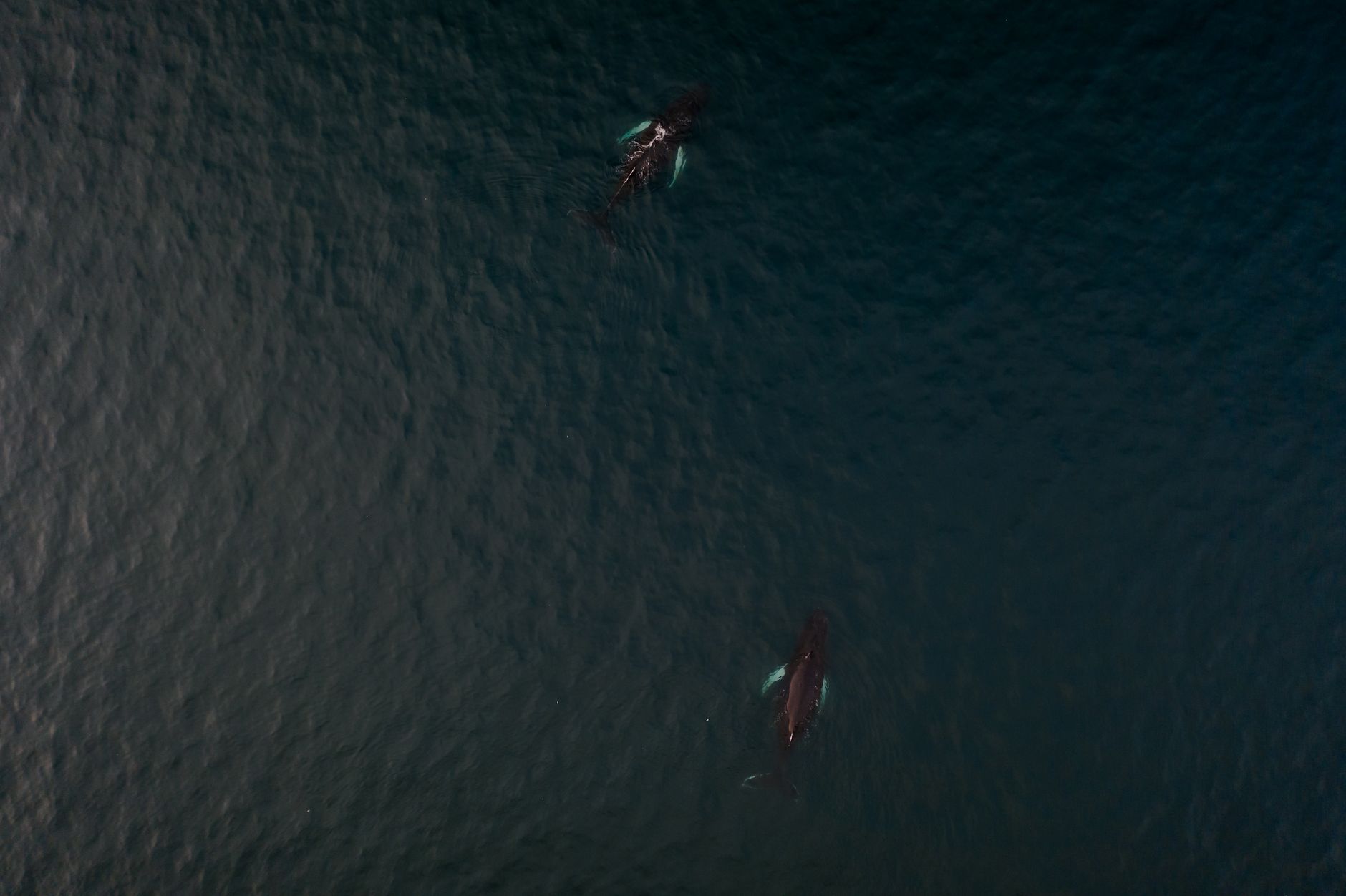
Madagascar’s whale watching positioning rests on being a humpback breeding and calving ground (meaning mother-calf observation), research-tourism integration (Cétamada), audible whale song via hydrophone, and the genuinely distinctive broader context — whales combined with lemurs, endemic birds, and Sainte-Marie’s pirate history. For travelers wanting whale watching embedded in a uniquely distinctive destination, Madagascar excels.
The trade-off: Madagascar’s infrastructure is less developed than Hermanus or Tonga, access is complex (via Tana), and observation is boat-based only (no land viewing, limited swimming). For travelers prioritizing distinctiveness and breeding-ground observation, Madagascar wins; for those prioritizing convenience or specific experiences (swimming, land viewing), alternatives may suit better.
Where Madagascar wins
- Breeding ground: Mother-calf pairs, nursing, calf-teaching — the breeding-ground intimacy
- Whale song: Audible humpback song via hydrophone — few destinations offer this
- Research integration: Cétamada means observation supports humpback science
- Distinctive context: Whales + lemurs + pirate history + endemic biodiversity — unique combination
- Uncrowded: Far fewer whale watchers than Hermanus’s developed circuit
Where Madagascar loses
- Infrastructure: Less developed than Hermanus or Tonga
- Access: Most complex of the three (via Tana, internal flights)
- No land viewing: Boat-based only, unlike Hermanus’s land options
- Limited swimming: Not the swim-with-whales destination Tonga is
Hermanus — The Land-Based Whale Watching Capital
Hermanus, on South Africa’s Western Cape coast, is the world’s premier land-based whale watching destination. Southern right whales come close to shore (sometimes within meters) between July and November, allowing exceptional whale watching from clifftop paths and viewpoints — no boat required. The town even has a “whale crier” who announces whale sightings.
Where Hermanus wins
- Land-based viewing: World’s best land-based whale watching — observe from clifftops, no boat or seasickness
- Accessibility: Easy access from Cape Town (1.5-2 hours), developed infrastructure
- Southern right whales: Different species than humpbacks, with distinctive behaviors close to shore
- Cost-effective: Land-based viewing is free; lowest cost of the three destinations
- Broader region: Combine with Cape Town, wine country, Garden Route
- Whale festival: Annual Hermanus Whale Festival (September)
Where Hermanus loses
- Different species: Southern right whales, not humpbacks — different (some say less acrobatic) behaviors
- Less intimate: Land viewing means greater distance than boat encounters
- No swimming: Not a swim-with-whales destination
- Less distinctive context: Developed tourism region without Madagascar’s biodiversity uniqueness
- Crowds: Popular, developed, can be crowded during peak/festival
Tonga — The Swim-With-Whales Icon
Tonga (specifically Vava’u and Ha’apai) is the world’s premier destination for swimming with humpback whales. Licensed operators take small groups to swim alongside humpbacks in clear, warm Pacific waters between July and October. The in-water humpback encounter is genuinely extraordinary and unavailable at this scale elsewhere.
Where Tonga wins
- Swimming with whales: The global icon for in-water humpback encounters — swim alongside humpbacks
- Clear water: Excellent visibility for underwater whale encounters and photography
- Established swim operators: Developed swim-with-whales tourism with experienced operators
- Pacific island setting: Tropical Pacific island culture and scenery
- Intimate encounters: In-water proximity creates extraordinary intimacy
Where Tonga loses
- Access difficulty: Complex access (via Fiji, New Zealand, or Auckland), comparable to Madagascar
- Cost: Highest of the three for swim-with-whales experiences
- Swimming requirement: The signature experience requires comfortable open-water swimming
- Less breeding intimacy: Less mother-calf focus than Madagascar’s breeding ground
- Limited broader context: Less biodiversity diversity than Madagascar
Decision Framework — Which Destination Matches Your Priorities?
Choose Madagascar if…
- Breeding-ground observation (mother-calf pairs) appeals
- Whale song via hydrophone interests you
- You want whale watching embedded in a distinctive destination (lemurs, pirate history, biodiversity)
- Research-integrated responsible tourism matters
- Uncrowded observation is important
- You’re willing to accept complex access for distinctiveness
Choose Hermanus if…
- Land-based viewing (no boat, no seasickness) appeals
- Easy access and developed infrastructure matter
- Budget is a priority (lowest cost of the three)
- You want to combine with Cape Town, wine country, Garden Route
- Southern right whale observation interests you
- Comfortable, accessible whale watching is the priority
Choose Tonga if…
- Swimming with whales is the dream experience
- Comfortable open-water swimming and snorkeling
- In-water intimacy with humpbacks is the goal
- Pacific island setting appeals
- Budget supports premium swim-with-whales pricing
The Observation Method Difference
The fundamental difference between these destinations is observation method, which shapes the entire experience.
Boat-based (Madagascar): Boat excursions into whale waters, observing from the surface at respectful distances. Delivers close surface observation, breaching, mother-calf pairs, and (with hydrophones) whale song. Requires sea tolerance. The standard whale watching experience.
Land-based (Hermanus): Observation from clifftops and shore as whales come close to land. No boat, no seasickness, free viewing. Less intimate than boat encounters but accessible and comfortable. Unique to Hermanus’s geography where southern rights come close to shore.
In-water swimming (Tonga): Swimming alongside whales in the water — the most intimate possible encounter. Requires comfortable open-water swimming. Extraordinary but demanding. The signature Tonga experience.
Your preferred observation method substantially determines the right destination. Madagascar and Tonga are boat/water based; Hermanus offers unique land viewing. Choose based on whether you want surface boat observation (Madagascar), comfortable land viewing (Hermanus), or in-water swimming (Tonga).
The Species Difference
Madagascar and Tonga both feature humpback whales; Hermanus features southern right whales. Understanding the species difference matters.
Humpback whales (Madagascar, Tonga): Famous for breaching, acrobatic surface behavior, long pectoral fins, and complex whale song. The “showman” whales with dramatic surface activity. Madagascar’s and Tonga’s humpback experiences differ in method (Madagascar boat-based breeding observation, Tonga in-water swimming) but share the species.
Southern right whales (Hermanus): Larger, rounder whales that come close to shore. Less acrobatic than humpbacks but with distinctive behaviors (callosities, V-shaped blows, close-to-shore presence). Different observation character than humpbacks — calmer, closer to land.
For humpback enthusiasts wanting the acrobatic, song-producing species, Madagascar and Tonga deliver. For travelers wanting close-to-shore southern right observation from land, Hermanus is the destination.
Cost Comparison Reality
Madagascar whale-focused trip: International flights $2,500-$4,500, internal flights $400-$800, Sainte-Marie accommodation and whale watching $1,800-$4,500, insurance $250-$450. Total: $4,950-$10,250. (5-day whale focus.)
Hermanus whale-focused trip: International flights to Cape Town $800-$2,000, Cape Town/Hermanus accommodation and activities $1,200-$3,500 (land viewing free, optional boat trips extra), insurance $180-$350. Total: $2,180-$5,850. Land-based viewing keeps costs lowest.
Tonga whale-focused trip: International flights (complex routing) $1,800-$3,500, Tonga accommodation and swim-with-whales tours $2,500-$5,500, insurance $250-$450. Total: $4,550-$9,450. Swim-with-whales tours are premium-priced.
Hermanus is most cost-effective (land viewing free, easy access). Madagascar and Tonga cost more due to complex access and boat/swim tour costs. The cost differences reflect the different experiences and accessibility.
Real Whale Watcher Decisions
The Breeding-Ground-and-Lemurs Decision
UK couple in their 50s, wanting whales plus broader Madagascar nature. Evaluated all three. Hermanus rejected (wanted humpbacks, not southern rights). Tonga rejected (didn’t want swimming-focused trip). Madagascar chosen for breeding-ground humpbacks plus lemurs and distinctive context. Outcome: Sainte-Marie whales plus Andasibe lemurs. Reported “Madagascar gave us whales AND lemurs AND pirate history — a richer trip than whale watching alone.”
The Accessible Land-Viewing Decision
US family with elderly grandparents, wanting accessible whale watching without boat trips. Chose Hermanus for land-based viewing (no seasickness, accessible for grandparents). Outcome: clifftop southern right whale viewing combined with Cape Town and wine country. Reported “Hermanus’s land viewing was perfect for our multi-generational group — grandparents enjoyed whales without boat trips.”
The Swim-With-Whales Dream
Australian diving enthusiast, late 30s, dream of swimming with humpbacks. Chose Tonga specifically for in-water encounters. Outcome: multiple swim-with-humpback encounters in clear Pacific water. Reported “swimming alongside a humpback in Tonga was the most extraordinary wildlife experience imaginable — worth the complex journey.”
Combining Destinations Across a Whale Watching Lifetime
For dedicated whale watching enthusiasts, the three destinations offer complementary experiences worth combining over time.
Different species and methods: Madagascar (humpback breeding ground, boat), Hermanus (southern rights, land), and Tonga (humpback swimming) deliver genuinely different experiences. A whale watching enthusiast might experience all three over years for comprehensive global whale watching.
Natural progression: Hermanus often serves as accessible introduction (land-based, easy). Madagascar and Tonga represent more committed experiences (complex access, boat/swimming). The progression Hermanus → Madagascar/Tonga builds whale watching experience.
Season alignment: All three peak roughly July–October (southern hemisphere winter), so they don’t easily combine in a single trip — they’re separate journeys across different years.
Practical Considerations Beyond Whales
Insurance: All three require comprehensive coverage. SafetyWing Nomad Insurance Complete covers all three with marine activity riders.
Access: Hermanus easiest (via Cape Town). Madagascar and Tonga both complex (via Tana / via Fiji-NZ respectively).
Flight protection: AirAdvisor EU261 protection applies on European inbound flights to all three.
Physical requirements: Hermanus least demanding (land viewing). Madagascar moderate (boat tolerance). Tonga most demanding (open-water swimming for signature experience).
Broader trip potential: Madagascar (lemurs, biodiversity), Hermanus (Cape Town, wine, Garden Route), Tonga (Pacific islands) each offer different broader trip contexts.
Conservation and Responsible Tourism Comparison
All three destinations have conservation dimensions, but they differ in approach and traveler involvement.
Madagascar conservation: Cétamada’s research-tourism integration is exceptional — your whale watching directly contributes photo-ID data and funds humpback research. The southwestern Indian Ocean humpback population is globally significant for the species’ recovery. Madagascar offers perhaps the strongest research-tourism integration of the three.
Hermanus conservation: South Africa has strong marine conservation frameworks. Southern right whale recovery (after historical whaling) is a conservation success story Hermanus showcases. Land-based viewing has minimal whale disturbance — arguably the least intrusive observation method. Well-regulated boat operators supplement land viewing.
Tonga conservation: Tonga regulates swim-with-whales tourism through licensing and protocols to protect whales from disturbance. The in-water encounters raise welfare considerations that responsible operators address through strict protocols (limited swimmers, respectful distances, no pursuit). Tonga’s whale conservation balances tourism revenue with whale protection.
The responsible-tourism verdict: All three can be experienced responsibly through appropriate operators. Madagascar’s research integration (Cétamada) offers the most direct conservation contribution. Hermanus’s land-based viewing is least intrusive. Tonga requires careful operator selection to ensure whale-welfare-respecting swimming. For conservation-minded travelers, all three work with responsible operator choice.
What Each Destination’s Trip Actually Feels Like
Beyond comparisons, understanding the felt experience of each destination helps travelers visualize their trip.
The Madagascar trip feel: A boat excursion into the Sainte-Marie channel, scanning for whale blows, then the thrill of locating humpbacks — a breaching whale, a mother gently nursing her calf, the haunting whale song through a hydrophone. Between excursions, exploring pirate history, relaxing on tropical beaches, perhaps continuing to see lemurs. The feel is adventurous, distinctive, and embedded in a uniquely rich destination.
The Hermanus trip feel: Standing on a clifftop path with coffee, watching southern right whales surface and play just offshore — no boat, no rush, just comfortable observation. The whale crier announces sightings. Easy access from Cape Town, combined with wine country and the Garden Route. The feel is relaxed, accessible, and comfortable — whale watching without logistical stress.
The Tonga trip feel: Slipping into clear Pacific water and finding yourself face-to-face with a humpback whale — an encounter of extraordinary intimacy and intensity. The in-water proximity is genuinely awe-inspiring and slightly overwhelming. Between swims, Pacific island life. The feel is adventurous, intimate, and physically engaging — the most immersive whale encounter possible.
Each destination delivers a fundamentally different felt experience. Madagascar: distinctive adventure. Hermanus: comfortable accessibility. Tonga: intimate immersion. Choose based on which experience resonates most with your whale watching aspirations.
Photography Across the Three Destinations
Each destination offers distinct whale photography opportunities.
Madagascar photography: Boat-based humpback photography — breaching, tail flukes, mother-calf pairs, all against tropical Sainte-Marie backdrop. Telephoto lens essential. The breeding-ground context delivers mother-calf shots. Distinctive tropical setting.
Hermanus photography: Land-based southern right whale photography from clifftops. Allows stable shooting positions (no boat movement), longer observation, and patient composition. Telephoto needed for distance, but stable land platform aids sharp images. The clifftop perspective is distinctive.
Tonga photography: Underwater humpback photography — the most intimate and distinctive whale images possible. Requires underwater housing and comfortable swimming. The in-water perspective delivers images unavailable from boats or land. Genuinely unique underwater whale portfolio.
For breaching surface action: Madagascar and Tonga (humpbacks). For stable land-based shooting: Hermanus. For underwater whale images: Tonga exclusively. Match the destination to your photography goals.
Season Timing Across the Three Destinations
All three destinations have southern-hemisphere-winter whale seasons, but with slight differences worth understanding.
Madagascar (July–September): Humpback migration peaks July–August, with the Festival of the Whales in July. September continues strong observation. The window is relatively short but reliable during peak.
Hermanus (July–November): Southern right whales present July–November, peaking September–October. The longer season offers more timing flexibility than Madagascar. The Hermanus Whale Festival is in September.
Tonga (July–October): Humpback season July–October, peaking August–September. The window aligns roughly with Madagascar but extends slightly later.
The overlap implication: All three peak roughly July–October, meaning a single trip realistically focuses on one destination. Combining requires separate trips across years. Travelers wanting to experience all three build a multi-year whale watching portfolio rather than a single combined trip.
Timing flexibility: Hermanus offers the longest season (July–November) and thus most flexibility. Madagascar’s window (July–September) is shorter, requiring more precise timing. Tonga (July–October) sits between.
Combining Whale Watching With Broader Travel
Each destination’s broader-travel potential differs significantly, affecting overall trip value.
Madagascar broader travel: Exceptional biodiversity context — combine whale watching with lemur observation (Andasibe), rainforest birds, Tsingy trekking, or beach luxury (Nosy Be). Madagascar offers perhaps the richest broader-travel context, transforming a whale watching trip into a comprehensive nature-and-culture journey.
Hermanus broader travel: Excellent Western Cape context — combine with Cape Town (Table Mountain, V&A Waterfront), the Cape Winelands (Stellenbosch, Franschhoek), the Garden Route, and safari extensions. Hermanus integrates into a developed, accessible South African tourism circuit.
Tonga broader travel: Pacific island context — combine with other Pacific islands (Fiji often the gateway), South Pacific cultural experiences, and tropical island relaxation. Less biodiversity-rich than Madagascar but offers distinctive Pacific island culture.
The broader-travel verdict: Madagascar offers the most distinctive and biodiversity-rich broader-travel context (lemurs, endemic species). Hermanus offers the most developed and accessible broader circuit (Cape Town, wine, Garden Route). Tonga offers Pacific island culture. For travelers wanting whale watching as part of a richer journey, Madagascar and the Cape region (Hermanus) both excel, in different ways.
Making the Final Decision
Synthesizing the comparison, the decision comes down to your primary priority:
If the in-water swim-with-whales experience is your dream: Tonga, unambiguously. No other destination delivers the in-water humpback encounter at this scale and quality.
If accessible, comfortable land-based viewing matters most: Hermanus. The world’s best land-based whale watching, easy access, lowest cost, no seasickness.
If you want breeding-ground humpback observation embedded in a distinctive destination: Madagascar. Mother-calf pairs, whale song, research integration, plus lemurs and pirate history — whale watching as part of a uniquely rich experience.
If budget is the binding constraint: Hermanus, with free land-based viewing and easy access, delivers whale watching at the lowest cost.
If distinctiveness and richness of overall experience matter most: Madagascar, where whale watching combines with the world’s most distinctive biodiversity and a genuinely unique destination context.
There’s no universally “best” choice — each excels for different priorities. Define what matters most to you (swimming, land viewing, breeding observation, budget, broader context), then choose accordingly. For travelers prioritizing a distinctive, biodiversity-rich whale watching experience, Madagascar’s combination is genuinely hard to match.
Which Destination Suits Your Traveler Type
Beyond priorities, different traveler types gravitate toward different destinations.
The adventurous nature traveler: Madagascar appeals strongly — the distinctive biodiversity, whale watching plus lemurs, and willingness to accept complex logistics for unique experiences. These travelers value distinctiveness over convenience.
The comfort-seeking traveler: Hermanus suits best — accessible, comfortable, land-based viewing without logistical stress. Travelers who want excellent whale watching without adventure-travel complexity choose Hermanus.
The bucket-list experience seeker: Tonga’s swim-with-whales is the ultimate bucket-list whale encounter. Travelers pursuing once-in-a-lifetime peak experiences choose Tonga for the in-water humpback dream.
The multi-generational family: Hermanus accommodates varied ages and abilities best (land viewing, no swimming/boat requirements). Madagascar works for active families; Tonga’s swimming requirement limits some family members.
The photographer: Depends on desired images — Tonga for underwater, Madagascar/Tonga for breaching humpbacks, Hermanus for stable land-based shooting.
The conservation-minded traveler: Madagascar’s Cétamada research integration appeals most strongly, directly contributing to humpback science.
The first-time whale watcher: Hermanus offers the gentlest introduction — accessible, comfortable, low-commitment. Madagascar and Tonga suit more committed or experienced whale watchers.
Matching your traveler type to the destination improves trip satisfaction. The “right” destination depends as much on who you are as a traveler as on the whales themselves.
Frequently Asked Questions
Which destination is best for first-time whale watchers?
Hermanus — easiest access, land-based viewing (no seasickness), lowest cost, developed infrastructure. Madagascar and Tonga both more demanding.
Which has the best mother-calf observation?
Madagascar — its breeding-ground status means abundant mother-calf pairs. Tonga also a breeding area; Hermanus southern rights also calve close to shore.
Which is best for swimming with whales?
Tonga — unambiguously the global swim-with-whales destination. Madagascar permits limited licensed swimming; Hermanus doesn’t offer swimming.
Which is most cost-effective?
Hermanus — free land-based viewing and easy access make it lowest cost. Madagascar and Tonga cost more.
Which has the best broader trip potential?
Subjective — Madagascar for biodiversity (lemurs), Hermanus for Cape region (wine, Cape Town), Tonga for Pacific islands. Madagascar arguably offers the most distinctive broader context.
Can I hear whale song?
Madagascar (via hydrophone with Cétamada) offers reliable whale song. Tonga in-water encounters may include audible song underwater. Hermanus land viewing doesn’t typically include whale song.
Which is best for photography?
All offer photography. Madagascar and Tonga for breaching humpbacks; Tonga for underwater shots; Hermanus for land-based southern right shots. Depends on desired photography type.
Can I combine two of these destinations in one trip?
Difficult, because all three peak roughly July–October (southern hemisphere winter). They’re best experienced as separate trips across different years rather than combined. Geographically, Madagascar and Hermanus are closer (both off southern Africa / western Indian Ocean) than Tonga (Pacific), but seasonal overlap still makes combining impractical.
Is Madagascar worth the extra cost and complexity versus Hermanus?
For travelers wanting humpback breeding-ground observation, whale song, and the distinctive biodiversity context (lemurs), yes. For travelers prioritizing budget, accessibility, and comfortable land-based viewing, Hermanus delivers better value. The answer depends on whether distinctiveness or convenience matters more to you. Many travelers who have done multiple whale watching destinations report that Madagascar’s combination of breeding-ground whales, audible song, and broader biodiversity context delivered the most memorable overall experience, justifying the additional effort despite the easier alternatives elsewhere — a verdict that reflects Madagascar’s genuine uniqueness among the world’s whale watching destinations.
🌴 Plan Your Madagascar Whale Watching Trip With Carla
If you’ve decided Madagascar matches your whale watching priorities, Carla can structure the program. If you’re still evaluating between Madagascar, Hermanus, and Tonga, she can provide honest perspective on whether Madagascar fits your specific whale watching goals. Reach out to Carla directly.
Related Madagascar whale watching reading:
- Best Madagascar Whale Watching & Marine Mammals 2026
- Sainte-Marie Whale Watching 2026
- Madagascar Luxury Itinerary 2026
Plan Your Trip to Madagascar
- Read the full Madagascar Travel Guide
- Explore itineraries by style and duration
- Best Tours and Guided Experiences
Where to Stay