Pangalanes Canal Complete Guide 2026: Lagoons, Lemurs & Lakeside Lodges
Affiliate disclosure: This article contains sponsored links to hotels, tour operators, insurance providers, and other travel services. We earn a small commission if you book through our links, at no extra cost to you.
Pangalanes Canal 2026 — At a Glance
- What it is: a 600-km chain of natural lakes, lagoons, and man-made channels running parallel to Madagascar’s east coast
- Best for: gentle boat journeys, lakeside lodges, birdlife, and habituated lemurs at the lakeshore reserves
- Star experiences: cruising the lagoons, the Palmarium reserve at Ankanin’ny Nofy, and the lily-covered waters
- Where: the east coast, most easily accessed from Toamasina (Tamatave) and the lake of Manambato
- Best time: the drier windows of September–December and April–May; the east is wettest January–March
- Time needed: one to three days, depending on how far along the canal you travel
- Flight protection: EU261 €600 per passenger on disrupted European inbound flights
- Travel insurance: SafetyWing Nomad Insurance — essential for boat trips and remote travel
- Where to stay: Madagascar stays on Agoda
Book your Madagascar tours
Madagascar’s best small-group wildlife, lemur and park tours book out months ahead in peak season (July–October). Browse Madagascar tours & check live availability on GetYourGuide →
🎒 Madagascar Trip Essentials
A few inexpensive items make the biggest difference on the ground in Madagascar:
- Picaridin insect repellent — DEET-free protection against malaria mosquitoes. See on Amazon →
- Permethrin clothing spray — treat clothes; kills mosquitoes on contact for weeks. See on Amazon →
- Pop-up mosquito net — budget lodges rarely provide one; packs down tiny. See on Amazon →
- Water filter bottle — tap water isn’t safe to drink in Madagascar. See on Amazon →
- Universal travel adapter (USB-C) — Madagascar uses European-style plugs. See on Amazon →
- 8×42 binoculars — essential for spotting lemurs and chameleons in the canopy. See on Amazon →
As an Amazon Associate we earn from qualifying purchases.
The Pangalanes Canal is one of eastern Madagascar’s most distinctive and atmospheric experiences — a remarkable chain of natural lakes, lagoons, and man-made channels that runs parallel to the Indian Ocean coast for some 600 kilometres, separated from the sea by only a narrow strip of land. Travelling its calm, lily-strewn waters by boat opens a gentle, watery side of Madagascar that few visitors expect: fishing villages, palm-fringed shores, abundant birdlife, and lakeside reserves where lemurs roam habituated and close. This guide covers everything you need to plan a Pangalanes visit — what the canal is, what to see and do, the wildlife, how to get there, when to go, where to stay, and how it fits into an eastern Madagascar journey. For the wider region, see our best of Eastern Madagascar guide.
What makes the Pangalanes special is its serenity and its contrast with the rest of Madagascar. Where the island’s headline experiences are often active — rainforest treks, canyon hikes, long drives — the canal is about slowing down: drifting through still lagoons, watching the shore slide past, and letting the rhythm of the water set the pace. It is a place of quiet beauty and gentle encounters, and for many travellers it becomes an unexpected highlight, the restful counterpoint to the intensity of a wildlife-focused trip.
The canal also has a fascinating history. Linked and extended under the French colonial administration in the early twentieth century to create a sheltered inland waterway — safer than the storm-battered open coast — it once carried goods and passengers the length of the eastern seaboard. Today it is travelled mostly by local pirogues and by visitors on boat excursions, and its lakeside lodges and reserves make it a destination in its own right. The rest of this guide shows you how to make the most of this unique corner of the east.
Why Visit the Pangalanes
The Pangalanes offers something genuinely different from the rest of Madagascar, and that is its great appeal. Most of the island’s experiences are land-based and active; the canal is waterborne and gentle, a chance to see the country from a boat, at a slow and peaceful pace. Gliding through lagoons fringed with palms and travellers’ trees, past villages where life revolves around the water, with herons and kingfishers along the banks, is a serene and atmospheric experience that contrasts beautifully with the rainforest treks and long drives that fill most Madagascar itineraries.
The wildlife is a major draw too, and unusually accessible. Several lakeside reserves along the canal — most famously the Palmarium reserve at Ankanin’ny Nofy on Lac Ampitabe — are home to habituated lemurs that roam freely through the forest and gardens, allowing close, relaxed encounters that are harder to achieve in the wild rainforest parks. These reserves protect a range of lemur species in a beautiful lakeside setting, and a visit is one of the gentlest and most rewarding wildlife experiences in eastern Madagascar, ideal for families and anyone wanting close lemur sightings without strenuous trekking.
There is also the simple pleasure of the lakeside lodges and the slow rhythm of canal life. Several comfortable lodges sit on the shores of the larger lakes, offering a tranquil base from which to explore by boat, watch the birdlife, and unwind. The Pangalanes rewards travellers who are happy to do less and savour more — to spend a day or two drifting, watching, and relaxing, rather than rushing between sights. In a country that can demand a lot of its visitors, the canal is a place to simply be, and that restful quality is exactly why it earns a place on so many eastern itineraries.
Finally, the Pangalanes adds variety and depth to an eastern trip. Paired with the rainforest of Andasibe, it balances active wildlife trekking with gentle waterborne calm, giving an eastern journey two very different but complementary moods. It also opens a window onto a distinctive way of life — the fishing villages, the pirogues, the rhythms of a community shaped by the water — that enriches the travel experience beyond the wildlife alone. For travellers who want their eastern trip to be more than a checklist of parks, the canal adds a memorable, restful, and culturally rich dimension. It is also, quietly, one of the more family-friendly experiences in Madagascar: the boat travel is gentle, the lemur encounters at the reserves are easy and close, and the lakeside lodges offer a relaxed base where children and less mobile travellers can enjoy the wildlife and scenery without the demands of forest trekking. Few corners of the island combine accessibility, beauty, and genuine wildlife so comfortably, which is why the Pangalanes increasingly features on itineraries that want a softer, more restful counterpoint to the rest of a Madagascar adventure.
What the Pangalanes Is
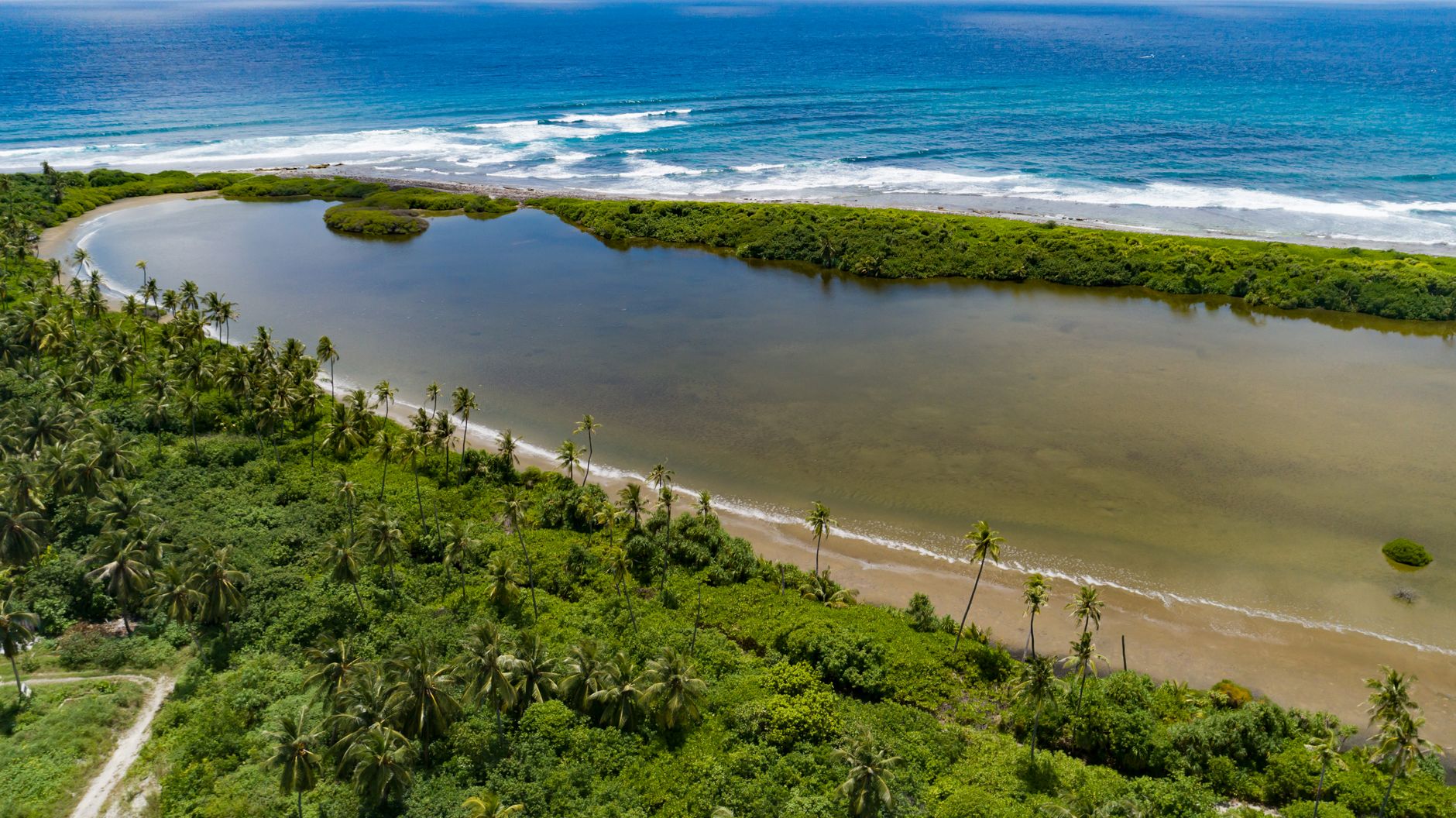
The Pangalanes (Canal des Pangalanes) is not a single canal but a chain of waterways — a string of natural lakes and lagoons, linked in places by channels dug under the French colonial administration, running parallel to the east coast for around 600 kilometres from Toamasina southward. A thin ribbon of land, sometimes only a few hundred metres wide, separates the calm fresh and brackish waters of the canal from the pounding surf of the Indian Ocean, creating a sheltered inland route that was historically used to move goods and people safely along a coast too rough and harbourless for easy sea travel.
Today, only parts of the canal are actively navigated, and the most-visited stretch lies relatively close to Toamasina, around the lakes of Manambato and Ampitabe, where the lodges and reserves are concentrated. Here the waters are wide and calm, dotted with water lilies and ringed by forest, villages, and palm groves. Local life still revolves around the canal — pirogues carry people and produce, fishermen work the lakes, and lakeside communities live much as they have for generations. For the visitor, this combination of natural beauty, accessible wildlife, and living waterway culture is what makes the Pangalanes such a rewarding and distinctive place to explore. The contrast between the two sides of that thin strip of land is striking: on one side, the wild, surf-pounded Indian Ocean shore, often too rough to swim; on the other, the calm, mirror-still fresh water of the canal, safe for boats and rich with life. Walking from a lakeside lodge across the narrow band of forest to stand on an empty ocean beach, with the two utterly different worlds of water just metres apart, is one of the Pangalanes’ quiet wonders, and a vivid reminder of why this sheltered inland route mattered so much historically.
Things to See and Do on the Pangalanes
Boat journeys through the lagoons
The heart of any Pangalanes visit is the boat journey itself. Excursions range from a few hours to multi-day trips, gliding through the calm lagoons and channels, past lily-covered waters, fishing villages, and forested shores. The pace is slow and the scenery constantly gentle — herons stalking the shallows, pirogues drifting by, the green shore unspooling on either side. Whether by motorboat or, more peacefully, by local pirogue, travelling the canal by water is the essential Pangalanes experience, and the way to appreciate its serene, distinctive character. It is as much about the journey and the atmosphere as about reaching any particular destination. There is a meditative quality to it: the steady passage of the shore, the play of light on the water, the occasional village or fisherman breaking the green expanse. Many travellers describe the boat journeys as the moment a Madagascar trip finally slows down, after the busy schedule of flights, drives, and park treks — a chance to sit back, watch, and simply absorb the country at the pace of the water. For photographers, the soft light over the lagoons at dawn and dusk is especially rewarding.
The Palmarium reserve at Ankanin’ny Nofy
The standout wildlife experience on the canal is the Palmarium reserve at Ankanin’ny Nofy, on the shores of Lac Ampitabe. This private reserve protects a stretch of coastal forest and gardens where several species of lemur roam habituated and free, coming close to visitors in a relaxed, beautiful lakeside setting. Walking among free-roaming lemurs here — with sifakas, brown lemurs, and others often within arm’s reach — is a gentle, joyful, and highly photogenic experience, ideal for travellers and families wanting close lemur encounters without the steep, muddy trails of the rainforest parks. Many lodges in the area arrange visits, and it is the single most popular attraction on the canal. It’s worth noting that the lemurs here are habituated and some species introduced to the reserve, so this is a managed, accessible encounter rather than a wild-forest sighting — but that is precisely its appeal for families, older travellers, and anyone who wants to be among lemurs without a demanding trek. The setting, with the forest meeting the lake and the lemurs moving freely around visitors, is genuinely beautiful, and the photographs it yields are among the most memorable of any Madagascar trip.
Near the Palmarium, evening excursions sometimes visit a small island home to the elusive, nocturnal aye-aye — one of Madagascar’s strangest and rarest lemurs, with its huge eyes, bat-like ears, and long bony finger. Seeing an aye-aye is a rare privilege even for seasoned wildlife travellers, and the Pangalanes offers one of the more reliable, if still special, chances to do so. Between the free-roaming lemurs by day and the possibility of an aye-aye by night, the reserves around Ankanin’ny Nofy make the canal a genuine wildlife destination as well as a scenic one.
Villages, birdlife, and the slow life
Beyond the boat trips and the reserves, much of the Pangalanes’ charm lies in its gentle, everyday scenes: the fishing villages along the banks, the pirogues laden with produce, the children waving from the shore, and the rich birdlife of the lagoons — herons, egrets, kingfishers, and more. Stopping at a lakeside village, watching the daily rhythms of canal life, or simply relaxing at a lodge with the water before you is part of the experience. The Pangalanes is not a place of dramatic set-piece attractions but of accumulated quiet pleasures, and travellers who embrace its slow pace come away with a deep affection for this watery, green corner of Madagascar. The villages along the banks offer a window onto a way of life few visitors otherwise see — homes built from local materials, pirogues hand-carved from single trunks, fish traps set in the shallows, and a community whose every rhythm is tied to the water. A respectful stop, perhaps to buy fruit or simply to watch the daily activity, adds a human dimension to the natural beauty, and a sense of connection to the place that the headline parks, for all their wildlife, rarely provide.
Wildlife and Birdlife of the Pangalanes
While the Pangalanes is gentler than the great rainforest parks, its wildlife is a real highlight — and unusually accessible. The lakeside reserves, above all the Palmarium at Ankanin’ny Nofy, protect several species of habituated lemur that roam free and come close, offering some of the easiest and most relaxed lemur encounters in Madagascar. By night, the chance of seeing the extraordinary aye-aye at a nearby island reserve adds a genuine rarity to the mix. The forests and gardens also hold chameleons, frogs, and reptiles, making the reserves rewarding for all-round wildlife interest.
The canal is also excellent for birdwatching. The calm lagoons and their fringing vegetation attract herons, egrets, kingfishers, ducks, and a variety of waterbirds, while the surrounding forest holds woodland and endemic species. Drifting quietly by boat is an ideal way to observe them, often at close range, and birders find the canal a peaceful and productive complement to the forest birding of nearby Andasibe-Mantadia. Between the habituated lemurs, the possibility of an aye-aye, and the abundant birdlife, the Pangalanes offers a surprising depth of wildlife for a destination better known for its scenery and serenity.
How to Get to the Pangalanes
The most-visited stretch of the Pangalanes is reached via Toamasina (Tamatave), Madagascar’s main eastern port, which is itself reached overland from Antananarivo on the paved RN2 (the same road that serves Andasibe) or by domestic flight. From the Toamasina area, the lakes and lodges around Manambato and Ampitabe are accessed by road to a launch point and then by boat across the lagoons — the lodges and reserves are reached only by water, which is part of their appeal. Most travellers visit as part of an organised eastern trip, with the transfers and boat journeys arranged, since the logistics of reaching the lakeside lodges by water are best handled by an operator. For the wider region and route, see our Eastern Madagascar guide.
Because the canal sits within the accessible eastern region, it combines naturally with Andasibe and the rest of the east, often as a relaxing second leg after the rainforest. The boat transfer to the lakeside lodges is itself a pleasure rather than a chore — the journey across the lagoons is the beginning of the Pangalanes experience. Madagascar is reached by international flight to Antananarivo, from where the overland route east, via Andasibe to Toamasina and the canal, is straightforward and scenic. A well-planned eastern trip folds the Pangalanes in smoothly, handling the road and boat connections so you simply enjoy the journey.
When to Visit the Pangalanes
The Pangalanes lies in Madagascar’s wettest region, so timing matters. The best windows are the drier stretches of September to December and April to May, when the weather is most reliable and the lagoons at their most pleasant for boat trips and lakeside relaxation. The January to March period brings the heaviest rains and a cyclone risk on the exposed east coast, and is best avoided. That said, the canal’s calm waters and lakeside reserves can be visited across much of the year, and the lemurs at the Palmarium are present in any season, so even outside the driest months a visit rewards, provided you come prepared for some rain. For the full regional breakdown, see our Madagascar weather by region guide.
The drier shoulder windows offer the best balance of comfortable conditions for boat travel and active wildlife at the reserves, and the calm, sheltered nature of the canal means it is somewhat more forgiving of light rain than the open coast. As with all of eastern Madagascar, the key is to plan around the January-to-March cyclone season and to come prepared for the occasional shower whenever you visit. For help choosing your overall window, see our best time to visit Madagascar guide.
Where to Stay on the Pangalanes
The Pangalanes offers a range of lakeside lodges, concentrated around the lakes of Manambato and Ampitabe, from simple bungalows to comfortable, characterful retreats set on the forested shores, several near the Palmarium reserve. Staying lakeside is the essence of the Pangalanes experience — waking to the water, the birdlife, and the forest, with boat excursions and lemur visits on your doorstep. Browse Madagascar stays on Agoda to gauge options, and book ahead in the drier peak months, when the better lodges fill up.
Because the lakeside lodges are reached only by boat and are limited in number, securing accommodation early is wise, especially in the peak windows. A driver-guide or specialist will know which lodges are best positioned for the reserves and the boat trips, and can arrange the transfers and excursions as part of an eastern itinerary. After the rainforest treks of Andasibe, a tranquil lakeside lodge on the Pangalanes, with the water before you and lemurs nearby, is a restful and memorable way to round out the eastern leg of a Madagascar trip.
Practical Tips for the Pangalanes
Arrange it as part of an eastern trip. The boat transfers and lakeside lodges are best handled by an operator; the Pangalanes combines naturally with Andasibe and the rest of the east.
Pack for sun and rain. Boat travel means sun exposure on the water, while the eastern climate means rain is always possible — bring sun protection, a hat, light layers, and a waterproof, plus a dry bag for cameras.
Don’t miss the Palmarium. The free-roaming lemurs at Ankanin’ny Nofy are the canal’s standout wildlife experience; arrange a visit, and the evening aye-aye excursion if it’s available.
Embrace the slow pace. The Pangalanes rewards relaxation over rushing; allow a night or two to drift, watch the birdlife, and enjoy the lakeside calm rather than treating it as a quick stop.
Bring cash. The lakeside lodges and villages are remote, and cards are rarely accepted, so carry enough Malagasy ariary for extras, tips, and village purchases.
Mind the cyclone season. Avoid the January-to-March peak of the rains and cyclones on the exposed east coast; favour the drier shoulder windows for the most pleasant boat travel.
How Long to Spend and Combining the Pangalanes
Most travellers spend one to three days on the Pangalanes, depending on how far along the canal they travel and how much they want to relax. A short visit of a night or two at a lakeside lodge near the Palmarium delivers the boat journeys, the free-roaming lemurs, and the lakeside calm — enough for most travellers to experience the canal’s distinctive charm. A longer journey further along the waterway, staying at successive lodges, suits those who want to immerse themselves in canal life and travel more of its length. Either way, the Pangalanes is best treated as a restful, scenic complement rather than a rushed checklist stop.
The canal combines naturally with the rest of eastern Madagascar, most obviously with Andasibe-Mantadia — the rainforest and the indri first, then the gentle waters of the canal, balancing active wildlife trekking with waterborne relaxation. From the east it can extend to a hop to Île Sainte-Marie for the seasonal whales, or fold into a wider Madagascar itinerary taking in the RN7 south or the north. For the rainforest park, see our Andasibe-Mantadia guide; for the whale island, our Sainte-Marie whale-watching guide. However you combine it, the Pangalanes adds a restful, distinctive dimension that sets an eastern trip apart.
Getting There and Travelling Well
Madagascar is reached by connecting flights via Europe, the Gulf, or Africa, landing at Antananarivo, from which the Pangalanes is reached overland and by boat via Toamasina. Book international flights early and protect them on European routes — EU261 entitles you to up to €600 per passenger for long delays, cancellations, and denied boarding. Register your inbound flight for EU261 coverage with AirAdvisor so any eligible claim is handled for you.
Comprehensive travel insurance is essential for a Pangalanes visit, covering the boat travel, the remote lakeside lodges, and medical emergencies far from major facilities. Coverage should include medical evacuation, trip cancellation and interruption, and your activities, including boat excursions. SafetyWing Nomad Insurance offers flexible, affordable cover well suited to an eastern Madagascar trip. The lakeside lodges are reached only by water and lie hours from major hospitals, so good insurance is never optional — confirm it covers boat travel and remote-area evacuation before you go. The canal’s calm waters are gentle, but you are still in a remote region where comprehensive cover is the difference between a manageable problem and a crisis.
Carla / Voyagiste Madagascar (plan your Pangalanes visit)
Madagascar-resident specialist who can build an eastern trip that includes the Pangalanes. Contact Carla directly to plan a journey combining the rainforest of Andasibe with the gentle waters of the canal — the right lakeside lodge, the boat transfers, a visit to the Palmarium’s free-roaming lemurs, and the timing all handled, woven into a wider eastern or island-wide trip. Local knowledge ensures you experience the canal at its restful best and reach the lakeside reserves smoothly.
Frequently Asked Questions
What is the Pangalanes Canal?
A 600-km chain of natural lakes, lagoons, and man-made channels running parallel to Madagascar’s east coast, separated from the Indian Ocean by a narrow strip of land. It’s travelled by boat and known for its gentle scenery, lakeside lodges, birdlife, and habituated lemurs at the lakeshore reserves.
What is there to do on the Pangalanes?
Boat journeys through the lagoons, visits to the Palmarium reserve at Ankanin’ny Nofy to see free-roaming lemurs (and possibly the nocturnal aye-aye nearby), birdwatching, and relaxing at lakeside lodges. It’s a gentle, scenic, wildlife-rich complement to the rainforest.
How do I get to the Pangalanes?
Via Toamasina (Tamatave) on the east coast — reached overland from Antananarivo on the paved RN2 or by domestic flight — then by road and boat to the lakeside lodges around Manambato and Ampitabe. Most travellers visit as part of an organised eastern trip.
How long should I spend on the Pangalanes?
One to three days, depending on how far you travel and how much you want to relax. A night or two near the Palmarium captures the boat journeys, the lemurs, and the lakeside calm; longer journeys travel more of the canal.
When is the best time to visit?
The drier windows of September–December and April–May. Avoid January–March (heaviest rains and cyclone risk on the east coast). The lemurs and calm waters can be enjoyed across much of the year. See our best time to visit guide.
Do I need travel insurance for the Pangalanes?
Yes — essential, covering boat travel and medical evacuation from a remote, water-access region. Comprehensive coverage is a must; confirm it covers boat excursions before you go.
🧭 Plan Your Pangalanes Canal Visit With Carla
Calm lagoons, lakeside lodges, and free-roaming lemurs. Reach out to Carla, our Madagascar-resident specialist, to build an eastern trip combining Andasibe’s rainforest with the gentle waters of the Pangalanes, all handled end to end.
Plan Your Trip to Madagascar
- Read the full Madagascar Travel Guide
- Explore itineraries by style and duration
- Explore the full destination guide
Where to Stay