The Famadihana Ceremony: Madagascar’s Festival of the Dead Guide
This post contains affiliate links. We may earn a small commission at no extra cost to you.
At a Glance
- What it is: ancestral reburial ceremony — remains exhumed, rewrapped in new silk, danced with, returned to the tomb
- Season: June to September (dry season) — central highlands only
- Who holds it: Merina and Betsileo families, every 5–7 years per tomb
- Access: personal invitation or via a reputable cultural tour operator — never arrive uninvited
- Dress code: modest, clean clothing — avoid black and white
- Contribution: bring rum, rice, or a cash gift — expected and appreciated
- Base hotel: Find hotels in Antananarivo on Agoda
- Travel insurance: SafetyWing from $1.82/day
📖 Read Up on Madagascar
Guidebooks and background to get more from your trip:
- Bradt Madagascar guide — the most thorough Madagascar guidebook. See on Amazon →
- Lonely Planet Madagascar — great for planning and background. See on Amazon →
- French/Malagasy phrasebook — break the ice and bargain like a local. See on Amazon →
- Madagascar wildlife field guide — identify lemurs, chameleons and birds. See on Amazon →
As an Amazon Associate we earn from qualifying purchases.
Famadihana is Madagascar’s most extraordinary cultural event and one of the most misunderstood. It is not a morbid ritual — it is a joyful, music-filled family reunion that happens to include the dead. Understanding what it is and how to attend respectfully transforms it from a curiosity into a genuine window into Malagasy spiritual life.
What Famadihana Is: The Turning of the Bones
The word famadihana translates roughly as the turning of the bones. Every five to seven years, a Merina or Betsileo family opens their family tomb and exhumes the remains of their ancestors. The remains — typically wrapped in deteriorating cloth — are brought out into daylight, unwrapped, rewrapped in fresh lambamena (luxury silk shroud), and carried aloft by relatives who dance with them to live music. After several hours of celebration — which includes rum, speeches, family reunions, communal meals, and a great deal of laughter — the ancestors are returned to the tomb and the stone sealed until the next ceremony.
The theology behind Famadihana is rooted in the razana concept explored in our guide to fady. Ancestors are not gone — they continue as active spiritual presences whose wellbeing affects the living family. Rewrapping their physical remains renews the bond, provides warmth in the afterlife, and allows living family members to communicate with them directly — bringing news, asking for blessings, resolving unfinished emotional business. The ceremony is also the occasion for major family decisions to be presented before the ancestors for spiritual ratification.
When and Where Famadihana Happens
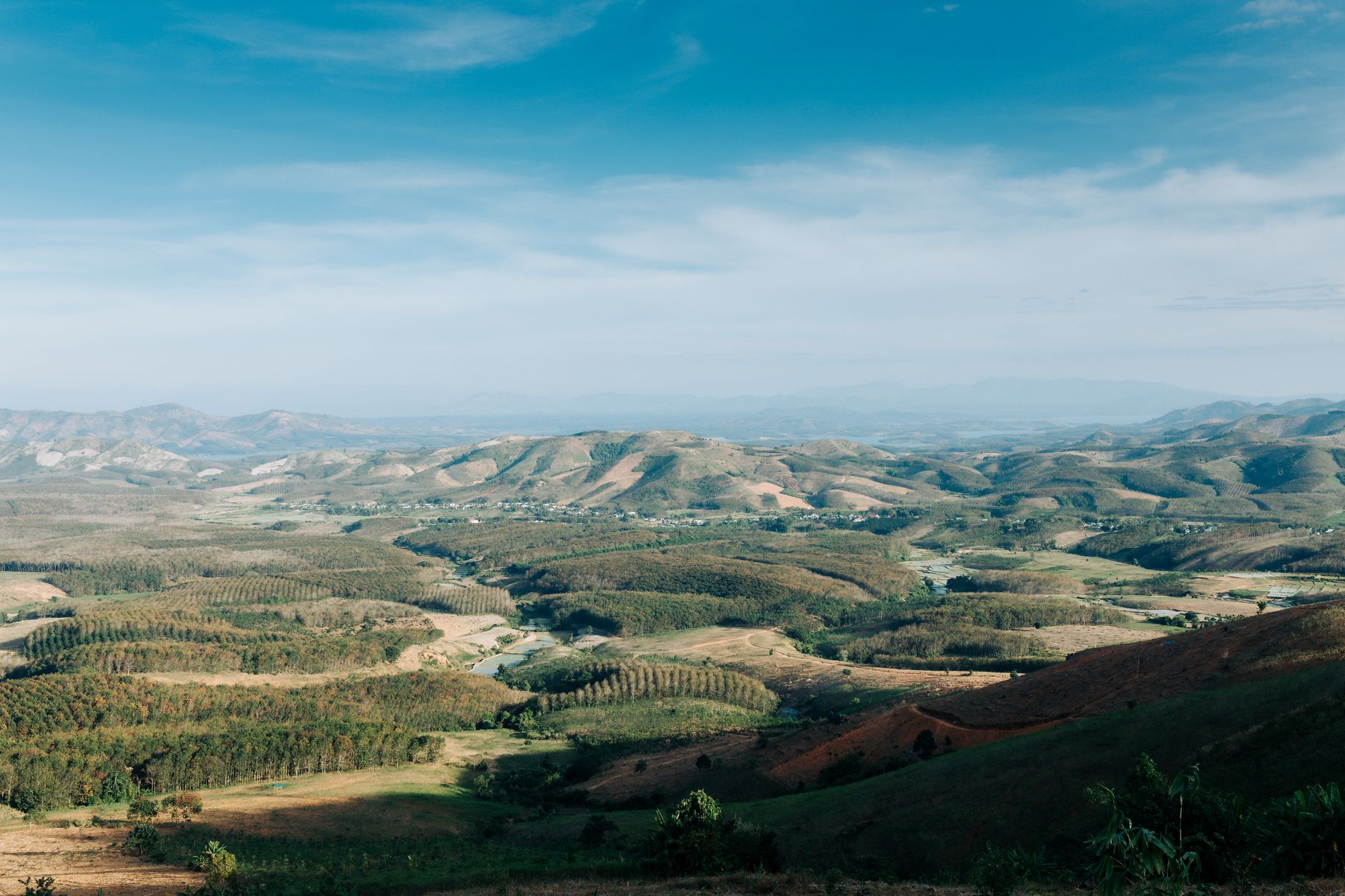
Famadihana is held during Madagascar’s dry season — June through September — because the ancestors are believed to feel the cold of the wet winter months and prefer to be turned and rewrapped in the dry warmth. The ceremony is geographically concentrated in the central highlands: the Antananarivo region, the surroundings of Antsirabe (approximately 170 kilometres south of the capital), and the Fianarantsoa area, which is Betsileo heartland. It does not occur on the coast, in the south, or in Sakalava territory — it is specific to Merina and Betsileo culture.
Timing within the season varies by family and is determined by the village astrologer-priest (mpanandro), who calculates the most auspicious date based on ancestral and lunar factors. Ceremonies typically run from early morning through the afternoon and into evening. As a traveller, the practical challenge is that Famadihana dates are set by families on relatively short notice and rarely published anywhere publicly accessible. The most reliable path is through a tour operator based in Antananarivo who maintains relationships with families willing to welcome respectful foreign guests. Zebu are frequently sacrificed at Famadihana to honour the ancestors — our zebu culture guide explains the significance of this practice.
How to Attend Famadihana Respectfully
Dress modestly and in colours that are neither black (funerary in many Western contexts but associated with grief rather than celebration here) nor white (associated with mourning in Malagasy culture). Ochre, navy, green, or any warm colour is appropriate. Arrive with a contribution — rum (toaka gasy, local cane spirit), rice, or a cash gift of 10,000 to 20,000 ariary is standard and expected. Hand it to the family elder or your guide to present it correctly. Never arrive empty-handed.
Follow your guide absolutely throughout the ceremony. If invited to dance while holding the ancestor’s remains, accept graciously — refusing is considered more disrespectful than participating. Keep your camera down for the first thirty minutes and observe the atmosphere before requesting any photography permission. Some families welcome photographers enthusiastically, others prefer observation only. Accept this without negotiation. Do not drink excessively — rum flows freely but you are a guest, not a participant by right. The ethical tourism principles for Madagascar apply in full at Famadihana: presence is a privilege, not a transaction.
Getting to the Highlands for Famadihana Season
Antananarivo is your base for accessing Famadihana ceremonies. Ivato International Airport receives direct or one-stop flights from Paris Charles de Gaulle (Air Madagascar, Air France), Nairobi (Kenya Airways), and several other African hubs. From Antananarivo, Antsirabe is reachable by taxi-brousse (approximately three hours) or private car (two hours). For flexibility in reaching villages on short notice when a ceremony date is confirmed, a 4WD rental gives you the independence to move quickly. Compare 4WD rental options on Carla — highland roads can be unpaved near villages and a high-clearance vehicle is worth having in June through August.
Book your Antananarivo hotel in advance for the June–September peak. Properties near the city centre place you within reach of cultural tour operators who can arrange ceremony access. Search Antananarivo hotels on Agoda and filter for properties with a guest score above 8. International connections to Antananarivo route through Paris or Nairobi — if your flight is disrupted, EU regulation EC 261 may entitle you to up to €600 in compensation.
Flight delayed or cancelled? Paris–Antananarivo and Nairobi–Antananarivo connections are among the most disrupted long-haul routes. Check your compensation claim free on AirAdvisor — eligible passengers can receive up to €600.
Frequently Asked Questions
Is Famadihana open to foreign tourists?
Not publicly — it is a private family event. Foreign visitors attend either through a personal invitation from a Malagasy family or by booking through a reputable Antananarivo-based tour operator who has established relationships with families willing to welcome respectful guests. Never arrive at a ceremony uninvited.
Is Famadihana held every year?
No. Each family holds Famadihana every five to seven years per tomb, as determined by the family and the village astrologer-priest (mpanandro) who identifies the most auspicious date. During the June–September season, multiple families in the highlands may hold ceremonies on the same weekend, but no single family holds it annually.
What should I bring to a Famadihana if invited?
Bring a contribution: rum (toaka gasy), rice, or cash (10,000–20,000 ariary is appropriate). Arriving empty-handed is considered disrespectful. Wear modest, warm-coloured clothing — avoid black and white. Follow your guide’s instructions throughout, accept invitations to dance or participate graciously, and ask before photographing anything.
Famadihana is the single most profound cultural experience available to travellers in Madagascar. It is also the most easily damaged by careless tourism. Access it through a trusted operator, arrive prepared and humble, and treat the invitation as the rare privilege it is. Families who welcome foreign guests do so because they want to share something meaningful — reciprocate with genuine respect. Plan your highlands visit for June through September, base in Antananarivo, and allow flexibility in your schedule for a ceremony that operates on ancestral time, not a tourist calendar. Before flying, make sure your coverage extends to medical evacuation from Madagascar — costs reach $80,000. Get covered with SafetyWing before you fly — plans start from $1.82 per day.
Travel Insurance for Madagascar
Medical evacuation from Madagascar costs $30,000–$80,000. Don’t travel without cover.
- SafetyWing — Best for budget travelers and long stays. From $1.82/day.
- World Nomads — Best for adventure activities: trekking, diving, motorbikes.
Plan Your Trip to Madagascar
- Read the full Madagascar Travel Guide
- Explore itineraries by style and duration
- Explore the full destination guide
Where to Stay