Île Sainte-Marie Whale Season: Best Viewing Spots July–September
This post contains affiliate links. We may earn a small commission at no extra cost to you.
At a Glance
- Where to stay: Check hotel availability on Agoda — Île Sainte-Marie
- Book tours: Browse Madagascar tours on GetYourGuide
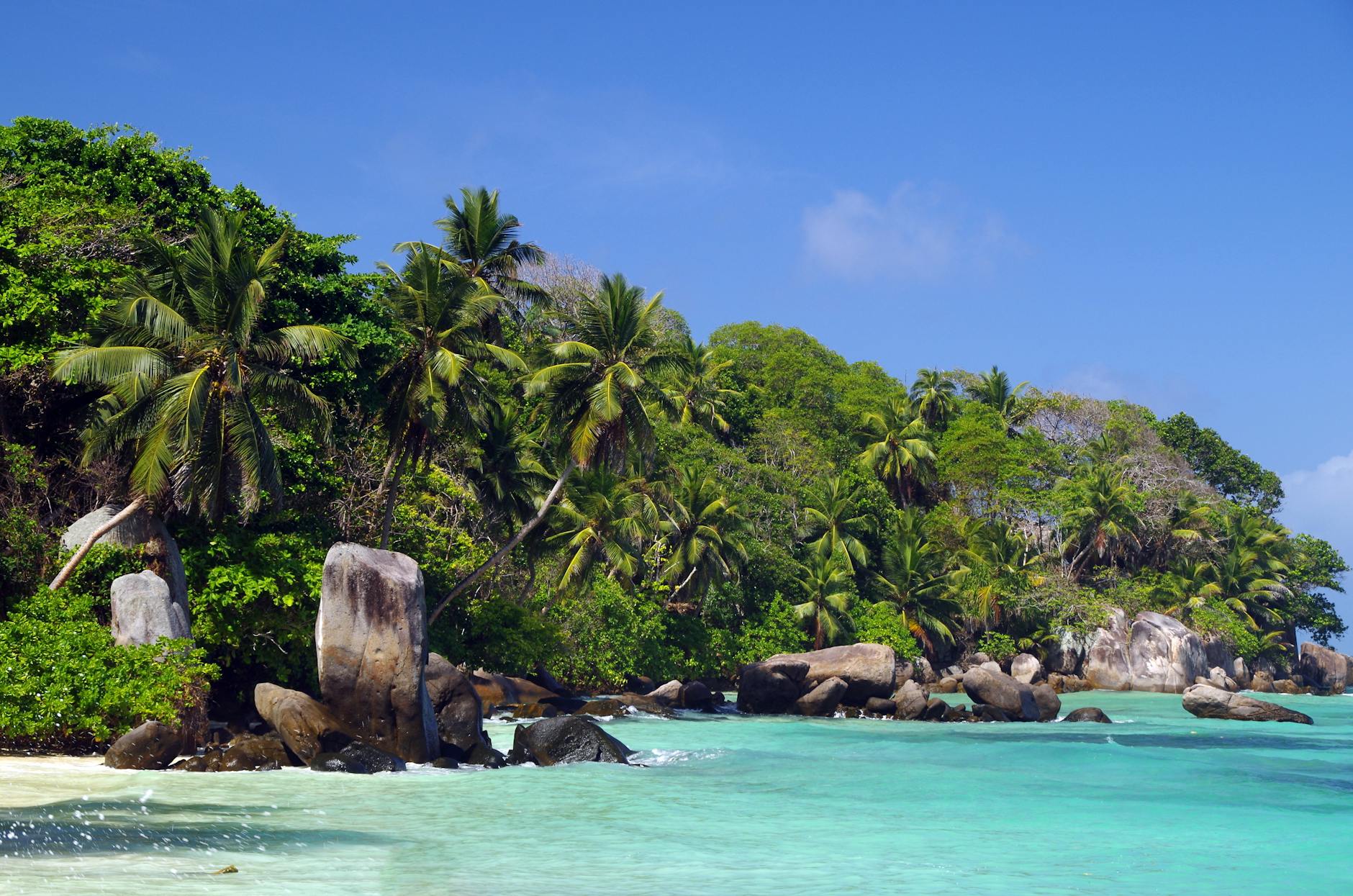
Île Sainte-Marie — Nosy Boraha in Malagasy — transforms into one of the world’s best whale watching destinations every July to September. Humpback whales pass through the narrow Sainte-Marie Channel in remarkable numbers, making this 70-kilometre island off Madagascar’s east coast the definitive viewing ground in the Indian Ocean. This guide covers the best spots, access logistics, and what to expect at each location.
Essential Gear for Madagascar’s Coastal Activities
Madagascar’s Underwater World Is World-Class — Film It in 5.3K Before It’s Gone
The coral gardens off Nosy Be, the whale sharks of the Mozambique Channel, the humpback whales migrating to Île Sainte-Marie — your phone doesn’t go underwater. The GoPro HERO13 Black shoots 5.3K60 video and is waterproof to 10 metres without any housing. Mount it on your snorkel mask, clip it to your kayak, hand it to your dive guide. Sold directly by Amazon.
Check current price and availability on Amazon →
Madagascar’s UV Index Hits 11+ — Your Skin Needs More Than Sunscreen in the Water
Nosy Be, Île Sainte-Marie, the reefs off Fort Dauphin — spectacular coastal waters under an equatorial sun with UV regularly hitting 11+. Sunscreen washes off within 20 minutes in water. O’Neill’s UPF 50+ long-sleeve rash guard blocks 98% of UV radiation all day, in and out of the water, without reapplication. Stays in place during snorkelling and dives.
Check current price and availability on Amazon →
Snorkelling Madagascar’s Reefs Without UV Protection Is How You Come Home With a Week of Sun Damage
The coral reefs of Nosy Be and Île aux Nattes are some of the most beautiful snorkelling in the Indian Ocean — in direct equatorial sunlight every minute you’re in the water. Hurley’s Women’s UPF 50+ long-sleeve rashguard covers your core, arms, and shoulders with full-spectrum UV protection. Lightweight, fast-drying, designed for real ocean conditions.
Check current price and availability on Amazon →
One Wave, One Pirogue Crossing, One Rain Shower — That’s All It Takes to Lose Your Phone in Madagascar
Madagascar’s water crossings are done in pirogues — narrow dugout canoes with no sides to speak of. One unexpected wave. One overfilled pirogue. One downpour on the RN7 with nowhere to shelter. The JOTO Universal Waterproof Pouch seals your phone in an IPX8-rated case to depths up to 30 metres. Use the touchscreen through the case, take underwater photos. Under $15.
Check current price and availability on Amazon →
Your Camera, Passport, and Valuables Need a Waterproof Shell for Madagascar’s Boat Transfers
Boat transfers to Nosy Komba, dive sites, and the remote beaches of Masoala — waves hit the deck, spray soaks everything unprotected. A wet camera, a soaked passport, or a ruined MacBook is not a one-hour problem in a country where Apple Stores don’t exist. The Earth Pak Dry Bag rolls and clips shut to create a 100% waterproof seal rated to IPX8. NY Times Wirecutter-recommended, 5-year warranty.
Check current price and availability on Amazon →
Plan your Madagascar trip:
- Browse Madagascar tours and experiences (GetYourGuide)
- Get travel insurance for Madagascar (SafetyWing)
- World Nomads — covers adventure activities: trekking, diving, motorbikes. Compare both.
The Sainte-Marie Channel: Why Whales Concentrate Here
The Sainte-Marie Channel is a strip of water roughly 8 kilometres wide between the island and the Madagascar mainland. This geography funnels northbound and southbound humpback migration routes through a bottleneck, concentrating whales in densities rarely matched elsewhere. During peak weeks in August, it is common to see five to ten individual whales within a single half-day boat trip. The shallow shelf on the island’s western side creates ideal nursing conditions, with mothers selecting calm lagoon areas to rest with newborns. Research by WWF and MadWhale estimates 5,000 to 8,000 individual humpbacks pass through this corridor each year, making it one of the densest recorded migration routes in the southern hemisphere and placing Sainte-Marie firmly in the top tier of global whale watching destinations.
Top Viewing Spots on Île Sainte-Marie
Ambodifotatra, the main town on the western coast, is the primary departure point for boat tours. The harbour and beach in front offer surface-level views of passing whales during peak months without requiring a boat. Baie des Forbans, at the southern tip, is a sheltered cove where nursing pairs congregate in relative calm. The northern tip, accessed via a rough track from Ambodifotatra, provides exposed ocean views where breaching is most frequently observed. Île aux Nattes (Nosy Nato), the small island at the southern end, offers elevated views across the channel from short clifftop walks. Most boat-based viewing concentrates along the west coast between Ambodifotatra and the southern tip in an area locals call the Grand Passage, where whale encounters are most consistent throughout the season.
Read also:
Book activities in Madagascar:
How to Book Whale Watching Trips from Sainte-Marie
Boats depart daily from Ambodifotatra harbour during peak season. Prices range from 60,000 to 100,000 Ariary ($15–25 USD) per person for half-day trips. Private charters cost 250,000–400,000 Ariary for a full boat of up to eight passengers. The most reliable operators are affiliated with CETAMADA, Madagascar’s official whale research organisation based on Sainte-Marie. CETAMADA runs daily research trips and accepts paying passengers during July and August — booking via their local office is recommended for the most responsible experience. Hotel concierges at Lakana Hotel and Le Relais de la Reine can also arrange trips. Always confirm your operator uses a properly maintained vessel with a functional engine capable of keeping safe distance from whale groups.
Getting to Île Sainte-Marie During Whale Season
Île Sainte-Marie is accessible by air from Antananarivo via Tsaradia domestic airlines, with flights taking approximately 1 hour 20 minutes. Fares range from 200,000 to 400,000 Ariary ($50–100 USD) one-way depending on booking timing. A ferry from Soanierana-Ivongo on the east coast takes around 3 hours for under $10 USD but operates irregularly in rough weather. Accommodation fills quickly in July and August — book at least 6 weeks ahead. Options range from budget bungalows at Chez Loulou (from $25/night) to mid-range properties like Le Lakana Hotel or Hôtel Boraha Village. The island has no ATMs — bring sufficient Ariary from Antananarivo or Toamasina before departure, as credit card acceptance remains very limited.
Ready to book your Madagascar trip?
Frequently Asked Questions
What months are best for whale watching at Île Sainte-Marie?
July and August are peak months. Mid-July to mid-August sees the highest whale density in the Sainte-Marie Channel. Some whales are visible in late June and September but in smaller numbers.
How do I get to Île Sainte-Marie during whale season?
Fly from Antananarivo with Tsaradia (about 1 hour 20 minutes, $50–100 one-way). The ferry from Soanierana-Ivongo is cheaper but slower and weather-dependent.
Are there ATMs on Île Sainte-Marie?
No. Bring all the Ariary cash you need from Antananarivo or Toamasina. Credit cards are not widely accepted on the island.
Île Sainte-Marie during whale season offers an encounter unlike almost anywhere else in the world. The density of humpbacks in the channel, combined with the island’s turquoise waters and accessible boat scene, creates ideal conditions for close sightings. Plan at least 3 nights to maximise your chances — whales operate on their own schedule, and multiple mornings on the water dramatically increases your observations.
Start planning your Madagascar adventure today
Browse Madagascar experiences on GetYourGuide
Affiliate link – commission earned at no extra cost to you.
Flight delayed or cancelled? Flights to Madagascar often connect through Paris or Nairobi. EU regulation EC 261 may entitle you to up to €600 in compensation. Check your claim free on AirAdvisor →
Plan Your Trip to Madagascar
- Read the full Madagascar Travel Guide
- Explore itineraries by style and duration
- Explore the full destination guide
Where to Stay
Whale-watching season (July–September) books out months ahead — check availability now.