July in Madagascar 2026: The Complete Month-by-Month Travel Guide
This post contains affiliate links. We may earn a small commission at no extra cost to you.
At a Glance
- Season: Peak dry season — driest month of the year in most regions
- Temperatures: Highlands 8 to 20°C (cold nights); coast 22 to 28°C
- Wildlife highlight: Humpback whales arriving in Sainte-Marie; lemurs highly active in dry forest parks
- Crowds: Highest of the year — French and Italian summer holidays in full swing
- Book hotels early: Compare Nosy Be on Agoda
- Insurance: SafetyWing from 1.82 USD per day
- July flight delays: Claim up to 600 EUR via AirAdvisor
🎒 Madagascar Trip Essentials
A few inexpensive items make the biggest difference on the ground in Madagascar:
- Picaridin insect repellent — DEET-free protection against malaria mosquitoes. See on Amazon →
- Permethrin clothing spray — treat clothes; kills mosquitoes on contact for weeks. See on Amazon →
- Pop-up mosquito net — budget lodges rarely provide one; packs down tiny. See on Amazon →
- Water filter bottle — tap water isn’t safe to drink in Madagascar. See on Amazon →
- Universal travel adapter (USB-C) — Madagascar uses European-style plugs. See on Amazon →
- 8×42 binoculars — essential for spotting lemurs and chameleons in the canopy. See on Amazon →
As an Amazon Associate we earn from qualifying purchases.
July is the structurally best month to visit Madagascar — driest weather across the major travel corridors, peak wildlife activity, and the start of the humpback whale season at Sainte-Marie. It is also the most expensive and most crowded month, requiring early booking discipline. This guide breaks down regional conditions, what to see, what to plan around, and how to book a July 2026 itinerary that delivers the peak-month experience without paying for unnecessary friction.
Weather by Region in July
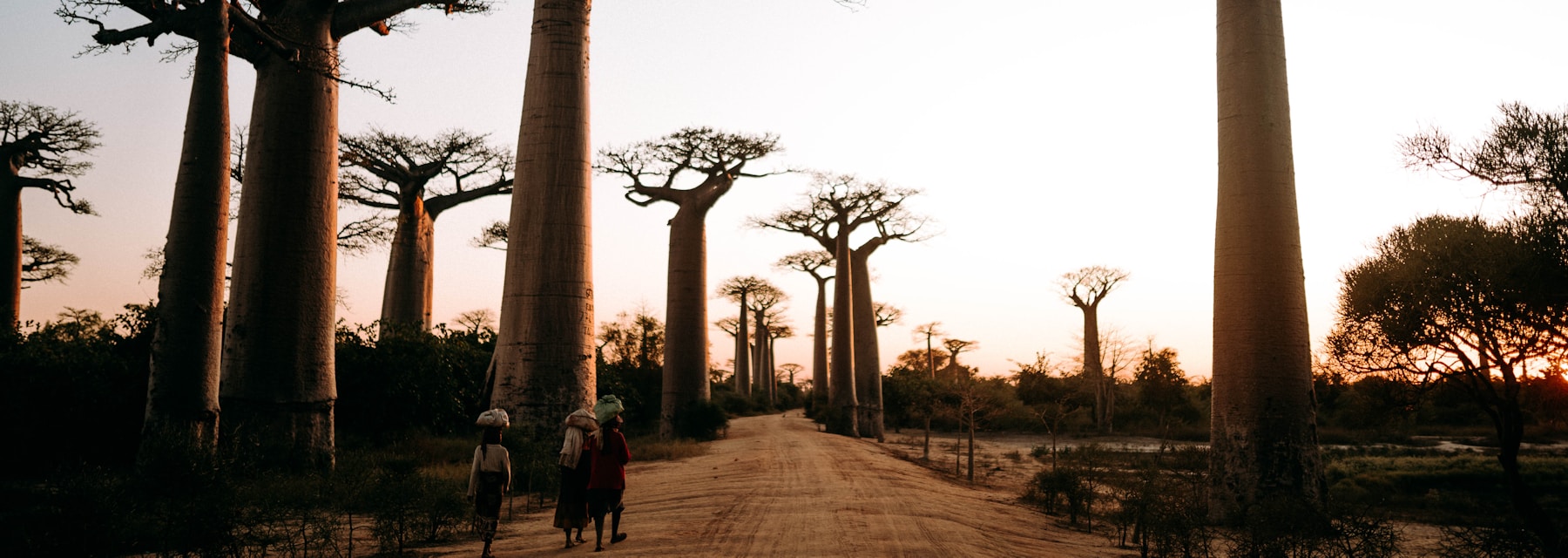
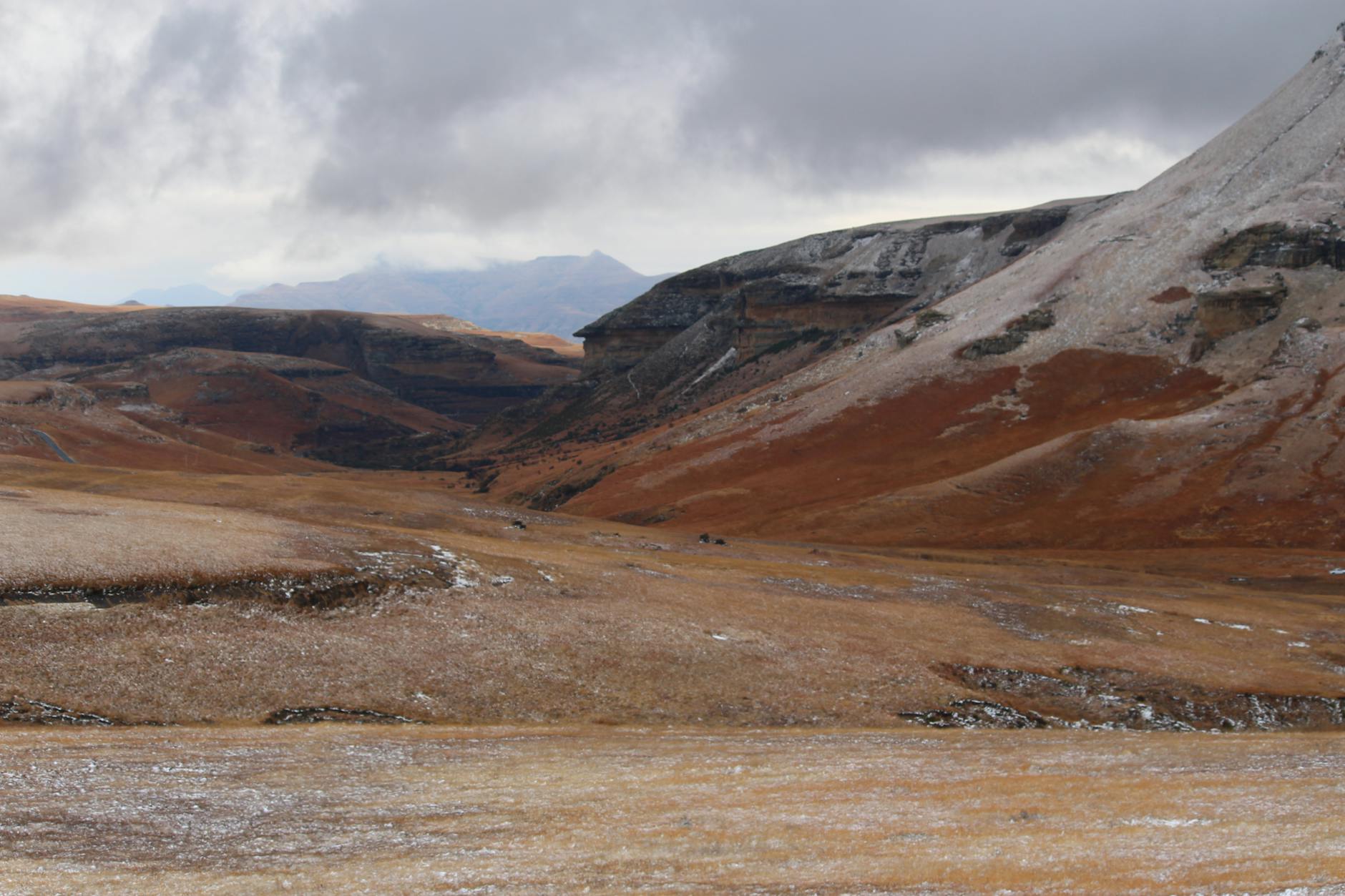
Madagascar’s July weather varies sharply by altitude and coast. The central highlands (Antananarivo, Antsirabe, Fianarantsoa) are at their coldest — daytime 17 to 22°C and nighttime 8 to 14°C. Tana evenings can hit 6°C in mid-July. Packing a fleece or warm layer is mandatory; tourists who plan only for tropical Madagascar are systematically caught out by highland nights. The west coast (Morondava, Mahajanga, Toliara) runs 18 to 28°C, dry, with reliable sunshine. This is the peak season window for Tsingy de Bemaraha access, RN7 corridor, and Avenue of the Baobabs photography.
The east coast (Toamasina, Sainte-Marie, Maroantsetra) is cooler and slightly wetter — 20 to 26°C with occasional showers, especially on the southeastern slopes facing the trade winds. Sainte-Marie has its driest spell starting late July. The north (Diego Suarez, Nosy Be) sits in the 22 to 29°C range — warm, dry, with consistent trade winds. This is peak diving and kitesurfing season. For July travel, target a 3 to 4 day stop in highlands (Tana plus Antsirabe), a 4 to 5 day east-coast or Nosy Be allocation, and 5 to 7 days for any RN7 + Tsingy combination. Book your Tana arrival night on Agoda — Tana hotels fill earliest in July.
Wildlife Calendar — What to See in July
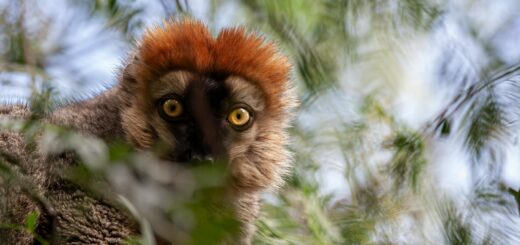
July is the start of humpback whale season at Sainte-Marie — the first migrating pods arrive from Antarctic feeding grounds in early July, with peak densities in August and September. The Anakao-Toliara coast and Nosy Be also see whale activity later in the month. Whale watching tours run 2 to 3 hours and bring you within 30 to 50 meters of mothers and calves in calm waters. Book operators 6 to 8 weeks ahead for the best biologist-led trips. Lemur activity is also at its peak — the dry forest at Kirindy is the best fossa-sighting month (September is peak but July sightings are reliable), and Anja Community Reserve ring-tails are active and approachable.
Ranomafana and Andasibe rainforest parks deliver excellent indri and bamboo lemur viewing through July. Mouse lemur night walks at Ranomafana are at their best with cooler temperatures pushing wildlife into more visible behaviors. Bird activity remains rich; July is the start of breeding displays for many endemic species at Masoala and Ankarafantsika. Reserve July wildlife tours on GetYourGuide at least 4 to 6 weeks ahead — peak-season slots fill fast.
Crowds, Pricing and Booking Discipline
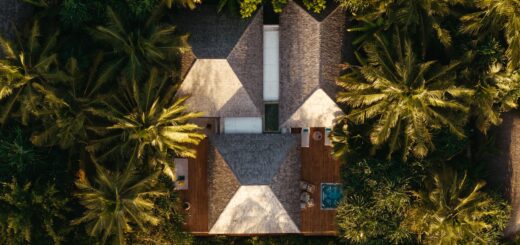
July is the most expensive month to travel in Madagascar. Hotel rates at Nosy Be, Sainte-Marie and the heritage Tana properties sit 30 to 50% above shoulder months. The ultra-luxe properties (Miavana, Anjajavy, Constance Tsarabanjina) book out 9 to 12 months ahead for July weeks — late June bookings rarely succeed at these properties for the same year. Air France Paris-Antananarivo direct flights run 1,150 to 1,400 EUR roundtrip in July versus 850 to 1,100 in October. Madagascar Airlines domestic capacity is tight; book Tana-Nosy Be and Tana-Diego at least 60 days ahead.
Park entry queues at Andasibe and Ranomafana can run 30 to 60 minutes during the 7 to 9 AM morning peak — arrive at park gates by 6:45 AM in July, or pre-position by sleeping at park-adjacent lodges. Driver-guide rates run 90 to 130 USD per day in July versus 70 to 100 in shoulder. Build buffer into your itinerary — connection delays, full-vehicle taxi-brousse, and Tsingy 4WD logistics all stretch slightly in peak season. Compare driver-guide 4WD rates on Carla 6 to 8 weeks ahead for July arrival.
What to Pack and Plan Around for July
July packing must split between tropical and highland tiers. Coastal-only travelers can pack the standard tropical kit (shorts, t-shirts, swim gear, light rain shell). Anyone routing through Antananarivo or the highlands needs adds: a warm fleece, long pants, closed-toe shoes for cool evenings, a beanie if camping. Many travelers underestimate the highland chill — the Hilton equivalent of Tana hotels keep heat to a minimum and the nights are genuinely cold. Bring layers and reusable hot-water-bottle if budget allows.
Health planning: yellow fever vaccination is not required for direct arrivals from non-endemic countries but the Sainte-Marie ferry from Soanierana-Ivongo can run roughly choppy in July trade winds — pack motion-sickness tablets if you tend to feel it. Malaria prophylaxis applies through July in all regions except the central highlands above 1,200m. DEET 30% repellent is more useful at dawn and dusk than midday. The eSIM activation should be done before arrival — Airalo and Holafly both run 5GB Madagascar packages for 10 to 15 USD that activate instantly at Ivato. Activate SafetyWing at the same time as you confirm the international flight to lock the policy date framework.
Frequently Asked Questions
Is July really the best month to visit Madagascar?
It is the structurally best for weather and wildlife combined but the most expensive. October and November deliver 80 to 90% of the July experience at 30 to 50% less cost. If budget is a factor, target October-November. If peak wildlife including humpback whales is the priority, accept the cost premium and book July 9 to 12 months ahead.
Can I see humpback whales at Sainte-Marie in early July?
Yes — the first migrating pods arrive in late June through early July, with sighting frequency rising sharply by mid-month. Peak density is August. Early July tours have fewer guarantees than August-September tours but the experience is genuine. Choose operators with marine biologists onboard for the best interpretation.
Do I really need a fleece in tropical Madagascar in July?
Yes if your itinerary touches Antananarivo, Antsirabe, Fianarantsoa or Ranomafana. Highland nights drop to 8 to 14°C and Tana hotels minimize heating. Coast-only itineraries (pure Nosy Be or pure Diego Suarez) can skip the fleece.
How far ahead should I book luxury properties for July?
9 to 12 months for Miavana, Anjajavy, Constance Tsarabanjina and Princesse Bora. 6 to 9 months for the heritage boutique tier (La Varangue, Vanila Hôtel, Anjiamarango). 3 to 5 months for mid-range hotels in Tana, Nosy Be and along the RN7 corridor.
July at Madagascar is the peak-of-peak month for a reason — dry weather, intense wildlife, the start of whale season, and reliable trade winds. It rewards travelers who plan early and accept the cost premium that comes with peak demand. For the right traveler, that exchange is worth it. Before booking, activate SafetyWing cover from 1.82 USD per day at the 250,000 USD medevac tier — July’s denser logistics make insurance more important, not less.
Travel Insurance for Madagascar
Medical evacuation from Madagascar costs $30,000–$80,000. Don’t travel without cover.
- SafetyWing — Best for budget travelers and long stays. From $1.82/day.
- World Nomads — Best for adventure activities: trekking, diving, motorbikes.
Plan Your Trip to Madagascar
- Read the full Madagascar Travel Guide
- Explore itineraries by style and duration
- Where to See Lemurs in Madagascar
Where to Stay