Trekking lémuriens à Madagascar : meilleurs parcs, espèces et excursions guidées 2026
Cet article contient des liens affiliés. Nous percevons une petite commission sans frais supplémentaires pour vous.
Équipement de trek essentiel pour Madagascar
Tsingy, Marojejy, Andringitra — les treks les plus difficiles de Madagascar exigent de véritables bâtons
Les Tsingy imposent de grimper sur du calcaire tranchant comme des rasoirs. La montée au Camp 3 de Marojejy gagne 1 700 mètres sur sentier boueux. Le Pic Boby est une montée verticale de 4 heures. Les bâtons en fibre de carbone Cascade Mountain Tech font moins de 500 g la paire, réglage rapide, vendus directement par Amazon à une fraction du prix des Black Diamond.
Vérifier le prix et la disponibilité sur Amazon →
Le système de filtration d’eau le plus léger du marché — conçu pour les circuits de trek isolés de Madagascar
Emporter un Grayl GeoPress sur 7 jours ajoute près de 500 grammes — chaque gramme compte à 1 700 mètres de dénivelé. Mais les ruisseaux des parcs malgaches ne sont pas sûrs sans traitement. Le Sawyer SP129 Squeeze pèse seulement 85 grammes et filtre à 0,1 micron — éliminant 99,99999 % des bactéries et protozoaires. Vendu directement par Amazon.
Vérifier le prix et la disponibilité sur Amazon →
La barrière invisible qui protège vos vêtements des moustiques
Votre répulsif cutané ne protège que la peau exposée — et les moustiques piquent à travers les tissus fins. Le Sawyer Permethrin se lie aux fibres du tissu et tue les moustiques au contact pendant 6 semaines et 6 lavages. Appliquez-le sur vos vêtements avant de partir — à votre arrivée à Antananarivo, la protection est déjà active.
Vérifier le prix et la disponibilité sur Amazon →
Les sentiers forestiers de Madagascar grouillent de sangsues — ces guêtres les empêchent d’entrer dans vos chaussures
Andasibe-Mantadia, Ranomafana, Marojejy — les sangsues tombent des feuilles, émergent du sol humide, trouvent l’espace entre chaussette et chaussure en quelques minutes. Vous ne les sentez pas. Vous les remarquez quand vous voyez le sang. Les guêtres réglables Pike Trail scellent cet espace et bloquent physiquement sangsues, boue et eau. Légères, imperméables, plus de 3 600 avis.
Vérifier le prix et la disponibilité sur Amazon →
Madagascar plonge dans le noir total après le coucher du soleil
En dehors des artères d’Antananarivo, Madagascar n’a pratiquement pas d’éclairage public. Sorties nocturnes à Ankarana, lémuriens de nuit à Ranomafana, chemin vers le bungalow — tout dans le noir complet. La Black Diamond Spot 400-R délivre 400 lumens, portée 100 mètres, recharge USB-C, étanche IPX8, mode lumière rouge pour l’observation animalière.
Vérifier le prix et la disponibilité sur Amazon →
Pas de réseau, pas de problème — rechargez au soleil dans les parcs isolés de Madagascar
Marojejy. Andringitra. Tsingy de Bemaraha — aucune prise de courant, aucun réseau. Un circuit de 3 jours signifie tourner sur la charge de départ du camp. La BLAVOR Solar combine 10 000 mAh à un panneau solaire dépliable qui se recharge au soleil pendant votre marche.
Vérifier le prix et la disponibilité sur Amazon →
Vous voyagez à 10 000 km pour voir des lémuriens, des caméléons et des fossas — ne documentez pas ça avec un téléphone
Les indris appelant à travers la canopée d’Andasibe. Les caméléons panthère en bleu électrique et orange. La fossa aperçue lors d’une balade nocturne à Kirindy. Un capteur de smartphone dans la pénombre produit des images floues et décevantes. Le Sony a6400 avec autofocus en temps réel sur les yeux verrouille instantanément les animaux — même en faible lumière. Capteur APS-C, vidéo 4K.
Vérifier le prix et la disponibilité sur Amazon →
Madagascar compte plus de 100 espèces de lémuriens et 280 espèces d’oiseaux — sans jumelles, vous en raterez la plupart
Les sifakas bondissent entre les arbres de la canopée à 30 mètres de hauteur. L’aigle pêcheur de Madagascar se perche à 200 mètres de l’autre côté d’un lac. Sans jumelles, vous regardez des silhouettes lointaines. Les jumelles Vortex Diamondback HD 10×42 délivrent une clarté optique HD avec une netteté bord à bord. Étanches, antibuée, garantie vie entière inconditionnelle Vortex.
Vérifier le prix et la disponibilité sur Amazon →
En bref
- Meilleur parc pour debutants : Andasibe-Mantadia (lémuriens Indri, a 3h d’Antananarivo)
- Meilleure saison : Mai–octobre (saison sèche, lémuriens les plus actifs à l’aube)
- Réserver des excursions guidées : Parcourez les excursions lémuriens sûr GetYourGuide
- Assurance voyage : Couverte des — SafetyWing
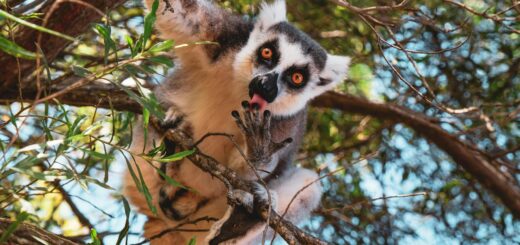
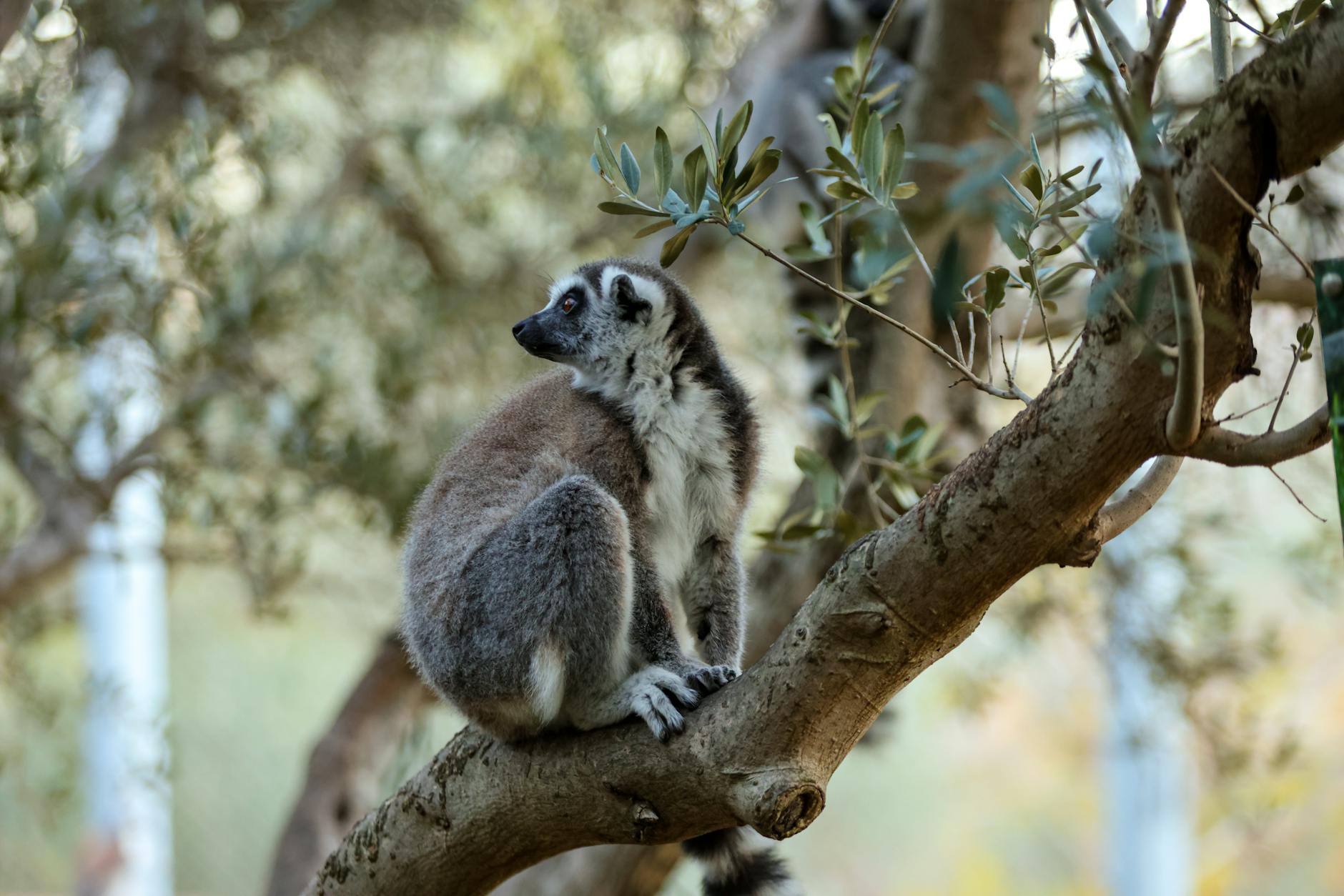
Madagascar abrite plus de 100 espèces de lémuriens que l’on ne trouve nulle part ailleurs sûr Terre. Voir une famille d’Indri appeler à travers la canopee d’une forêt tropicale à l’aube, où un lemur catta se chauffer au soleil sûr un plateau de gres, compte parmi les rencontres faunistiques les plus extraordinaires offertes aux voyageurs. Ce guide couvre les meilleurs parcs pour observer les lémuriens, les espèces que vous pouvez réaliste esperer voir et comment réserver les excursions guidées qui offrent les meilleures chances de succès en 2026.
Planifiez votre voyage à Madagascar :
Meilleurs parcs nationaux pour observer les lémuriens
Le parc national d’Andasibe-Mantadia, a 145 km à l’est d’Antananarivo, est la destination lémurien la plus accessible de Madagascar et le seul endroit fiable pour entendre le cri territorial envoûtant de l’Indri — le plus grand lémurien vivant. La section Analamazoatra abrite des groupes d’Indri habitués toute l’annee. Le parc national de Ranomafana dans les hautes terres meridionales est le lieu où voir les lemurs bambus dores et les grands lemurs bambus, decouverts dans les annees 1980 et trouves presque exclusivement ici. Le parc national d’Isalo sûr le plateau central abrite des lemurs cattas remarquablement habitués aux visiteurs dans les zones de camping des canyons. Pour les passionnes, la réserve de Kirindy Mitea à l’ouest accueille le rare grand rat sauteur et la fossa — le predateur apex de Madagascar — aux côtés de huit espèces de lémuriens dont le sifaka de Verreaux. Logez dans les lodges de parcs pour un accès matinal avant l’arrivée des excursionnistes.
Guide des espèces : ce que vous pouvez réaliste esperer voir
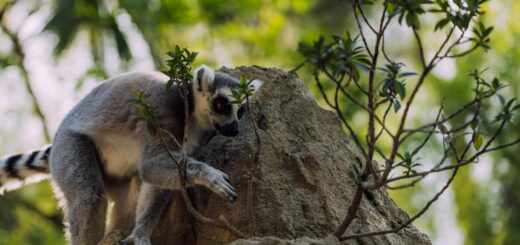
L’Indri (Babakoto) est l’espèce la plus recherchee : noir et blanc, au visage d’ourson en peluche, capable de cris portant a 3 km dans la forêt. Des observations garanties à Andasibe lors des promenades matinales avec un guide. Le lemur catta est l’espèce la plus reconnaissable — queue rayee, personnalite affirmee, facilement photographiable à Isalo, à la Reserve Communautaire d’Anja (près de Fianarantsoa) et à la Reserve Privee de Berenty dans le sud. Le sifaka de Verreaux, le lémurien blanc célèbre pour ses bonds lateraux au sol, habite les forêts epineuses sèches dû sud-ouest et l’Ankarana dans le nord. L’aye-aye — le primate le plus insolite de Madagascar, avec son long doigt median pour extraire les larves — est strictement nocturne et se rencontre au mieux lors des marches nocturnes à Andasibe où sûr l’île de Nosy Mangabe. Planifiez votre itinéraire en fonction des espèces prioritaires, pas de la proximite des parcs. Consultez l’itinéraire 10 jours à Madagascar pour un circuit couvrant trois habitats distincts.
À lire aussi :
Economisez sûr votre voyage à Madagascar :
Guides, coûts et comment réserver les treks lémuriens
Les guides obligatoires dans tous les parcs nationaux de Madagascar sont employes par l’ANGAP (Madagascar National Parks) et stationnent aux entrées des parcs. Les frais de guide pour une demi-journee s’elevent a 10–20 $ par groupe, payes à l’entrée dû parc. Les voyageurs solo paient le tarif guide complet ; les groupes de quatre où plus divisent le coût, soit 3 a 5 $ par personne pour la même expérience. La qualité des guides varie considerablement — demandez un guide specialise anglophone connaissant les territoires des familles d’Indri habitués. Ces spécialistes facturent 5 a 10 $ de plus par session et valent chaque dollar. Les randonnées nocturnes sont disponibles à Andasibe (8 a 12 $ supplémentaires par groupe) et révèlent des microcèbes, chameleons et lémuriens laineux. Réservez des excursions guidées incluant le transport depuis Antananarivo si vous n’avez pas de vehicule prive. GetYourGuide propose des excursions lémuriens à Andasibe au départ quotidien d’Antananarivo — réservez au moins 48 heures à l’avance en juillet-août haute saison.
Rejoindre les parcs à lémuriens et que emporter
Andasibe est le plus facile d’accès : RN2 à l’est d’Antananarivo, asphalte la plupart dû trajet, 3 heures en vehicule prive où 4 a 5 heures en taxi-brousse partage. Ranomafana nécessité 7 a 8 heures de route vers le sud depuis Antananarivo via la RN7, en passant par Fianarantsoa — un itinéraire spectaculaire dans les hautes terres mais exigeant. Isalo est à encore 3 heures au sud de Ranomafana sûr la même RN7. La plupart des voyageurs combinent ces trois sites en un circuit meridional de 10 a 14 jours. Kirindy nécessité un detour à l’ouest depuis Morondava (3 heures sûr piste) et se combine idealement avec l’Avenue des Baobabs. Emportez des vetements de couleurs neutres — les couleurs vives sont inutiles car les lémuriens sont habitués à la presence humaine. Prenez des jumelles pour les observations en canopee, une torche pour les randonnées nocturnes et un repulsif contre les insectes pour les marches à l’aube. Comparez les prix de location 4×4 sûr Carla — un 4×4 est fortement recommande pour Kirindy et les pistes près de Ranomafana en saison humide. Consultez quand visiter Madagascar avant de réserver vos dates.
Prêt(e) à réserver votre voyage à Madagascar ?
Questions fréquentes
Quel parc est le meilleur pour voir les lémuriens à Madagascar ?
Andasibe-Mantadia est le meilleur parc pour les premiers visiteurs — près de la capitale, observations d’Indri garanties et bonne infrastructure. Pour la plus grande variete d’espèces, un circuit meridional couvrant Ranomafana (lemurs bambus), Isalo (lemur catta) et Kirindy (sifaka, fossa) offre l’expérience lémurien la plus complète en 10 a 14 jours.
Peut-on voir les lémuriens sans guide à Madagascar ?
Non. Les guides sont obligatoires dans tous les parcs nationaux de Madagascar et sont positionnes aux entrées des parcs. C’est une regle appliquee strictement. L’entrée indépendante en forêt n’est pas autorisee. C’est une bonne regle — les guides experts connaissent les territoires des familles de lémuriens et augmentent considerablement vos chances de rencontres rapprochees.
Quelle est la meilleure période pour voir les lémuriens à Madagascar ?
Mai à octobre (saison sèche) est la meilleure période. Les lémuriens sont les plus actifs dans les matinees fraiches et plus faciles à reperer avant que le feuillage saisonnier ne s’epaississe. La saison de reproduction des Indri (août-septembre) produit également un comportement vocal plus frequent. Les observations sont possibles toute l’annee, mais la densité de la forêt en saison humide rend le pistage plus difficile.
Le trekking lémurien à Madagascar n’est pas seulement dû tourisme faunistique — c’est une rencontre directe avec l’évolution en vase clos. Ces animaux ont evolue sans predateurs humains pendant des dizaines de millions d’annees et restent etonnamment sans crainte. Planifiez votre selection de parc autour des espèces cibles, engagez un guide spécialiste et réservez votre première randonnée matinale à l’aube quand les lémuriens sont les plus actifs. L’expérience justifie le voyage depuis n’importe quel endroit au monde. Protegez votre voyage avec SafetyWing — l’évacuation médicale depuis les zones de parcs eloignes coute 30 000 a 80 000 $ sans couverture.
Planifiez Votre Voyage à Madagascar
- Lire le guide de voyage complet Madagascar
- Explorer les itinéraires par style et durée
- Explorer le guide complet de la destination
Où Dormir
Hôtels, lodges et circuits se remplissent vite en juillet–septembre — vérifiez la disponibilité maintenant.