Backpacking Madagascar 2026: The Complete Independent Travel Guide
Affiliate disclosure: This article contains sponsored links to hotels, tour operators, insurance providers, and other travel services. We earn a small commission if you book through our links, at no extra cost to you.
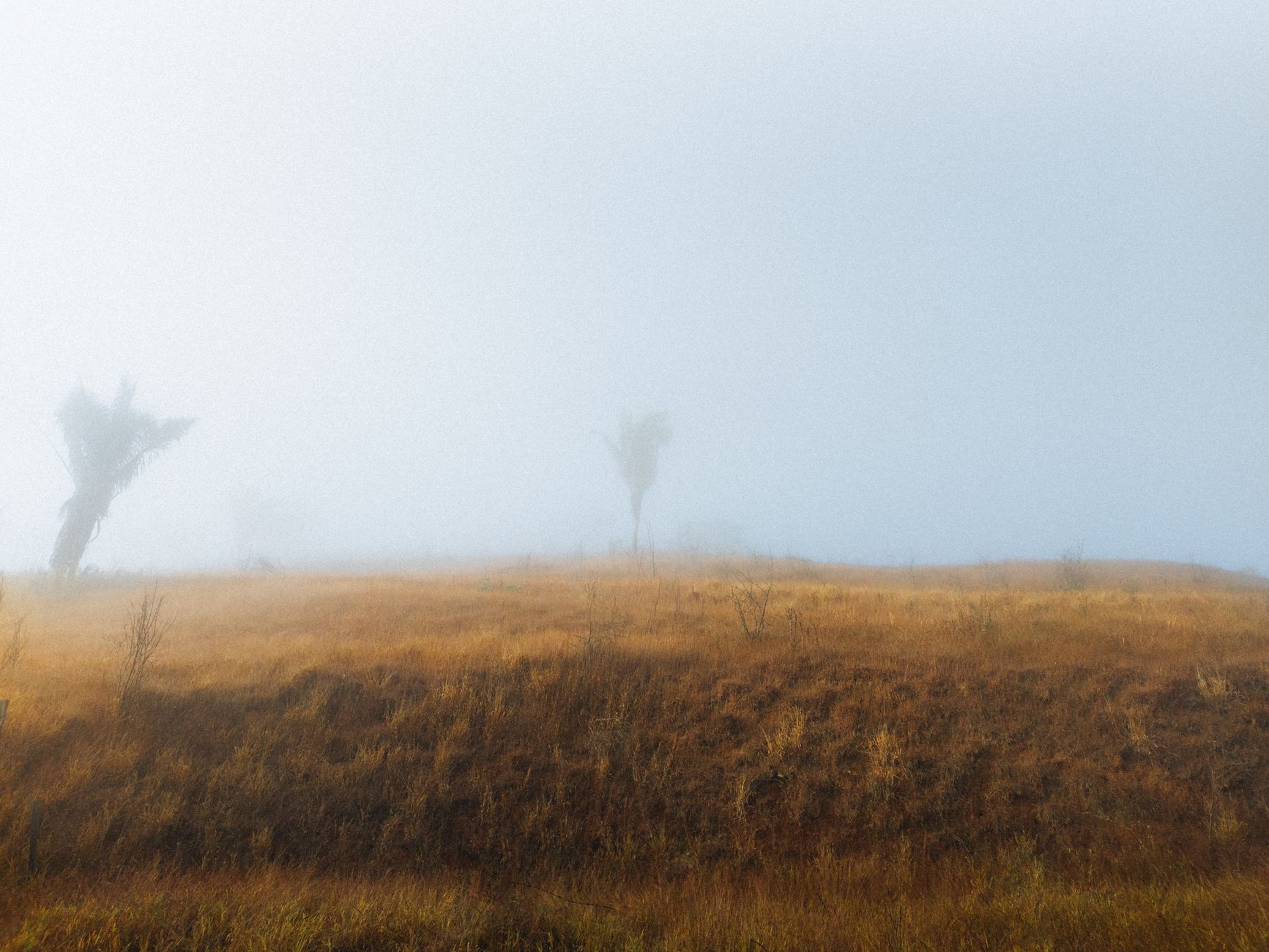
Backpacking Madagascar 2026 — At a Glance
- The reality: rewarding but demanding — slow transport, basic infrastructure, and a small but friendly traveller scene
- Getting around: the taxi-brousse (shared bush taxi) is the backpacker’s lifeline — cheap, slow, and authentic
- The classic route: the RN7 from Antananarivo to Tuléar, the backbone of independent travel
- Where to sleep: guesthouses and a small hostel scene in the main hubs
- Who it suits: independent, flexible travellers with time and patience — not those in a hurry
- Find group tours: GetYourGuide Madagascar for shared trips to the parks
- Flight protection: EU261 €600 per passenger on disrupted European inbound flights
- Travel insurance: SafetyWing Nomad Insurance — cheap, flexible, and essential for backpackers
- Where to stay: budget stays in Madagascar on Agoda
🎒 Madagascar Trip Essentials
A few inexpensive items make the biggest difference on the ground in Madagascar:
- Picaridin insect repellent — DEET-free protection against malaria mosquitoes. See on Amazon →
- Permethrin clothing spray — treat clothes; kills mosquitoes on contact for weeks. See on Amazon →
- Pop-up mosquito net — budget lodges rarely provide one; packs down tiny. See on Amazon →
- Water filter bottle — tap water isn’t safe to drink in Madagascar. See on Amazon →
- Universal travel adapter (USB-C) — Madagascar uses European-style plugs. See on Amazon →
- 8×42 binoculars — essential for spotting lemurs and chameleons in the canopy. See on Amazon →
As an Amazon Associate we earn from qualifying purchases.
Backpacking Madagascar is one of the more adventurous trips a budget traveller can take — rewarding, authentic, and utterly unlike the well-oiled backpacker trails of Southeast Asia. This is a place where you travel by taxi-brousse on slow, bumpy roads, sleep in simple guesthouses, eat where the locals eat, and see wildlife found nowhere else on Earth, all for a fraction of the cost of a comfortable tour — but with far more time, patience, and flexibility required. This guide is your practical how-to for backpacking Madagascar independently: how to get around, where to sleep, the best routes, what to pack, how to connect with other travellers, and how to stay safe and healthy on the road. For the bigger budget picture, see our Madagascar budget travel guide.
Backpacking here is not about ticking off a polished trail; it is about embracing the slow, unpredictable, deeply rewarding reality of independent travel in one of the world’s wildest countries. The infrastructure is basic and the distances are long, so a backpacking trip rewards those who come with time, an open mind, and a sense of adventure. Do that, and Madagascar delivers experiences — and a sense of genuine discovery — that the comfortable, packaged version cannot. Below, the practical detail on doing it well. For the honest costs, see our budget trip cost guide; this guide also builds on our long-running notes on backpacking Madagascar solo.
Getting Around: The Taxi-Brousse
The taxi-brousse (literally “bush taxi”) is the backbone of backpacking Madagascar — the shared minibuses and vans that connect virtually every town in the country, and how most Malagasy travel. It is cheap, it goes nearly everywhere, and it is an experience in itself: crowded, slow, unpredictable, and intensely social. For backpackers, mastering the taxi-brousse is the key to travelling Madagascar independently and affordably, and while it tests your patience, it also delivers some of the most memorable and authentic moments of a trip.
A few things to know. Taxi-brousses leave from a station (gare routière) when full, not on a fixed schedule, so departures can involve long waits — buy your ticket, claim your seat, and be prepared to wait until every space is sold. Journeys take far longer than the distance suggests, thanks to rough roads, frequent stops, and breakdowns, so a “five-hour” trip may take all day. Seats vary in comfort (aim for ones near the front, away from the cramped back), and you can usually pay a little extra for a better spot. Bring water, snacks, layers, and patience. Long-distance routes may run overnight. It is rarely comfortable, but it is cheap, authentic, and connects the whole country — the essence of backpacking here. A few habits ease the experience: arrive at the gare routière early to claim a good seat, ask other passengers or the driver roughly how long the trip takes, accept that “departing soon” is elastic, and treat the whole thing with humour rather than frustration. The shared meals at roadside stops, the conversations, and the ever-changing scenery are part of why many travellers come to love the taxi-brousse despite — or because of — its unpredictability.
For longer or harder legs, backpackers sometimes supplement the taxi-brousse with the occasional shared 4WD (to reach places public transport doesn’t, like the Tsingy) or a rare budget domestic flight (to skip a punishing multi-day overland slog). The art is using the cheap taxi-brousse for most of the trip while occasionally splitting a vehicle with other travellers for the spots it can’t reach. Compare vehicle rental on Carla if a group of you wants to share a 4WD for a leg. A useful middle option on some routes is the taxi-be or larger coach-style bus, which is a little more comfortable and reliable than the minibus taxi-brousse on the main paved routes, for a slightly higher (but still budget) fare — worth knowing for the longer hauls when you want a marginally easier ride.
Where to Sleep
Backpacker accommodation in Madagascar means guesthouses and a small but growing hostel scene. In every town and at every park gateway, cheap guesthouses (chambres d’hôtes) offer basic, clean rooms for very little — the mainstay of a backpacking trip. In the bigger towns and traveller hubs, hostels offer dorm beds even cheaper, plus the invaluable bonus of meeting other backpackers to share tours, transport, and tips with. Browse budget stays on Agoda, and ask locally or in hostels for the cheapest options, which often aren’t listed online.
Standards are basic but adequate: expect a simple room, a fan, a mosquito net (essential), and often a shared or cold-water bathroom at the cheapest places. The social hostels in the hubs are where the backpacker scene comes alive — a place to swap stories, find travel companions, and arrange shared transport, which is the single biggest money-saver on the road. For more on the hostel and backpacker-social scene, see our guide to backpacking Madagascar solo. Booking ahead is wise in peak season for the popular hostels, but elsewhere you can often just turn up. A good habit is to ask your current guesthouse or fellow travellers for a recommendation at your next stop — word of mouth surfaces the best-value, friendliest places far better than any booking site, and a quick phone call ahead secures a room. The cheapest beds reward a bit of local legwork over online convenience.
The Best Backpacking Routes
Madagascar’s geography and transport shape where backpackers go. The standout routes:
The RN7 (the classic)
The RN7, the paved road from Antananarivo south to Tuléar, is the backbone of backpacking Madagascar — a single route, served by frequent taxi-brousse, linking a string of the country’s best stops: Antsirabe, Ranomafana, Fianarantsoa, Ambalavao and Anja, Isalo, and the coast at Tuléar and Ifaty. It packs highland towns, rainforest, ring-tailed lemurs, canyons, and beaches into one overland journey, all doable independently and cheaply over two to three weeks. It is the obvious first backpacking route, and the easiest way to see a lot. The beauty of it for backpackers is the linearity: you simply hop from town to town down a single paved road, with frequent taxi-brousse connections, guesthouses at every stop, and no need to backtrack — making it the most logistically forgiving route in the country. Many backpackers travel it in stages with others met along the way, sharing park guides and the occasional vehicle. See our RN7 guide.
Andasibe and the east
A short, easy add-on from the capital, Andasibe is reachable by taxi-brousse on the paved RN2 and delivers the indri and other lemurs — the backpacker’s accessible wildlife fix. The eastern route can continue to the coast at Toamasina and the Pangalanes Canal for the more adventurous. Andasibe makes an easy two- or three-day round trip from Antananarivo, so even backpackers short on time can fit in the indri before or after the RN7, making it the perfect complement to a southern trip. See our eastern Madagascar guide.
The north (Nosy Be and Diego)
The far north — Diego Suarez (Antsiranana) and the islands around Nosy Be — is reachable overland (a long haul) or by budget flight, with backpacker guesthouses, beaches, and adventure (Amber Mountain, Ankarana). It is more of a commitment to reach independently, but rewarding for backpackers with time. The overland haul north from the capital is long — several days by taxi-brousse — so many budget travellers take a cheap domestic flight one way to save time, then explore the north slowly. Nosy Be itself, despite its resort reputation, has budget guesthouses and a backpacker scene, and the surrounding islands and the far-north adventures (Amber Mountain, Ankarana, the Emerald Sea) reward the effort of getting there. See our northern Madagascar guide.
The west (for the determined)
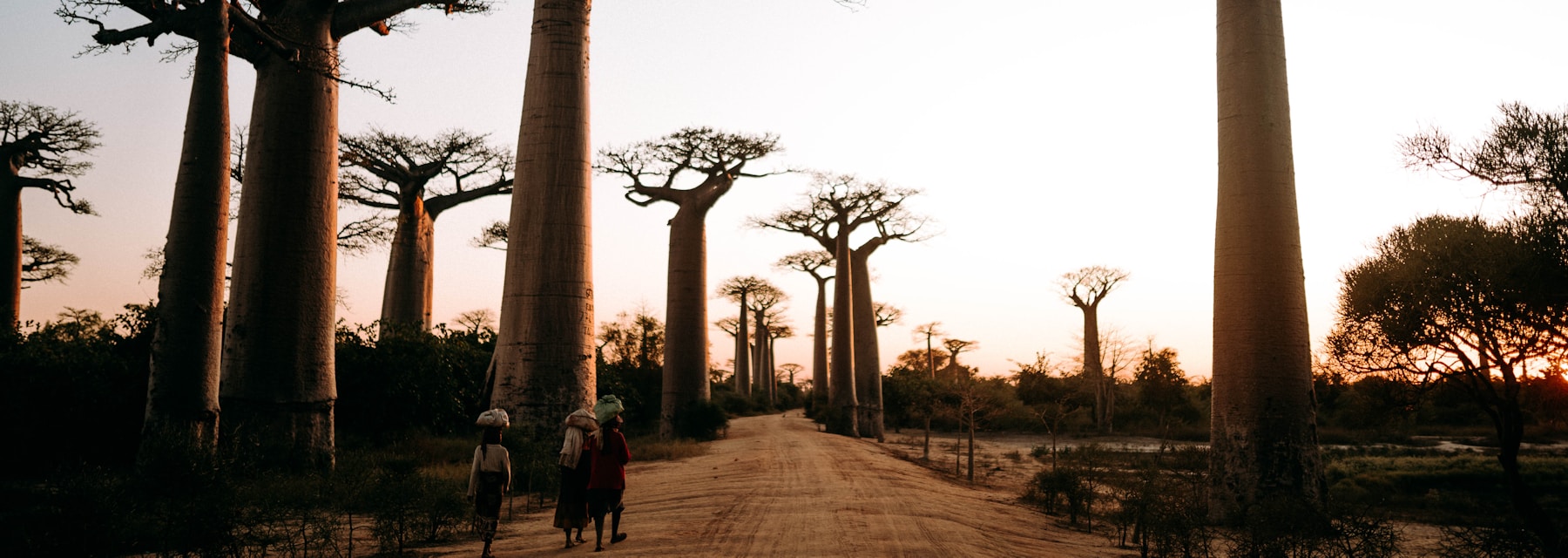
The west — Morondava, the Avenue of the Baobabs, the Tsingy — is the hardest region to backpack, with long, rough journeys and limited public transport beyond Morondava. Determined backpackers reach the Avenue via Morondava and share a 4WD onward to the Tsingy, but this is the most challenging and costly area to do independently. Many backpackers save it for a future, less budget-constrained trip. That said, the Avenue of the Baobabs alone is reachable on a budget — a long taxi-brousse (or cheap flight) to Morondava, then a shared taxi or tuk-tuk out to the Avenue for sunset — so even budget travellers can tick off Madagascar’s most iconic sight without the full, costly western circuit. It is the deeper west, the Tsingy beyond, that demands the shared 4WD and the bigger spend.
What to Pack for Backpacking Madagascar
Pack light but practical. The essentials: a comfortable backpack, sturdy walking shoes (for the parks), light layers plus a warmer one for cool highland nights and air-conditioned taxi-brousse chills, and rain protection for the wetter regions. For health and comfort: a good mosquito net (some guesthouses lack one) and strong repellent, antimalarials, a thorough first-aid kit, sun protection, and a reusable water bottle (with a filter or purification, to cut both cost and plastic). A head torch is invaluable for night walks and frequent power cuts.
Other useful items: a padlock for dorm lockers and budget rooms, a power bank (power can be unreliable), copies of documents, a basic French or Malagasy phrasebook (English is limited off the tourist trail), and small denominations of cash for transport and food. Pack snacks for long taxi-brousse journeys. Travelling light makes the constant transitions — on and off bush taxis, in and out of guesthouses — far easier, and you can buy most basics locally. The golden rule of backpacking Madagascar is to carry less than you think you need and more patience than you think you’ll use. One more tip: pack a small daypack for the parks and day trips, so you can leave the main bag at your guesthouse — and a dry bag or large ziplock to protect electronics from dust on the taxi-brousse and rain in the forests. Laundry is cheap and widely available, so there is no need to over-pack clothes.
Connecting With Other Travellers
One of the smartest things a backpacker can do in Madagascar is connect with other travellers, because sharing costs — especially the expensive vehicle-and-guide hires for harder-to-reach spots — dramatically cuts the per-person price. The hostels in the main hubs (Antananarivo, Nosy Be, the RN7 towns) are the natural meeting points, and online traveller groups and forums help too. Teaming up with others to share a 4WD to the Tsingy, a guide at a park, or a boat to an island turns an unaffordable splurge into a manageable cost, and adds companionship to the adventure. Because the traveller numbers are small and everyone is heading along broadly the same routes, the people you meet early in a trip often reappear further along it, and loose plans to “share a vehicle to the next park” form naturally over a beer in a hostel, and a solo arrival can quickly become a small travelling group.
Beyond the savings, the backpacker scene, though small compared with Southeast Asia, is friendly and tight-knit precisely because Madagascar is off the beaten track — the travellers you meet have all chosen somewhere wilder and harder, and the camaraderie is real. Many backpackers form travel partnerships along the RN7, sharing the route and the costs for days or weeks. Being open, sociable, and willing to team up is both a money-saver and one of the pleasures of backpacking here. For the social scene in detail, our backpacking solo guide has more. Solo backpackers in particular benefit hugely from teaming up, since so many costs (vehicles, guides, twin rooms) are far cheaper split two or more ways — the “solo tax” is real in Madagascar, and finding travel companions is the simplest way to beat it. A noticeboard in a hostel or a post in a Madagascar travel group often turns up others heading the same way.
How Long Do You Need?
Because backpacking Madagascar is slow, time is the most important resource. The taxi-brousse turns short distances into long days, and the country is large, so a backpacking trip needs noticeably more time than a comfortable private-vehicle tour to cover the same ground. As a rough guide: a two-week trip is enough to backpack the core of the RN7 (Antananarivo down to Tuléar, with the main park stops) plus a quick Andasibe add-on, travelling at a sensible pace. A three-week trip allows the same with more breathing room, deeper stops, and perhaps the north or a beach stretch. A month or more opens up the harder regions and a truly unhurried, immersive trip.
The mistake to avoid is under-allowing time and ending up rushing — or, worse, blowing the budget on flights to make up for lost days. Backpacking Madagascar rewards a slow, flexible approach, with buffer days built in for the inevitable delays, breakdowns, and changes of plan. If your time is genuinely limited, it is often better to backpack one region well (the RN7 alone is a superb two-week trip) than to spread thin across the island. The travellers who enjoy it most are those who give themselves the time the slow transport demands, and treat the journey itself — not just the destinations — as part of the adventure.
Backpacking Budget: What to Expect
A realistic backpacking budget in Madagascar, travelling cheaply on the ground, is roughly €30–60 per person per day — covering taxi-brousse transport, guesthouse or dorm beds, local food, and modest park fees and shared guides. This is more than rock-bottom Southeast Asia but achievable with discipline, and the figure drops when you share transport and guides with others, and rises if you take the occasional flight or splurge on a comfortable night. On top of the daily budget sit the largely fixed costs: the international flight, travel insurance, and antimalarials.
The biggest variable, as ever in Madagascar, is transport: stick to the taxi-brousse and your daily cost stays low; take flights or private vehicles and it climbs fast. Park fees and compulsory guides are a real but modest line — budget for them, pay willingly, and share guides where possible. Food and basic lodging are cheap. A disciplined backpacker who travels slowly, shares costs, and eats local can see a great deal of Madagascar for a modest daily spend — the country is expensive to rush but affordable to savour. For a full breakdown of the numbers, see our budget trip cost guide.
Eating and Daily Life on the Road
Daily life as a backpacker in Madagascar revolves around the local rhythm: cheap, filling meals of rice and a topping at hotely, fresh fruit and snacks from markets, early starts to catch the taxi-brousse, and evenings spent with other travellers or resting before the next leg. Eating local is both the cheap option and a highlight — the food is good, the markets vivid, and mealtimes a window into everyday Malagasy life. Bottled water is cheap and essential; carry enough for long journeys where stops are unpredictable.
Beyond food and transport, backpacking life here means embracing a slower, more basic, more sociable way of travelling: power cuts and cold showers are common, schedules are loose, and plans change with the roads and the weather. But it also means rich encounters — with the wildlife, with fellow travellers, and above all with Malagasy people, who are warm and welcoming to those who travel their way. The backpacker who leans into this rhythm, rather than fighting it, finds Madagascar one of the most rewarding and authentic destinations anywhere. A few words of French or Malagasy go a long way, and a patient, good-humoured attitude is the backpacker’s most valuable asset on the road here.
Staying Safe and Healthy
Backpacking Madagascar is generally safe with sensible precautions, but a few things matter. On health: malaria is present in many areas, so antimalarials and mosquito protection are essential (a travel clinic visit before you go is a must), as are up-to-date vaccinations; drink only bottled or purified water, and be sensible with food. Healthcare is limited outside the capital, which makes good insurance vital. On safety: watch your belongings on the taxi-brousse and in busy stations and markets, where opportunistic theft is the main risk; avoid walking unfamiliar areas after dark; keep valuables secure and out of sight; and follow local advice. Petty theft, not violence, is the main concern, and basic vigilance handles it.
Crucially for backpackers, travel insurance is non-negotiable and cheap — covering medical emergencies and evacuation, which can cost tens of thousands of euros from a remote area and would dwarf any backpacking budget. SafetyWing Nomad Insurance is popular with backpackers and long-term travellers for being flexible and affordable, and it is the one expense no backpacker should skip. Confirm it covers your activities (hiking, etc.) and remote-area evacuation before you go. With sensible health and safety habits, backpacking Madagascar is a manageable and hugely rewarding adventure. A few practical safety habits help: keep your valuables in a money belt or hidden pouch on travel days, split your cash and cards between bags, photograph your documents and store copies online, and trust the advice of guesthouse owners and guides about which areas to avoid after dark. Travelling slowly and staying alert to your surroundings — rather than anxious — is the right balance; the overwhelming majority of backpackers have entirely trouble-free trips.
When to Backpack Madagascar
The best time to backpack is the dry season (April–November), when the roads are at their most passable — crucial when you depend on the taxi-brousse — and the weather is reliable for wildlife and beaches. The shoulder months (April–May, October–November) are ideal for backpackers: good conditions, fewer crowds, and lower prices on the budget guesthouses and group tours. July and August are the busiest, so the cheap beds and shared tours fill faster, though the backpacker scene is also liveliest then.
The wet season (December–March) is the cheapest time and the quietest, but it is the hardest for backpackers: heavy rains turn many unpaved roads to mud, taxi-brousse routes can be cut, and travel becomes slow and unpredictable even by Madagascar’s standards. The paved RN7 stays passable, so a wet-season RN7 trip is feasible for the hardy, but the remoter regions are best avoided then. For most backpackers, the dry-season shoulder months offer the best balance of cost, conditions, and quiet — the sweet spot for an independent trip. See our best time to visit guide for the full seasonal detail.
Getting There and Travelling Well
Madagascar is reached by connecting flights via Europe, the Gulf, or Africa, landing at Antananarivo — usually the biggest single cost of a backpacking trip, so book early and compare fares. Protect it on European routes, where EU261 entitles you to up to €600 per passenger for long delays, cancellations, and denied boarding; register your inbound flight for EU261 coverage with AirAdvisor, which is free and a welcome bonus on a tight budget. From the capital, the taxi-brousse network takes you everywhere cheaply; for shared 4WD legs, compare rental on Carla and split the cost.
Travel insurance is a small, essential cost — covering the medical emergencies and remote-area evacuation that could otherwise end a budget trip in disaster. SafetyWing Nomad Insurance is inexpensive, flexible (you can start and extend it on the road), and well suited to backpacking and long-term travel. Confirm it covers your activities and evacuation before you travel; it is the cheapest peace of mind you’ll buy.
Carla / Voyagiste Madagascar (plan the tricky bits)
Even committed backpackers sometimes want help with the hard parts — reaching the Tsingy, arranging a shared vehicle for a leg public transport doesn’t cover, or slotting one comfortable or guided segment into an independent trip. Our Madagascar-resident specialist can advise on routes, help arrange a shared vehicle and guide where it makes sense, and fill the gaps the taxi-brousse leaves. Contact Carla directly for honest, local advice on doing Madagascar independently and affordably — including how to reach the spots that are hardest to backpack.
Frequently Asked Questions
Is Madagascar good for backpacking?
Yes, for independent, flexible travellers with time and patience — it is rewarding and authentic, but demanding, with slow transport and basic infrastructure, far from the polished backpacker trails of Southeast Asia. See our budget travel guide.
How do backpackers get around?
Mainly by taxi-brousse (shared bush taxi) — cheap, slow, crowded, and the lifeline of independent travel — supplemented by occasional shared 4WDs and budget flights for harder legs.
What’s the best backpacking route?
The RN7 from Antananarivo to Tuléar — a single paved road served by taxi-brousse, linking highland towns, rainforest, lemurs, canyons, and beaches, doable over two to three weeks. See our RN7 guide.
Are there hostels in Madagascar?
Yes — a small but growing hostel scene in the main hubs offers cheap dorms and a place to meet other backpackers to share costs, alongside abundant cheap guesthouses everywhere.
Is it safe to backpack Madagascar?
Generally yes, with sensible precautions — petty theft (not violence) is the main risk, so watch belongings on transport and in busy areas. Good insurance and malaria precautions are essential.
Do I need travel insurance to backpack Madagascar?
Absolutely — it is cheap and covers medical evacuation that could cost tens of thousands of euros. Comprehensive coverage is the one thing no backpacker should skip.
🧭 Backpacking Madagascar? Get Local Help With the Hard Parts
From reaching the Tsingy to arranging a shared vehicle for a tricky leg — local know-how fills the gaps the taxi-brousse leaves. Reach out to Carla, our Madagascar-resident specialist, for honest advice on doing Madagascar independently and affordably.
Plan Your Trip to Madagascar
- Read the full Madagascar Travel Guide
- Explore itineraries by style and duration
- Explore the full destination guide
Where to Stay