Café de Madagascar : régions de production, meilleurs grains et où en acheter
Cet article contient des liens affiliés. Nous percevons une petite commission sans frais supplémentaires pour vous.
En bref
- Production annuelle : ~40 000 tonnes — Madagascar est le 25e producteur mondial de café
- Variété dominante : Robusta (~98 %) — l’Arabica ne pousse que dans des micro-zones d’altitude
- Principales régions : côte est (Tamatave–Vatomandry–Mananjary), certaines parties de l’Itasy et la région SAVA
- Spécialité premium : Coffea kianjavatensis et Bourbon Pointu — espèces endémiques rares
- Meilleures marques à goûter : Soavoanio, Café Robert, micro-lots torréfiés à Tamatave
- Où acheter : supermarchés, torréfacteurs spécialisés d’Antananarivo, duty-free de l’aéroport
- Hôtel de base : Voir les hôtels à Antananarivo sur Agoda
- Assurance voyage : SafetyWing
🎒 L’essentiel pour Madagascar
Quelques articles bon marché changent tout sur le terrain à Madagascar :
- Répulsif à la picaridine — sans DEET, contre les moustiques du paludisme. Voir sur Amazon →
- Spray perméthrine vêtements — tue les moustiques au contact pendant des semaines. Voir sur Amazon →
- Moustiquaire pop-up — rare en hébergement économique; se plie très petit. Voir sur Amazon →
- Gourde filtrante — l’eau du robinet n’est pas potable à Madagascar. Voir sur Amazon →
- Adaptateur universel (USB-C) — Madagascar utilise des prises de type européen. Voir sur Amazon →
- Jumelles 8×42 — indispensables pour repérer lémuriens et caméléons. Voir sur Amazon →
En tant que Partenaire Amazon, nous réalisons un bénéfice sur les achats éligibles.
Madagascar est un pays de café que la plupart des voyageurs ignorent parce que l’île est, à juste titre, célèbre pour sa vanille et ses lémuriens. Pourtant, les basses terres de la côte est cultivent du café commercial depuis plus d’un siècle, et une petite scène spécialisée produit aujourd’hui des lots single-origin à chercher — comme souvenir et comme révélation quotidienne au petit-déjeuner pendant votre séjour.
Le café à Madagascar : la réalité Robusta vs Arabica
Environ 98 % du café malgache est du Robusta (Coffea canephora), cultivé à basse altitude le long de la côte est chaude et humide. Le Robusta présente plus de caféine, un corps plus puissant et un profil plus amer et boisé que l’Arabica — c’est le cheval de trait des assemblages espresso européens et le style dominant que vous rencontrerez dans tout café ou hotely malgache. Attendez-vous à un café fort, sombre et corsé à chaque petit-déjeuner, sauf si vous commandez explicitement un Arabica.
Les 2 % restants sont de l’Arabica (Coffea arabica), cultivé dans de petites zones d’altitude — l’Itasy à l’ouest d’Antananarivo, des secteurs de la région d’Andasibe et quelques parcelles spécialisées dans le sud. Madagascar est aussi le berceau génétique de plusieurs espèces de Coffea endémiques — notamment le Coffea kianjavatensis et la renaissance historique du Bourbon Pointu, traçable à la même lignée que celle qui a fondé la légendaire tradition café de La Réunion. Ces lots spécialisés se vendent à prix premium, principalement chez les petits torréfacteurs d’Antananarivo. Les champs de café se voient depuis la route au sud de Tamatave, sur la branche est de notre itinéraire de 10 jours à Madagascar.
Principales régions de production
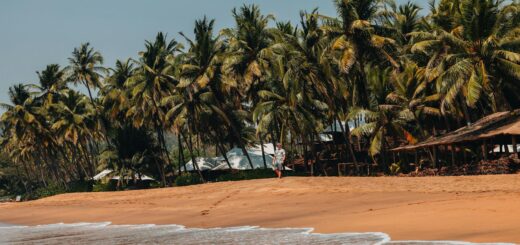
Le corridor de la côte est, de Tamatave (Toamasina) vers le sud par Vatomandry, Mahanoro et Mananjary, est le bastion historique du Robusta malgache — basses terres plates, humides, 0–500 m d’altitude, idéales pour l’espèce. En empruntant la RN5 ou la RN2 au sud de Tamatave, vous traversez des champs de café entrecoupés de plantations de vanille et de rizières. Beaucoup de fermes sont des parcelles de moins de deux hectares, vendues à des coopératives régionales qui se chargent du séchage et de l’exportation.
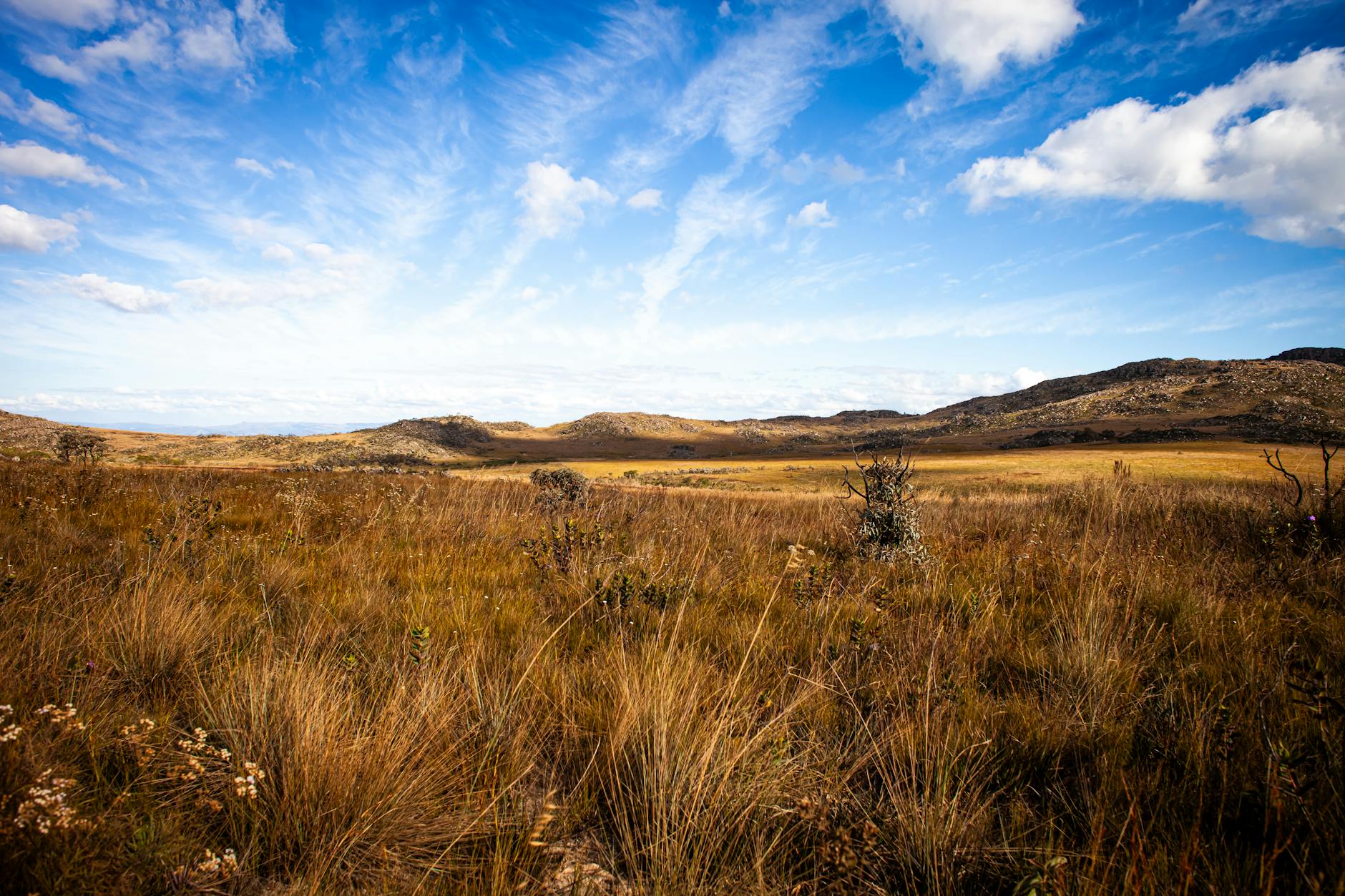
L’Itasy (à l’ouest d’Antananarivo, autour du lac Itasy à 1 200 m) est la zone Arabica la plus accessible — assez proche de Tana pour une excursion à la journée et désormais terrain de plusieurs opérations spécialisées. La SAVA (le nord-est célèbre pour la vanille, Sambava–Antalaha–Vohémar–Andapa) produit aussi du Robusta et un peu d’Arabica à plus haute altitude près du massif du Marojejy. La coopérative de Sambava expérimente la replantation de Bourbon Pointu sous ombrage. Pour vous loger en explorant ces régions, cherchez Antananarivo comme base sur Agoda.
Meilleures marques et torréfacteurs spécialisés
Soavoanio est la marque de qualité la plus largement distribuée — un Robusta de milieu de gamme vendu en sachets de 250 g dans les supermarchés à 12 000–18 000 MGA. Café Robert est une marque quotidienne légèrement moins chère, omniprésente dans les hotely. Pour de la vraie spécialité, cherchez les lots single-origin de Tamatave Coffee Company, les grains issus du renouveau Bourbon de Lazan’i Sambava, et les artisans torréfacteurs des quartiers Tsaralalana et Antaninarenina d’Antananarivo.
Cafés de spécialité à visiter à Antananarivo : Le Glacier (avenue de l’Indépendance), Cookie Shop (Ankorondrano) et L’Atelier Antananarivo à Isoraka — tous travaillent l’Arabica local et tirent de vrais espressos. Comptez 5 000–10 000 MGA l’espresso, le double pour un flat white. À Tamatave, le Café Hôtel Joffre sur le front portuaire sert les torréfactions locales à leur fraîcheur. Accompagnez votre tournée avec notre guide budget Madagascar.
Où acheter du café à ramener
Trois niveaux selon le budget. Niveau supermarché — Shoprite, Score, Leader Price proposent Soavoanio, Café Robert et quelques marques importées. Un paquet de 250 g coûte 12 000–25 000 MGA. Acceptable, sans plus. Torréfacteurs spécialisés — achetez directement aux cafés listés ci-dessus, où le grain entier fraîchement torréfié coûte 25 000–50 000 MGA les 250 g. C’est ici que se révèle la véritable différence aromatique. Demandez un emballage sous vide si vous repartez dans la semaine.
Marchés et porte de ferme — le marché central de Tamatave vend du grain vert et torréfié sans marque issu de fermes locales aux prix les plus bas mais sans garantie de qualité. Le marché d’Analakely à Antananarivo a des étals similaires. Pour les grains les plus rares (Bourbon Pointu, Coffea kianjavatensis), précommandez via L’Atelier Antananarivo ou un concierge d’hôtel spécialisé. Le duty-free d’Ivato propose une petite sélection de marques malgaches à prix premium — pratique mais sans spécialité. Croisez votre liste de courses avec notre guide de la bière THB si vous montez un coffret-cadeau complet de boissons malgaches.
Vol retardé ou annulé ? Les correspondances long-courrier vers Madagascar sont fréquemment perturbées. Vérifiez votre réclamation gratuitement sur AirAdvisor — les passagers éligibles peuvent recevoir jusqu’à 600 €.
Questions fréquentes
Le café malgache est-il surtout Arabica ou Robusta ?
Environ 98 % du café malgache est du Robusta — fort, amer, boisé — cultivé le long de la côte est chaude. Seulement 2 % environ est de l’Arabica, limité à des zones d’altitude comme l’Itasy et certaines parties de la SAVA. Les espèces endémiques de spécialité comme le Bourbon Pointu et le Coffea kianjavatensis existent mais en volumes minuscules.
Quel est le meilleur café malgache à ramener ?
Pour la qualité courante, un sachet de 250 g de Soavoanio dans n’importe quel Shoprite. Pour quelque chose de mémorable, des grains sous vide chez L’Atelier Antananarivo ou Tamatave Coffee Company — tous deux ont des lots single-origin qui voyagent bien. Pour l’expérience la plus rare, précommandez un micro-lot Bourbon Pointu via un concierge d’hôtel spécialisé.
Où boire le meilleur café à Antananarivo ?
Le Glacier sur l’avenue de l’Indépendance, le Cookie Shop à Ankorondrano et L’Atelier Antananarivo à Isoraka sont les trois références pour un espresso bien tiré à base d’Arabica local. Comptez 5 000–10 000 MGA l’espresso, comparable à un café européen de milieu de gamme.
Le café est le cadeau le moins cher et le plus simple à ramener de Madagascar — et goûter les torréfactions du pays, du Robusta de hotely au Bourbon Pointu de L’Atelier, est l’un des plaisirs les plus sous-estimés du voyage. Emballez les grains sous vide dans votre bagage en soute et protégez-les avec vos vêtements. Avant de prendre l’avion, assurez-vous que votre assurance couvre l’évacuation médicale à Madagascar — les coûts atteignent 80 000 dollars. Consultez les offres de SafetyWing.
Assurance voyage pour Madagascar
Une évacuation médicale depuis Madagascar peut coûter entre 30 000 et 80 000 USD. Ne partez pas sans couverture.
- SafetyWing — assurance médicale voyage par abonnement mensuel ; vous pouvez consulter leurs offres.
- World Nomads — assurance voyage à voyage unique avec options d’activités d’aventure.
Planifiez Votre Voyage à Madagascar
- Lire le guide de voyage complet Madagascar
- Explorer les itinéraires par style et durée
- Explorer le guide complet de la destination
Où Dormir