Écosystèmes de Madagascar : Forêt Pluviale, Forêt Sèche, Zones Humides et Récifs Coralliens
Cet article contient des liens affiliés. Nous percevons une petite commission sans frais supplémentaires pour vous.
En bref
- Où dormir : Disponibilités hôtels sur Agoda — Madagascar
- Excursions : Excursions Madagascar sur GetYourGuide
🏖 Kit plage & snorkeling
Pour les îles et récifs malgaches, emportez :
- Rashguard anti-UV UPF50 — protection solaire toute la journée, dans l’eau ou non. Voir sur Amazon →
- Pochette étanche téléphone — IPX8 pour bateaux, plages et snorkeling. Voir sur Amazon →
- Sac étanche — garde vos affaires au sec en bateau. Voir sur Amazon →
- Serviette microfibre — compacte, sèche vite sous la chaleur. Voir sur Amazon →
- Crème solaire respectueuse des récifs — vous protège et préserve le corail. Voir sur Amazon →
En tant que Partenaire Amazon, nous réalisons un bénéfice sur les achats éligibles.
Madagascar renferme cinq grands écosystèmes distincts au sein d’une seule île : forêt pluviale orientale, forêt sèche déciduale occidentale, désert épineux méridional, plateau des hautes terres et habitats marins côtiers. Chacun abrite un ensemble totalement différent d’espèces endémiques. Comprendre quel écosystème abrite quelles espèces permet aux voyageurs d’associer leurs intérêts à la bonne région et à la bonne saison, plutôt que de visiter le parc le plus populaire sans savoir ce qui le rend véritablement unique.
Planifiez votre voyage à Madagascar :
Forêt Pluviale Orientale — le Moteur de la Biodiversité
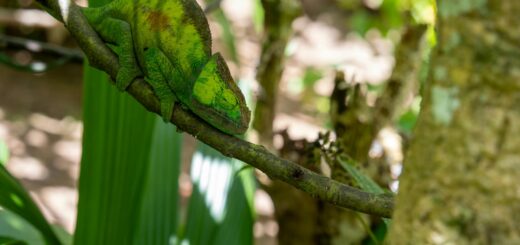
Le couloir de forêt pluviale orientale est l’écosystème terrestre le plus riche de Madagascar. Il couvre une bande étroite le long de l’escarpement oriental, de Marojejy au nord jusqu’à Andohahela au sud. Andasibe-Mantadia, Ranomafana et Masoala sont les trois sections les plus visitées. Cet écosystème reçoit entre 2 000 et 4 000 mm de pluie annuellement et abrite plus de 80 % des espèces terrestres endémiques de Madagascar. La canopée atteint en moyenne 25 à 35 mètrès de hauteur avec une couverture arborée quasi continue. Les orchidées épiphytes, les fougères arborescentes et les mousses créent de multiples strates d’habitats verticaux qui accueillent caméléons, geckos et lémuriens arboricoles à différentes hauteurs. La saison des pluies de novembre à avril connaît l’activité biologique la plus intense, mais les sentiers sont plus difficiles. Les visites en saison sèche entre juin et octobre sont plus accessibles à pied, mais certaines espèces se retirent en forêt profonde.
Forêt Sèche Déciduale Occidentale — le Royaume de la Fossa
La forêt sèche occidentale est radicalement différente de la forêt pluviale orientale. Les arbres sont caducs et perdent totalement leurs feuilles pendant la saison sèche de juin à septembre, rendant la faune beaucoup plus facile à repérer sous une canopée ouverte. La Forêt de Kirindy est la porte d’entrée accessible à cet écosystème — à quatre heures de route de Morondava. Les espèces emblématiques incluent la fossa, le rat sauteur géant, le lémur brun à front rouge et le microcèbe à queue grasse. Les baobabs de six espèces différentes du genre Adansonia sont les icônes architecturales de ce paysage. Les précipitations annuelles tombent en dessous de 800 mm dans cette région, concentrées entièrement entre novembre et avril. La saison sèche crée des paysages dégagés et contrastés, idéaux pour la photographie et l’observation de la faune. Très peu de touristes explorent la forêt sèche occidentale au-delà de Kirindy et de Tsingy de Bemaraha, ce qui en fait un circuit bien moins fréquenté malgré une densité faunistique exceptionnelle.
À lire aussi :
Economisez sur votre voyage à Madagascar :
Désert Épineux Méridional — Plantes Endémiques et Adaptation Extrême
La forêt épineuse méridionale est unique sur Terre. Présente au sud de Toliara et s’étendant vers l’est jusqu’à Fort-Dauphin, elle est dominée par la famille des Didiéracées — des arbres ressemblant à des cactus introuvables ailleurs sur la planète. Les euphorbes atteignent ici de cinq à dix mètrès de hauteur et peuplent le Parc National de Zombitse-Vohibasia et la Réserve privée de Berenty. Le lémurien à queue annelée est le mammifère le plus visible — à Berenty, des individus habitués marchent à quelques mètrès des visiteurs. Les précipitations annuelles tombent en dessous de 400 mm dans cette zone. La tortue radiée, endémique en danger critique d’extinction, a une population résidente à Berenty. Les communautés de pêcheurs Vezo sur la côte adjacente maintiennent une culture de pirogues à voile inchangée depuis des sièclés. La visite de mai à octobre offre les meilleures conditions d’observation de la faune sauvage.
Écosystèmes Marins — Récifs, Herbiers et Pleine Mer
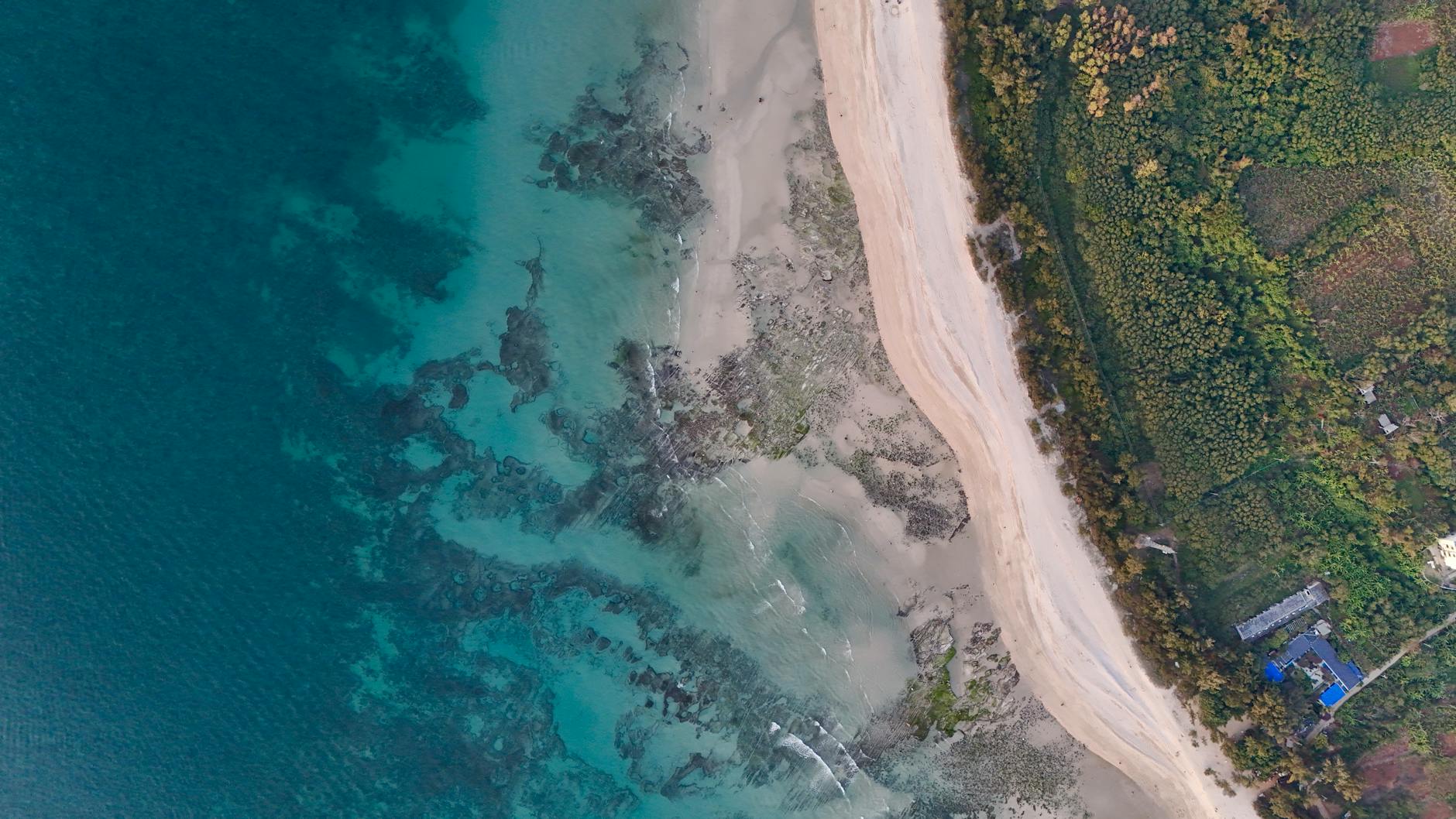
La côte occidentale de Madagascar fait face au Canal du Mozambique et abrite l’un des systèmes récifaux les plus riches en biodiversité de l’océan Indien. Nosy Tanikely, près de Nosy Be, est l’aire marine protégée la plus visitée — la plongée avec tuba y garantit tortues de mer, requins de récif et poissons perroquets en quelques minutes. La côte orientale présente des systèmes récifaux moins développés en raison des vagues plus fortes et des apports sédimentaires liés à la déforestation continue. Les herbiers dans les baies autour de Toliara et d’Ifaty abritent dugongs et hippocampes. Les agrégations de requins baleines au large de Nosy Be d’octobre à décembre sont dues aux blooms de plancton associés aux courants saisonniers du Canal du Mozambique. Les baleines à bosse migrent dans le canal à côté de l’Île Sainte-Marie de juillet à septembre — l’un des sites d’observation des baleines les plus fiables au monde. Les tortues de mer nichent sur les plages nord-ouest d’octobre à février.
Prêt(e) à réserver votre voyage à Madagascar ?
Questions fréquentes
Quel écosystème de Madagascar possède le plus d’espèces uniques ?
La forêt pluviale orientale abrite le plus grand nombre total d’espèces endémiques. Cependant, la forêt épineuse méridionale présente la plus grande proportion d’espèces introuvables ailleurs sur Terre — presque toutes ses espèces végétales sont endémiques à cette seule région.
Peut-on visiter plusieurs écosystèmes lors d’un même voyage ?
Oui. Un itinéraire de deux semaines peut couvrir trois écosystèmes : forêt pluviale orientale (Andasibe ou Ranomafana), forêt sèche occidentale (Kirindy) et milieu marin (Nosy Be). Chacun nécessite une approche de voyage différente pour des conditions optimales.
Comment le changement climatique affecte-t-il les écosystèmes de Madagascar ?
La forêt pluviale orientale a perdu 40 % de sa superficie depuis 1950 à cause de l’agriculture sur brûlis. Des épisodes de blanchissement des coraux en 2016 et 2020 ont endommagé des sections du récif occidental. La fréquence des sécheresses augmente dans le désert épineux méridional. Payer les droits d’entrée des parcs nationaux finance directement la conservation de ces habitats menacés.
Les écosystèmes de Madagascar ne sont pas interchangeables — chacun requiert une approche de planification différente, une saison différente et des attentes différentes. Les voyageurs qui tirent le meilleur parti de cette île sont ceux qui consacrent du temps à rechercher quel écosystème abrite les espèces qu’ils souhaitent le plus observer, puis construisent leur itinéraire autour de cette réponse plutôt que de se rabattre sur le parc le plus commenté dans un guide touristique.
Planifiez Votre Voyage à Madagascar
- Lire le guide de voyage complet Madagascar
- Explorer les itinéraires par style et durée
- Explorer le guide complet de la destination
Où Dormir
Hôtels, lodges et circuits se remplissent vite en juillet–septembre — vérifiez la disponibilité maintenant.