Masoala Peninsula Rainforest: The Last Untouched Jungle in Madagascar
This post contains affiliate links. We may earn a small commission at no extra cost to you.
At a Glance
- Where to stay: Check hotel availability on Agoda — Antananarivo
- Book tours: Browse Madagascar tours on GetYourGuide
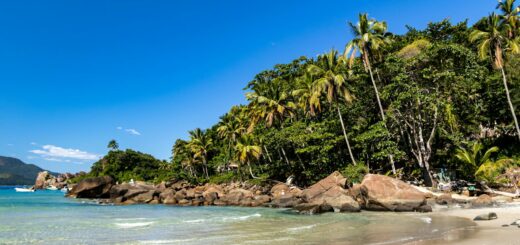
The Masoala Peninsula contains the largest intact block of lowland tropical rainforest remaining in Madagascar. Covering 2,300 square kilometres along the northeast coast, Masoala National Park protects an extraordinary convergence of terrestrial and marine ecosystems. Helmet vasa parrots, red ruffed lemurs, and aye-ayes inhabit primary forest that has never been selectively logged. For travelers willing to endure the logistics, Masoala delivers a wilderness encounter unlike anything else in the Indian Ocean region.
Recommended Gear for Your Madagascar Wildlife Trip
You’re Flying 10,000km to See Lemurs, Chameleons, and Fossa — Don’t Document It With a Phone Camera
Indri lemurs calling across the canopy of Andasibe. Panther chameleons in electric blue and orange. The fossa spotted on a night walk in Kirindy. A smartphone sensor in low rainforest light produces grainy, blurred images. The Sony a6400 with Real-Time Eye Autofocus locks onto animal eyes instantly — even through undergrowth and low light. APS-C sensor, 4K video, flip-up touchscreen.
Check current price and availability on Amazon →
Madagascar Has Over 100 Species of Lemur and 280 Species of Bird — You’ll Miss Most of Them Without Binoculars
Sifaka lemurs leap between canopy trees 30 metres up. The Madagascar fish eagle perches on a branch 200 metres across a lake. Without binoculars, you’re looking at distant shapes and taking your guide’s word for it. The Vortex Diamondback HD 10×42 delivers HD optical clarity with edge-to-edge sharpness. Waterproof, fog-proof, backed by Vortex’s unconditional lifetime warranty.
Check current price and availability on Amazon →
Madagascar Goes Completely Dark After Sunset — Don’t Navigate It Blind
Outside of Antananarivo’s main streets, Madagascar has virtually no street lighting. Wildlife walks in Ankarana, night lemur spotting in Ranomafana, the path to your bungalow — all navigated in total darkness. The Black Diamond Spot 400-R delivers 400 lumens with a 100-metre beam, USB-C rechargeable, IPX8 waterproof, with red night-vision mode for wildlife observation without disturbing animals.
Check current price and availability on Amazon →
Madagascar Has Some of the Highest Malaria Risk in the World
The rainforests of Andasibe, the wetlands of Morondava, the rice paddies outside every village — mosquitoes are relentless and bite at dusk and dawn. DEET burns skin and destroys gear. Natrapel 20% Picaridin is the CDC-recommended alternative that repels mosquitoes, ticks, and sandflies for up to 12 hours without damaging your equipment.
Check current price and availability on Amazon →
No Grid, No Problem — Charge Your Devices From the Sun in Madagascar’s Remote Parks
Marojejy. Andringitra. Tsingy de Bemaraha. Madagascar’s most spectacular parks are its most isolated — no power outlets, no phone signal. A 3-day wilderness circuit means running on whatever charge you left camp with. The BLAVOR Solar Power Bank pairs 10,000mAh with a fold-out solar panel that recharges itself from sunlight as you trek.
Check current price and availability on Amazon →
Plan your Madagascar trip:
What Makes Masoala Different from Other Madagascar Parks
Masoala is Madagascar’s largest national park and its most biologically complex. The peninsula encompasses three separate marine protected areas along its coastline, meaning snorkelling and diving are part of the same permit system as forest trekking. The park protects 11 species of lemur, over 100 species of reptile, and more than 60 species of amphibian. Primary forest here is genuinely ancient — the canopy structure, emergent trees, and understory density reflect centuries of undisturbed growth rather than secondary regrowth. Masoala receives over 4,000 millimetres of rainfall per year, which drives its exceptional biodiversity but also creates genuine access challenges. This is not a park designed for comfort. It rewards travelers who accept wet conditions, muddy trails, and long boat journeys as the price of seeing Madagascar in its most uncompromised form.
Wildlife You Can Expect to See at Masoala
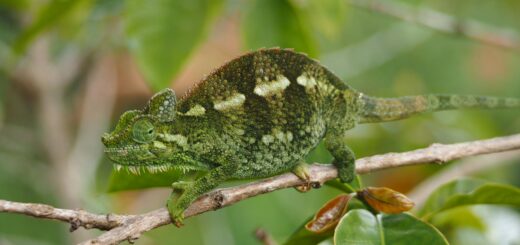
The red ruffed lemur is Masoala’s most emblematic species — endemic to the Masoala Peninsula and nowhere else on earth. Troops of 6–8 individuals occupy high forest canopy and are frequently located by guides in the morning. Aye-ayes are present and occasionally sighted on nocturnal walks, though encounters require patience and multiple nights. Fossa tracks and signs are observed regularly, and nocturnal surveys reveal mouse lemurs, chameleons, and a remarkable diversity of frogs including the tomato frog in wetter zones. Humpback whales pass the peninsula during July and August, and the adjacent marine reserve holds hawksbill turtles year-round. Birdlife includes the helmet vasa parrot, Malagasy kingfisher, short-legged ground-roller, and the Masoala subspecies of the Madagascar serpent eagle, all within walking distance of forest camps.
Read also:
Save money on your Madagascar trip:
How to Get to Masoala Peninsula
Masoala is only accessible by boat or by light aircraft. The nearest town is Maroantsetra, which is served by Tsaradia domestic flights from Antananarivo and Toamasina. Flights from Tana take approximately 90 minutes and run several times per week, though scheduling is unreliable and cancellations are frequent during rainy season. From Maroantsetra, a motorised pirogue or speedboat takes 2–4 hours to cross Baie d’Antongil to reach the park’s main entry points at Ambanizana or Cap Est. Sea conditions can prevent crossing for days at a time between December and March. Advance coordination with a lodge or local operator is essential — independent arrival without a pre-arranged boat and guide is not practical. Budget at least three to four nights minimum; one-day visits deliver almost nothing of the park’s depth.
Where to Stay in Masoala National Park
Accommodation options inside and adjacent to Masoala are deliberately limited to preserve the park’s character. Masoala Forest Lodge near Tampolo is the most established option, offering six bungalows at approximately $300–450 USD per person per night including meals, guides, and park fees. It is one of Madagascar’s most respected conservation lodges and a significant portion of revenue supports community employment. Chez Arol in Ambanizana village offers simpler guesthouse accommodation at $30–50 USD per night with meals available. Camping inside the park is permitted with ANGAP authorisation and is the cheapest option at 5,000 Ariary per person per night, but requires all equipment to be carried by boat. All visitors must pay national park entry fees of 25,000 Ariary per day plus additional marine reserve fees if accessing the coastal zone.
Ready to book your Madagascar trip?
Frequently Asked Questions
Is Masoala National Park worth visiting?
Yes, for experienced travelers seeking genuinely wild rainforest. It requires significant logistics and at least 3–4 nights, but offers wildlife encounters — including red ruffed lemurs and aye-ayes — found nowhere else.
How do I get to Masoala National Park?
Fly to Maroantsetra via Tsaradia from Antananarivo, then take a motorised boat across Baie d’Antongil (2–4 hours). Pre-arrange your boat and accommodation — independent arrival is not practical.
What is the best time to visit Masoala?
May to October offers the most manageable conditions. July–August adds humpback whale sightings offshore. The park is technically open year-round but December–March is extremely wet with frequent boat cancellations.
Masoala Peninsula stands apart from every other park in Madagascar. Its scale, biodiversity, and genuine remoteness place it in the same category as the world’s great rainforest destinations. The logistics are demanding — Maroantsetra flights, boat crossings, and wet trails are part of the experience — but travelers who commit to Masoala encounter a rainforest largely unchanged from the one that existed before humans arrived on Madagascar. Few places in the Indian Ocean offer anything comparable.
Flight delayed or cancelled? Flights to Madagascar often connect through Paris or Nairobi. EU regulation EC 261 may entitle you to up to €600 in compensation. Check your claim free on AirAdvisor →
Plan Your Trip to Madagascar
- Read the full Madagascar Travel Guide
- Explore itineraries by style and duration
- Explore the full destination guide
Where to Stay
Hotels, lodges, and tours fill fast for July–September — compare availability now.