Madagascar Safety Travel Tips Guide: How to Explore the Island with Confidence
At a Glance
- Where to stay: Check hotel availability on Agoda — Madagascar
- Book tours: Browse Madagascar tours on GetYourGuide
This post contains affiliate links. We may earn a small commission at no extra cost to you.
Traveling to Madagascar is an unforgettable experience filled with extraordinary wildlife, vibrant culture, and landscapes that feel almost otherworldly. Yet, like any destination combining vast geography, developing infrastructure, and remote regions, it requires solid preparation to ensure a smooth, secure journey.
This guide covers everything you need to know to travel safely in Madagascar – from understanding the main risks to practical day-to-day tips for urban areas, transport, health, and emergencies.
Don’t skip travel insurance
Health & Safety Essentials for Madagascar
Madagascar Has Some of the Highest Malaria Risk in the World
The rainforests of Andasibe, the wetlands of Morondava, the rice paddies outside every village — mosquitoes are relentless and bite at dusk and dawn. DEET burns skin and destroys gear. Natrapel 20% Picaridin is the CDC-recommended alternative that repels mosquitoes, ticks, and sandflies for up to 12 hours without damaging your equipment.
Check current price and availability on Amazon →
Madagascar’s Water Will Make You Sick — Unless You’re Carrying This
Tap water in Madagascar is not safe to drink anywhere — and the real danger is viruses (cholera, typhoid, hepatitis A) that standard filters don’t remove. The Grayl GeoPress removes viruses, bacteria, protozoa, and heavy metals in one 8-second press. Fill from any tap or river. Press. Drink. No chemicals, no waiting.
Check current price and availability on Amazon →
A Lighter Way to Never Pay for Bottled Water Again in Madagascar
Trekking through Isalo, cycling the RN7 — bottled water is bulky, expensive, and gone in an hour under Madagascar’s sun. The LifeStraw Go filters bacteria, parasites, and microplastics directly through the straw as you drink. No pumping, no waiting, no chemicals. Under $35 — the lightest way to guarantee safe hydration across Madagascar.
Check current price and availability on Amazon →
Medical evacuation from Madagascar can cost $30,000-$80,000. Both operators below cover remote destinations.
- SafetyWing – monthly subscription, covers evacuation
- World Nomads – best for adventure travel
Is Madagascar Safe for Travelers?
Madagascar is generally safe for tourists who take basic precautions. Most visits are trouble-free, and the majority of travelers experience nothing more than minor inconveniences such as delays or logistical challenges. The key to staying safe lies in awareness, preparation, and adaptability.
Main Safety Concerns
Petty Crime
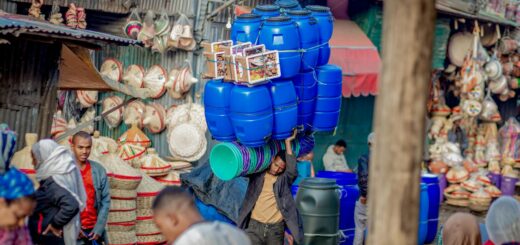
Petty theft is the most common issue, especially in crowded areas: markets, taxi-brousse stations, and busy streets in Antananarivo. Keep valuables out of sight, use anti-theft bags, and avoid displaying expensive items openly.
Night Safety
Walking at night in certain areas – particularly major cities – is not recommended. Use taxis instead of walking after dark, and stay in well-lit, populated areas. Avoid isolated streets entirely after sunset.
Road Safety
Road conditions in Madagascar can be challenging. Risks include poorly maintained roads, unpredictable driving behavior, and limited lighting outside cities. Avoid traveling at night, hire experienced drivers, and choose reputable transport services.
Read also:
Health and Medical Safety
Healthcare infrastructure is limited outside major cities. Common concerns include malaria, dengue fever, and food/waterborne illnesses. Use mosquito repellent and nets, drink bottled or purified water, and avoid raw or undercooked food. Travel insurance with medical evacuation coverage is strongly recommended.
Safe Areas vs Areas Requiring Extra Caution
Generally safe: National parks such as Andasibe-Mantadia, coastal destinations like Nosy Be, and organized tours with reputable guides.
Extra vigilance needed: Certain neighborhoods in Antananarivo, remote urban outskirts, and busy transport hubs. Traveling with a local guide in unfamiliar areas significantly enhances safety.
Transportation Safety
Taxi-brousse: Avoid overcrowded vehicles, keep belongings close, and travel during daytime. Domestic flights are generally safe and reduce risks associated with long road journeys. Private drivers are the safest and most comfortable option for long distances.
Money and Financial Safety
Madagascar operates largely on cash. Carry small denominations, use hotel safes when available, and avoid withdrawing large sums at once. ATMs are available in major cities but can be unreliable – always have backup cash.
Cultural Awareness
Madagascar has unique cultural practices, including “fady” (regional taboos). Dress modestly in rural areas, respect local traditions, and learn a few basic phrases in French or Malagasy – it goes a long way in building goodwill and trust.
Natural Hazards
Cyclone season: January to March – avoid traveling during this period if possible. Wildlife: Do not touch or feed animals, follow park regulations, and always stay with guides during excursions.
Best tours and activities in Madagascar
Book in advance – popular guided tours fill up weeks ahead.
Solo and Family Travel
Solo travelers: Share your itinerary, avoid isolated areas, stay in reputable accommodations, and join guided tours when possible. Families: Choose comfortable accommodations, avoid very long road journeys with young children, and keep a basic medical kit on hand.
Emergency Preparation
Before traveling: register with your embassy, save local emergency numbers, and carry copies of important documents. Pack a first aid kit, mosquito repellent, portable charger, and flashlight.
Common Mistakes to Avoid
- Underestimating travel times between destinations
- Walking alone at night in cities
- Ignoring local advice from guides or hotel staff
- Not carrying enough cash
- Skipping travel insurance
FAQ – Madagascar Safety Tips
Is Madagascar safe for tourists? Yes, with proper precautions. Most travelers have safe, enjoyable trips.
What is the biggest safety concern? Petty theft in urban areas is the most common issue.
Is it safe to travel at night? Best to avoid traveling or walking at night, especially in cities.
Are national parks safe? Yes, national parks are generally very safe, especially with mandatory guides.
Do I need travel insurance? Yes – comprehensive coverage including medical evacuation is essential.
Conclusion
Madagascar demands respect and preparation rather than fear. By understanding the environment, adapting to local conditions, and making informed decisions, you can enjoy a safe and deeply enriching journey. The island rewards those who approach it with curiosity, patience, and awareness.
Ready to plan your Madagascar adventure?
Affiliate link – commission earned at no extra cost to you.
Flight delayed or cancelled? Flights to Madagascar often connect through Paris or Nairobi. EU regulation EC 261 may entitle you to up to €600 in compensation. Check your claim free on AirAdvisor →
Getting Around: Madagascar has no reliable public transit — independent travel requires a 4WD. Compare 4WD rentals in Antananarivo on Carla →
Plan Your Trip to Madagascar
- Read the full Madagascar Travel Guide
- Explore itineraries by style and duration
- Where to See Lemurs in Madagascar
Where to Stay