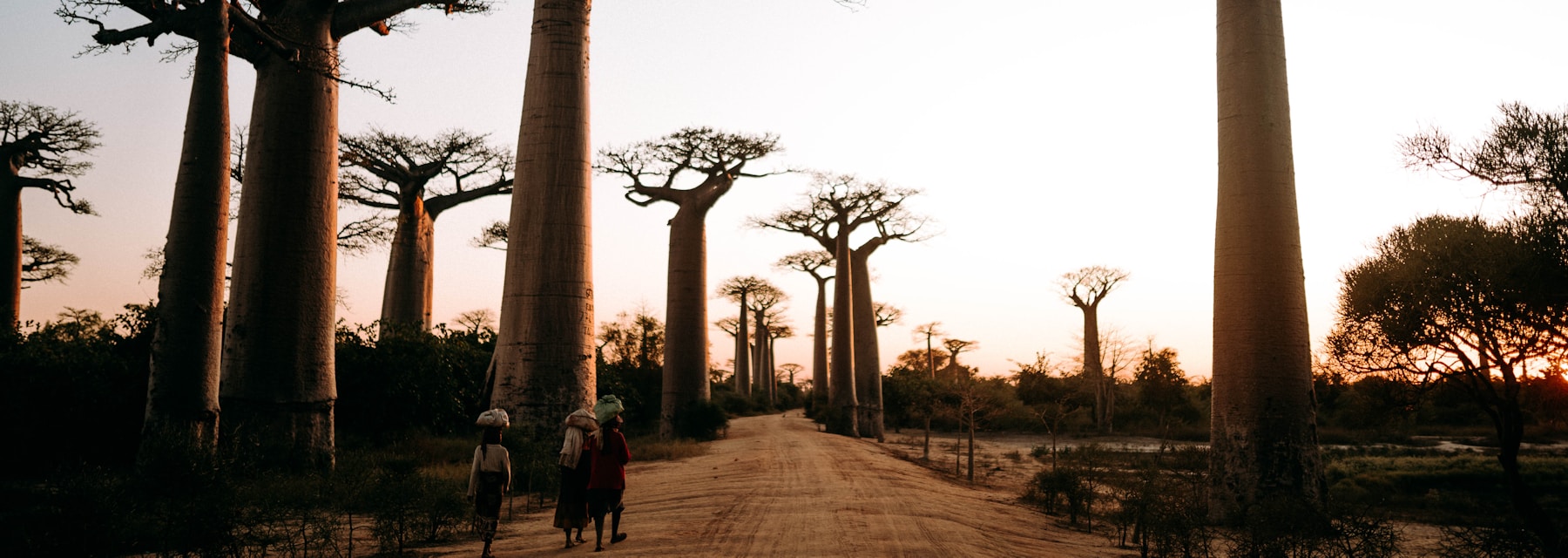
Madagascar vs Costa Rica vs Borneo Birding 2026: Honest Comparison for Serious Birders
Affiliate disclosure: This article contains sponsored links to hotels, tour operators, insurance providers, and other travel services. We earn a small commission if you book through our links, at no extra cost to you.
Madagascar vs Costa Rica vs Borneo Birding 2026 — At a Glance
- Madagascar strengths: 5 entirely endemic bird families (found nowhere else), highest endemic family count globally, distinctive evolutionary lineages, lifelist family additions impossible elsewhere
- Costa Rica strengths: 900+ species, most developed birding infrastructure globally, easy access, high species count per trip, comfortable logistics
- Borneo strengths: Bornean endemics, hornbills, pittas, exceptional rainforest, orangutan integration, Southeast Asian biodiversity
- Madagascar drawback: Lower total species count, more difficult logistics, fewer operators, harder international access
- 14-day birding tour cost comparison: Madagascar $5,800-$9,500 solo; Costa Rica $4,200-$7,500 solo; Borneo $5,500-$9,000 solo
- Best for endemic family additions: Madagascar (clear winner — 5 endemic families)
- Best for total species count: Costa Rica (900+ species, high per-trip totals)
- Best for first-time tropical birders: Costa Rica (easiest infrastructure)
- Insurance: SafetyWing Nomad Insurance Complete — essential for all three destinations
- Flight protection: EU261 €600 per passenger for European inbound flight disruptions
- Madagascar hotels: Antananarivo premium suites on Agoda
🐿 Wildlife-Watching Gear for Madagascar
The right kit turns a good wildlife trip into a great one:
- 8×42 binoculars — essential for spotting lemurs and chameleons in the canopy. See on Amazon →
- Rechargeable headlamp — essential for night walks; red mode won’t disturb wildlife. See on Amazon →
- Trekking poles — ultralight support for long park hikes. See on Amazon →
- Hiking daypack — comfortable pack for water, camera and layers. See on Amazon →
- Picaridin insect repellent — DEET-free protection against malaria mosquitoes. See on Amazon →
As an Amazon Associate we earn from qualifying purchases.
Why This Comparison Matters
Madagascar, Costa Rica, and Borneo represent three of the world’s most distinctive tropical birding destinations, each offering experiences genuinely unavailable at the others. Serious birders planning premium birding trips frequently compare these destinations when deciding where to invest substantial travel time and budget. This article provides honest, structured comparison across the dimensions that matter to birders: endemic value, species count, infrastructure quality, costs, accessibility, and trip experience. For broader Madagascar birding context, see our Best Madagascar Birding & Endemic Species 2026 pillar.
Comprehensive Comparison Table
| Dimension | Madagascar | Costa Rica | Borneo |
|---|---|---|---|
| Total species | 290+ (110+ endemic) | 900+ (small % endemic) | 650+ (~50 Bornean endemic) |
| Endemic families | 5 entirely endemic families | 0 endemic families | 0 endemic families (some regional) |
| Typical 14-day species count | 130-180 | 300-400 | 200-280 |
| Birding infrastructure | Limited (few specialist operators) | Most developed globally | Moderate-developed |
| 14-day tour cost | $5,800-$9,500 | $4,200-$7,500 | $5,500-$9,000 |
| International access | Difficult (via Tana hub) | Easy (direct from US/EU) | Moderate (via KL/Singapore) |
| Mammal integration | Exceptional (lemurs) | Good (sloths, monkeys) | Exceptional (orangutans) |
| Best season | Sep-Nov, Apr-Aug | Dec-April (dry) | Mar-Oct |
Madagascar — The Endemic Family Authority
Madagascar’s birding positioning differs fundamentally because of one factor: five entirely endemic bird families exist nowhere else on Earth. Mesites, ground-rollers, asities, cuckoo-rollers, and vangas represent independent evolutionary lineages. For serious birders building lifelists, Madagascar offers the opportunity to add multiple entirely new bird families in a single trip — impossible at any other destination.
The trade-off: Madagascar’s total species count (290+) is far lower than Costa Rica (900+), birding infrastructure is less developed, and international access is the most difficult of the three. For birders prioritizing endemic family additions and evolutionary distinctiveness, Madagascar is unmatched. For birders prioritizing maximum species count, Madagascar underperforms.
Where Madagascar wins
- Endemic families: 5 entirely endemic families — the highest count globally. No other destination offers multiple new family additions per trip
- Evolutionary distinctiveness: Ancient lineages with no global relatives create genuinely unique observation
- Lemur integration: World-class lemur observation alongside birding unavailable elsewhere
- Uncrowded experience: Far fewer birders than Costa Rica’s developed circuit
- Distinctive photography: Madagascar bird photos are unlike any other destination’s
Where Madagascar loses
- Lower species count: 130-180 species per 14-day trip versus Costa Rica’s 300-400
- Infrastructure: Fewer specialist operators, less developed birding circuit
- Access difficulty: Most complex international travel of the three
- Cost premium: Higher than Costa Rica for fewer total species
- Physical demands: Steep, slippery rainforest trails more demanding than Costa Rica
Costa Rica — The Species Count Champion
Costa Rica is the world’s most developed birding destination. With 900+ species in a small, accessible country, Costa Rica delivers exceptional species count per trip with the world’s most comfortable birding infrastructure. The country’s positioning rests on biodiversity density, developed lodge network, and easy international access.
Where Costa Rica wins
- Species count: 900+ total species; 300-400 observable in a 14-day trip
- Infrastructure: World’s most developed birding lodge network, multiple specialist operators, established circuit
- Accessibility: Direct flights from US/EU, comfortable logistics, English widely spoken
- Variety: Cloud forest, lowland rainforest, dry forest, highlands — extraordinary habitat diversity in compact country
- First-timer friendly: Easiest tropical birding learning curve
- Iconic species: Resplendent quetzal, scarlet macaw, toucans, hummingbird diversity
Where Costa Rica loses
- No endemic families: Zero entirely endemic bird families. For family-completion birders, Costa Rica offers nothing Madagascar does
- Crowding: Developed circuit means popular sites can be crowded
- Less distinctive: Many birders have done Costa Rica — less novelty
- Fewer endemics: Lower endemic percentage than Madagascar’s exceptional endemism
Borneo — The Southeast Asian Rainforest
Borneo (covering Malaysian Sabah/Sarawak, Indonesian Kalimantan, and Brunei) offers exceptional Southeast Asian rainforest birding with distinctive species including hornbills, pittas, and Bornean endemics. The island’s positioning rests on rainforest quality, hornbill diversity, and orangutan integration.
Where Borneo wins
- Hornbills: 8 hornbill species including the spectacular rhinoceros and helmeted hornbills
- Pittas: Multiple pitta species — among the world’s most sought-after birds
- Bornean endemics: ~50 Bornean endemic species
- Orangutan integration: World-class orangutan observation alongside birding
- Rainforest quality: Some of the world’s oldest and most biodiverse rainforests
- Mammal diversity: Proboscis monkeys, pygmy elephants, clouded leopards (rarely seen)
Where Borneo loses
- No endemic families: Bornean endemics at species level, not family level. Madagascar’s family-level endemism unmatched
- Habitat loss concerns: Palm oil deforestation affects some birding areas
- Access complexity: Via Kuala Lumpur or Singapore, then domestic connections
- Challenging conditions: Hot, humid, demanding rainforest conditions
- Species can be difficult: Bornean rainforest birds notoriously elusive
Decision Framework — Which Destination Matches Your Priorities?
Choose Madagascar if…
- Endemic family additions are your priority (5 entirely new families)
- Evolutionary distinctiveness matters more than raw species count
- Lemur observation alongside birding appeals
- You’ve done Costa Rica/Borneo and want something genuinely different
- Uncrowded birding experiences important
- You’re willing to accept harder logistics for unique experiences
Choose Costa Rica if…
- Maximum species count per trip is the goal (300-400 species)
- First international birding trip (easiest infrastructure)
- You want comfortable logistics and easy access
- Habitat variety in compact country appeals
- Budget-conscious (lowest cost of the three)
- Mixed-ability group (Costa Rica accommodates non-birders well)
Choose Borneo if…
- Hornbills and pittas are priority targets
- Orangutan observation alongside birding appeals
- Southeast Asian rainforest experience desired
- You’ve done Neotropical birding and want Old World tropical
- Combining with broader Southeast Asia travel
The Lifelist Mathematics
For lifelist-focused birders, understanding what each destination adds to a global lifelist clarifies the comparison.
Madagascar lifelist value: For a birder who hasn’t been to Madagascar, a comprehensive trip adds 60-120+ lifers including 5 entirely new bird families. The family additions are the rare and valuable component — most birders can add species lifers at many destinations, but adding entire families is possible only at a handful of places globally, with Madagascar offering the most.
Costa Rica lifelist value: For a first-time Neotropical birder, Costa Rica adds 200-350 lifers but zero new families (Neotropical families typically already on lifelists from other Central/South American trips). High species lifer count but no family-level additions.
Borneo lifelist value: For a first-time Southeast Asian birder, Borneo adds 100-200 lifers including some sought-after species (hornbills, pittas, Bornean endemics) but no entirely new families for most birders.
The family-addition premium: For serious lifelist birders, family-level additions are exponentially more valuable than species-level additions. A birder might have 4,000 species but only 200 families on their lifelist — adding 5 families in one Madagascar trip represents a 2.5% family lifelist increase, far more significant than equivalent species additions elsewhere.
Cost Comparison Reality
Madagascar 14-day birding tour: International flights $2,500-$4,500, internal flights/transport $800-$1,400, tour cost (accommodation/guides/meals) $4,800-$8,500, insurance $250-$450. Total: $8,350-$14,850.
Costa Rica 14-day birding tour: International flights $600-$1,400 (cheap from US), tour cost $4,200-$7,500, insurance $180-$350. Total: $4,980-$9,250.
Borneo 14-day birding tour: International flights $1,200-$2,400, internal flights $300-$600, tour cost $5,000-$8,400, insurance $200-$400. Total: $6,700-$11,800.
Costa Rica is consistently most cost-effective, particularly for US-based birders (cheap flights). Madagascar costs most due to international flight premium and complex logistics. The cost differential must be justified by Madagascar’s unique endemic family value for the comparison to favor Madagascar.
Combining Multiple Destinations
For dedicated tropical birders, building lifelists across multiple destinations creates comprehensive global coverage over time.
Costa Rica first (most common): Costa Rica is the standard first tropical birding destination — easiest infrastructure for learning tropical birding. Most serious birders start here.
Madagascar after Costa Rica: After developing tropical birding comfort in Costa Rica, Madagascar delivers the distinctive endemic family experience. The progression Costa Rica → Madagascar is common.
Borneo for Old World tropical: Borneo opens Southeast Asian/Old World tropical families. Often comes after both Neotropical (Costa Rica) and Madagascar experience.
The serious birder progression: Costa Rica (Neotropical introduction) → Madagascar (endemic families) → Borneo (Southeast Asian) builds comprehensive tropical birding portfolio over several years.
Real Birder Decisions
The Lifelist Family-Completion Decision
UK birder, late 50s, 600+ species but focused on family-level additions. Evaluated all three. Costa Rica and Borneo rejected (no new families for this birder). Madagascar chosen specifically for 5 endemic family additions. Outcome: 18-day Madagascar tour, all 5 families added plus 78 species lifers. Reported “Madagascar was the only choice for my family-completion goal — irreplaceable.”
The First Tropical Birding Decision
US birder couple, early 50s, first international birding trip. Considered all three. Madagascar rejected (too difficult for first trip). Borneo rejected (challenging conditions). Costa Rica chosen for accessibility. Outcome: 12-day Costa Rica trip, 340 species observed. Reported “perfect introduction — comfortable infrastructure let us focus on birds, not logistics. Madagascar is on the list for later.”
The Distinctiveness-Seeking Decision
Australian birder, mid-60s, extensive global lifelist including previous Costa Rica and Borneo. Wanted genuinely different experience. Madagascar chosen for endemic family distinctiveness. Outcome: 21-day comprehensive Madagascar tour. Reported “after Costa Rica and Borneo, Madagascar delivered the most distinctive birding of my career — those endemic families exist nowhere else.”
Practical Considerations Beyond Birding
Insurance: All three require comprehensive coverage. SafetyWing Nomad Insurance Complete covers all three with adventure activity riders.
Visa requirements: Madagascar visa-on-arrival. Costa Rica visa-free for most nationalities. Borneo (Malaysia) visa-free for most up to 90 days.
Flight protection: AirAdvisor EU261 protection applies on European inbound flights to all three.
Health considerations: Madagascar and Borneo require malaria prophylaxis for most regions. Costa Rica minimal malaria risk. Yellow fever considerations vary.
Physical demands: Madagascar trails steepest and most demanding. Borneo hot/humid challenging. Costa Rica most accessible.
Habitat and Terrain Comparison
The three destinations differ fundamentally in habitat structure, which affects both the birding experience and physical demands.
Madagascar habitat diversity: Eastern rainforest (Andasibe, Ranomafana, Masoala), western dry deciduous forest (Ankarafantsika), southern spiny forest (Berenty, Ifaty), and highland zones. Each habitat hosts distinct endemic species. The habitat diversity within Madagascar requires multi-region itineraries to encounter the full endemic suite. Terrain ranges from gentle (Andasibe) to demanding (Ranomafana steep trails, Masoala remote access).
Costa Rica habitat diversity: Cloud forest (Monteverde), lowland Caribbean rainforest (Tortuguero, Sarapiquí), lowland Pacific rainforest (Osa Peninsula), dry forest (Guanacaste), and highland zones (Talamanca). Extraordinary habitat diversity in a country smaller than West Virginia. Most habitats accessible with relatively gentle terrain and developed trail systems. The compact geography means short transfers between dramatically different habitats.
Borneo habitat diversity: Lowland dipterocarp rainforest (some of the world’s oldest), montane forest (Mount Kinabalu), mangrove and riverine forest (Kinabatangan River), and heath forest. Borneo rainforest is structurally complex and biodiverse but physically demanding — hot, humid, with challenging access to interior sites. The Kinabatangan River cruises provide accessible birding alongside primate observation.
The Mammal Observation Dimension
For many birders, mammal observation alongside birding meaningfully enhances trips. The three destinations offer dramatically different mammal experiences.
Madagascar mammals: Lemurs are the signature draw — 100+ lemur species found nowhere else. Indri (largest lemur), various sifaka species, ring-tailed lemurs, and nocturnal mouse lemurs all observable during birding. The lemur observation alone draws many travelers; combined with endemic birds, Madagascar delivers exceptional combined wildlife value. Madagascar lacks large predators or megafauna — the wildlife appeal is endemic specialization rather than charismatic megafauna.
Costa Rica mammals: Sloths (two-toed and three-toed), monkeys (howler, spider, capuchin, squirrel), coatis, agoutis, and occasionally more elusive species. Good mammal diversity but less spectacular than Madagascar lemurs or Borneo orangutans. The mammal observation enhances but doesn’t define Costa Rica birding trips.
Borneo mammals: Orangutans are the signature draw — world-class observation at Sepilok and Kinabatangan. Proboscis monkeys, various other primates, pygmy elephants, and (very rarely) clouded leopards. Borneo’s orangutan observation rivals Madagascar’s lemur appeal as a combined wildlife draw.
For travelers prioritizing combined bird-and-mammal experiences, Madagascar (lemurs) and Borneo (orangutans) both deliver exceptional value. Costa Rica’s mammals are good but secondary.
Photography Comparison
Each destination presents distinct bird photography opportunities and challenges.
Madagascar photography: Distinctive subjects (endemic families) make Madagascar photos genuinely unique — helmet vanga, ground-rollers, asities exist nowhere else. Forest conditions are challenging (low light, dense vegetation). Successful Madagascar bird photography requires patience and skill but delivers portfolio images unavailable from any other destination.
Costa Rica photography: Highest-volume photography opportunities. Developed lodge feeders, hummingbird gardens, and habituated species create reliable photography. Resplendent quetzal, toucans, and hummingbird diversity provide accessible spectacular subjects. Best destination for building large bird photography portfolios efficiently.
Borneo photography: Hornbill and pitta photography are the signature achievements. Challenging rainforest conditions but exceptional subjects. Orangutan photography adds mammal portfolio value. Borneo rewards patient photographers with genuinely distinctive Southeast Asian subjects.
For photographers seeking genuinely unique subjects, Madagascar wins (endemic families). For high-volume efficient photography, Costa Rica wins. For Southeast Asian distinctiveness, Borneo wins.
Seasonality and Timing Comparison
Each destination has distinct optimal birding seasons that affect trip timing decisions.
Madagascar timing: September-November is peak (breeding plumage, vocal activity, post-rains). April-August offers good dry-season birding. December-March rainy season should be avoided (dangerous trails, reduced activity). The Madagascar window aligns with Northern Hemisphere autumn — convenient for many Western birders.
Costa Rica timing: December-April dry season optimal (comfortable conditions, accessible trails). May-November green season has more rain but lower prices and lush conditions. Costa Rica is birdable year-round, with the dry season most comfortable. The flexibility makes Costa Rica accommodating to varied schedules.
Borneo timing: March-October generally optimal (drier conditions). November-February northeast monsoon brings heavier rain. Borneo is birdable most of the year, with timing affecting comfort more than bird availability.
Combining seasonal windows: For birders wanting multiple destinations across a year, the seasonal windows align favorably: Costa Rica (December-April) → Madagascar (September-November) → Borneo (March-October) can be sequenced across an 18-month period without seasonal conflicts.
Infrastructure and Logistics Reality
The practical experience of birding each destination differs substantially based on infrastructure maturity.
Madagascar infrastructure: Genuinely less developed. Fewer specialist operators, more variable accommodation quality, complex internal logistics (some sites require domestic flights or long road journeys). MNP guides mandatory but quality varies. For birders accustomed to developed birding circuits, Madagascar requires adjustment. The reward: genuinely uncrowded experiences and irreplaceable endemic families.
Costa Rica infrastructure: The world’s most developed birding infrastructure. Multiple specialist operators, excellent birding lodges with feeders and gardens, well-maintained trails, English widely spoken, comfortable logistics throughout. Costa Rica is the gold standard for comfortable tropical birding. The trade-off: developed circuit means crowds at popular sites.
Borneo infrastructure: Moderate-to-developed. Established birding lodges at key sites (Sepilok, Danum Valley, Kinabatangan), reasonable operator availability, but interior sites require effort. Borneo sits between Madagascar’s frontier conditions and Costa Rica’s developed comfort.
For first-time tropical birders or those prioritizing comfort, Costa Rica’s infrastructure is decisive. For birders prioritizing distinctiveness over comfort, Madagascar’s frontier conditions are acceptable trade-offs. Borneo offers middle ground.
The “Trip Worth It” Question by Birder Type
Whether each destination is “worth it” depends entirely on birder profile and goals. The following matches birder types to optimal destination choices.
For the lifelist-maximizing birder
Costa Rica delivers the highest species lifer count per trip (200-350 for first-timers). If raw lifelist numbers matter most, Costa Rica is hard to beat. Madagascar’s lower count (60-120 lifers) is offset only if family-level additions matter to the specific birder’s lifelisting philosophy.
For the family-completion birder
Madagascar is irreplaceable. The 5 endemic families exist nowhere else. For birders pursuing family-level lifelist completion, Madagascar is not optional — it’s the single most important destination globally for adding new families. No amount of Costa Rica or Borneo birding adds these families.
For the comfort-prioritizing birder
Costa Rica’s developed infrastructure makes it the comfort champion. For birders who want excellent birding without logistical stress, physical demands, or accommodation uncertainty, Costa Rica is decisive. Madagascar and Borneo both require more travel resilience.
For the mammal-bird combination birder
Madagascar (lemurs) and Borneo (orangutans) tie for combined wildlife value. Both deliver world-class mammal observation alongside distinctive birds. For travelers wanting both birds and charismatic mammals, these two destinations excel over Costa Rica.
For the photography-portfolio birder
Depends on goal. Costa Rica for high-volume efficient portfolio building. Madagascar for genuinely unique subject images. Borneo for Southeast Asian distinctiveness (hornbills, pittas). The right choice depends on whether the photographer values volume, uniqueness, or specific subject types.
For the repeat tropical birder seeking novelty
Madagascar delivers the most novelty for experienced tropical birders. After Costa Rica and Borneo, Madagascar’s endemic families provide genuinely new experiences. For birders who have “done” the standard tropical circuits, Madagascar is the distinctiveness destination.
Operator Selection Across Destinations
Operator quality and availability differ substantially across the three destinations, affecting both trip quality and booking strategy.
Madagascar operators: Specialist birding operators are limited but include international firms (Rockjumper, Wings, Birding Ecotours) with established Madagascar programs plus Madagascar-resident specialists. The limited operator pool means booking earlier and vetting carefully. Resident specialists like Carla offer cost-effective coordination combining local expertise with international service standards.
Costa Rica operators: Extensive operator availability. Multiple international and local specialist birding operators, established lodge-based programs, abundant guide availability. The competitive market keeps prices reasonable and quality high. Booking flexibility is excellent — last-minute availability often possible.
Borneo operators: Moderate operator availability. Established Sabah/Sarawak operators plus international firms with Borneo programs. Less competitive than Costa Rica but more developed than Madagascar. Reasonable booking flexibility for most sites.
Madagascar’s limited operator landscape means earlier booking and more careful operator vetting are essential. For Costa Rica and Borneo, the more developed operator markets provide flexibility and competitive pricing.
Final Verdict — Honest Recommendation
The honest recommendation depends entirely on birder priorities:
Choose Madagascar if endemic family additions, evolutionary distinctiveness, lemur integration, or genuine novelty matter most. Madagascar’s 5 endemic families make it irreplaceable for family-completion birders and uniquely rewarding for distinctiveness-seekers. Accept the higher cost, harder logistics, and lower species count as the price of genuinely unique experiences.
Choose Costa Rica if maximum species count, comfortable infrastructure, easy access, or first-time tropical birding matter most. Costa Rica delivers the most species, most comfort, and best value — the standard recommendation for most birders most of the time.
Choose Borneo if hornbills, pittas, orangutan integration, or Southeast Asian distinctiveness matter most. Borneo occupies a distinctive niche between Madagascar’s frontier endemism and Costa Rica’s developed comfort.
For serious birders, the ideal answer is often “all three over time” — each delivers experiences the others cannot. But for a single trip decision, match the destination to your specific birding priorities rather than following generic recommendations. The most common regret birders report is choosing based on cost or convenience when their actual priority (whether endemic families, species count, or specific target species) pointed clearly toward a different destination. Define your priority first, then choose the destination that serves it rather than letting secondary factors drive a decision you may later wish you had made differently after a once-in-a-lifetime birding trip.
Frequently Asked Questions
Which destination is best for a first international birding trip?
Costa Rica — easiest infrastructure, comfortable logistics, highest species count. Madagascar and Borneo both more demanding for first-timers.
Which has the most lifelist value?
Depends on goal. For total species lifers: Costa Rica. For family-level additions: Madagascar (unmatched 5 endemic families). For Old World tropical families: Borneo.
Which has the best mammal observation alongside birding?
Tie between Madagascar (lemurs) and Borneo (orangutans). Both exceptional. Costa Rica good (sloths, monkeys) but less spectacular.
Which is most cost-effective?
Costa Rica, particularly for US-based birders with cheap flights. Madagascar costs most due to flight premium and logistics complexity.
Can these be combined with luxury travel?
All three offer luxury lodge options. Madagascar particularly strong with Anjajavy/Tsara Komba post-birding recovery.
Which is best for photography?
All challenging due to forest conditions. Madagascar offers most distinctive subjects (endemic families). Costa Rica easiest for high-volume photography. Borneo for hornbill/pitta portfolio shots.
What’s the realistic species expectation?
Costa Rica 14-day: 300-400 species. Borneo 14-day: 200-280. Madagascar 14-day: 130-180 (but with irreplaceable family additions).
🌴 Plan Your Madagascar Birding Trip With Carla
If you’ve decided Madagascar matches your birding priorities, Carla can structure the program. If you’re still evaluating between Madagascar, Costa Rica, and Borneo, she can provide honest perspective on whether Madagascar fits your specific birding goals. Reach out to Carla directly.
Related Madagascar birding reading:
- Best Madagascar Birding & Endemic Species 2026
- Andasibe-Mantadia Birding 2026
- Madagascar for Birdwatchers 2026
Plan Your Trip to Madagascar
- Read the full Madagascar Travel Guide
- Explore itineraries by style and duration
- Explore the full destination guide
Where to Stay