Madagascar vs Sri Lanka vs Zanzibar Culinary Travel 2026: Vanilla, Curry, Spice Origins Compared
Affiliate disclosure: This article contains sponsored links to hotels, tour operators, insurance providers, and other travel services. We earn a small commission if you book through our links, at no extra cost to you.
Madagascar vs Sri Lanka vs Zanzibar Culinary Travel 2026 — At a Glance
- Madagascar strengths: Vanilla origin authority, distinctive spice region (cloves, peppercorns, vanilla), Malagasy-French fusion fine dining, luxury lodge culinary programs with locally-sourced ingredients
- Sri Lanka strengths: Curry cuisine depth, rice-and-curry tradition, tea estate hospitality, organized culinary tourism infrastructure
- Zanzibar strengths: Spice tour heritage (Stone Town origin region for cloves), Swahili-coastal cuisine fusion, established culinary tourism, lower trip costs
- Madagascar drawback: Less developed culinary tourism infrastructure, longer international travel, higher trip costs for equivalent luxury
- Trip cost comparison (10-day premium culinary): Madagascar $11,000-$18,000 solo; Sri Lanka $5,500-$8,500 solo; Zanzibar $4,500-$7,500 solo
- Best for vanilla enthusiast: Madagascar (clear winner — origin authority)
- Best for curry/spice diversity: Sri Lanka (curry tradition depth unmatched)
- Best for budget culinary depth: Zanzibar (lower costs, organized infrastructure)
- Insurance: SafetyWing Nomad Insurance Complete — covers medical evacuation across all three destinations
- Flight protection: EU261 €600 per passenger for European inbound flight disruptions
- Madagascar hotels: Antananarivo premium suites on Agoda
🎒 Madagascar Trip Essentials
A few inexpensive items make the biggest difference on the ground in Madagascar:
- Picaridin insect repellent — DEET-free protection against malaria mosquitoes. See on Amazon →
- Permethrin clothing spray — treat clothes; kills mosquitoes on contact for weeks. See on Amazon →
- Pop-up mosquito net — budget lodges rarely provide one; packs down tiny. See on Amazon →
- Water filter bottle — tap water isn’t safe to drink in Madagascar. See on Amazon →
- Universal travel adapter (USB-C) — Madagascar uses European-style plugs. See on Amazon →
- 8×42 binoculars — essential for spotting lemurs and chameleons in the canopy. See on Amazon →
As an Amazon Associate we earn from qualifying purchases.
Why This Comparison Matters
Madagascar, Sri Lanka, and Zanzibar are the three most distinctive culinary travel destinations in the broader Indian Ocean region. Each offers genuinely unique culinary experiences unavailable at the others, and travelers seriously evaluating culinary-focused luxury travel typically compare these three. This article provides honest, structured comparison across the dimensions that matter: cuisine traditions, ingredient origin authenticity, infrastructure quality, costs, accessibility, and trip experience patterns. For broader Madagascar culinary context, see our Best Madagascar Culinary & Wine Experiences 2026 pillar.
Comprehensive Comparison Table
| Dimension | Madagascar | Sri Lanka | Zanzibar |
|---|---|---|---|
| Signature ingredient | Vanilla (80% world supply), cloves, peppercorns | Tea, curry leaf, cinnamon, coconut | Cloves (historic origin), cardamom, cinnamon |
| Cuisine tradition | Malagasy-French fusion + regional (Sakalava, Vezo, Highland) | Rice-and-curry tradition + regional Sinhalese-Tamil-Muslim variants | Swahili coastal + Arabic-Indian influences |
| Fine dining infrastructure | Limited (Tana fine dining + luxury lodges) | Moderate (Colombo + tea estate hotels) | Limited (Stone Town heritage hotels) |
| Cooking class quality | Boutique scale, growing infrastructure | Highly developed, multiple operators | Stone Town established, family-run |
| 10-day premium trip cost (solo) | $11,000-$18,000 | $5,500-$8,500 | $4,500-$7,500 |
| International access | Difficult (limited carriers, often via Paris) | Easy (multiple direct routes globally) | Moderate (often via Dar es Salaam or direct Doha) |
| Travel time from EU | 14-18 hrs total | 10-12 hrs total | 9-12 hrs total |
| Best for | Vanilla obsessives, distinctive luxury culinary | Curry lovers, tea enthusiasts, cooking education | Budget-conscious culinary, spice tour interest, beach pairing |
Madagascar — The Unique Selling Proposition
Madagascar’s culinary positioning differs fundamentally from Sri Lanka and Zanzibar because of one factor: Madagascar IS the global origin region for premium vanilla. Visiting Madagascar for vanilla is not visiting “a country that has good vanilla” — it’s visiting THE place where the world’s vanilla supply chain genuinely originates. No equivalent positioning exists in either Sri Lanka or Zanzibar.
Beyond vanilla, Madagascar offers Malagasy-French fusion fine dining (matured over the French colonial period and into the present), authentic regional cuisines (Sakalava coastal traditions, Vezo seafood, Highland rice culture), and growing infrastructure of luxury lodges with serious culinary programs. The combination is unique, but the trip costs more, and infrastructure is less developed than the competing destinations.
Where Madagascar wins
- Vanilla and spice authenticity: SAVA region cooperative visits, direct sourcing relationships, curing house immersion — none of these are available at any other destination at the same scale
- Luxury lodge culinary programs: Anjajavy, Tsara Komba, Time + Tide Miavana all have dedicated culinary programs integrating locally-sourced ingredients with French culinary technique
- Distinctive multi-cultural heritage: Indonesian + African + Arabian + French influences create cuisine unavailable elsewhere
- Wildlife integration: Madagascar combines culinary experience with biodiversity unavailable on any other Indian Ocean destination (lemurs, baobabs, endemic species)
Where Madagascar loses
- Cost: Premium culinary trips cost approximately 2x equivalent Sri Lanka programs and 2.5x equivalent Zanzibar programs
- Infrastructure: Cooking class options less developed; fewer culinary tour operators; logistics more complex
- Access: International flights more limited; longer travel times; more transit complexity
- Heat and infrastructure stress for first-time tropical travelers: Madagascar requires more adjustment than the more polished alternatives
Sri Lanka — The Curry and Tea Authority
Sri Lanka is the global authority for curry cuisine traditions and tea estate hospitality. The country’s culinary positioning rests on three pillars: the rice-and-curry tradition (where multiple curries are served alongside rice as the standard meal pattern), tea estate culture (with hospitable plantation hotels offering both tea education and cuisine programs), and the developed organized culinary tourism infrastructure that makes culinary travel logistics genuinely easy.
Where Sri Lanka wins
- Curry depth: Multiple regional curry traditions (Sinhalese, Tamil, Muslim) with extraordinary spice complexity — unmatched globally for curry exploration
- Tea estate experiences: Plantation hotels in Nuwara Eliya, Hatton, and Kandy region offer tea education plus genuinely refined cuisine integrating estate-grown ingredients
- Cooking class infrastructure: Multiple high-quality operators across Colombo, Galle, Kandy, and tea estates — easy to incorporate cooking into any itinerary
- Cost effectiveness: Premium culinary trips deliver excellent experiences at approximately half Madagascar cost
- Accessibility: Direct flights from London, Doha, Singapore, multiple Asian hubs; visa-on-arrival; comfortable infrastructure
Where Sri Lanka loses
- No vanilla story: Sri Lanka doesn’t produce significant vanilla; for vanilla-focused travelers, Sri Lanka has no equivalent appeal
- Wildlife integration less unique: Sri Lanka has elephants and leopards but lacks Madagascar’s endemic biodiversity
- Cuisine less distinctive globally: Curry cuisine is more globally familiar, lacking Madagascar’s “untouched” appeal
- Tea but less wine: Sri Lanka’s wine scene is minimal versus Madagascar’s modest but real production
Zanzibar — The Spice Island Heritage
Zanzibar earned the “Spice Island” moniker through centuries as a Stone Town-based spice trading hub. The island’s culinary positioning rests on its spice production heritage (cloves remain a significant export), Swahili-coastal cuisine fusion (combining African, Arabic, and Indian influences), and the established culinary tourism infrastructure built around Stone Town’s heritage hotels.
Where Zanzibar wins
- Lowest trip costs: Premium culinary trips $4,500-$7,500 solo for 10 days — most affordable of the three
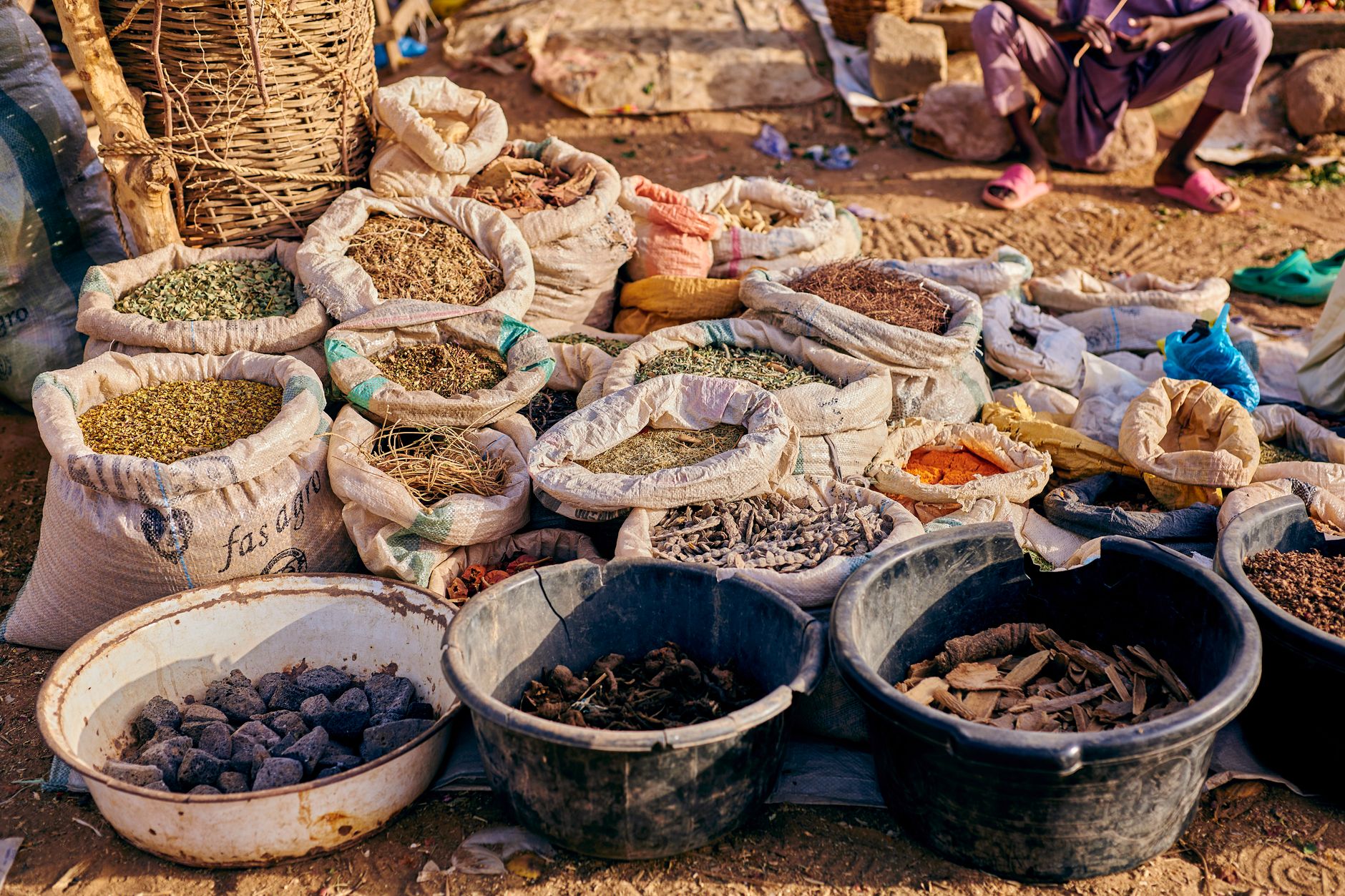
- Spice tour heritage: Established spice plantation tours, particularly clove production, with developed visitor infrastructure
- Beach + culinary pairing: Easy combination of culinary exploration with beach destinations (Stone Town + east coast beaches)
- Compact geography: The island is small; logistics are simpler than Madagascar or Sri Lanka
- Cultural heritage atmosphere: Stone Town’s UNESCO World Heritage status creates distinctive culinary travel atmosphere
Where Zanzibar loses
- Vanilla absent: Zanzibar produces cloves but not vanilla; vanilla-focused travelers find no equivalent
- Cuisine less refined at top end: No equivalent to Madagascar’s luxury lodge culinary programs or Sri Lanka’s tea estate fine dining
- Less ingredient diversity: Spice diversity less than Madagascar (which has cloves AND vanilla AND peppercorns)
- Wildlife and natural environment less compelling: Zanzibar lacks Madagascar’s endemic biodiversity or Sri Lanka’s tea estate landscapes
Decision Framework — Which Destination Matches Your Priorities?
Choose Madagascar if…
- Vanilla is your primary culinary interest — Madagascar is the only choice
- You want distinctive luxury lodge culinary programs with locally-sourced ingredients
- You want to combine culinary with Madagascar’s unique biodiversity
- Budget allows $14,000+ for premium 10-day experience
- You’re willing to accept more complex logistics in exchange for genuinely unique experiences
- You value distinctive over polished — Madagascar is less polished but more unique
Choose Sri Lanka if…
- Curry cuisine and tea are your primary culinary interests
- You want serious cooking education with developed infrastructure
- Budget is constrained ($6,000-$9,000 range)
- You want easy international access without transit complications
- You’re traveling with first-time tropical travelers who benefit from comfortable infrastructure
- You want tea estate experience as primary highlight
Choose Zanzibar if…
- Spice production interest with budget constraint
- You want beach + culinary combination in one trip
- You’re combining East Africa safari with culinary side-trip (Zanzibar pairs well with Tanzania safari)
- Budget is tightest constraint ($5,000-$7,500 range)
- Stone Town heritage atmosphere appeals strongly
- You want simpler logistics than Madagascar offers
The Multi-Destination Approach
Some travelers ask whether they can combine multiple destinations in a single trip. The answer depends on time and budget.
Madagascar + Mauritius (3 weeks): Mauritius adds Indian Ocean luxury context to Madagascar. Direct flights Tana ↔ Mauritius make logistics manageable. Combined cost $22,000-$32,000 solo.
Sri Lanka + Maldives (2-3 weeks): Standard Indian Ocean honeymoon pattern. Sri Lanka delivers culinary content; Maldives delivers beach luxury. Easy combination.
Zanzibar + Kenya/Tanzania safari (2-3 weeks): Standard East African luxury pattern. Safari + Zanzibar culinary combination works well.
Madagascar + Sri Lanka or + Zanzibar: Possible but requires longer trip (3+ weeks) and significant transit time. Most travelers find the contrast difficult to justify logistics overhead. Better to choose one destination per trip and return for the other later.
Real Traveler Comparisons
The Vanilla Honeymoon Decision
London couple in mid-30s evaluated all three destinations for vanilla-focused honeymoon. Considered: Sri Lanka with cooking classes (rejected — no vanilla origin authority), Zanzibar with spice tours (rejected — clove focus not vanilla), Madagascar with SAVA tour (chosen — only option for genuine vanilla origin experience). Outcome: 12-night Madagascar trip $26,400 couple, reported “no regret about premium cost — the vanilla origin experience justified every dollar.”
The Curry Sabbatical Decision
New York food writer evaluated all three for curry-focused research sabbatical. Considered: Madagascar (rejected — curry not primary cuisine), Zanzibar (rejected — limited curry depth), Sri Lanka (chosen — curry tradition depth unmatched). Outcome: 14-night Sri Lanka trip $7,800 solo, generated four-part curry magazine series and book chapter.
The Budget Spice Seeker Decision
Toronto couple in late 30s with $8,000 culinary travel budget. Madagascar evaluated and rejected as cost-prohibitive at premium tier. Sri Lanka and Zanzibar compared. Sri Lanka offered more refined experiences; Zanzibar offered more accessible spice tour focus. Couple chose Zanzibar for the established Spice Island heritage atmosphere combined with beach pairing. Outcome: 10-night Zanzibar trip $6,400 couple, “exceeded expectations particularly the Stone Town heritage hotel dining.”
Cost Breakdown Comparison
To make cost differences concrete, here’s how a 10-night premium culinary trip breaks down at each destination, all costs in USD per person solo:
Madagascar 10-night premium culinary: International flights $3,200-$4,500, internal flights $800-$1,400, accommodation 10 nights $6,500-$10,000 (mix of Tana + luxury lodge), meals & experiences included in lodge rates plus $1,200-$2,400 incidentals, insurance $250-$450. Total: $11,950-$18,750.
Sri Lanka 10-night premium culinary: International flights $1,100-$1,800, internal transport (private driver typical) $800-$1,200, accommodation 10 nights $2,800-$4,500 (mix of Colombo + tea estate + beach), meals & cooking classes $900-$1,400, insurance $200-$380. Total: $5,800-$9,280.
Zanzibar 10-night premium culinary: International flights $1,200-$1,900 (often via Dar or Doha), internal transport modest $300-$500, accommodation 10 nights $2,200-$3,800 (Stone Town heritage + east coast beach), meals & spice tours $800-$1,200, insurance $180-$320. Total: $4,680-$7,720.
The 2-3x cost differential between Madagascar and the alternatives is real and consistent. Madagascar’s value proposition has to be genuine vanilla and luxury lodge cuisine — not budget culinary travel.
Practical Considerations Beyond Cuisine
Insurance requirements: All three destinations require comprehensive travel insurance with medical evacuation coverage. SafetyWing Nomad Insurance Complete covers all three reliably.
Travel disruption risk: Madagascar has highest disruption risk (limited carriers, weather impacts), Sri Lanka has lowest (multiple carriers, modern infrastructure), Zanzibar intermediate. AirAdvisor EU261 protection applies on European inbound flights to all three destinations.
Health considerations: All require malaria prophylaxis for most regions. Yellow fever vaccination required at some entry points. Standard tropical region food precautions apply at all three.
Visa requirements: Madagascar visa-on-arrival (most nationalities), Sri Lanka ETA online, Zanzibar (Tanzania) visa-on-arrival or eVisa. All manageable.
Best season comparison: Madagascar dry season May-October aligns with vanilla curing peak; Sri Lanka has dual monsoons making timing complex (different regions dry at different times); Zanzibar dry season June-October optimal.
Regional Cuisine Deep-Dive — What You Actually Eat at Each Destination
Headline positioning summaries are useful but generic. To make the comparison concrete, understanding what specific dishes and ingredients you’ll actually encounter at each destination clarifies which one matches your taste preferences.
Madagascar — Signature Dishes
- Romazava: Madagascar’s national dish — beef and leafy greens (typically anamamy or anamalao) in light broth with ginger and garlic. Served over rice. Anchor of Highland cuisine.
- Ravitoto sy henakisoa: Pounded cassava leaves slow-cooked with pork, finished with coconut milk. Highland and coastal cuisine staple.
- Henakisoa sy amalona: Pork and eel in tomato-onion sauce — distinctive Madagascar fusion combining mountain and river-coastal ingredients.
- Akoho sy voanio: Chicken in coconut milk with ginger and lemongrass. Coastal cuisine favorite.
- Mofo gasy: Traditional rice flour breakfast cakes, often street food but elevated versions appear at boutique restaurants.
- Vary amin’anana: Rice with greens — simple but skillfully prepared at Highland establishments.
- Vanilla and clove-integrated desserts: Luxury lodges develop seasonal vanilla-spiced desserts that are genuinely distinctive — vanilla crème brûlée, clove-spiced poached pears, baobab-vanilla parfaits.
Sri Lanka — Signature Dishes
- Rice and curry: The defining meal pattern — boiled rice surrounded by 3-7 small curry dishes (vegetable, fish/meat, dal, sambol). The complexity comes from the curry composition diversity.
- Kottu: Chopped roti stir-fried with vegetables, egg, meat — distinctive Sri Lankan street food now appearing at fine establishments.
- Hoppers (appa): Bowl-shaped rice flour and coconut milk pancakes, often with egg cooked into the bottom. Iconic Sri Lankan breakfast.
- Lamprais: Burgher (Dutch-descent) heritage rice-and-curry packet baked in banana leaf — fine dining staple.
- Pittu: Steamed rice flour and coconut cylinders served with curry — distinctive textural experience.
- Ceylon tea ceremony: Tea estate hotels offer formal tea presentations with multiple varietals — Sri Lanka’s tea program is the world’s most refined outside Japan.
Zanzibar — Signature Dishes
- Pilau: Spiced rice with meat or fish — Zanzibar’s defining festive dish. Cardamom, cloves, and cinnamon make it distinctively Zanzibari versus other East African pilau variations.
- Octopus curry (pweza wa nazi): Octopus in coconut curry — coastal Zanzibar staple at all dining tiers.
- Mishkaki: Skewered grilled meats with spice rubs — street food origin, now appearing on heritage hotel menus.
- Urojo (Zanzibar mix): Distinctive soup combining chickpeas, potato, fritters, and tangy tamarind broth — uniquely Zanzibari.
- Spice-infused desserts: Halua, mahalabia (cardamom-rose milk pudding), date-based sweets — Arabic heritage desserts adapted with island ingredients.
Beyond Headlines — What Surprises Travelers
Each destination has secondary appeals that surprise first-time culinary travelers and often become the most memorable parts of the trip.
Madagascar surprises: Travelers expecting just vanilla often report being surprised by the depth of Malagasy-French fine dining (genuinely sophisticated, not just colonial holdover), the quality of West Coast Vezo grilled seafood (simple but exceptional), and the Highland rice traditions (rice culture more developed than expected). The wildlife integration — being able to do morning sifaka encounters then evening fine dining — surprises many.
Sri Lanka surprises: Travelers expecting just curry are surprised by the breadth of regional variation (Jaffna Tamil cuisine, Galle Sinhalese cuisine, Kandy hill country traditions all distinct), the sophistication of tea estate fine dining at premium plantation hotels, and the seafood scene (Galle and southern coast offer exceptional seafood that often goes underappreciated).
Zanzibar surprises: Travelers expecting just Stone Town spice tours are surprised by the seafood quality (particularly at east coast properties), the Arabic-Indian fusion dessert traditions, and the night market scene at Forodhani Gardens (Stone Town’s nightly food market is an underrated culinary experience).
Timing Your Trip — Month-by-Month Comparison
Each destination has its own optimal culinary travel windows driven by agricultural calendars, weather, and crowd patterns. Aligning your travel timing with peak culinary moments at your chosen destination dramatically improves the experience.
January–March: Madagascar has cyclone risk and is generally not optimal for culinary travel (vanilla curing quieter). Sri Lanka — January-March is peak season for cultural-triangle and tea estate visits (dry weather in central and southern regions). Zanzibar — January-February dry season; March transitional. Verdict for this window: Sri Lanka strongest.
April: Madagascar shoulder season — improving conditions. Sri Lanka transitional with monsoon shifting between regions. Zanzibar entering long rains (April-May not optimal). Verdict: Madagascar improving, Sri Lanka regional dependence, Zanzibar avoid.
May–June: Madagascar early dry season — curing facilities becoming active, comfortable weather. Sri Lanka — west and south coasts in southwest monsoon; central and east drier. Zanzibar — early dry season starting. Verdict: Madagascar starting to win, Zanzibar good, Sri Lanka regional dependence.
July–September: Madagascar peak culinary season — curing houses fully active, optimal weather, harvest activity visible. Sri Lanka — east coast peak (beaches and tea estates), south coast monsoon. Zanzibar — peak dry season, optimal for all activities. Verdict: All three excellent depending on regional choice.
October–November: Madagascar still excellent for curing and refined dining; lychee season approaching (November). Sri Lanka — transitional, second inter-monsoon period. Zanzibar — late dry season, still excellent. Verdict: Madagascar and Zanzibar strongest.
December: Madagascar — early rainy but lychees at peak; Christmas/New Year programs at luxury lodges. Sri Lanka — north and east less optimal, but south and west dry. Zanzibar — short rains. Verdict: Madagascar interesting for lychee season; mixed elsewhere.
The “perfect month” answer depends on the destination. For Madagascar, the September-October window is genuinely optimal. For Sri Lanka, the timing depends on which regions matter most (tea estates: January-March; cultural triangle: same; east coast and Trincomalee: July-September). For Zanzibar, June-October is reliably excellent throughout the island.
Operator Quality and Trip Coordination Differences
One often-overlooked dimension of the comparison is the operator quality landscape — which destinations have specialist culinary tour operators and which don’t.
Madagascar culinary operator landscape: Genuinely specialist Madagascar culinary operators are few. Voyages Madagascar and several boutique Tana-based operators have deep SAVA cooperative relationships. International luxury culinary operators (Audley Travel, Cortez Travel) handle Madagascar but rely on local specialists for SAVA execution. The thinness of operator competition means quality coordination is essential — booking through a non-specialist risks generic experiences missing the cooperative relationships that create real value. Plan to use Carla or a Madagascar-specialist operator for any serious culinary travel.
Sri Lanka culinary operator landscape: Highly developed. Multiple specialist culinary tour operators with established cooking schools, tea estate hotel partnerships, and regional cuisine programs. The wealth of options means quality varies — generic operators alongside genuinely specialist ones. Top-tier specialists: Ceylon Culinary Trails, Mosvold (Sri Lanka country specialist with culinary programs), and several boutique operators based in Galle and Colombo.
Zanzibar culinary operator landscape: Moderate development. Stone Town heritage hotels (Park Hyatt Zanzibar, Emerson Spice) operate their own culinary programs. Independent spice tour operators are plentiful but quality varies — some are genuinely educational, others are tourist-focused superficial visits. Booking through reputable East Africa operators (Cazenove+Loyd, Yellow Zebra) typically delivers better quality than independent booking.
Coordination implications: Madagascar requires the most operator coordination because options are limited and quality varies. Sri Lanka offers most independent booking flexibility because infrastructure is developed. Zanzibar is intermediate — booking through quality regional operators is recommended but not as essential as for Madagascar. In practical terms this also means that Madagascar trip planning takes longer because the right specialist match drives the trip quality more decisively than at the alternatives, where infrastructure consistency partially compensates for operator selection.
Frequently Asked Questions
Which destination has the most authentic culinary tradition?
All three have authentic traditions. Madagascar’s distinctiveness is unique multi-cultural fusion + agricultural origin authority. Sri Lanka’s distinctiveness is curry depth tradition. Zanzibar’s distinctiveness is Swahili-Arabic-Indian fusion with spice trade heritage. “Most authentic” depends on what you’re seeking.
Can I get refined fine dining at all three?
Madagascar yes (Tana + luxury lodges). Sri Lanka yes (Colombo + tea estate hotels). Zanzibar yes but more limited (Stone Town heritage hotels). Madagascar and Sri Lanka offer more refined fine dining than Zanzibar.
Which is best for first-time tropical travelers?
Sri Lanka — most polished infrastructure, easiest logistics, lowest disruption risk. Zanzibar second. Madagascar requires more comfort with travel complexity.
Can I learn to cook the cuisine at all three?
Yes, but quality and access vary. Sri Lanka has most developed cooking class infrastructure. Madagascar has growing but limited options (Le Petit Verdot in Tana, Sakamanga school, plus luxury lodge programs). Zanzibar has established Stone Town family-run cooking schools.
Are these destinations safe for solo female travelers?
All three are generally safe for solo female travelers with standard precautions. Sri Lanka has most established solo female traveler infrastructure. Madagascar requires more cultural sensitivity. Zanzibar requires cultural awareness about modest dress in Stone Town areas.
Which is best for vegetarian/vegan culinary travelers?
Sri Lanka — extensive vegetarian curry tradition is genuine native cuisine. Madagascar — vegetarian rice-vegetable tradition exists but requires more communication. Zanzibar — fewer native vegetarian options but adaptable.
Can these trips be done independently?
Sri Lanka and Zanzibar: yes, organized infrastructure supports independent travel. Madagascar: strongly recommend specialist operator coordination for SAVA segments and luxury lodge logistics.
🌴 Plan Your Culinary Trip With Carla
Madagascar culinary trips benefit from specialist coordination — particularly for vanilla origin segments and luxury lodge culinary programs. Reach out to Carla, our Madagascar-resident culinary specialist. If you’ve decided Madagascar is your destination, she’ll structure the program. If you’re still evaluating, she can provide honest perspective on whether Madagascar fits your culinary priorities versus alternatives.
Related Madagascar culinary reading:
- Best Madagascar Culinary & Wine Experiences 2026
- Madagascar Vanilla Tour SAVA Region 2026
- Madagascar Luxury Itinerary 2026 — How to Build the Trip
Plan Your Trip to Madagascar
- Read the full Madagascar Travel Guide
- Explore itineraries by style and duration
- Explore the full destination guide
Where to Stay