Nosy Iranja Day Trip from Nosy Be: Complete Booking Guide 2026
This post contains affiliate links. We may earn a small commission at no extra cost to you.
At a Glance
- Distance from Nosy Be: 90 minutes by speedboat
- Best time: April–November (dry season, calm seas)
- Key draw: White sandbar corridor at low tide + sea turtle snorkelling
- Book excursion: Browse Nosy Be day trips on GetYourGuide
- Stay in Nosy Be: Find Nosy Be hotels on Agoda
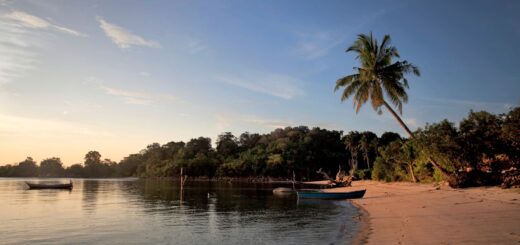
Nosy Iranja is one of Madagascar’s most photogenic day trips — two pristine islets connected at low tide by a brilliant white sand corridor, reachable by speedboat from Nosy Be. Crystal-clear waters harbour green sea turtles, vibrant reef fish and healthy coral gardens. For more on what to see around the island, read our complete guide to things to do in Nosy Be.
Essential Gear for Madagascar’s Coastal Activities
Madagascar’s Underwater World Is World-Class — Film It in 5.3K Before It’s Gone
The coral gardens off Nosy Be, the whale sharks of the Mozambique Channel, the humpback whales migrating to Île Sainte-Marie — your phone doesn’t go underwater. The GoPro HERO13 Black shoots 5.3K60 video and is waterproof to 10 metres without any housing. Mount it on your snorkel mask, clip it to your kayak, hand it to your dive guide. Sold directly by Amazon.
Check current price and availability on Amazon →
Madagascar’s UV Index Hits 11+ — Your Skin Needs More Than Sunscreen in the Water
Nosy Be, Île Sainte-Marie, the reefs off Fort Dauphin — spectacular coastal waters under an equatorial sun with UV regularly hitting 11+. Sunscreen washes off within 20 minutes in water. O’Neill’s UPF 50+ long-sleeve rash guard blocks 98% of UV radiation all day, in and out of the water, without reapplication. Stays in place during snorkelling and dives.
Check current price and availability on Amazon →
Snorkelling Madagascar’s Reefs Without UV Protection Is How You Come Home With a Week of Sun Damage
The coral reefs of Nosy Be and Île aux Nattes are some of the most beautiful snorkelling in the Indian Ocean — in direct equatorial sunlight every minute you’re in the water. Hurley’s Women’s UPF 50+ long-sleeve rashguard covers your core, arms, and shoulders with full-spectrum UV protection. Lightweight, fast-drying, designed for real ocean conditions.
Check current price and availability on Amazon →
One Wave, One Pirogue Crossing, One Rain Shower — That’s All It Takes to Lose Your Phone in Madagascar
Madagascar’s water crossings are done in pirogues — narrow dugout canoes with no sides to speak of. One unexpected wave. One overfilled pirogue. One downpour on the RN7 with nowhere to shelter. The JOTO Universal Waterproof Pouch seals your phone in an IPX8-rated case to depths up to 30 metres. Use the touchscreen through the case, take underwater photos. Under $15.
Check current price and availability on Amazon →
Your Camera, Passport, and Valuables Need a Waterproof Shell for Madagascar’s Boat Transfers
Boat transfers to Nosy Komba, dive sites, and the remote beaches of Masoala — waves hit the deck, spray soaks everything unprotected. A wet camera, a soaked passport, or a ruined MacBook is not a one-hour problem in a country where Apple Stores don’t exist. The Earth Pak Dry Bag rolls and clips shut to create a 100% waterproof seal rated to IPX8. NY Times Wirecutter-recommended, 5-year warranty.
Check current price and availability on Amazon →
Plan your Madagascar trip:
- Browse Madagascar tours and experiences (GetYourGuide)
- Get travel insurance for Madagascar (SafetyWing)
- World Nomads — covers adventure activities: trekking, diving, motorbikes. Compare both.
Getting There: Boats from Nosy Be
All Nosy Iranja day trips depart from Hell-Ville (Andoany) or the Ambatoloaka beach area on the west coast of Nosy Be. Two boat options exist: speedboats reach Nosy Iranja in around 90 minutes, while traditional dhows take 3–4 hours each way — rarely worth it for a day trip. Most organised excursions leave at 7:00–8:00 AM to arrive at low tide for the sandbar walk.
Independent boats can be chartered from the Hell-Ville port — negotiate prices before boarding and confirm the departure is timed for sandbar access. Plan to return to Nosy Be before sunset. For base options near the departure point, see our guide to the best hotels in Nosy Be.
Flying to Nosy Be: Fascene International Airport (NOS) receives daily flights from Antananarivo plus seasonal charters from Paris and Réunion. Before you fly, get travel insurance with Carla — medical evacuation from outer islands is expensive without cover. For flight disruption claims, AirAdvisor automates EU and international compensation in minutes.
The Sandbar, Sea Turtles and Snorkelling
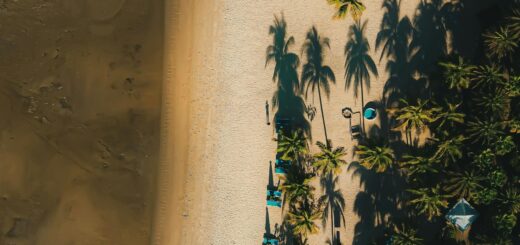
At low tide the 300-metre white sand corridor between Nosy Iranja Kely (small island) and Nosy Iranja Be (large island) emerges from the sea, creating the iconic barefoot sandbar walk. Timing is everything — check tide tables before booking and confirm your operator schedules the crossing around low tide, typically mid-morning.
Snorkelling off both islands reveals healthy coral gardens with green sea turtles (Chelonia mydas) feeding on seagrass. A turtle nesting programme operates on Nosy Iranja Be from November to February, when nesting beach access is restricted after dark. The western reef of the small island offers the clearest visibility and the greatest density of turtles. For more of Madagascar’s outstanding coastal destinations, see our complete guide to Madagascar’s best beaches.
Read also:
Book activities in Madagascar:
Day Trip Schedule: Timing Around the Tides
A well-structured Nosy Iranja day runs: depart Nosy Be 7:30 AM → arrive 09:00 → sandbar walk at low tide 10:00–11:30 → snorkelling on the western reef → lunch on the large island → afternoon snorkelling → depart 15:00 → back in Nosy Be by 17:00. The critical variable is the tide, which shifts approximately 50 minutes later each day.
Some operators run Nosy Iranja trips only on days when low tide falls in the morning window. A booking made for the right date but with the wrong operator — one that ignores tide tables — may miss the sandbar entirely. Always ask the operator what time low tide falls on your booked date and confirm the boat leaves in time to walk the corridor.
Booking Your Trip and What to Pack
Organised tours cost €60–€120 per person including speedboat, snorkel gear and a packed lunch. Book through your hotel or a licensed operator in Hell-Ville. A private boat charter runs €200–€300 for groups up to 8 — the better value once you have four or more people. Browse verified Nosy Be excursion operators on GetYourGuide for upfront pricing and real traveller reviews.
What to bring: reef-safe sunscreen (conventional sunscreen is banned near turtle nesting sites), your own snorkel mask (rental quality is inconsistent), water shoes for the coral, 2 litres of water, a dry bag for your phone and camera, and small cash for tips. Wear a rash guard — equatorial UV is severe even under cloud cover.
Ready to book your Madagascar trip?
Frequently Asked Questions
How far is Nosy Iranja from Nosy Be?
Nosy Iranja is approximately 75 kilometres from Nosy Be by sea, reached in around 90 minutes by speedboat from Hell-Ville or Ambatoloaka.
Do I need to book a Nosy Iranja day trip in advance?
Yes, especially in peak season (July–September). Boat capacity is limited and tide-timed departures fill quickly. Book at least 2–3 days ahead or immediately on arrival in Nosy Be.
Is it safe to swim and snorkel at Nosy Iranja?
Yes, the western side is calm and safe with excellent visibility. Currents can be stronger on the ocean-facing eastern side — always follow your guide’s advice and stay within the indicated snorkelling zones.
What is the best time of year to visit Nosy Iranja?
April to November during the dry season offers calm seas, clear visibility and manageable heat. July and August are the peak months. Cyclone season (December–March) brings rough seas and many operators suspend services entirely.
Can I stay overnight on Nosy Iranja?
Yes, there is a small lodge on Nosy Iranja Be with basic bungalow accommodation. Staying overnight gives you sunrise on the sandbar in complete solitude — but availability is extremely limited, so book months ahead.
Nosy Iranja is one of those rare places that exceeds its own reputation. Time your trip around the tide, choose an operator who does the same, and you will walk a sandbar that feels entirely your own. Before you go, protect your journey with SafetyWing travel insurance — it covers medical evacuation from remote islands and is designed for travellers moving through destinations like Madagascar.
Start planning your Madagascar adventure today
Browse Madagascar experiences on GetYourGuide
Affiliate link – commission earned at no extra cost to you.
Plan Your Trip to Madagascar
- Read the full Madagascar Travel Guide
- Explore itineraries by style and duration
- Explore the full destination guide
Where to Stay