Responsible Reef Etiquette in Madagascar: Snorkeling Without Damaging Coral 2026
This post contains affiliate links. We may earn a small commission at no extra cost to you.
At a Glance
- Best reef sites: Nosy Tanikely marine reserve, Mitsio archipelago, Nosy Komba, Anakao reefs (southwest)
- Sunscreen rule: Reef-safe only — mineral sunscreen with non-nano zinc oxide or titanium dioxide. Standard sunscreen bleaches coral
- Non-negotiable: No touching coral, no standing on reef, no collecting shells or marine life, no feeding fish
- Marine hazards: Lionfish, sea urchins, stonefish — know what they look like before entering
- Stay nearby: Book Nosy Be accommodation on Agoda — base for Tanikely and Mitsio day trips
- Travel insurance: SafetyWing Nomad Insurance covers marine injury emergencies
💼 Paperwork & Documents Kit
Keep your visa, passport and papers organised and secure:
- RFID passport holder — protects your passport and blocks card-skimming. See on Amazon →
- Travel document organizer — keeps visa papers, tickets and copies in one place. See on Amazon →
- Digital luggage scale — avoid overweight fees at the airport. See on Amazon →
- Travel journal — record the trip and keep key numbers offline. See on Amazon →
- Packing cubes — pack faster and find everything in seconds. See on Amazon →
As an Amazon Associate we earn from qualifying purchases.
Madagascar’s coral reefs are among the western Indian Ocean’s most ecologically significant — and most threatened. What you do and don’t do in the water directly determines whether the reef you snorkel today is still intact for the generation after you.
Madagascar’s Coral Reefs: What You’re Looking At and Why It Matters
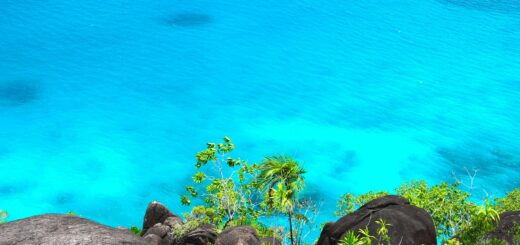
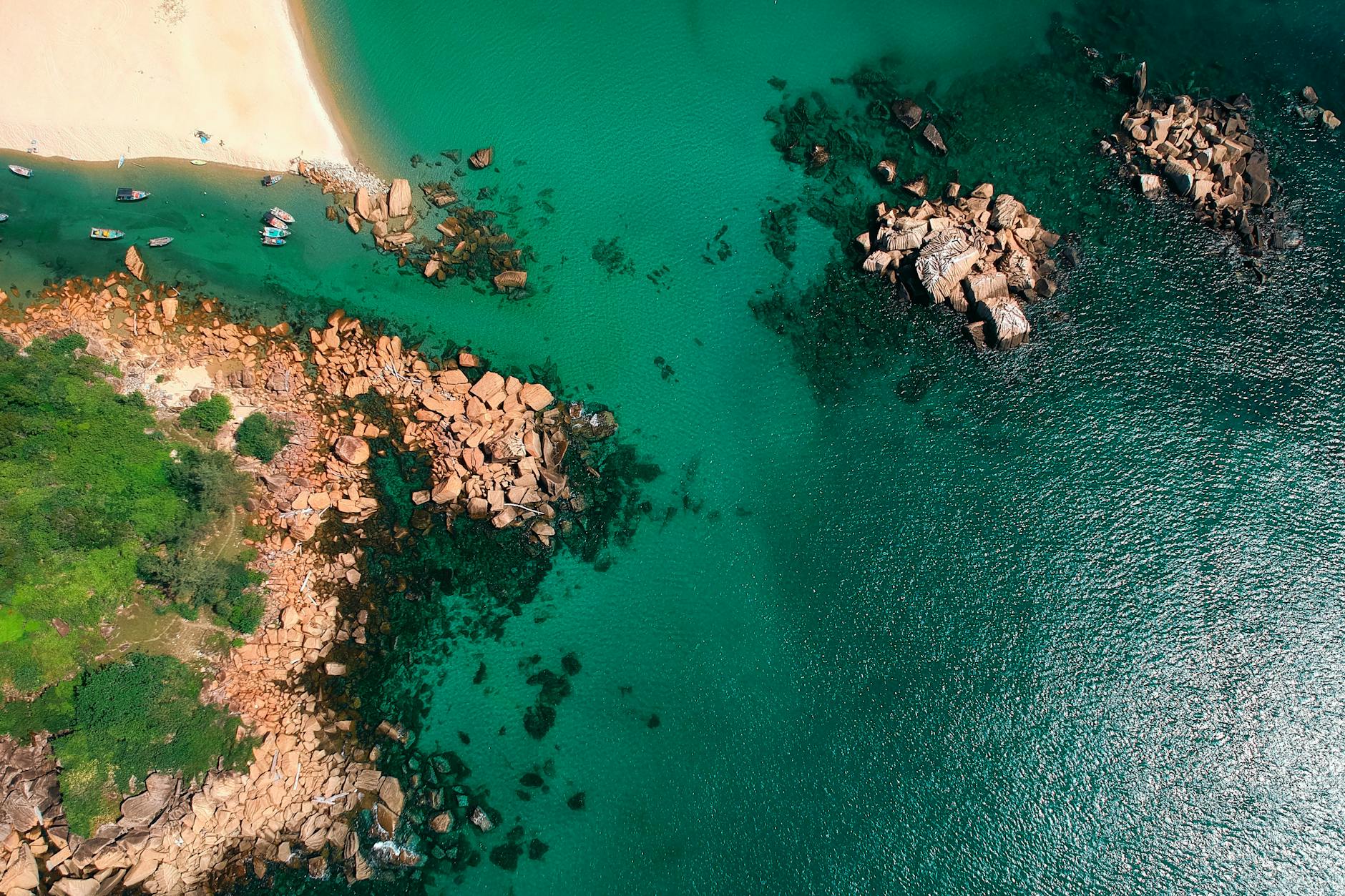
Madagascar’s western coast hosts some of the Indian Ocean’s last relatively intact fringing reef systems. The Mitsio archipelago, accessible by liveaboard or day boat from Nosy Be, contains some of the highest coral diversity in the region. Nosy Tanikely — a small island about 18 km south of Nosy Be town — is a formally designated marine reserve with a no-fishing, no-collecting zone that has allowed its reef to recover significantly since protection was introduced. The southwest coast around Anakao and Salary Bay holds reef structures that see far fewer visitors and correspondingly lower impact levels.
Coral reefs take 5–500 years to form depending on species and grow 0.5–2 cm per year. A single tourist standing on a coral head kills the section underfoot instantly. Madagascar’s reefs face multiple simultaneous pressures — bleaching events from elevated Indian Ocean temperatures, dynamite fishing in unprotected areas, anchor damage from unregulated tourism, and sedimentation from deforestation runoff. The Nosy Be reef guide covers the specific sites with strongest protection and best conservation outcomes.
The Non-Negotiable Rules: What Not to Do in the Water
No touching coral — ever. Even a brief brush of bare skin transfers oils and bacteria that damage the coral polyps. If you need to stabilize yourself, use a sandy patch or bare rock. No standing on reef — this applies to both live coral and recently dead reef structure, which is still the physical scaffold for reef recovery. No collecting — shells, coral fragments, sea cucumbers, and any marine organism are protected in reserve areas and should not be removed anywhere as a matter of basic ethics. No feeding fish — deliberately feeding triggers behavioral changes that disrupt the reef’s ecological balance and can make normally non-aggressive fish bite snorkelers.
No chasing or corralling wildlife. Turtles, reef sharks, rays, and dolphins should be observed from a respectful distance. If an animal changes direction or speeds up to move away from you, you are too close. Our guide to marine hazards in Madagascar covers which species need the most cautious approach and what to do if contact occurs. The rule for all marine encounters is the same: the animal’s behavior tells you when to back off.
Sunscreen, Fins and the Before-You-Enter Checklist
Sunscreen is the most commonly overlooked reef damage source. Oxybenzone and octinoxate — the active UV filters in most standard sunscreens — are toxic to coral larvae at concentrations as low as 62 parts per trillion. A single snorkeler wearing standard sunscreen releases enough chemical into a small lagoon to affect reef recruitment within the session. Reef-safe sunscreen uses mineral filters — non-nano zinc oxide or titanium dioxide — that sit on the skin surface rather than dissolving into the water. Buy it before you travel; availability in Nosy Be is limited and inconsistent.
Fins: open-heel fins with a blade longer than 45 cm are more likely to hit coral when you hover or reverse. Short-blade or split-fin designs are preferable for reef snorkeling. The most common fin-caused reef damage happens when snorkelers do not notice their fin tips are below them. Before every session: check your buoyancy is neutral, check your fins are fully behind you when stationary, and confirm the area below you is sand or open water before stopping to observe anything. A 30-second pre-entry check eliminates most unintentional reef contact.
How to Choose a Responsible Snorkeling Operator in Madagascar
The right operator makes the difference between a reef-damaging trip and a responsible one. Questions to ask before booking: Does the guide actively brief snorkelers on reef rules before entering the water? Does the boat use a mooring buoy rather than dropping anchor on the reef? Is the group size limited (fewer than 12 per guide is a reasonable benchmark for reef sites)? Does the operator carry reef-safe sunscreen or require it from guests? Any operator answering these questions defensively or dismissively is worth avoiding regardless of price.
Nosy Tanikely’s reserve entry fee goes partly to local conservation and community ranger programs — paying it is not bureaucracy but reef maintenance funding. For tour bookings departing from Nosy Be, check current operator listings on recommended shore excursion providers in Madagascar. Get SafetyWing Nomad Insurance before any water activity in Madagascar — it covers marine injury emergencies including sea urchin spine removal and jellyfish sting treatment that may require clinic attention.
Frequently Asked Questions
Is it safe to snorkel in Madagascar?
Yes, with the right precautions. Nosy Tanikely marine reserve is the most managed and safest site for beginner snorkelers — clear water, abundant fish, and guide supervision available. The key hazards are sea urchins (step only on sand), lionfish and stonefish (do not touch any fish or rock), and strong currents in open-water channels between islands. Always check current conditions with your operator before departure. Snorkeling alone without a buddy or boat cover is inadvisable in Madagascar’s open-water sites.
What sunscreen should I use when snorkeling in Madagascar?
Use reef-safe mineral sunscreen with non-nano zinc oxide or titanium dioxide as the active UV filter. Brands like Badger, Raw Elements, Thinksport, and Stream2Sea meet reef-safe standards. Avoid any product listing oxybenzone, octinoxate, octocrylene, or homosalate as active ingredients — these are the compounds most damaging to coral larvae. Bring reef-safe sunscreen from home; availability in Nosy Be is unreliable.
Can I collect seashells or coral in Madagascar?
No. Collection of shells, coral fragments, sea cucumbers, or any marine organism is prohibited in marine reserve areas and is strongly discouraged everywhere on ecological grounds. CITES regulations also restrict the export of many marine organisms. Shells purchased at local markets were collected by locals before export regulations were applied — buying them does not bypass the conservation concern but it does remove your personal involvement in the collection.
What is Nosy Tanikely and why is it the best snorkeling site near Nosy Be?
Nosy Tanikely is a small uninhabited island about 18 km south of Nosy Be’s main town, designated as a marine reserve with enforced no-fishing and no-collecting rules. The reef has recovered significantly under protection and hosts excellent coral coverage, diverse reef fish, sea turtles, and occasional sightings of small sharks. Day boats run from Nosy Be’s Ambatoloaka beach, taking approximately 45 minutes. Entry fees apply and are shared with community conservation programs.
Madagascar’s reefs are extraordinary and fragile in equal measure. Reef-safe sunscreen, no-touch discipline, and choosing operators who enforce the rules costs you nothing and preserves the ecosystem for every snorkeler who comes after. Get SafetyWing Nomad Insurance before entering the water — marine injury emergencies in remote Madagascar require evacuation coverage, not just a local pharmacy.
Travel Insurance for Madagascar
Medical evacuation from Madagascar costs $30,000–$80,000. Don’t travel without cover.
- SafetyWing — monthly-subscription travel medical cover; you can check their plans.
- World Nomads — single-trip travel insurance with adventure-activity options.
Plan Your Trip to Madagascar
- Read the full Madagascar Travel Guide
- Explore itineraries by style and duration
- Explore the full destination guide
Where to Stay