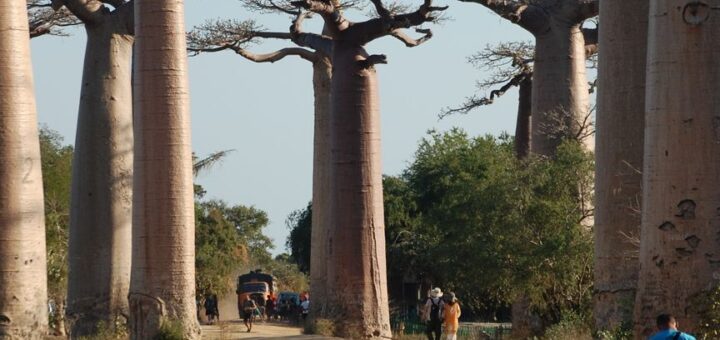
The Symbols of the Flag and the National Anthem
Madagascar’s flag and anthem tell its whole story: red, white and green reaching from the last monarchy to independence, and an anthem sung to the land of the ancestors.
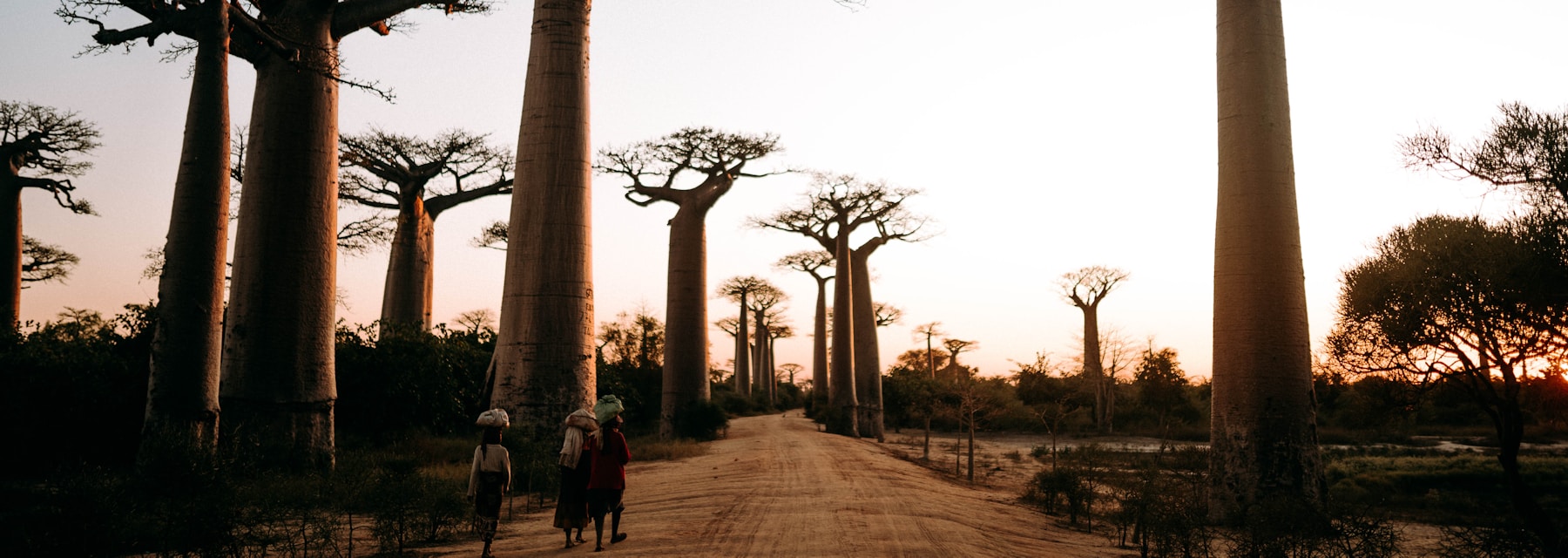
Madagascar’s flag and anthem tell its whole story: red, white and green reaching from the last monarchy to independence, and an anthem sung to the land of the ancestors.
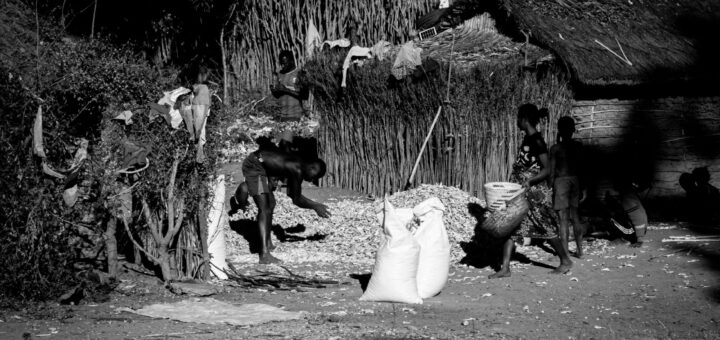
In 1947 Madagascar rose against French rule and briefly held a third of the island. The repression that followed killed tens of thousands — a turning point toward independence.
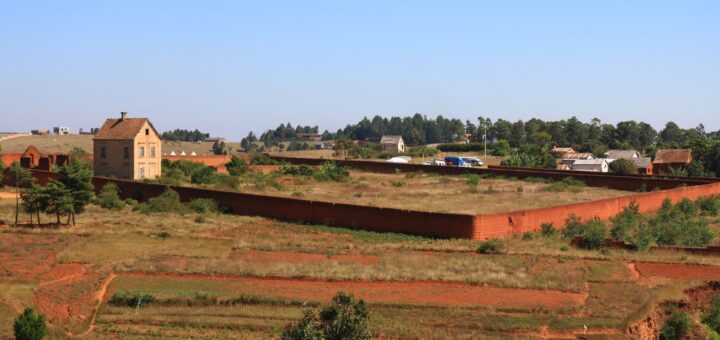
When France seized the royal palace in 1895, the highlands rose in revolt — the Menalamba or ‘Red Shawls,’ Madagascar’s first great refusal of colonial rule.
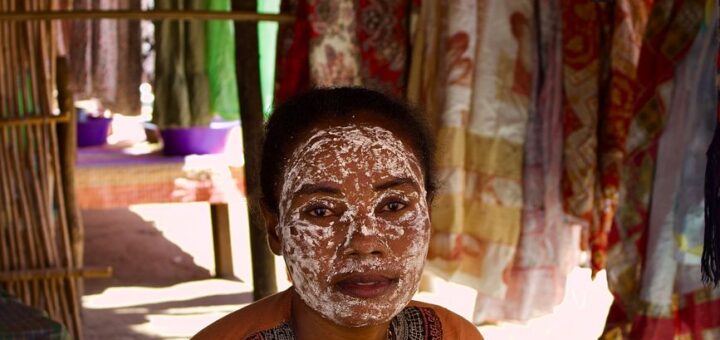
Malagasy names are built like sentences — the Ra- honorific, noble Andriana-, humble names to fool jealous spirits, and 20-letter words packed with meaning. How to read them.
Part opera, part debate, part dance-off: hira gasy is the day-long folk spectacle of the Malagasy highlands, born in the 18th century to rally the king’s rice-dyke builders.
The forested royal hill of Ambohimanga — spiritual capital of the Merina kings, burial ground of sovereigns and Vazimba, and Madagascar’s only cultural UNESCO site.
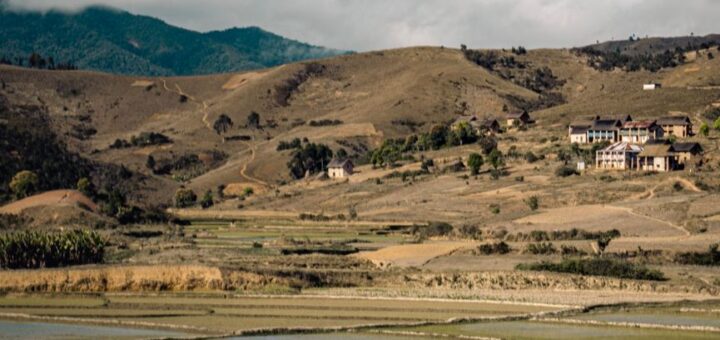
In northern Madagascar, villagers feed the crocodiles of Lake Antañavo as ancestors — cursed, the legend says, from a village that refused a stranger water. A living myth.
Madagascar’s national drink is made from the burnt rice crust most cooks throw away. Meet ranon’apango — thrifty, smoky, boiled-safe, and poured at nearly every meal.