Top 10 Wildlife Experiences in Tolagnaro: From Whales to Dancing Sifakas
This post contains affiliate links. We may earn a small commission at no extra cost to you if you book through our links.
At a Glance
- Location: Tolagnaro (Fort Dauphin), southern Madagascar
- Best for: Lemur sightings, whale watching, multi-ecosystem wildlife tours
- Key reserves: Berenty, Nahampoana
- Book wildlife tours: GetYourGuide — guided wildlife experiences in Madagascar
- Stay in Fort Dauphin: Browse eco-lodges and hotels near Tolagnaro on Agoda
🎒 Madagascar Trip Essentials — Pack These Before You Go
A few inexpensive items make the biggest difference on the ground. These are the ones experienced travelers order before they leave:
- Picaridin insect repellent — malaria is a real risk here — the mosquito defence most travelers rely on. See options on Amazon →
- Permethrin clothing spray — treat your clothes before you fly; keeps working for weeks. See options on Amazon →
- Water filter bottle — tap water isn’t safe to drink in Madagascar. See options on Amazon →
- Universal travel adapter — Madagascar uses type C/E plugs. See options on Amazon →
- 8×42 binoculars — essential for spotting lemurs and chameleons. See options on Amazon →
As an Amazon Associate we earn from qualifying purchases, at no extra cost to you.
The region around Fort Dauphin (Tolagnaro) is one of the most ecologically diverse areas in southern Madagascar. What makes it exceptional is not a single landmark attraction but the convergence of multiple ecosystems within a compact geographic zone: rainforest, spiny desert, coastline, and wetlands — all within a short drive of each other.
This guide covers the top 10 wildlife experiences in Tolagnaro, from the famous sifaka lemurs of Berenty Reserve to seasonal whale watching along the southern coast.
1. Berenty Reserve: The Most Famous Lemur Experience
Berenty is the flagship wildlife destination of southern Madagascar and one of the most reliable places in the country to observe lemurs in natural conditions. The reserve is famous above all for its Verreaux’s sifakas — the “dancing lemurs” known for their sideways bipedal hop across open ground — and for ring-tailed lemurs that are accustomed to human presence and easy to photograph.
Unlike remote forest regions where sightings require patience and luck, Berenty offers predictably high encounter rates. Easy walking trails, guided interpretation, and open habitat make it the single best lemur experience accessible from Fort Dauphin. Book a guided day tour to Berenty Reserve on GetYourGuide.
2. Nahampoana Reserve: Botanical Rainforest and Quiet Wildlife
A different experience from Berenty. Nahampoana focuses on lush botanical gardens, dense rainforest fragments, and a calmer environment. Wildlife is present but less predictable — lemurs in semi-wild conditions, waterfall walks, and extraordinary plant diversity. Ideal for travelers who want depth over guaranteed sightings. Less crowded, more immersive.
3. Whale Watching (Seasonal)
During migration periods, humpback and other whale species pass through offshore waters near Fort Dauphin. Boat-based observation opportunities exist for breaching and surface behaviors. This is one of the few marine megafauna experiences accessible in southern Madagascar and depends on seasonal timing — plan accordingly.
Read also:
4. Spiny Forest Wildlife Exploration
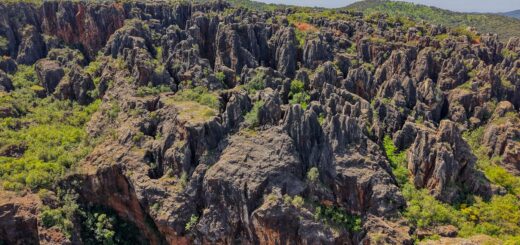
The spiny forest ecosystem is one of Madagascar’s most visually distinctive habitats — thick thorny vegetation, arid conditions, and highly specialized species. Reptiles adapted to drought conditions, endemic birds, and unusual plant adaptations define this biome. It feels alien compared to rainforest environments, which is precisely why experienced wildlife travelers rank it among their most memorable Madagascar experiences.
5. Rainforest Lemur Encounters Beyond Berenty
Multiple forest zones near Tolagnaro host additional lemur populations outside the main reserves. These experiences are less structured but often feel more natural in behavior. Early morning guided walks in forest zones can yield sightings of species not typically seen in Berenty’s drier habitat.
6. Night Wildlife Walks
Night walks reveal an entirely different ecosystem. Nocturnal lemurs, chameleons in extraordinary variety, insects, and amphibians emerge after dark. This is one of the most underrated wildlife experiences in the region — almost no overlap with daytime sightings, making it genuinely additive rather than repetitive.
7. Birdwatching Across Multiple Habitats
The multi-ecosystem structure of the Fort Dauphin region creates exceptional birdwatching diversity. Rainforest canopy zones, coastal wetlands, and spiny forest edges each host different bird communities. Both beginners and experienced birders consistently rate Tolagnaro as one of the strongest birdwatching regions in Madagascar.
8. Coastal Marine Ecosystems
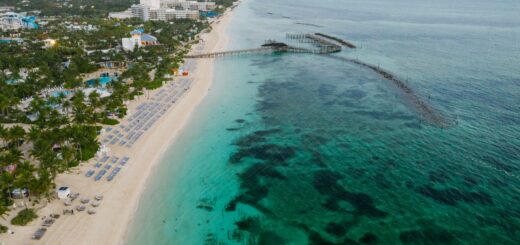
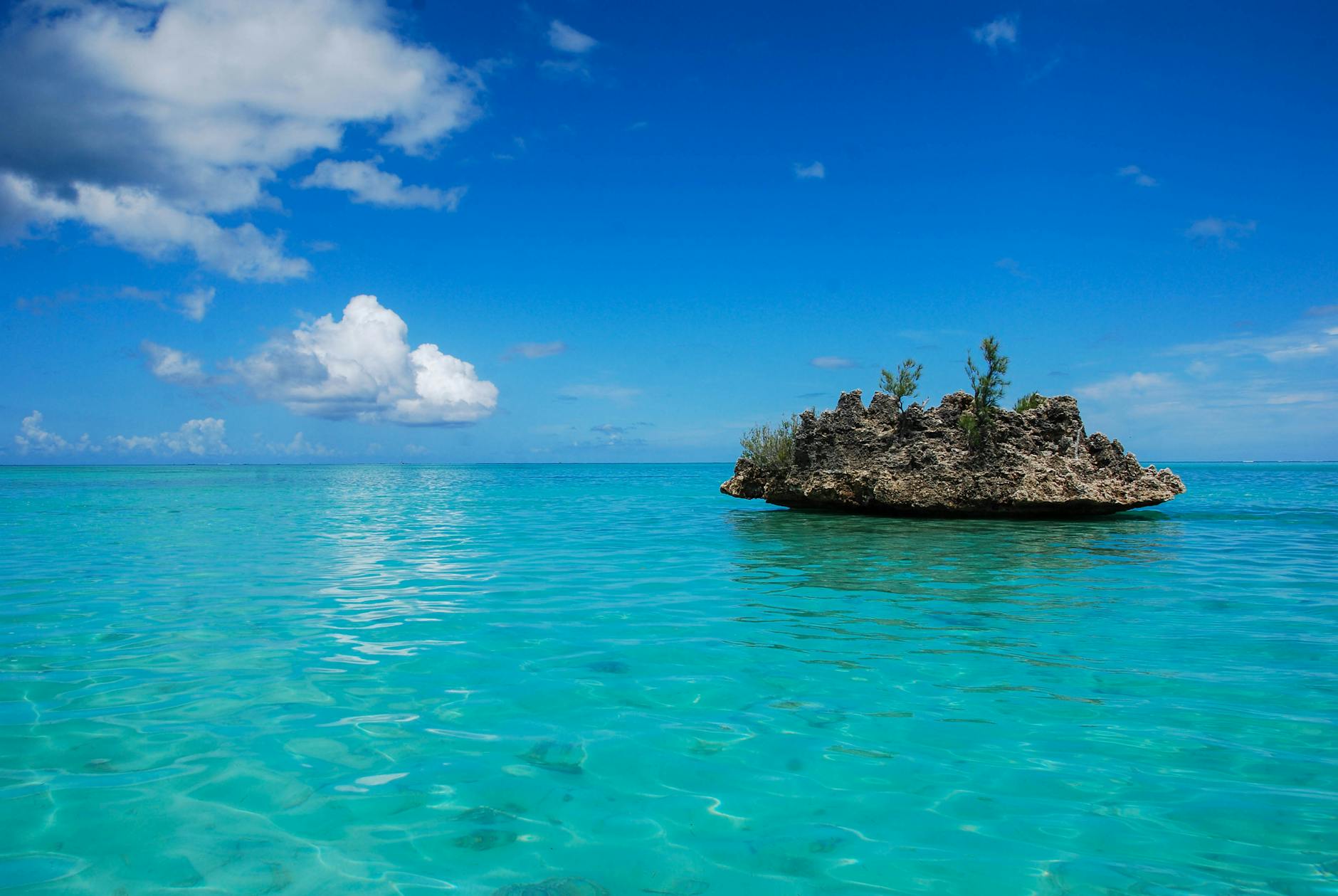
The coastline near Fort Dauphin supports sea turtles (seasonal), reef fish, and coastal bird species. Less commercialized than northern Madagascar, the marine environment here feels more untouched. Snorkeling and coastal exploration can be organized through local operators.
9. River and Wetland Ecosystems
Small river systems and wetland habitats add another layer of biodiversity to the region. Freshwater birds, amphibians, and rare wetland vegetation are accessible through guided eco-tours that can be combined with other ecosystem visits in a single day.
10. Multi-Ecosystem Wildlife Day
The most uniquely valuable experience in Fort Dauphin is combining ecosystems in a single itinerary: morning rainforest lemur walk + afternoon coastal exploration + evening spiny forest visit. This “ecosystem stacking” is what no single-habitat reserve elsewhere in Madagascar can replicate. Book a multi-day wildlife circuit via GetYourGuide.
Recommended Gear for Your Madagascar Wildlife Trip
You’re Flying 10,000km to See Lemurs, Chameleons, and Fossa — Don’t Document It With a Phone Camera
Indri lemurs calling across the canopy of Andasibe. Panther chameleons in electric blue and orange. The fossa spotted on a night walk in Kirindy. A smartphone sensor in low rainforest light produces grainy, blurred images. The Sony a6400 with Real-Time Eye Autofocus locks onto animal eyes instantly — even through undergrowth and low light. APS-C sensor, 4K video, flip-up touchscreen.
Check current price and availability on Amazon →
Madagascar Has Over 100 Species of Lemur and 280 Species of Bird — You’ll Miss Most of Them Without Binoculars
Sifaka lemurs leap between canopy trees 30 metres up. The Madagascar fish eagle perches on a branch 200 metres across a lake. Without binoculars, you’re looking at distant shapes and taking your guide’s word for it. The Vortex Diamondback HD 10×42 delivers HD optical clarity with edge-to-edge sharpness. Waterproof, fog-proof, backed by Vortex’s unconditional lifetime warranty.
Check current price and availability on Amazon →
Madagascar Goes Completely Dark After Sunset — Don’t Navigate It Blind
Outside of Antananarivo’s main streets, Madagascar has virtually no street lighting. Wildlife walks in Ankarana, night lemur spotting in Ranomafana, the path to your bungalow — all navigated in total darkness. The Black Diamond Spot 400-R delivers 400 lumens with a 100-metre beam, USB-C rechargeable, IPX8 waterproof, with red night-vision mode for wildlife observation without disturbing animals.
Check current price and availability on Amazon →
Madagascar Has Some of the Highest Malaria Risk in the World
The rainforests of Andasibe, the wetlands of Morondava, the rice paddies outside every village — mosquitoes are relentless and bite at dusk and dawn. DEET burns skin and destroys gear. Natrapel 20% Picaridin is the CDC-recommended alternative that repels mosquitoes, ticks, and sandflies for up to 12 hours without damaging your equipment.
Check current price and availability on Amazon →
No Grid, No Problem — Charge Your Devices From the Sun in Madagascar’s Remote Parks
Marojejy. Andringitra. Tsingy de Bemaraha. Madagascar’s most spectacular parks are its most isolated — no power outlets, no phone signal. A 3-day wilderness circuit means running on whatever charge you left camp with. The BLAVOR Solar Power Bank pairs 10,000mAh with a fold-out solar panel that recharges itself from sunlight as you trek.
Check current price and availability on Amazon →
Plan your Fort Dauphin wildlife trip:
Travel Insurance for Fort Dauphin
Medical evacuation from southern Madagascar can cost USD 30,000-80,000. The region’s remoteness makes insurance essential.
- SafetyWing — monthly-subscription travel medical cover; you can check their plans.
- World Nomads — single-trip travel insurance with adventure-activity options.
Berenty vs Nahampoana: Which to Choose?
Choose Berenty if you want guaranteed, high-frequency lemur encounters in a structured wildlife environment with easy walking access.
Choose Nahampoana if you prefer botanical diversity, a quieter atmosphere, and a more immersive rainforest experience with fewer visitors.
Best answer: Visit both. They take half a day each and deliver entirely different experiences.
FAQ
Is Berenty Reserve worth visiting?
Yes — it is one of the most reliable places in Madagascar to see lemurs, especially sifakas and ring-tailed lemurs, in natural conditions with easy access.
When is best for whale watching near Fort Dauphin?
Seasonal — typically coinciding with humpback whale migration periods. Check with local operators for current-year timing before planning.
Can I see lemurs easily near Tolagnaro?
Yes, especially in Berenty Reserve where encounter rates are consistently high. Outside reserves, guided forest walks improve sighting probability significantly.
Flight delayed or cancelled? Flights to Madagascar often connect through Paris or Nairobi. EU regulation EC 261 may entitle you to up to €600 in compensation. Check your claim free on AirAdvisor →
Getting Around: Madagascar has no reliable public transit — independent travel requires a 4WD. Compare 4WD rentals in Antananarivo on Carla →
Plan Your Trip to Madagascar
- Read the full Madagascar Travel Guide
- Explore itineraries by style and duration
- Explore the full destination guide
Where to Stay
Hotels, lodges, and tours fill fast for July–September — compare availability now.