Freediving in Madagascar: Best Spots for Breath-Hold Diving 2026
This post contains affiliate links. We may earn a small commission at no extra cost to you.
At a Glance
- Top sites: Nosy Be, Nosy Iranja, Île Sainte-Marie, Nosy Tanikely
- Average depth range: 10–30 metres at main sites
- Certification: AIDA and SSI freediving courses available at Nosy Be
- Best season: October–December and April–June
- Visibility: up to 30 metres at peak conditions
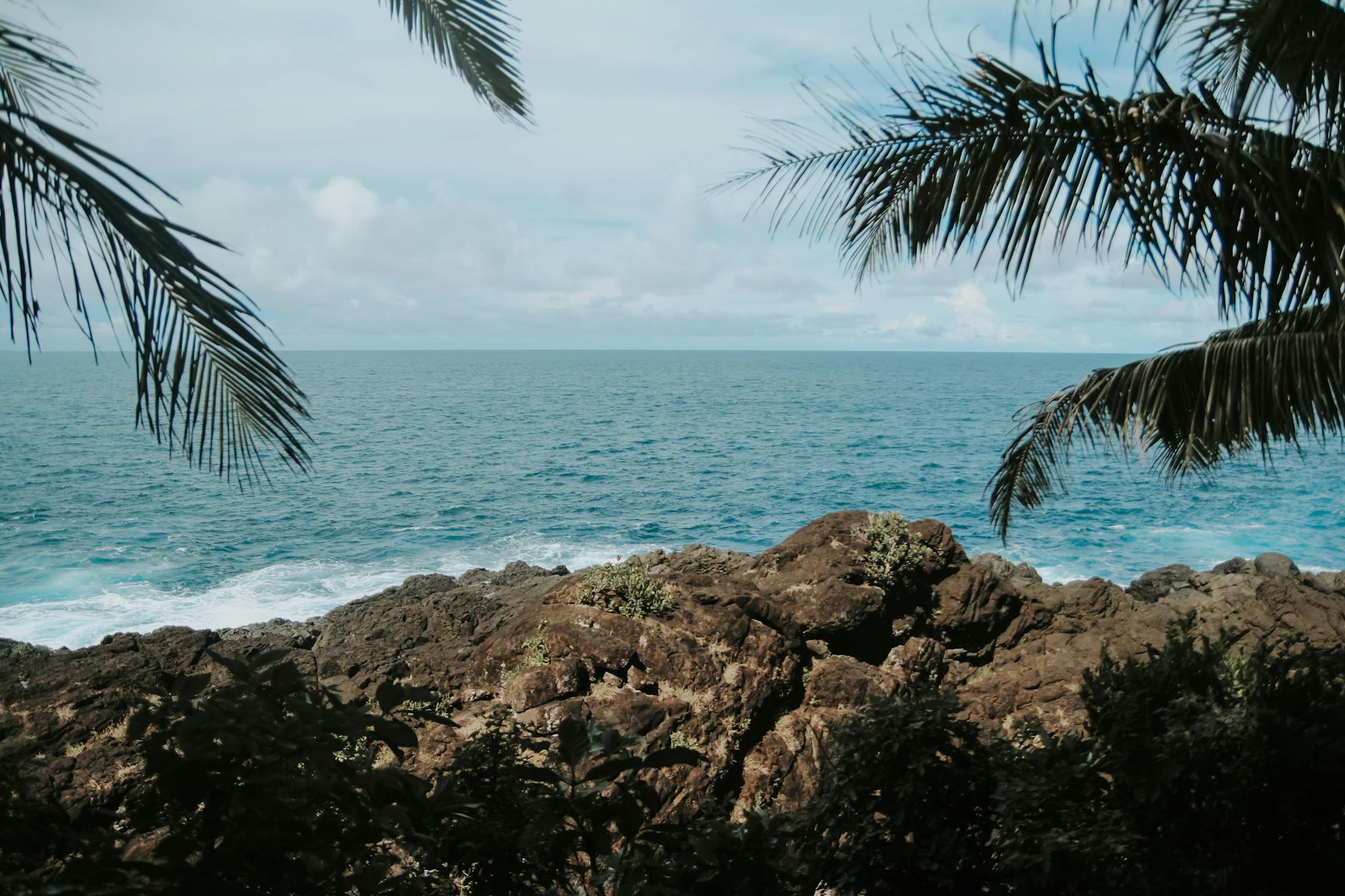
Freediving in Madagascar remains largely undiscovered compared to the region’s scuba diving scene, but the conditions along the northern and western coasts are well-suited to breath-hold diving. Warm water temperatures between 26 and 29 degrees Celsius, deep reef slopes within easy reach, and limited boat traffic make Madagascar an appealing destination for freedivers seeking uncrowded sites. Operators offering formal freediving instruction are currently limited to Nosy Be, where two centres run AIDA and SSI courses. Beyond Nosy Be, experienced freedivers can self-organise day trips to sites where the combination of visibility, depth and marine life makes every descent rewarding.
Essential Gear for Madagascar’s Coastal Activities
Madagascar’s Underwater World Is World-Class — Film It in 5.3K Before It’s Gone
The coral gardens off Nosy Be, the whale sharks of the Mozambique Channel, the humpback whales migrating to Île Sainte-Marie — your phone doesn’t go underwater. The GoPro HERO13 Black shoots 5.3K60 video and is waterproof to 10 metres without any housing. Mount it on your snorkel mask, clip it to your kayak, hand it to your dive guide. Sold directly by Amazon.
Check current price and availability on Amazon →
Madagascar’s UV Index Hits 11+ — Your Skin Needs More Than Sunscreen in the Water
Nosy Be, Île Sainte-Marie, the reefs off Fort Dauphin — spectacular coastal waters under an equatorial sun with UV regularly hitting 11+. Sunscreen washes off within 20 minutes in water. O’Neill’s UPF 50+ long-sleeve rash guard blocks 98% of UV radiation all day, in and out of the water, without reapplication. Stays in place during snorkelling and dives.
Check current price and availability on Amazon →
Snorkelling Madagascar’s Reefs Without UV Protection Is How You Come Home With a Week of Sun Damage
The coral reefs of Nosy Be and Île aux Nattes are some of the most beautiful snorkelling in the Indian Ocean — in direct equatorial sunlight every minute you’re in the water. Hurley’s Women’s UPF 50+ long-sleeve rashguard covers your core, arms, and shoulders with full-spectrum UV protection. Lightweight, fast-drying, designed for real ocean conditions.
Check current price and availability on Amazon →
One Wave, One Pirogue Crossing, One Rain Shower — That’s All It Takes to Lose Your Phone in Madagascar
Madagascar’s water crossings are done in pirogues — narrow dugout canoes with no sides to speak of. One unexpected wave. One overfilled pirogue. One downpour on the RN7 with nowhere to shelter. The JOTO Universal Waterproof Pouch seals your phone in an IPX8-rated case to depths up to 30 metres. Use the touchscreen through the case, take underwater photos. Under $15.
Check current price and availability on Amazon →
Your Camera, Passport, and Valuables Need a Waterproof Shell for Madagascar’s Boat Transfers
Boat transfers to Nosy Komba, dive sites, and the remote beaches of Masoala — waves hit the deck, spray soaks everything unprotected. A wet camera, a soaked passport, or a ruined MacBook is not a one-hour problem in a country where Apple Stores don’t exist. The Earth Pak Dry Bag rolls and clips shut to create a 100% waterproof seal rated to IPX8. NY Times Wirecutter-recommended, 5-year warranty.
Check current price and availability on Amazon →
Plan your Madagascar trip:
Nosy Be — The Northern Base for Freediving with Instruction
Nosy Be is Madagascar’s primary centre for underwater activities and the only location where formal freediving instruction is consistently available. Tropical Diving Nosy Be and Ocean Spirit both offer AIDA 2 and SSI Level 2 freediving courses, typically completed over two days for around €150–€200 per person. The standard training site is the sheltered waters off Sakatia Island, where flat, sandy bottom at 10–12 metres provides safe conditions for static apnea and finning technique work. For depth training, the outer reef wall south of Nosy Tanikely drops cleanly to 30 metres and offers excellent visibility between October and December. Experienced freedivers should also consider the southern point of Nosy Komba, where 25 metres above a clean sand bottom allows extended hang time with good lighting, particularly between 9:00 and 11:00 in the morning.
Nosy Iranja — Open Water Depths for Breath-Hold Divers
Nosy Iranja, the twin-island formation 65 kilometres south of Nosy Be, offers some of the most rewarding open water freediving in northern Madagascar. The western reef wall off Grande Iranja descends from 3 metres down to 28 metres before reaching a sandy slope, making it accessible for divers with a personal best depth of 15 metres and above. Visibility is consistently 20–25 metres between October and December. The site is most productively dived in the early morning before day-tripping snorkellers arrive from Nosy Be. There are no permanent freediving operators based at Nosy Iranja, so divers must either join a live-aboard from Nosy Be or charter their own vessel. Charter cost from Nosy Be runs approximately 350,000–500,000 Ariary for a full day, accommodating up to six divers. Never freedive the outer wall without a safety buddy — tidal currents can be strong around the eastern channel between the two islands.
Read also:
Save money on your Madagascar trip:
Île Sainte-Marie — Blue Water Freediving and Whale Season Overlap
Île Sainte-Marie on the east coast offers a completely different freediving experience to the coral reef dives of Nosy Be. Between July and September, the island sits at the centre of the humpback whale migration corridor, and several operators offer guided freediving encounters with whales in the open ocean. Groups of three to four freedivers commonly report extended swims alongside adults and calves at depths of 5–15 metres during morning encounters. The operator Princesse Bora Lodge has guided snorkel and apnea whale encounters since 2019, charging approximately €80–€120 per person for a three-hour morning session. Outside whale season, from October through May, the southern reef off Sainte-Marie provides clear-water column dives to 20 metres with good populations of reef sharks visible on the descent.
Safety, Operators and Certification in Madagascar
Freediving alone or without proper safety procedures is the primary risk for breath-hold divers in Madagascar. Most sites are remote, boat rescue is slow, and shallow water blackout is not well understood outside professional diving centres. Any freediver beyond Level 1 should ensure a trained safety buddy is present on all dives deeper than 10 metres. AIDA and SSI certified courses at Nosy Be centres include mandatory rescue and blackout recovery training. For non-certified snorkellers who wish to extend their depth safely, the AIDA 1 course at Tropical Diving Nosy Be covers basic safety and equalisation for depths to 10–16 metres, completing in one day for approximately €90. Independent freedivers should carry a freediving buoy and line for safety visibility, particularly on sites with boat traffic such as the outer reef areas around Nosy Tanikely.
Ready to book your Madagascar trip?
Frequently Asked Questions
Can I get a freediving certification in Madagascar?
Yes. AIDA and SSI freediving certifications are available at Tropical Diving Nosy Be and Ocean Spirit Nosy Be. AIDA 2 and SSI Level 2 courses run over two days and cost approximately €150–€200. AIDA 1 is a single-day course focused on safety and basic depth for around €90.
What marine life will I see freediving in Madagascar?
At reef sites around Nosy Be, expect reef sharks, eagle rays, sea turtles, and barracuda on the descent. Humpback whales are possible at Île Sainte-Marie in July–September. Whale sharks are occasionally reported off the Nosy Be coast in October–November, though encounters are unpredictable.
Is freediving safe without a guide in Madagascar?
Freediving without a trained safety buddy is never safe, regardless of location. In Madagascar, the remoteness of dive sites and limited emergency medical infrastructure increase the risk significantly. Always freedive with a buddy who knows blackout rescue and carry a surface marker buoy.
Madagascar’s freediving scene is nascent but genuinely compelling for divers willing to self-organise beyond the standard Nosy Be centres. The combination of warm water, deep reef access, whale encounters in season, and very low dive site traffic makes it one of the most appealing undiscovered freediving destinations in the Indian Ocean. Certification is available and recommended before attempting any site outside the sheltered training waters. Build your depth gradually, dive with a trained buddy at all times, and treat the remote reef walls with the same respect you would apply at a fully managed dive site.
Plan Your Trip to Madagascar
- Read the full Madagascar Travel Guide
- Explore itineraries by style and duration
- Explore the full destination guide
Where to Stay
Hotels, lodges, and tours fill fast for July–September — compare availability now.