Conduire de nuit à Madagascar : pourquoi vous ne devriez jamais le faire (guide 2026)
Cet article contient des liens affiliés. Nous percevons une petite commission sans frais supplémentaires pour vous.
En bref
- Règle : Ne pas conduire après la tombée de la nuit à Madagascar — point final
- Risque principal : Zébus non éclairés sur la route — invisibles la nuit, mortels à l’impact
- Risques secondaires : Absence d’éclairage routier, nids-de-poule, piétons, troupeaux
- Alternative sûre — voler : Vérifiez si votre correspondance ouvre droit à une indemnisation sur AirAdvisor si des retards de vol chambulent votre planning
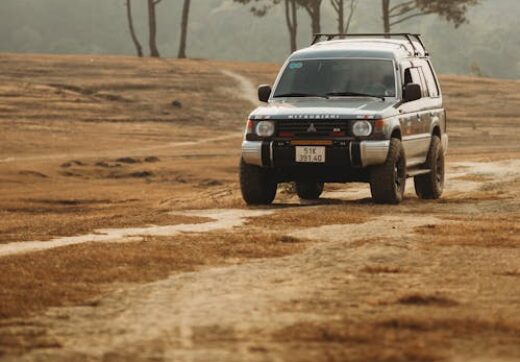
- Alternative sûre — louer : Comparez les 4×4 sur Carla et planifiez des étapes uniquement de jour
- Assurance obligatoire : SafetyWing dès 1,82 $/jour — couverture évacuation avant tout road trip
Chaque voyageur expérimenté à Madagascar, chaque opérateur touristique agréé et chaque statistique d’accidents de la route sur l’île aboutissent à la même conclusion : conduire après la tombée de la nuit à Madagascar est extraordinairement dangereux. Ce n’est pas une mise en garde générale — c’est une règle stricte appliquée par toutes les agences réputées et tous les assureurs opérant sur l’île. Ce guide explique précisément pourquoi, et ce que vous devriez faire à la place lorsque votre programme se décale.
Planifiez votre voyage à Madagascar :
Pourquoi les routes malgaches deviennent mortelles après la tombée de la nuit
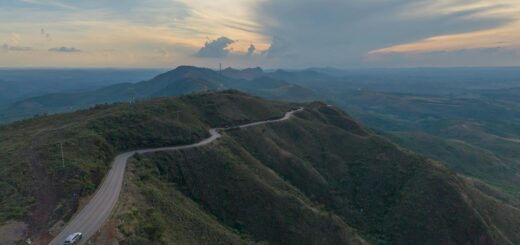
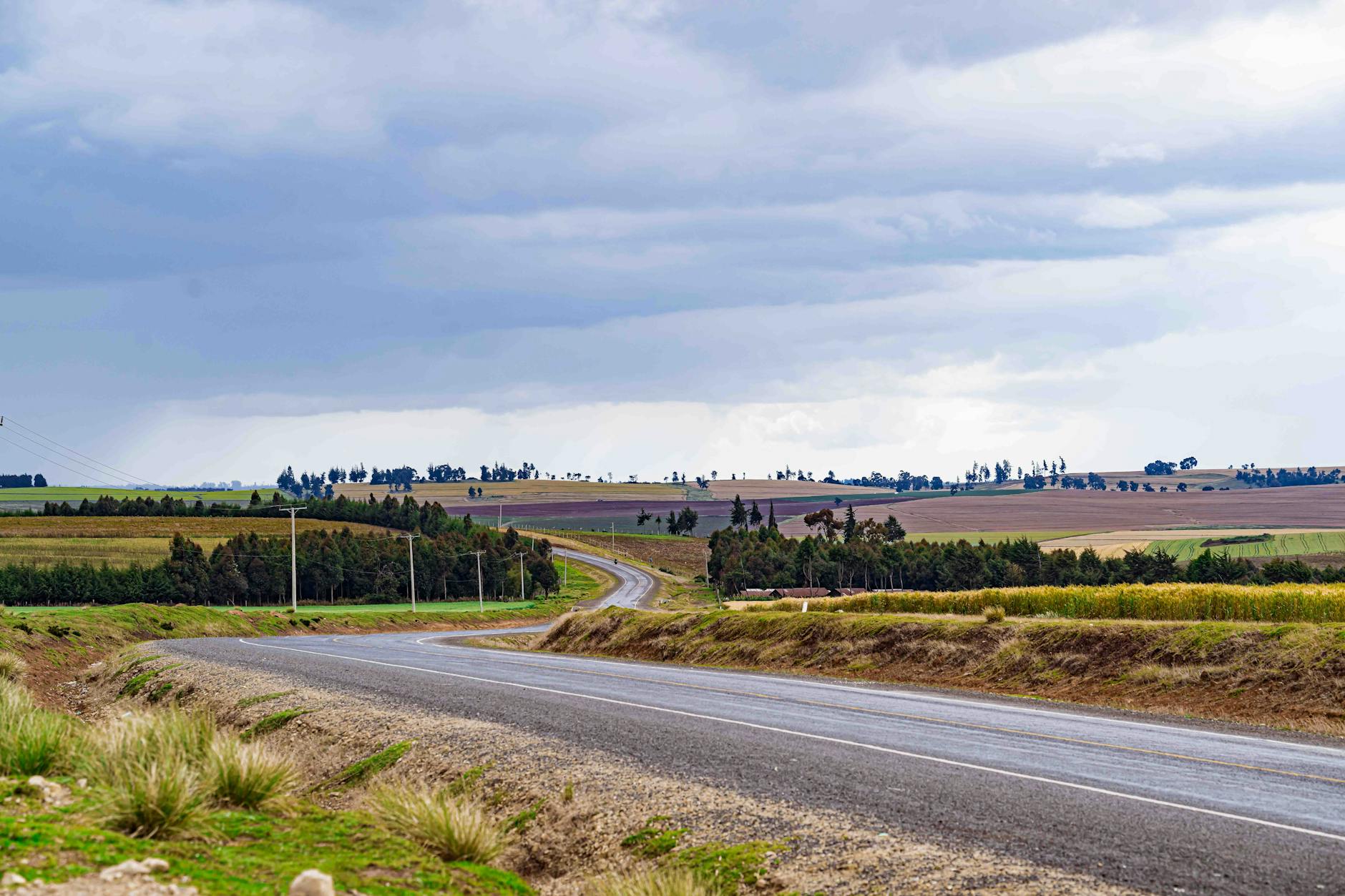
Madagascar ne dispose pratiquement d’aucun éclairage routier en dehors du centre-ville d’Antananarivo et de quelques périmètrès de grandes villes. Une fois le soleil couché, la RN7, la RN13, la RN5 et toutes les routes secondaires plongent dans l’obscurité totale. Les conducteurs dépendent entièrement de leurs propres phares, qui éclairent généralement 40 à 60 mètrès devant eux en feux de croisement — bien moins que la distance de freinage nécessaire face à un obstacle inattendu.
La qualité des routes aggrave le problème. Les groupes de nids-de-poule visibles et évitables de jour deviennent des obstacles invisibles la nuit. Sur les sections de piste latéritique — notamment dans le sud et l’ouest — les bords des routes ne sont pas balisés et les ravines d’érosion peuvent atteindre 30 à 50 centimètrès de profondeur. Quitter la piste de jour est récupérable ; la nuit, à vitesse, cela entraîne des tonneaux.
Les piétons et cyclistes sans réflecteurs empruntent toutes les routes de Madagascar après la tombée de la nuit, en particulier les jours de marché. Ces dangers sont invisibles jusqu’à ce qu’ils soient directement dans le faisceau de vos phares, souvent à une distance où le freinage est impossible à vitesse de croisière normale.
Le problème des zébus : le danger invisible sur les routes
Le zébu est sacré dans la culture malgache — il représente la richesse, est utilisé dans des contextes cérémoniels et circule librement dans la majeure partie du pays. La nuit, les troupeaux se déplacent fréquemment sur les routes goudronnées pour profiter de la chaleur résiduelle emmagasinée dans le bitume. Un taureau zébu adulte pèse 350 à 450 kilogrammes. Un véhicule qui percute un zébu à 80 km/h ne sort pas intact de l’impact.
Contrairement au bétail européen, les zébus malgaches ont généralement une robe sombre (brun, gris ou noir) et ne portent pas de marquages réfléchissants. Ils se tiennent immobiles sur la route, invisibles au-delà de 20 à 25 mètrès dans les phares d’un véhicule. Aux vitesses de conduite interurbaines habituelles, le temps de réaction depuis la première vision jusqu’au freinage complet est insuffisant pour éviter une collision.
Ce n’est pas théorique : les collisions avec des zébus sont des causes documentées de décès sur la RN7 entre Antananarivo et Fianarantsoa, sur la RN13 et sur les routes côtières autour de Mahajanga et de Tuléar. Les opérateurs touristiques à travers Madagascar appliquent une politique stricte de zéro conduite nocturne précisément à cause des zébus.
À lire aussi :
Economisez sur votre voyage à Madagascar :
Ce que disent réellement les opérateurs et les assureurs
Tous les grands opérateurs touristiques de Madagascar — Boogie Pilgrim, Mad Caméléon, Cortez Expéditions, Terres Malgaches — incluent une clause contractuelle d’interdiction de conduite nocturne pour les chauffeurs embauchés. Les chauffeurs qui violent cette clause lors d’un voyage client annulent la couverture responsabilité civile de l’agence. Ce n’est pas une préférence ; c’est une politique formelle imposée par les assureurs.
Les polices d’assurance voyage internationales — notamment SafetyWing, World Nomads et la plupart des assurances voyage européennes — excluent généralement les accidents de la route survenus entre le coucher et le lever du soleil dans les pays classés à risque routier élevé. Madagascar est systématiquement classée dans cette catégorie. Si vous êtes impliqué dans un accident en conduisant de nuit à Madagascar, votre assureur a de bonnes raisons de refuser votre demande d’indemnisation.
En pratique : planifiez toujours la fin de vos trajets au moins 30 minutes avant le coucher du soleil. Prévoyez des jours tampons dans vos itinéraires à plusieurs étapes afin qu’un ferry retardé, une crevaison ou une visite de parc national plus longue que prévu ne vous oblige pas à prendre la route de nuit. Cette seule habitude prévient la grande majorité des incidents graves pour les touristes.
Alternatives sûres quand votre programme prend du retard
La bonne réponse lorsque vous réalisez que vous n’atteindrez pas votre destination avant la nuit est de vous arrêter — pas de continuer. Chaque ville et village sur chaque grande route de Madagascar dispose d’au moins une pension (hotely) ou d’un hébergement économique. Le confort peut être basique, mais le coût (15 000–40 000 MGA par nuit) est bien inférieur à celui d’une évacuation médicale.
Pour les étapes où le timing est imprévisible — notamment les routes reliées aux traversées en ferry ou aux entrées de parcs nationaux — envisagez les vols intérieurs comme alternative. Air Madagascar et Tsaradia desservent Nosy Be, Fort Dauphin, Morondava, Mahajanga et d’autres destinations clés. Les tarifs aller simple intérieurs varient de 60 à 180 USD selon l’itinéraire et le délai de réservation.
Si un retard de vol ou une perturbation de correspondance a décalé votre programme routier dans l’obscurité, vous avez peut-être droit à une indemnisation. Les vols transitant par Paris, Nairobi ou La Réunion sont couverts par le règlement européen CE 261 — vérifiez gratuitement votre éligibilité sur AirAdvisor, qui gère la procédure de réclamation sans frais initiaux. Consultez également notre guide complet de sécurité à Madagascar pour les risques routiers par région.
Prêt(e) à réserver votre voyage à Madagascar ?
Questions fréquentes
Est-il jamais acceptable de conduire de nuit à Madagascar ?
Non. Chaque opérateur agréé, assureur et voyageur expérimenté applique une règle d’interdiction de conduite nocturne. Le seul risque lié aux zébus rend la conduite après la tombée de la nuit injustifiable. Si vous êtes en retard sur votre programme, arrêtez-vous et reprenez à l’aube.
Que faire si mon contrat de location ne mentionne pas la conduite de nuit ?
La plupart des contrats de location malgaches n’interdisent pas explicitement la conduite de nuit, mais la plupart des polices d’assurance voyage internationales excluent les accidents entre le coucher et le lever du soleil sur les routes à haut risque. Vérifiez les termes de votre police avant de conduire.
À quelle heure fait-il nuit à Madagascar ?
Madagascar se situe entre 12° et 25° de latitude sud. Le coucher du soleil varie d’environ 17h45 (juin/juillet, saison sèche) à 18h30 (décembre/janvier, saison des pluies). Cessez de conduire avant 17h15 en hiver pour conserver une marge de sécurité.
Un conducteur local peut-il conduire en sécurité de nuit ?
Les chauffeurs professionnels malgaches refusent également de conduire de nuit. Tout chauffeur qui propose de continuer après la tombée de la nuit — local ou non — prend un risque qu’aucun tarif ne justifie. Insistez pour vous arrêter.
La conduite de nuit à Madagascar n’est pas un risque calculé — c’est un risque inutile. Le danger des zébus, l’absence d’éclairage routier et les clauses d’exclusion des polices d’assurance voyage se combinent pour rendre la conduite après la tombée de la nuit véritablement injustifiable pour les touristes. Planifiez vos étapes quotidiennes pour se terminer avant le coucher du soleil, prévoyez des jours tampons dans votre itinéraire et arrêtez-vous sans hésitation lorsque le crépuscule approche avant d’atteindre votre destination.
Quelle que soit l’heure à laquelle vous conduisez, l’assurance voyage est non négociable à Madagascar. L’évacuation médicale suite à un accident de la route coûte entre 30 000 et 80 000 USD. Souscrivez SafetyWing avant votre road trip — les formules à partir de 1,82 $/jour incluent la couverture évacuation d’urgence et s’activent dès votre date de départ.
Planifiez Votre Voyage à Madagascar
- Lire le guide de voyage complet Madagascar
- Explorer les itinéraires par style et durée
- Explorer le guide complet de la destination
Où Dormir