Betsileo Ethnic Group: The Terrace Farmers of the Southern Highlands
This post contains affiliate links. We may earn a small commission at no extra cost to you.
At a Glance
- Population: ~12% of Madagascar — the third largest ethnic group (roughly 3.5 million)
- Heartland: southern highlands between Antsirabe and Ihosy, centred on Fianarantsoa
- Known for: the most advanced rice terrace engineering in Madagascar and exceptional woodcarving
- Cultural capital: Ambositra — Madagascar’s centre of traditional woodcarving
- Best route: RN7 from Antananarivo south — country’s most maintained highway
- Train experience: Fianarantsoa–Manakara FCE railway through Betsileo territory
- 4WD rental: Compare car rentals on Carla
- Travel insurance: SafetyWing from $1.82/day
🎒 Madagascar Trip Essentials
A few inexpensive items make the biggest difference on the ground in Madagascar:
- Picaridin insect repellent — DEET-free protection against malaria mosquitoes. See on Amazon →
- Permethrin clothing spray — treat clothes; kills mosquitoes on contact for weeks. See on Amazon →
- Pop-up mosquito net — budget lodges rarely provide one; packs down tiny. See on Amazon →
- Water filter bottle — tap water isn’t safe to drink in Madagascar. See on Amazon →
- Universal travel adapter (USB-C) — Madagascar uses European-style plugs. See on Amazon →
- 8×42 binoculars — essential for spotting lemurs and chameleons in the canopy. See on Amazon →
As an Amazon Associate we earn from qualifying purchases.
The Betsileo are Madagascar’s master agricultural engineers. Their terraced rice landscapes — sculpted across the southern highlands over centuries — rank with the great terraced agricultural systems of Asia, yet remain almost unknown internationally. Visiting Betsileo country reveals a deeply traditional culture in active daily practice, accessible directly from Antananarivo via the country’s best road.
Betsileo Identity and the Meaning of the Name
The name Betsileo translates as the many invincible, a reference to the population’s historic resistance to outside conquest during the precolonial period when smaller chiefdoms in the southern highlands repeatedly held off Merina expansion. Eventually absorbed into the Merina Kingdom in the early 19th century, the Betsileo retained their cultural distinctiveness — a different dialect of Malagasy, distinct musical traditions, separate woodcarving idiom, and their own variant of the Famadihana ancestral reburial ceremony.
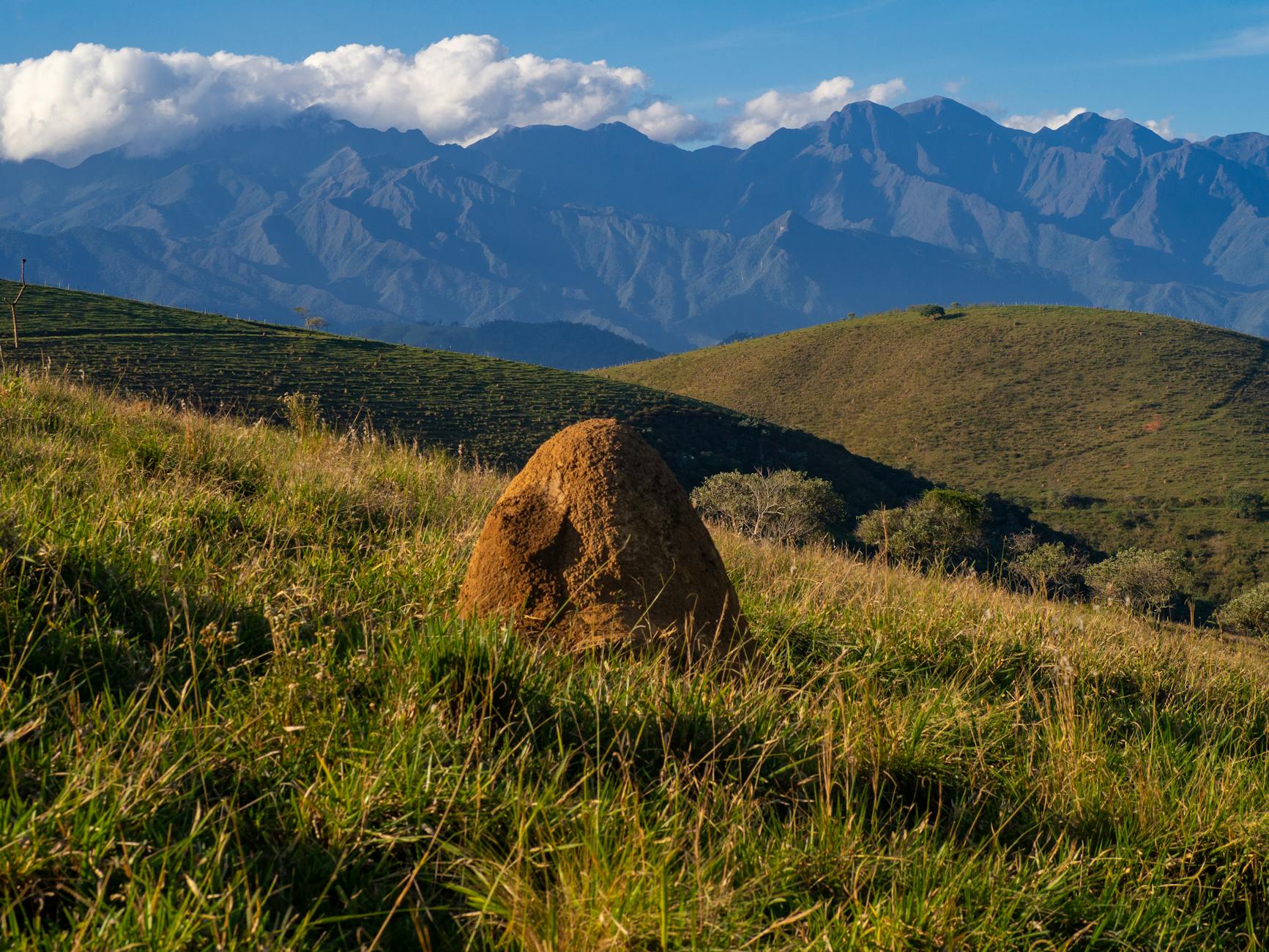
Today the Betsileo are concentrated in three regional centres: Ambositra in the north (woodcarving capital), Fianarantsoa in the middle (administrative and Catholic heart), and Ambalavao in the south (gateway to Andringitra and the southern plains). The total population is approximately 3.5 million — about 12% of Madagascar — making them the country’s third-largest ethnic group after the Merina and Betsimisaraka. Their landscape between roughly 700 and 1,500 metres of elevation gives them a cooler, wetter agricultural environment than the lowland coasts, ideal for the terraced rice that defines their economy.
The Terrace Rice Engineering of Betsileo Country
Betsileo terracing is widely considered more technically advanced than Merina terracing. Where Imerina rice fields are typically single-level plots fed by river irrigation, Betsileo systems use multi-level terraces stacked up steep hillsides, with carefully calibrated water release channels (vavahady) that move irrigation flows from upper levels to lower as needed. The result is rice cultivation on land that would be agriculturally useless without engineering — slopes of 20 to 40 degrees converted into productive terraces.
The terraces around Ambositra and especially along the road south from Fianarantsoa toward Ambalavao are among the most photogenic agricultural landscapes in Madagascar. Best viewing is June through August when harvested fields show contrasting amber tones against green new plantings. Water rights are inherited and shared communally — a system called fanjakana ny rano (the government of water) coordinates allocations among families with terraces on the same hillside. Disputes are settled by village elders, not state courts. This continuity over centuries of traditional governance is part of what makes Betsileo culture so durable.
Ambositra and the Betsileo Woodcarving Tradition
Ambositra is unique in Madagascar — a town built entirely around woodworking. Walking its main street is an extended tour through carving workshops where families have practised the same craft for five or six generations. Betsileo carving is recognisable by its geometric panel work — repeating motifs that derive from rice-field patterns, Zafimaniry forest symbols, and Malagasy spiritual cosmology. The Zafimaniry people, a Betsileo subgroup in the highlands east of Ambositra, were inscribed on the UNESCO list of Intangible Cultural Heritage in 2008 for their wood carving and architectural knowledge.
The carved wooden architecture covered in our guide to Malagasy architecture is largely a Betsileo and Zafimaniry tradition in its most refined forms. The Saturday market in Ambositra brings carvers from outlying villages — authentic pieces sell here for a fraction of Antananarivo gallery prices. Buy small, transport carefully, and ask carvers about the symbolism — most pieces carry specific meanings about marriage, fertility, ancestry, or harvest cycles.
Visiting Betsileo Country: Routes, Stops and the FCE Railway
The RN7 south from Antananarivo is Madagascar’s most maintained road. Ambositra is approximately 250 kilometres and 4–5 hours from Tana; Fianarantsoa is 400 kilometres and 8 hours; Ambalavao is 460 kilometres. Taxi-brousse covers all three, but a private vehicle gives you the freedom to stop at terrace viewpoints. Compare 4WD rental options on Carla — a high-clearance vehicle is not essential for RN7 but useful for excursions off the main road.
From Fianarantsoa, the FCE railway (Fianarantsoa–Côte Est) runs approximately 160 kilometres east to Manakara on the Indian Ocean. The route descends from 1,200 metres elevation to sea level through Betsileo terraces, dense forest, and waterfalls — one of the most spectacular train journeys in Africa when it runs (service is intermittent; verify departures locally before committing to a date). South of Fianarantsoa, Ranomafana National Park sits in Betsileo territory and combines wildlife viewing with cultural context. The cultural sibling to the north is covered in our guide to the Merina people.
Frequently Asked Questions
Where is the centre of Betsileo culture today?
Fianarantsoa is the administrative and Catholic heart of Betsileo culture, while Ambositra is the centre of traditional woodcarving and architectural heritage. The Zafimaniry villages in the highlands east of Ambositra are UNESCO-listed for their wood carving and architectural knowledge — accessible by 4WD from Ambositra.
How long does it take to get from Antananarivo to Fianarantsoa?
Approximately 8 hours by private vehicle on the RN7 covering 400 kilometres, or 10 to 12 hours by taxi-brousse with stops. The road is among Madagascar’s best-maintained, but allow for slow truck traffic and zebu crossings. Many travellers split the trip with a night in Antsirabe (3 hours from Tana) or Ambositra (4–5 hours from Tana).
Is the Fianarantsoa-Manakara FCE railway worth taking?
Yes, when it runs. Service is intermittent and dependent on rolling-stock condition — verify departures with local operators before committing to a date. When it operates, the journey is spectacular: 160 kilometres descending from highlands to coast through terraces, forest, and waterfalls. Allow 8 to 12 hours one-way; the train runs slowly and stops frequently in villages.
Betsileo country is one of the most rewarding cultural corridors in Madagascar — and the RN7 makes it remarkably accessible from Antananarivo. Spend at least one night in Ambositra (woodcarving), one in Fianarantsoa (Catholic heart of the south), and ideally one near Ambalavao or Ranomafana. The terraces, the carvers’ workshops, and the slower rhythm of highland life leave a lasting impression. Before flying to Madagascar, make sure your insurance covers medical evacuation — costs reach $80,000. Get covered with SafetyWing before you fly — plans start from $1.82 per day.
Travel Insurance for Madagascar
Medical evacuation from Madagascar costs $30,000–$80,000. Don’t travel without cover.
- SafetyWing — Best for budget travelers and long stays. From $1.82/day.
- World Nomads — Best for adventure activities: trekking, diving, motorbikes.
Plan Your Trip to Madagascar
- Read the full Madagascar Travel Guide
- Explore itineraries by style and duration
- Explore the full destination guide
Where to Stay