Best Madagascar Culinary & Wine Experiences 2026: Vanilla, Fine Dining, Cooking Classes & Regional Cuisine
Affiliate disclosure: This article contains sponsored links to hotels, tour operators, insurance providers, and other travel services. We earn a small commission if you book through our links, at no extra cost to you.
Best Madagascar Culinary & Wine Experiences 2026 — At a Glance
- Top culinary regions: SAVA (vanilla heartland), Antananarivo (refined dining + cooking classes), Nosy Be (seafood + ylang-ylang gastronomy), Highlands (rice traditions + Hauts Plateaux cuisine), West Coast (Vezo seafood + grilled traditions)
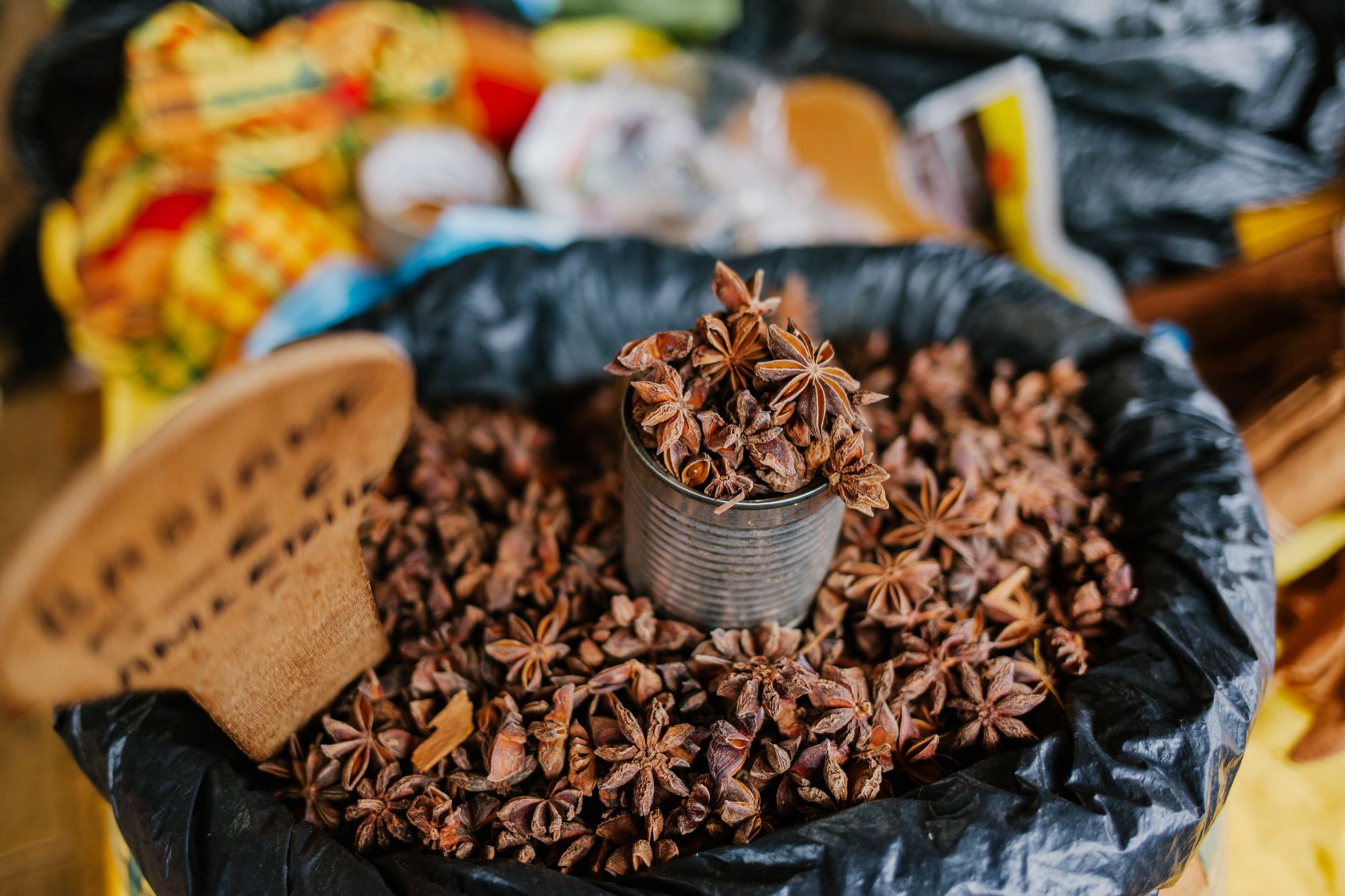
- Signature ingredients: Madagascar vanilla (world’s 80% supply), pink pepper, cloves, ylang-ylang, ravensara, lychees, mangoes, zebu beef, freshwater shrimp, baobab fruit
- Best culinary season: May–November (dry, optimal market visits, harvest timing for vanilla curing)
- Top culinary lodges: Anjajavy (locally-sourced fine dining), Tsara Komba (Madagascan-French fusion), Constance Tsarabanjina (Indian Ocean seafood-led), Time + Tide Miavana (contemporary international with Madagascar ingredients)
- Signature culinary experiences: SAVA vanilla curing house visits, Antananarivo fine dining, Sakalava traditional cooking, Vezo coastal cuisine, market tours with chef
- Wine experience: Madagascar produces small-volume wines (Lazan’i Betsileo, Clos Malaza); imported wine programs at luxury lodges are stronger
- Insurance: SafetyWing Nomad Insurance Complete — covers medical evacuation across culinary destinations
- Flight protection: EU261 €600 per passenger for European inbound flight disruptions
- Tana hotels: Antananarivo premium suites on Agoda
🎒 Madagascar Trip Essentials
A few inexpensive items make the biggest difference on the ground in Madagascar:
- Picaridin insect repellent — DEET-free protection against malaria mosquitoes. See on Amazon →
- Permethrin clothing spray — treat clothes; kills mosquitoes on contact for weeks. See on Amazon →
- Pop-up mosquito net — budget lodges rarely provide one; packs down tiny. See on Amazon →
- Water filter bottle — tap water isn’t safe to drink in Madagascar. See on Amazon →
- Universal travel adapter (USB-C) — Madagascar uses European-style plugs. See on Amazon →
- 8×42 binoculars — essential for spotting lemurs and chameleons in the canopy. See on Amazon →
As an Amazon Associate we earn from qualifying purchases.
Why Madagascar Is an Emerging Culinary Destination in 2026
Madagascar’s culinary positioning in 2026 reflects the country’s unique position as global producer of one of the world’s most valuable agricultural products (vanilla — Madagascar produces approximately 80% of world supply) and as a culinary tradition incorporating influences from Arabian, African, French, and Asian trade routes. The combination of endemic ingredients, multi-cultural culinary heritage, and emerging fine-dining infrastructure creates genuine culinary distinctiveness unavailable at other Indian Ocean destinations.
For travelers seeking culinary experiences with authentic depth, Madagascar offers what generic luxury destinations can’t: visits to the SAVA region vanilla curing houses (the most economically important agricultural region in Madagascar), interactions with traditional Sakalava and Vezo cooking traditions, dining at lodges with genuinely Madagascan-sourced ingredients, and exposure to the highlands’ rice traditions integrating Indonesian agricultural heritage. For broader Madagascar luxury context, see our Madagascar Luxury Itinerary 2026 guide.
The Five Top Culinary Regions in Madagascar 2026
| Region | Culinary signature | Best for | Access |
|---|---|---|---|
| SAVA Region (northeast) | Vanilla, cloves, pepper — global spice production heartland | Vanilla aficionados, spice enthusiasts | Sambava/Vohémar via Tsaradia from Tana |
| Antananarivo | Refined Malagasy-French dining, cooking classes, market tours | Urban culinary exploration, classical training | Direct international flights to TNR |
| Nosy Be region | Seafood, ylang-ylang ingredient integration, Indian Ocean fusion | Seafood culinary focus + island wellness | Tsaradia from Tana (75 min) |
| Highlands (Hauts Plateaux) | Rice traditions, Indonesian heritage influences, highland cuisine | Cultural-culinary exploration | Road from Tana to Antsirabe, Fianarantsoa |
| West Coast (Mahajanga to Toliara) | Vezo coastal cuisine, grilled fish traditions, west coast seafood | Coastal culinary immersion | Tsaradia + road; various access points |
1. SAVA Region — The Vanilla Heartland
The SAVA region (Sambava, Antalaha, Vohémar, Andapa) in northeastern Madagascar produces approximately 80% of the world’s vanilla supply. The region’s economy and culture are inseparably tied to vanilla production. Culinary travelers visiting SAVA experience the curing houses where green vanilla pods undergo the 3-month curing process that transforms them into the aromatic black pods global culinary supply chains use. Direct purchase from curing houses costs 60-80% less than retail prices in Europe or North America.
Beyond vanilla, SAVA produces clove (Sambava is one of two global clove production regions outside Indonesia), white and black peppercorn, cinnamon, and ylang-ylang essential oil. The region’s spice production diversity is genuinely unmatched globally. For dedicated SAVA coverage, see our SAVA Region Vanilla Tour 2026 guide.
2. Antananarivo — Refined Madagascan-French Dining
The capital city of Antananarivo has emerged as Madagascar’s culinary capital. The city hosts the country’s most refined fine-dining establishments combining Malagasy ingredients with French culinary techniques (a relationship dating to French colonial period that has matured into genuinely refined fusion). Premier restaurants include Le Saka, La Varangue, Marais, Sakamanga (cultural restaurant), and several luxury hotel dining rooms.
Beyond fine dining, Antananarivo hosts cooking classes (Le Petit Verdot, Sakamanga cooking school), market tours of Marché Analakely, and traditional Malagasy dining experiences. The city’s altitude (1,200 meters) makes summer evenings comfortable for outdoor dining at premium establishments.
3. Nosy Be Region — Indian Ocean Seafood Fusion
Nosy Be’s culinary identity centers on seafood — locally-caught lobster, langoustine, freshwater shrimp from the channels between islands, daily-caught fish from the surrounding waters, and shellfish from the reef ecosystems. The cuisine blends Madagascan, Indian Ocean, and Indonesian influences (the island’s name reflects this trading heritage). Premier dining at Vanila Hotel, Sakatia Lodge, and several beachfront restaurants showcase the region’s culinary range.
Nosy Be is also Madagascar’s primary ylang-ylang production region — the perfume-quality essential oil from ylang-ylang flowers is integrated into desserts (chocolate-ylang-ylang truffles), sauces, and infused drinks. The unique ingredient combination is genuinely Madagascar-distinctive.
4. Highlands (Hauts Plateaux) — Rice and Cultural Cuisine
The highlands extending south from Antananarivo through Antsirabe and Fianarantsoa preserve Madagascar’s deepest culinary traditions — rice-centered cuisine reflecting the Indonesian agricultural heritage that arrived with the island’s first settlers approximately 1,500 years ago. Traditional Malagasy meals center on rice with accompanying meat (zebu beef most common), vegetables, and condiments (rougail, sakay hot sauce).
Cultural-culinary travelers experiencing the highlands gain understanding of how Indonesian rice cultivation traditions evolved in Madagascar’s unique environment. The Pousse-Pousse town of Antsirabe and the colonial-era town of Fianarantsoa offer authentic dining experiences plus traditional craft and culinary integration.
5. West Coast — Vezo Coastal Cuisine
Madagascar’s west coast (Mahajanga to Morondava to Toliara) preserves Vezo traditional fishing community cuisine. The Vezo are nomadic fishing peoples whose food traditions emphasize grilled fish, seafood salads, coconut-based curries, and rice-coconut combinations. Beach restaurants along the west coast — from luxury (Anjajavy Le Lodge) to authentic small operations (Belo-sur-Mer, Anakao) — showcase these traditions.
The west coast also produces Madagascar’s distinctive smoked fish products and dried seafood used as condiments throughout the country. For travelers wanting authentic coastal Madagascar culinary experience, west coast is the destination.
Signature Madagascar Ingredients and Their Culinary Importance
Vanilla
Madagascar vanilla is genuinely world-leading both in volume (approximately 80% of global supply) and quality (the long bourbon vanilla pods produce the most complex flavor profile of any vanilla). The curing process — 3 months of careful drying and fermentation — distinguishes Madagascar vanilla from Mexican, Tahitian, or Indonesian alternatives. Direct purchase from SAVA region producers costs $25-$45 per 10 pods vs $80-$150 retail in Europe/North America.
Pink and black pepper
Madagascar produces small but distinguished volumes of pink pepper (actually pink peppercorn berries, distinct from true pepper) and Voatsiperifery wild black pepper (genuinely distinctive forest-foraged variety). The Voatsiperifery has emerged as a global culinary specialty product, sold in fine-dining contexts internationally.
Cloves
Madagascar is one of two major global clove production regions (Indonesia and Madagascar). The SAVA region produces approximately 30% of world clove supply. Beyond culinary use, Madagascar cloves drive the country’s ylang-ylang essential oil industry through clove oil byproduct.
Lychees and tropical fruits
Madagascar is the world’s largest lychee exporter to Europe (most European lychees come from Madagascar). The lychee season November-December is the country’s most distinctive tropical fruit experience. Other tropical fruits — mangoes, pineapples, soursop, jackfruit — feature in Madagascar cuisine year-round.
Zebu beef
Zebu (humped Indian cattle introduced through Arab trading networks centuries ago) provides Madagascar’s primary protein source. The zebu beef is leaner and more flavorful than Western beef breeds; grilled zebu is the signature meat dish across Madagascar cuisine. Specialty preparations like brochettes zebu (skewered grilled beef) are accessible to culinary travelers throughout the country.
Freshwater shrimp
Madagascar’s lakes and channels produce distinctive freshwater shrimp (camarons) — larger and more flavorful than ocean shrimp. The freshwater shrimp from Lake Alaotra and the Pangalanes channels are particularly distinguished. Premier restaurants throughout Madagascar feature these shrimp prepared in various traditional preparations.
Coconut and rice
The Indonesian heritage of Madagascar’s first settlers established coconut and rice as foundational ingredients. Coconut milk-based curries, coconut rice preparations, and rice as accompaniment to virtually every main dish reflect this 1,500-year culinary tradition. Madagascar produces several rice varieties including the distinctive red rice (vary mena) grown in highland terraces.
Baobab fruit
The baobab tree’s “monkey bread” fruit produces a tart powder used as souring agent and natural vitamin source. Baobab fruit pulp powder is increasingly featured in luxury dining as Madagascar-distinctive ingredient. The powder integrates into desserts, sauces, and ice cream preparations.
Top Culinary Lodges and Their Dining Programs
Anjajavy Le Lodge
Anjajavy’s dining program emphasizes local sourcing — produce from the lodge’s gardens, fish caught daily by lodge fishermen, zebu from regional ranches. The kitchen integrates traditional Vezo cuisine with French refined technique. Premium wine list features French selections alongside boutique Madagascar wines. Cost range: $1,400-$2,800/night per villa (dining included).
Tsara Komba
The boutique-Madagascan property at Tsara Komba showcases the cleanest expression of locally-sourced Madagascan cuisine. The 8-villa scale enables personalized dining preparation. Wine program is French-led but the food represents authentic Madagascan culinary depth. Rate range $1,200-$2,400/night.
Constance Tsarabanjina
Tsarabanjina’s all-inclusive format includes elaborate dining program featuring Indian Ocean seafood specialties. The kitchen sources daily catch from surrounding waters. International wine program and premium drinks all included. Rate range $1,100-$2,200/night per bungalow, all-inclusive.
Time + Tide Miavana
Miavana’s dining offers the most contemporary international cuisine in Madagascar, featuring international culinary techniques applied to Madagascar ingredients. The tasting menus and wine pairings rival international ultra-luxe properties. Specialty experiences include beach dinners and helicopter-arranged remote dining experiences. Rate range $3,000-$5,200/night per villa.
Vanila Hotel Nosy Be
Beyond luxury lodge dining, Vanila Hotel’s restaurant program is one of Madagascar’s most refined hotel dining experiences. Vanilla-focused desserts and sauces showcase the property’s commitment to local ingredients. Mid-tier accommodation pricing makes the culinary experience accessible at $320-$580/night.
Cooking Classes and Culinary Education in Madagascar
Madagascar offers various culinary education experiences ranging from market tours to extended cooking school programs.
Antananarivo cooking classes
The Sakamanga Cooking School in Antananarivo offers structured Malagasy cooking classes ranging from 2-hour introductions to multi-day intensive programs. Le Petit Verdot offers smaller-scale culinary education with focus on French-Malagasy fusion techniques. Cost: $40-$120 per class depending on duration and complexity.
Vanilla curing house visits (SAVA region)
SAVA region cooperative curing houses welcome culinary travelers for guided tours of the vanilla curing process. Visit duration 2-3 hours including tasting and direct-purchase opportunity. Cost: $40-$120 per visit. Sambava-area cooperatives include AVT, Sambava Vanilla, and several smaller operations.
Market tours with chef
Several Antananarivo chefs offer market tours of Marché Analakely (the city’s primary food market). Tours typically run 3-4 hours including market shopping followed by cooking demonstration or meal preparation. Cost: $80-$200 per couple.
Lodge-based culinary experiences
Premium lodges (Anjajavy, Miavana) offer in-house culinary experiences — private chef demonstrations, ingredient sourcing tours of property gardens, regional cuisine specialty dinners. These experiences are typically included in premium lodge packages or available at modest supplement cost.
The Madagascar Wine Scene
Madagascar’s wine production is small-volume and quality-variable. The two main wine-producing regions are Antsirabe (highlands) and Fianarantsoa. Major producers include Lazan’i Betsileo and Clos Malaza. The wines are interesting culturally but typically don’t reach the quality of imported French or South African wines available at luxury lodges.
Imported wine programs
Luxury lodges (Miavana, Anjajavy, Tsara Komba, Tsarabanjina) maintain extensive imported wine programs with French, South African, and increasingly New World selections. Premium wine pairings at lodge dining cost $150-$400 per couple per meal.
Local Madagascar spirits
Madagascar produces distinctive spirits including dzama rum (sugar cane rum), eau de vie (fruit brandies), and arranged rum (rum infused with local fruits and spices). The arranged rum is a particularly distinctive Madagascar specialty, often featuring vanilla, ginger, and pink pepper infusions. Specialty restaurants and lodges feature these spirits in cocktail programs.
Sample 10-Day Culinary Itinerary
The textbook Madagascar culinary tour combining urban dining, regional specialty exploration, and lodge culinary depth:
- Day 1: Arrival Tana, buffer night at premium hotel with welcome dinner at Le Saka
- Day 2: Tana cooking class at Sakamanga, market tour of Marché Analakely, evening at La Varangue
- Day 3: Tsaradia to Sambava (SAVA region). Vanilla curing house visit afternoon
- Day 4: SAVA region full-day — clove production visit, pink pepper farms, traditional restaurant dining
- Day 5: Tsaradia to Nosy Be, transfer to Vanila Hotel. Welcome dinner with vanilla focus
- Days 6-8: Nosy Be culinary exploration — seafood dining at multiple restaurants, ylang-ylang dessert experiences, boat trip with lunch preparation, Sakatia Lodge dinner
- Day 9: Return to Tana, fine dining farewell at La Varangue
- Day 10: Departure
Total cost (couple, mid-tier culinary trip): $14,000-$22,000 excluding international flights. The combination of SAVA + Nosy Be + Tana delivers Madagascar’s three most distinctive culinary regions in one trip.
Madagascar Culinary vs Other Global Culinary Destinations
Madagascar vs Sri Lanka for spice tourism
Sri Lanka offers more developed spice tourism infrastructure (established spice gardens with regular tours). Madagascar offers genuinely working production economy (vanilla, cloves) accessible to visitors. Different traveler profile: Sri Lanka for structured tourism, Madagascar for authentic working production exposure.
Madagascar vs Vietnam for culinary travel
Vietnam has the most developed culinary tourism infrastructure in Asia. Madagascar offers more distinctive ingredient access (vanilla, ylang-ylang) but less developed culinary infrastructure. Better for travelers wanting ingredient depth vs cuisine technique depth.
Madagascar vs Mexico for vanilla tourism specifically
Mexico is the historical home of vanilla; Madagascar is the modern production capital. Both offer vanilla-focused experiences but with different emphasis — Mexican vanilla tourism focuses on historical traditions, Madagascar focuses on contemporary production. For dedicated comparison, see our Madagascar vs Sri Lanka vs Zanzibar culinary comparison.
Practical Culinary Trip Considerations
Best season for culinary tourism
May–November is the dry season optimal for market visits and outdoor culinary experiences. November-December is lychee harvest season — distinctive seasonal experience. Vanilla curing happens year-round but most visible during July-October post-harvest curing months.
Dietary accommodations
Madagascar cuisine accommodates vegetarian, gluten-free, and other dietary restrictions with advance notice. Communication 4-6 weeks before arrival enables property kitchens to source appropriate ingredients. Last-minute dietary changes can sometimes be accommodated but with constraints.
Direct ingredient purchase
SAVA region vanilla purchase: cooperatives offer direct sale at $25-$45 per 10 pods. Bring vacuum-sealed bags or have cooperative pack for travel. Customs declaration required at international entry (typically straightforward, agricultural product allowance varies by country). Madagascar vanilla in your home culinary supply delivers genuine luxury value vs commercial alternatives.
Cultural considerations
Madagascar dining culture is communal and unhurried — meals can extend 2-3 hours, conversation extending dining. The “hospitality of the table” tradition is genuine; lodge dining and traditional restaurants both honor this rhythm. Adapt expectations from quick-service Western dining to extended Madagascar dining experience.
Common Madagascar Culinary Trip Mistakes
- Treating culinary trip as add-on to wildlife/diving trip. Genuine culinary depth requires dedicated trip time. 3-night culinary stops don’t allow ingredient exposure depth.
- Skipping SAVA region for “easier” Tana-only culinary trip. Madagascar’s distinctive culinary identity is the SAVA region. Skipping it misses the country’s most distinctive culinary experience.
- Booking high-volume tourist-oriented cooking classes. Several Tana cooking schools cater to mass tourism. Premium operators direct you to smaller-scale authentic classes that deliver genuinely better culinary experience.
- Underestimating ingredient purchase opportunities. Direct purchase of vanilla, pepper, cloves at production source delivers 60-80% savings vs European/North American retail. Bring containers and budget for ingredient purchase.
- Skipping wine pairings at luxury lodges. The imported wine programs at Miavana, Anjajavy, Tsara Komba represent genuinely good culinary experiences worth the supplement cost.
🛡️ Insurance for Culinary Trips
SafetyWing Nomad Insurance Complete covers medical evacuation across all Madagascar culinary destinations. World Nomads alternative with higher equipment coverage if traveling with photography gear for food photography.
Real Culinary Trip Stories
The Chef’s Madagascar Culinary Tour
Profile: Professional chef from NYC, mid-40s, 12-day culinary tour focused on Madagascar ingredient sourcing. October 2026.
Itinerary: 2 nights Tana (Le Saka dinner, market tour, cooking class) → 3 nights SAVA (vanilla curing, clove production visits) → 4 nights Nosy Be (seafood culinary exploration) → 2 nights Tana wrap-up + final dining. Total cost: $11,800 solo including economy international from JFK.
Outcome: returned with 2kg of direct-purchased Madagascar vanilla, 500g Voatsiperifery pepper, comprehensive understanding of supply chain. Featured Madagascar ingredients in NYC restaurant menus for following season.
The Couple’s Vanilla Honeymoon
Profile: London couple, late 30s, honeymoon combining vanilla focus with general Madagascar luxury. September 2026.
Itinerary: 1 night Tana → 3 nights SAVA (vanilla curing visits, traditional dining) → 4 nights Anjajavy (luxury dining with vanilla integration) → 3 nights Tsara Komba (couples wellness + Madagascan dining) → 1 night Tana → departure. Total cost: $28,400 couple including premium economy international.
Outcome: described as “completely distinctive honeymoon — nobody else’s honeymoon looks like ours.” Returned with substantial vanilla supply for ongoing home cooking.
The Wine and Culinary Sabbatical
Profile: Sommelier from London, late 30s, taking 14-day Madagascar culinary research sabbatical. November 2026 (lychee season).
Itinerary: 1 night Tana → 4 nights SAVA → 3 nights highlands (Antsirabe wine region visits) → 4 nights Nosy Be → 2 nights Tana → departure. Total cost: $16,800 solo including premium economy international.
Outcome: developed comprehensive understanding of Madagascar agricultural products plus regional cuisine. Published 12-part culinary blog series post-trip; developed Madagascar product import program for boutique London wine merchant.
Madagascar Culinary Calendar — Month-by-Month Ingredient and Experience Timing
Madagascar’s culinary appeal varies substantially across the year because the country’s agricultural calendar dictates which signature ingredients are at peak season, which curing houses are most active, and which regional cuisine traditions reach their seasonal apex. Travelers who select dates aligned with their specific culinary interests get dramatically richer experiences than travelers who simply book during the dry-season default window.
January–March (rainy season, cyclone risk): Vanilla green harvest underway in SAVA — fields are active but curing houses are quieter (the curing process begins after harvest). Lychee season at peak November–January; mangoes peak December–February. Highland rice planting visible. Most luxury lodges remain open but Nosy Be can be affected by cyclone weather January–March. Culinary travel during these months works for travelers prioritizing tropical fruit experiences and willing to accept weather variability.
April (shoulder, drying out): Last of lychee season, mangoes still abundant. SAVA enters early curing phase — green pods from January harvest begin the 3-month transformation. Highlands begin rice harvest. Wineries in Fianarantsoa region complete grape harvest and begin fermentation. April is genuinely excellent for travelers wanting to see the full agricultural transition without peak-season crowds.
May–July (early dry season, optimal cooking weather): SAVA curing houses fully active — black vanilla pods completing transformation, intense aromatic atmosphere in curing facilities. Highland rice harvest in full swing; traditional rice ceremonies in some villages. Clove harvest beginning in Sambava region. Tana cooking schools at peak attendance with comfortable temperatures. This window is optimal for travelers prioritizing vanilla curing observation and rice culture immersion.
August–October (peak dry season, peak culinary travel): SAVA curing reaches finishing stages — pods being graded, sorted, and packaged for export. Direct purchase opportunities at maximum quality. West coast Vezo fishing communities active. Nosy Be calm seas mean abundant fresh seafood. Tana dining at peak — international visitors high, restaurant programs at peak quality. October-November sees first arrival of new vanilla flowers. Book luxury lodge culinary programs 6-9 months ahead for this window.
November–December (early rainy, lychee return): Lychee season begins late November and peaks December. New vanilla harvest beginning — green pod handling visible across SAVA. Mangoes returning to markets. Christmas/New Year peak at luxury lodges with special culinary programming. For travelers who want both lychee fresh-from-tree experiences and vanilla harvest observation, this window delivers both.
Multi-Property Culinary Journey Patterns That Work
Single-property culinary stays work for travelers who want to deeply explore one lodge’s dining program, but most serious culinary travelers benefit from multi-property itineraries that expose them to different regional cuisines and ingredient sources. Five patterns have emerged as particularly effective.
Pattern 1: The Spice Triangle (SAVA + Tana + Highlands, 10–12 nights)
Spend 3-4 nights in SAVA (Sambava-based with day excursions to Antalaha and Andapa curing houses), 2-3 nights in Antananarivo (cooking classes, fine dining), and 3-4 nights in highlands around Antsirabe and Fianarantsoa (rice traditions, wine country visits). This pattern works for travelers prioritizing ingredient education and cultural depth over coastal luxury. Total cost: $9,000-$14,000 per person depending on accommodation tier.
Pattern 2: The Coastal Gastronomy Loop (Tana + Nosy Be + Anjajavy, 10–14 nights)
Spend 1-2 nights Tana arrival/departure, 4-5 nights Nosy Be region (Tsara Komba or Constance Tsarabanjina for seafood-led dining), 4-5 nights Anjajavy for refined locally-sourced fine dining. This pattern works for travelers wanting luxury lodge culinary depth with multiple kitchen approaches comparison. Total cost: $14,000-$22,000 per person.
Pattern 3: The Vanilla Honeymoon (SAVA + Anjajavy + Tsara Komba, 12–14 nights)
Spend 3 nights SAVA (vanilla curing immersion, direct sourcing), 4-5 nights Anjajavy (vanilla integration in fine dining, couples experiences), 4-5 nights Tsara Komba (Madagascar-French fusion, couples wellness). This pattern delivers both the educational depth of vanilla origins and the romantic luxury context honeymooners value. Total cost: $24,000-$36,000 per couple.
Pattern 4: The Chef’s Research Expedition (Tana + SAVA + Nosy Be + Mahajanga, 14–16 nights)
Designed for professional chefs and serious culinary researchers. Spend 2 nights Tana (cooking classes, supplier meetings), 4 nights SAVA (vanilla, cloves, pepper sourcing), 4-5 nights Nosy Be (seafood research), 3-4 nights West Coast around Mahajanga (Vezo cuisine, traditional grilling techniques). Total cost: $15,000-$22,000 per person, often justified as professional development investment.
Pattern 5: The Slow Culinary Sabbatical (single base + day exploration, 14–21 nights)
Anjajavy or Tsara Komba as single base, with deep engagement in the property’s culinary program over 2-3 weeks. This pattern suits travelers who want maximum depth at one property — multiple cooking classes with the executive chef, garden tours, supplier meetings arranged by the lodge, and rotating menu exploration. Total cost: $18,000-$32,000 per person solo, $28,000-$50,000 per couple.
Detailed Case Study: A Real 12-Night Madagascar Culinary Journey
To make these patterns concrete, the following case study reconstructs an actual 2026 Madagascar culinary trip booked through a luxury operator and adapted for general culinary travelers. Identifying details have been changed but the structure, costs, and experiences are real.
The travelers were a US-based couple in their late 40s — one was a restaurant industry professional (front-of-house, with deep wine knowledge), the other was a serious home cook with vanilla as a particular passion. They had 14 days available between October 12 and October 26, 2026. Budget target: $32,000 all-in including international from East Coast US.
Nights 1-2 (Antananarivo arrival): Stayed at premium Tana hotel with city-view suite. Day 1 evening: dinner at Le Saka (highly regarded fine dining establishment). Day 2: morning Marché Analakely market tour with chef from Le Petit Verdot cooking school, afternoon cooking class focused on traditional Malagasy techniques (romazava, ravitoto), evening dinner at La Varangue. Total: $1,800 for two nights including all dining and experiences.
Nights 3-5 (SAVA region): Tsaradia flight Tana → Sambava (90 minutes, $480 round-trip per person). Three nights at Sambava boutique guesthouse ($240/night). Day 3 afternoon: arrival, briefing with local culinary guide. Day 4: full day SAVA vanilla curing house visit (one of the largest cooperative facilities), included 4-hour deep dive into curing process, lunch with cooperative members, direct purchase of 2kg premium black vanilla at $180/kg (versus $1,200-$1,800/kg retail in US gourmet markets). Day 5: morning clove plantation visit, afternoon pepper farm tour, traditional Sakalava-region dinner with local family. Total for 3-night SAVA segment: $3,400 including flights, accommodation, all guided experiences, and vanilla purchases.
Nights 6-10 (Anjajavy): Tsaradia Sambava → Tana → Anjajavy (full day, $1,100/person). Five nights at Anjajavy beach villa ($1,600/night per couple, full board including all activities and house wines). Anjajavy’s culinary program included two cooking sessions with the executive chef, two garden tours exploring property-sourced ingredients, three “chef’s table” tasting menu dinners with paired wines, and one dinner integrating direct vanilla supply from the previous SAVA segment (lodge accommodated bringing their own ingredient for one menu). Total for 5-night Anjajavy segment: $9,200 including transfer flights and all dining.
Nights 11-12 (Tsara Komba): Tsaradia Anjajavy → Nosy Be ($380/person). Two nights at Tsara Komba beachfront villa ($1,400/night per couple, full board). Focused on Madagascan-French fusion dining and seafood specialization. Total: $3,400.
Nights 13-14 (Tana departure): Tsaradia Nosy Be → Tana ($240/person). Final two nights at Tana premium hotel for departure preparation, plus one final dinner at Marais restaurant. Total: $1,400.
International flights: JFK → Paris → Tana economy plus, $4,800 per person round-trip ($9,600 couple).
SafetyWing insurance: $720 couple for 14 days comprehensive culinary travel coverage.
Grand total: approximately $29,500 for the couple, comfortably within the $32,000 target. The travelers reported that the SAVA segment delivered the most distinctive experiences (vanilla purchase plus curing house immersion was “unlike any other travel we’ve done”), the Anjajavy dining program delivered the most refined culinary experiences, and Tsara Komba delivered the strongest seafood expression. They departed with 2kg of direct-purchased vanilla (estimated value at US gourmet retail: $2,400-$3,600, effectively offsetting a substantial portion of the SAVA segment cost) plus deep relationships with two curing house operators who continue to supply them quarterly. The couple specifically noted that the multi-property pattern (rather than single-base) was essential to capturing Madagascar’s full culinary range — no single property could have delivered both the SAVA sourcing experience and the refined Anjajavy fine dining context in a single program.
Frequently Asked Questions
What’s the minimum realistic budget for a Madagascar culinary trip?
For solo 10-day culinary tour with economy international: $9,500-$13,000 floor. Couple 10-day premium culinary tour: $18,000-$28,000.
Can I bring Madagascar vanilla home?
Yes — vanilla pods are agricultural products allowed in most countries with declaration. EU: typically allowed up to 5kg per person. US: declaration required, no quantity restriction for personal use. UK: declaration required.
How does Madagascar wine compare to international wine?
Honestly, Madagascar wines are interesting culturally but typically don’t reach the quality of imported French or South African wines available at luxury lodges. Premium dining experiences at lodges use imported wines exclusively.
Are Madagascar cooking classes worth it?
Yes — Madagascar cooking classes provide cultural depth Western cooking schools can’t. The cuisine traditions are genuinely distinctive. 2-3 hour classes cost $40-$120, multi-day intensives $400-$1,200.
What’s the best time to visit SAVA region for vanilla?
July-October is post-harvest curing period when curing houses are most active and visible. November-March is harvest season — green pods, less curing visible but agricultural activity at peak.
Can vegetarians enjoy Madagascar cuisine?
Yes — Madagascar cuisine has substantial vegetarian tradition with rice-vegetable combinations, coconut curries, and tropical fruit preparations. Communicate vegetarian preference 4-6 weeks before luxury lodge arrival.
Is the Madagascar food safe?
At luxury lodges and Tana fine dining: completely safe. At street food and rural restaurants: standard precautions apply. See our existing street food safety guide.
🌴 Plan Your Madagascar Culinary Trip With Carla
Madagascar culinary trips benefit from specialist coordination for ingredient sourcing, cooking class selection, and regional culinary experience curation. Reach out to Carla, our Madagascar-resident culinary specialist. She’ll match your culinary interests to specific regions, properties, and experiences.
Related Madagascar culinary reading:
- Best Local Restaurants in Antananarivo 2026
- Malagasy Cooking Classes Guide
- Madagascar Luxury Itinerary 2026 — How to Build the Trip
Plan Your Trip to Madagascar
- Read the full Madagascar Travel Guide
- Explore itineraries by style and duration
- Explore the full destination guide
Where to Stay