Best of Western Madagascar 2026: Baobabs, Tsingy & Beyond
Affiliate disclosure: This article contains sponsored links to hotels, tour operators, insurance providers, and other travel services. We earn a small commission if you book through our links, at no extra cost to you.
Best of Western Madagascar 2026 — At a Glance
- The icons: Avenue of the Baobabs (Morondava) and the Tsingy de Bemaraha limestone forest — Madagascar’s two most famous sights
- Wildlife: Kirindy Forest (fossa, nocturnal lemurs), the Tsingy’s endemic lemurs and birds
- Gateway: Morondava, reached by flight from Antananarivo or a long overland drive
- Best time: The dry season (April–November) — the rough western tracks can close in the rains
- How long: 4–7 days for the western highlights; longer to combine with the RN7 south
- Character: Hot, dry, big-sky landscapes — baobabs, canyons, and stone forests found nowhere else
- Flight protection: EU261 €600 per passenger on disrupted European inbound flights
- Travel insurance: SafetyWing Nomad Insurance — essential for remote western travel
- Where to stay: Madagascar stays on Agoda
Book your Madagascar tours
Madagascar’s best small-group wildlife, lemur and park tours book out months ahead in peak season (July–October). Browse Madagascar tours & check live availability on GetYourGuide →
🐿 Wildlife-Watching Gear for Madagascar
The right kit turns a good wildlife trip into a great one:
- 8×42 binoculars — essential for spotting lemurs and chameleons in the canopy. See on Amazon →
- Rechargeable headlamp — essential for night walks; red mode won’t disturb wildlife. See on Amazon →
- Trekking poles — ultralight support for long park hikes. See on Amazon →
- Hiking daypack — comfortable pack for water, camera and layers. See on Amazon →
- Picaridin insect repellent — DEET-free protection against malaria mosquitoes. See on Amazon →
As an Amazon Associate we earn from qualifying purchases.
Western Madagascar holds the island’s two most iconic sights — the Avenue of the Baobabs and the Tsingy de Bemaraha — along with some of its best wildlife and most distinctive landscapes. This is the Madagascar of postcards and documentaries: ancient baobabs silhouetted against a flaming sunset, razor-sharp limestone pinnacles, dry deciduous forest alive with lemurs and the elusive fossa. This guide is your complete overview of the west — the headline sights, the wildlife, how to get there, when to go, suggested itineraries, and how to plan a trip that captures the region at its best. For the broader picture of when each region shines, see our best time to visit Madagascar guide.
The defining principle for a western trip: this is a dry-season region. The west is hot and much drier than the rain-soaked east, and its rough tracks — especially the unpaved route to the Tsingy — are passable in the dry months (April–November) and can close entirely in the rains. Time your western trip to the dry season, allow for the long distances and slow roads, and the region rewards you with sights and wildlife found nowhere else on earth. The rest of this guide shows you how.
It’s also worth setting expectations on character: the west is not a polished, easy-going beach-resort kind of place. It’s a region of dirt roads, simple lodges, river ferries, and big empty landscapes, where the rewards come with a side of adventure. That’s precisely its charm for the travellers it suits — and a useful thing to know in advance for those who’d rather have their Madagascar served with more comfort. Approached with the right mindset and a well-planned trip, the west is one of the most rewarding regions on the island; approached expecting luxury and convenience, it can frustrate. This guide aims to help you arrive with the right expectations and the right plan.
Why Visit Western Madagascar
The west is where Madagascar delivers its most unforgettable images and some of its rarest wildlife. It’s home to the Avenue of the Baobabs — the single most photographed spot in the country — and the Tsingy de Bemaraha, a UNESCO World Heritage limestone labyrinth unlike anywhere else on the planet. Between them lies Kirindy Forest, one of the best places in Madagascar to see the fossa (the island’s top predator) and a wealth of nocturnal lemurs. Add the laid-back coastal town of Morondava, the sunsets over the Mozambique Channel, and the sheer drama of the dry-forest landscapes, and the west becomes essential for any traveller who wants the Madagascar of their imagination.
The west is also a region of genuine adventure. The roads are rough, the distances long, and the infrastructure simpler than the highlands or the beaches — reaching the Tsingy involves unpaved tracks and river crossings by ferry. But that remoteness is part of the appeal: the west feels wild and uncrowded, and the rewards are extraordinary. For travellers willing to embrace a bit of rough-and-ready travel, no region of Madagascar delivers more iconic payoff.
There’s a reason the west features so heavily in Madagascar’s tourism imagery: it’s the region where the island’s “otherness” is most concentrated and most visible. The baobabs and the Tsingy are not just beautiful — they’re genuinely unlike anything in most travellers’ experience, the kind of sights that reorder your sense of what a landscape can be. Combined with the wildlife, the dramatic light, and the sheer remoteness, the west offers an intensity of “I can’t believe this is real” moments that few destinations anywhere can match. It’s the part of Madagascar that most often turns first-time visitors into lifelong devotees of the island.
The Headline Sights
Avenue of the Baobabs
The Avenue of the Baobabs, just outside Morondava, is Madagascar’s most famous sight — a dirt road lined with towering Grandidier’s baobabs, some over 800 years old, that glow gold at sunrise and sunset. It’s a short, easy visit and an unmissable one, and the reason many travellers come to the west at all. The baobabs are spectacular year-round but easiest to reach in the dry season when the roads are good. Our dedicated Avenue of the Baobabs complete guide covers everything — the best times of day, photography tips, and how to combine it with the rest of the west.
What makes the avenue so special isn’t just the trees, magnificent as they are, but the atmosphere: at dawn and dusk, ox-carts and villagers pass along the dirt road between the baobabs, the light turns the trunks copper and rose, and the whole scene feels timeless. The baobabs here are Grandidier’s baobabs, the largest of Madagascar’s six endemic species, and the avenue is a remnant of the dense forest that once covered this region. Most travellers visit twice — once at sunrise and once at sunset — to catch the changing light, and the nearby “baobab amoureux” (two trees entwined) makes a worthwhile add-on. It’s the kind of place that lives up to, and often exceeds, the photographs that drew you there.
Tsingy de Bemaraha
The Tsingy de Bemaraha is a vast forest of razor-sharp limestone pinnacles — “tsingy” means “where one cannot walk barefoot” — threaded with via ferrata routes, suspension bridges, and canyons. A UNESCO World Heritage Site, it’s one of the most extraordinary landscapes on earth and a genuine highlight of any Madagascar trip. Reaching it requires a rough drive north from Morondava (dry season only), but the payoff is unforgettable. The Tsingy also shelters endemic lemurs, birds, and reptiles found nowhere else. For the active, multi-day trekking experience, see our Tsingy de Bemaraha trekking guide.
Exploring the Tsingy is a hands-on, physical experience: you clip into via ferrata cables, squeeze through narrow fissures, cross dizzying suspension bridges, and climb ladders to viewpoints over an ocean of stone spires. There are routes for different fitness levels — from gentler circuits to demanding full-day adventures — so it suits a range of travellers, though a reasonable level of mobility helps. The park splits into the Grand Tsingy and the more accessible Petit Tsingy, and most visits are guided (compulsory, and genuinely valuable for the safety equipment and the wildlife-spotting). The combination of surreal geology, adventure, and endemic wildlife makes the Tsingy one of the most memorable experiences anywhere in Madagascar — and a place that feels truly otherworldly.
Kirindy Forest
Kirindy Forest, between Morondava and the Tsingy, is one of Madagascar’s premier wildlife reserves and the best place in the country to see the fossa — the island’s largest carnivore, a cat-like predator unique to Madagascar. By night, Kirindy comes alive with nocturnal lemurs, including the tiny mouse lemurs and the giant jumping rat. A night walk here is a wildlife highlight, and the forest sits conveniently on the route to the Tsingy. For more on Madagascar’s reserves, see our national parks and reserves guide.
Kirindy is a working research forest as well as a tourist reserve, and the wildlife encounters here can be remarkably close — fossa are habituated enough that they sometimes wander through the camp, and the day walks reliably turn up Verreaux’s sifaka and red-fronted brown lemurs. The real magic, though, is after dark: a guided night walk reveals mouse lemurs (among the world’s smallest primates), sportive lemurs, chameleons, and the bizarre giant jumping rat found only here. Staying overnight at the simple forest lodge lets you do both a dusk and a dawn walk, maximising your wildlife sightings. For many travellers, Kirindy is the wildlife highlight of the entire west, and it slots neatly into the journey between the baobabs and the Tsingy.
Morondava and the west coast
Morondava, the gateway to the western highlights, is a relaxed coastal town on the Mozambique Channel, with beaches, seafood, and sunsets to round out a western trip. It’s the base from which the Avenue of the Baobabs, Kirindy, and the Tsingy are all reached. The wider west coast — stretching south towards Belo-sur-Mer and beyond — offers quiet beaches and a slower pace for travellers who want to linger. Browse Madagascar stays on Agoda to find a base in Morondava.
Morondava itself is worth a day or two beyond its role as a launchpad. The town has a faded, salty charm, with a long beach, fresh seafood, and the easy rhythm of a coastal outpost. Its accommodation ranges from simple guesthouses to comfortable beach hotels, making it a practical and pleasant base for the surrounding sights. Sunset drinks on the Mozambique Channel — perhaps after a sunset visit to the baobabs just up the road — are a fitting way to bookend the adventurous days at Kirindy and the Tsingy. It’s not a destination in its own right so much as the welcoming hub that holds a western trip together.
Wildlife of the West
The dry deciduous forests of the west host a distinctive cast of wildlife adapted to the seasonal, arid climate. The fossa — Madagascar’s top predator — is most reliably seen at Kirindy, especially during its October mating season. Lemurs abound, from the red-fronted brown lemurs and Verreaux’s sifaka (the “dancing” lemur that leaps sideways across open ground in a comical, upright hop that delights every visitor) by day, to mouse lemurs and the rare giant jumping rat by night. Seeing a troop of sifaka cross open ground is one of Madagascar’s signature wildlife moments, and the west is among the most reliable places to witness it. The Tsingy shelters its own endemic lemurs, and the western forests are rich in birds, chameleons, and reptiles. The west’s wildlife is different from the rainforest east — drier-country specialists you won’t see elsewhere — which makes it an essential complement to a wider Madagascar wildlife trip.
The West’s Unique Dry Forests
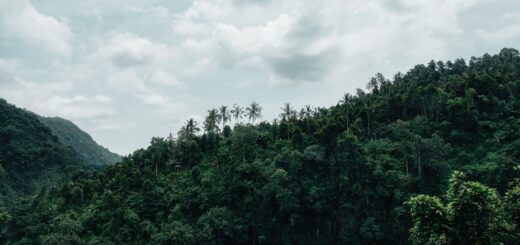
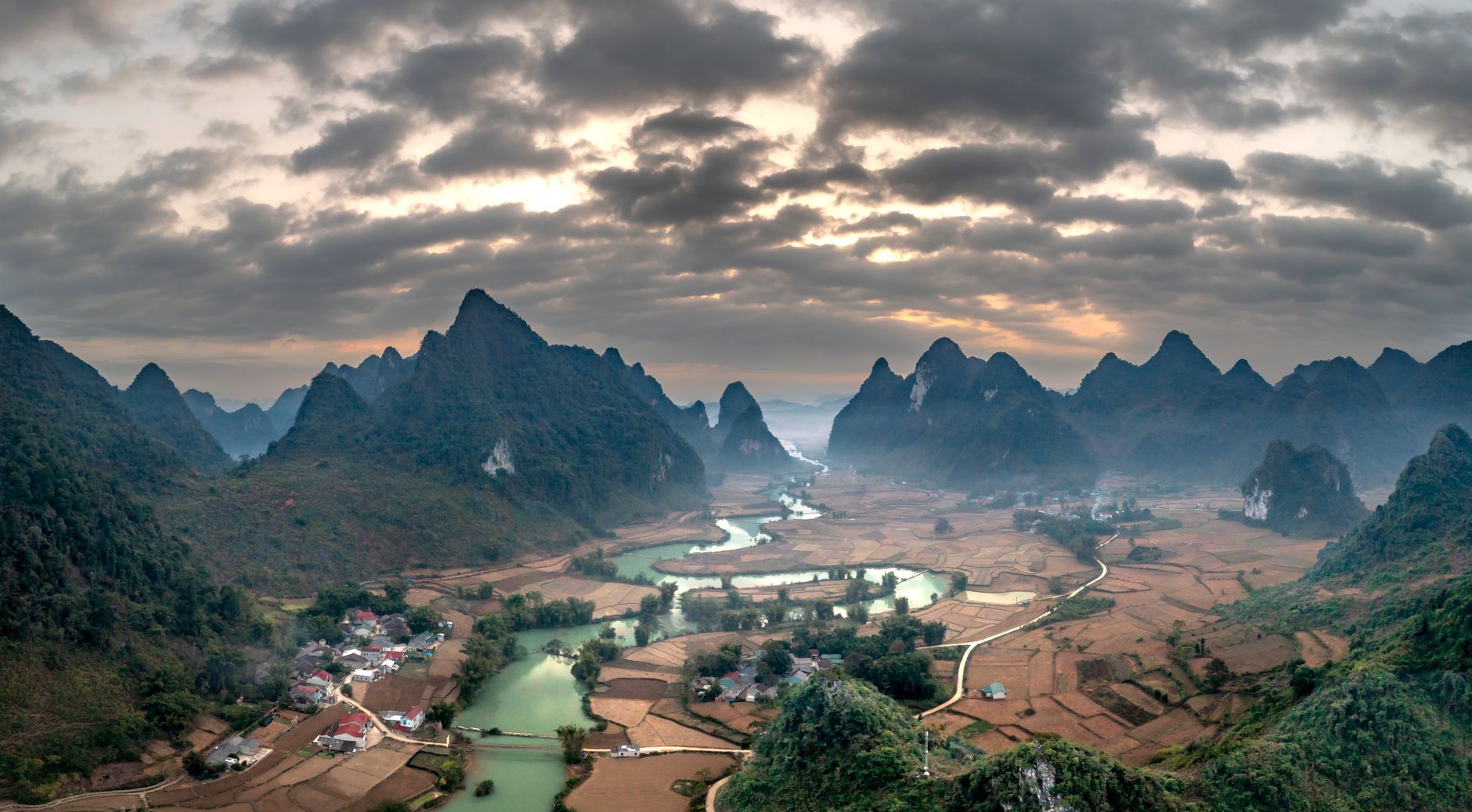
The landscapes of western Madagascar are as distinctive as its wildlife. This is the realm of the dry deciduous forest — trees that shed their leaves in the dry season, baobabs storing water in their swollen trunks, and a tangle of drought-adapted plants found nowhere else on earth. Madagascar’s extraordinary isolation has produced an astonishing degree of endemism, and the western dry forests are among its most threatened and most special habitats. The baobabs are the icons, but the whole ecosystem — from the spiny vegetation to the limestone karst of the Tsingy — tells the story of life adapting to a harsh, seasonal climate.
This ecological distinctiveness is part of what makes a western trip so rewarding: you’re not just seeing beautiful scenery, but one of the planet’s great evolutionary showcases. It also lends urgency to visiting responsibly — these forests face pressure from deforestation, and the conservation-minded reserves like Kirindy and the Tsingy depend in part on tourism to survive. Travelling here with good operators, respecting the wildlife, and supporting the local economy all help ensure these irreplaceable landscapes endure. The west isn’t just a photo opportunity; it’s a window into a natural world that exists nowhere else.
Beyond the Icons: More of the West
While the baobabs and the Tsingy draw most visitors, the wider west rewards those who venture further. Belo-sur-Tsiribihina, on the route to the Tsingy, is a river town where the journey crosses the Tsiribihina by ferry — and the river itself can be travelled by multi-day pirogue (dugout canoe) trip, a slow, atmospheric adventure through remote country. Belo-sur-Mer, south of Morondava, is a traditional boat-building village with quiet beaches and a wonderfully end-of-the-road feel, reached by a rough track or boat. Further north lies Mahajanga (Majunga), a larger coastal city with its own beaches and the nearby Ankarafantsika National Park, a dry-forest reserve rich in lemurs and birds that makes a worthy western detour. And the Andringitra and southwestern reef coast around Ifaty and Anakao extend the dry-country experience towards the deep south.
These lesser-known corners add depth to a western trip for travellers with time. They share the region’s defining character — hot, dry, remote, and rewarding — and they’re far quieter than the headline sights. A longer western itinerary, or one built by a specialist who knows the back roads, can weave several of these together for a richer, more adventurous journey than the standard baobabs-and-Tsingy loop. The multi-day Tsiribihina river descent by pirogue, in particular, is a cult favourite among adventurous travellers — drifting downriver past gorges and villages, camping on sandbanks, and arriving at the Tsingy by water rather than road. It’s the kind of slow, immersive western experience that the rushed itinerary misses entirely, and a reminder that the west rewards those who give it time.
How to Get to Western Madagascar
The west’s gateway is Morondava, reached either by a short domestic flight from Antananarivo (the easiest and most popular option, saving a long drive) or by a lengthy overland journey. From Morondava, the Avenue of the Baobabs is a short drive, Kirindy is a couple of hours north, and the Tsingy de Bemaraha is a full, rough day’s drive further north — on unpaved tracks with river ferry crossings, passable in the dry season only. Many travellers fly into Morondava, explore the baobabs and Kirindy, and either continue to the Tsingy by 4×4 or keep the trip shorter. The flight from Antananarivo takes around an hour and transforms the trip — what would be two punishing days of driving each way becomes a quick hop, freeing your time for the sights themselves. It’s the single best piece of logistics advice for the west: unless overlanding is itself your goal, fly to Morondava and start your western adventure rested. The long, demanding road to the Tsingy is the single biggest logistical consideration of a western trip, and the main reason a guided package or private 4×4 makes sense here. For the overland approach, see our Madagascar road trips and overland routes guide.
For most international visitors, flying into Morondava is the sensible choice: the overland drive from Antananarivo to Morondava is very long and tiring, and the time saved by flying is better spent exploring the region itself. Domestic flights are limited in frequency, however, so book them early — ideally at the same time as your international flights — to avoid being caught out, particularly in peak season when seats fill. Once on the ground, distances within the west are deceptive: the road network is sparse and slow, the Tsingy route involves two river ferry crossings that operate on their own schedule, and what looks close on a map can be hours away. This is why a vehicle and driver, rather than self-drive, is the norm for the west — local drivers know the ferries, the road conditions, and the rhythm of the region in a way that’s hard to replicate independently.
Practical Tips for a Western Trip
Allow more time than the distances suggest. The west’s roads are slow and rough, and the drive to the Tsingy in particular is a full day each way despite the modest map distance. Build in buffer time and don’t over-pack the itinerary; the journey is part of the experience here, and rushing it only adds stress to an already demanding region.
Prepare for the heat. The west is the hot, dry side of Madagascar, especially late in the dry season. Light clothing, sun protection, and plenty of water are essential, and an early start beats the midday heat for both comfort and wildlife sightings, which tail off as the day warms.
Carry cash. Outside Morondava, ATMs and card payments are scarce to non-existent. Bring enough cash (Malagasy ariary) for the duration of your western leg, including guide fees, tips, and incidentals, and withdraw what you need in Antananarivo or Morondava before heading into the remoter areas.
Expect simple infrastructure. Accommodation at Kirindy and near the Tsingy is basic — comfortable enough but far from luxury. Electricity may be limited, so bring a power bank and a headtorch. The simplicity is part of the adventure. Morondava has more comfortable options, so it’s worth bookending the rougher Tsingy and Kirindy nights with a comfortable stay on the coast at either end.
Go with a guide for the Tsingy. Guides are compulsory in the Tsingy and genuinely valuable, providing the via ferrata equipment, route knowledge, and wildlife-spotting. The same goes for night walks at Kirindy.
Insure for the activities. Confirm your travel insurance covers via ferrata and remote-area evacuation, given how far the west is from major medical facilities.
Photographing Western Madagascar
The west is arguably the most photogenic region of Madagascar, and a little planning transforms your images. The Avenue of the Baobabs is all about light: the hour after sunrise and the hour before sunset bathe the trunks in warm colour, and the post-sunset “blue hour” can be magical with a tripod. Arrive early to claim a good spot, as the avenue draws a crowd at golden hour. The Tsingy rewards a wide lens for the vast pinnacle fields and viewpoints, plus a faster lens or higher ISO for the shadowy canyons and fissures. At Kirindy, wildlife photography means a longer lens by day and a good torch (and patience) for the nocturnal species — flash should be used sparingly and respectfully around animals. Across the region, the dry-season light is clear and strong, and the dramatic landscapes do much of the work for you. The west is where most travellers capture their defining Madagascar images. A small tripod, a spare battery or two, and a willingness to be out at dawn and dusk are the only “kit” most travellers need to come home with photographs they’ll treasure for years.
Guided vs Independent in the West
The west is one of the harder regions of Madagascar to tackle fully independently, and most travellers benefit from at least some support. Independent travel to Morondava and the baobabs is straightforward enough — a flight in, local transport to the avenue — but the rough, ferry-dependent road to the Tsingy is genuinely demanding to arrange and drive alone, and a 4×4 with a driver who knows the route is strongly advisable. A guided package or private 4×4 removes the hardest logistics: the vehicle, the river crossings, the Kirindy night walks, the Tsingy guides, and the accommodation all handled. For the Tsingy leg especially, the convenience and safety of a guided arrangement is well worth it. Many travellers compromise — independent around Morondava, guided for the Tsingy push — which is a sensible balance. Whichever you choose, the west’s remoteness rewards good planning more than almost any other region, and a little forethought about transport and logistics pays off many times over once you’re there.
When to Visit the West
The west is firmly a dry-season destination (April–November). The region is hot and much drier than the rest of the island, with a short, less intense wet season — but the rough tracks to the Tsingy and Kirindy can become impassable in the rains, and river crossings unreliable. The dry season brings passable roads, reliable access, and the best wildlife viewing (the fossa mating season peaks in October). It gets progressively hotter towards the end of the dry season, so the cooler early-dry months are more comfortable for the heat-sensitive. Crucially, because the west stays relatively dry, it’s one of the better regions to consider even at the edges of the wet season — a useful fact for travellers with limited date flexibility. For the full regional breakdown, see our Madagascar weather by region guide.
Within the dry season, timing has nuances worth knowing. The cooler months around June to August are the most comfortable for the heat, with pleasant days though potentially chilly mornings. September and October bring rising temperatures but also the fossa mating season and excellent wildlife activity — many consider October the standout month for the west, balancing wildlife, dry roads, and the baobabs at their photogenic best. By November the heat builds towards the rains, and from December the wet season risks closing the rougher tracks. If you’re planning a western trip around a specific highlight — the fossa, the clearest skies, or the gentlest temperatures — those few weeks of difference within the dry season are worth getting right, and a specialist can pinpoint the ideal window for your priorities.
Suggested Western Itineraries
The short baobab trip (3–4 days): Fly into Morondava, visit the Avenue of the Baobabs at sunset, spend a night-and-day at Kirindy for the fossa and nocturnal lemurs, and enjoy Morondava’s coast. A compact, rewarding taste of the west without the long Tsingy drive — ideal if time is short. This is the most popular western itinerary precisely because it captures the region’s most iconic sight and its best wildlife in a few easy days, and it pairs neatly onto the start or end of a longer Madagascar trip with minimal extra effort.
The full western circuit (6–7 days): Morondava and the baobabs, Kirindy, then the rough drive north to the Tsingy de Bemaraha for two or three days of canyons, pinnacles, and via ferrata, returning via Belo-sur-Tsiribihina. The complete western experience, capturing both icons and the wildlife between them. The drive is demanding and the days are long, but committing to the full circuit is the only way to experience the Tsingy, and most who make the effort rate it among the highlights of their entire Madagascar trip. A 4×4 with a capable driver is essential for this version.
The combined trip (2+ weeks): Pair the west with the classic RN7 route south (highlands, Ranomafana, Isalo) for a fuller Madagascar journey, linking the dry-forest west with the rainforest and highland parks. This is where a well-sequenced package, timed to the dry season across all regions, pays off most. Such a trip shows off Madagascar’s astonishing range — from cool highlands to humid rainforest to the hot dry west — in a single journey, and is the itinerary we’d suggest for a first, comprehensive visit with the time to do the island justice. The west typically slots in as a flight-connected loop from Antananarivo rather than an overland detour.
Who Should Visit the West
The west suits travellers who want Madagascar’s most iconic sights and don’t mind earning them. If your idea of a great trip includes the baobabs at sunset, an otherworldly stone forest, and close wildlife encounters in a remote setting — and you’re comfortable with rough roads, simple lodges, and a sense of adventure — the west is for you. It’s particularly rewarding for photographers, wildlife enthusiasts, and anyone chasing the “real” Madagascar of the documentaries.
It’s less suited to travellers seeking comfort and ease above all, or those on a very tight schedule who can’t absorb the long drives — for them, a short baobab-and-Kirindy trip captures much of the magic without the demanding Tsingy push. And it’s firmly a dry-season region, so wet-season travellers should weigh the access risks carefully. But for the adventurous, the west delivers the kind of trip that defines a Madagascar journey: remote, wild, visually spectacular, and utterly unlike anywhere else. Few who make the effort regret it.
Getting There and Travelling Well in the West
Madagascar is reached by connecting flights via Europe, the Gulf, or Africa, after which a domestic flight to Morondava opens up the west. Book international flights early, and protect them on European routes — EU261 entitles you to up to €600 per passenger for long delays, cancellations, and denied boarding. Register your inbound flight for EU261 coverage with AirAdvisor so any eligible claim is handled for you.
The west’s remoteness makes comprehensive travel insurance especially important — the Tsingy and Kirindy are far from major medical facilities, and the rough roads carry their own risks. Coverage should include medical emergencies, evacuation, and your activities (including any via ferrata at the Tsingy). SafetyWing Nomad Insurance offers flexible, affordable cover well suited to remote western travel. In a region this far from help, insurance is not optional — it’s the foundation of a safe trip.
Carla / Voyagiste Madagascar (plan your western trip)
Madagascar-resident specialist who can build a western trip around the baobabs, the Tsingy, and the wildlife. Contact Carla directly to plan a trip timed to the dry season, with the right 4×4 and guide for the rough Tsingy road, the best wildlife stops at Kirindy, and the logistics handled end to end. The west’s remoteness is exactly where local knowledge and a well-organised trip make the biggest difference.
Frequently Asked Questions
What is western Madagascar famous for?
The Avenue of the Baobabs and the Tsingy de Bemaraha — Madagascar’s two most iconic sights — plus Kirindy Forest’s wildlife (notably the fossa) and dramatic dry-forest landscapes.
How do I get to western Madagascar?
Fly to Morondava from Antananarivo (the easiest option) or drive overland. From Morondava, the baobabs and Kirindy are close; the Tsingy is a long, rough drive north, dry-season only.
When is the best time to visit the west?
The dry season (April–November), when the rough tracks are passable and wildlife viewing is best. The fossa mating season peaks in October. See our best time to visit guide.
How long do I need for western Madagascar?
3–4 days for the baobabs and Kirindy; 6–7 days to add the Tsingy de Bemaraha. Longer to combine the west with the RN7 south.
Is the Tsingy de Bemaraha worth the long drive?
For most travellers, yes — it’s one of the most extraordinary landscapes on earth. But the rough drive (dry season only) is demanding, so plan for it and consider a guided 4×4.
Do I need travel insurance for the west?
Yes — essential, given the remoteness and rough roads. Comprehensive coverage with evacuation and activity cover is strongly recommended.
🧭 Plan Your Western Madagascar Trip With Carla
The baobabs, the Tsingy, the fossa — the west holds Madagascar’s most iconic sights. Reach out to Carla, our Madagascar-resident specialist, to build a dry-season western trip with the right 4×4, guide, and wildlife stops, handled end to end.
Plan Your Trip to Madagascar
- Read the full Madagascar Travel Guide
- Explore itineraries by style and duration
- Best Tours and Guided Experiences
Where to Stay